2027-2A | FALKEN | Isla del Coco Mission
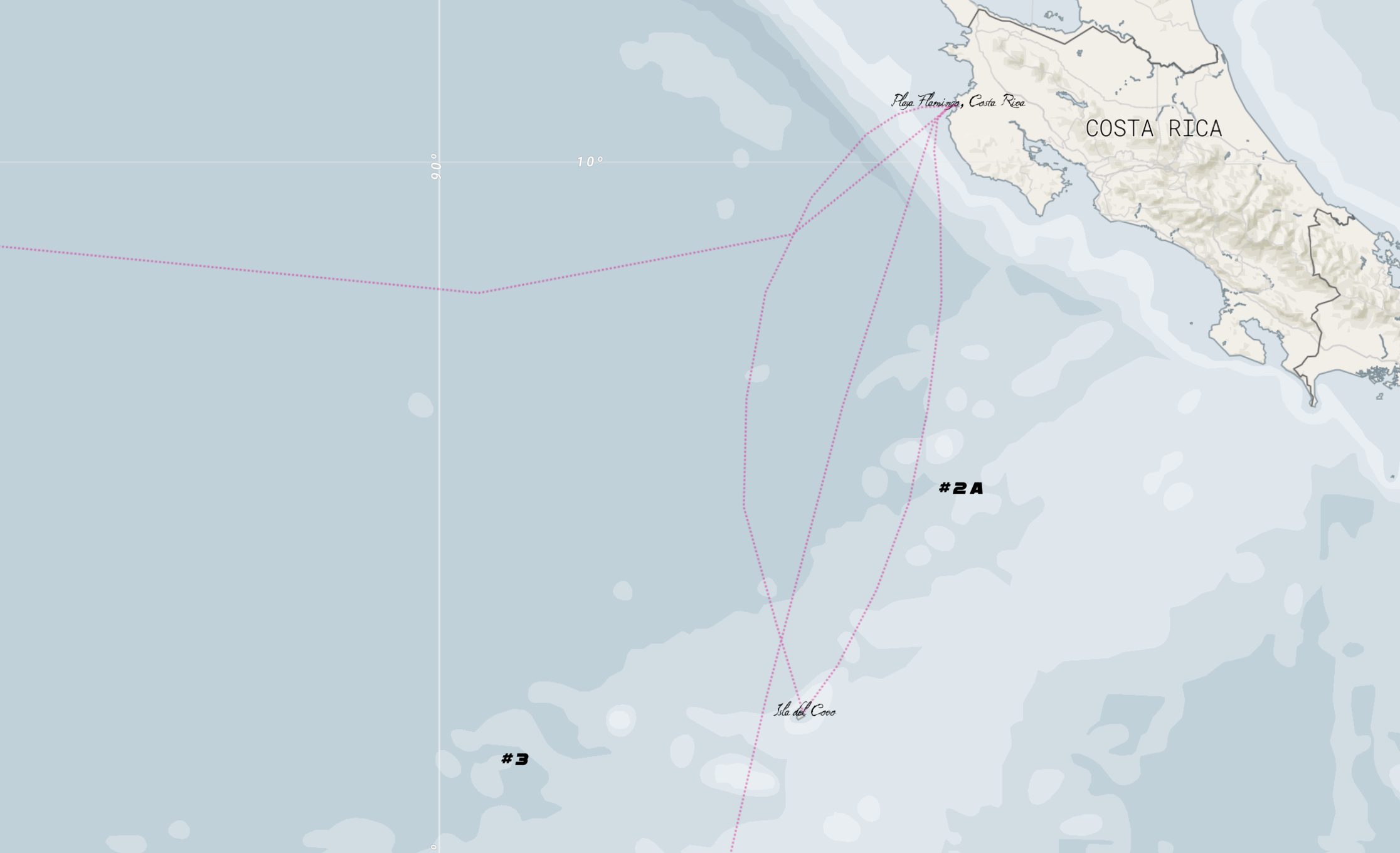
Isla del Coco, or Cocos Island, sits in the Pacific Ocean, roughly 300 nautical miles off Costa Rica’s coast. Uninhabited and shrouded in mist, it’s one of the most remote and pristine national parks on Earth — a UNESCO World Heritage Site protected for its staggering biodiversity both above and below the surface. The island’s steep volcanic cliffs, covered in dense rainforest, rise straight from the sea, fed by dozens of waterfalls that tumble down into turquoise bays. It’s often called the Galápagos of Central America, home to unique species of birds, insects, and marine life that exist nowhere else. Hammerhead sharks, giant mantas, whale sharks, and massive schools of fish make its surrounding waters one of the world’s most famous diving destinations. Cocos Island has also achieved a kind of mythic status in pop culture. Its wild, prehistoric beauty inspired Michael Crichton and Steven Spielberg when they were imagining Isla Nublar, the fictional island in Jurassic Park. Though the movie wasn’t filmed there, Crichton cited Cocos as the model — a remote, storm-lashed Pacific island cloaked in jungle and mystery. In real life, it’s every bit as cinematic: its cloud forest canopy, thunderous surf, and haunting isolation make it easy to picture a dinosaur rounding the next bend. Cocos is one of those "you have to sail there to fully experience it" landfalls scattered around the world, and because of it's remoteness, perhaps the most unique. There are no hotels, no marinas, and no permanent residents, just a small ranger station tucked into Chatham Bay. The reward after about two days at sea is extraordinary: dropping anchor off a place so wild and alive it feels like time has stopped. To arrive there by sail — propelled only by wind, guided by the same navigational instincts as the explorers and pirates who once sought refuge there — is to experience Cocos the way it was meant to be experienced: as a hard-won frontier at the edge of the world.
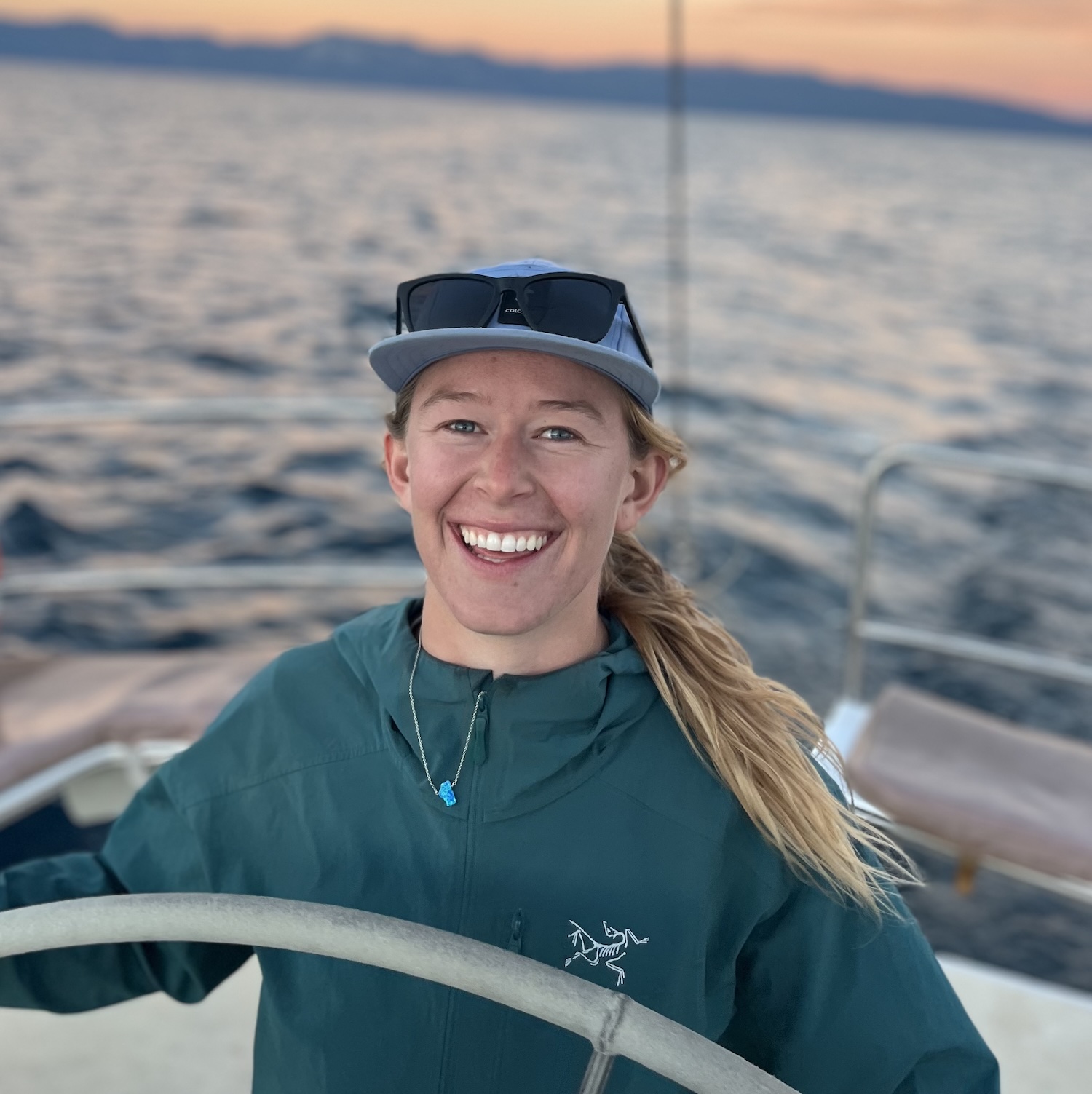
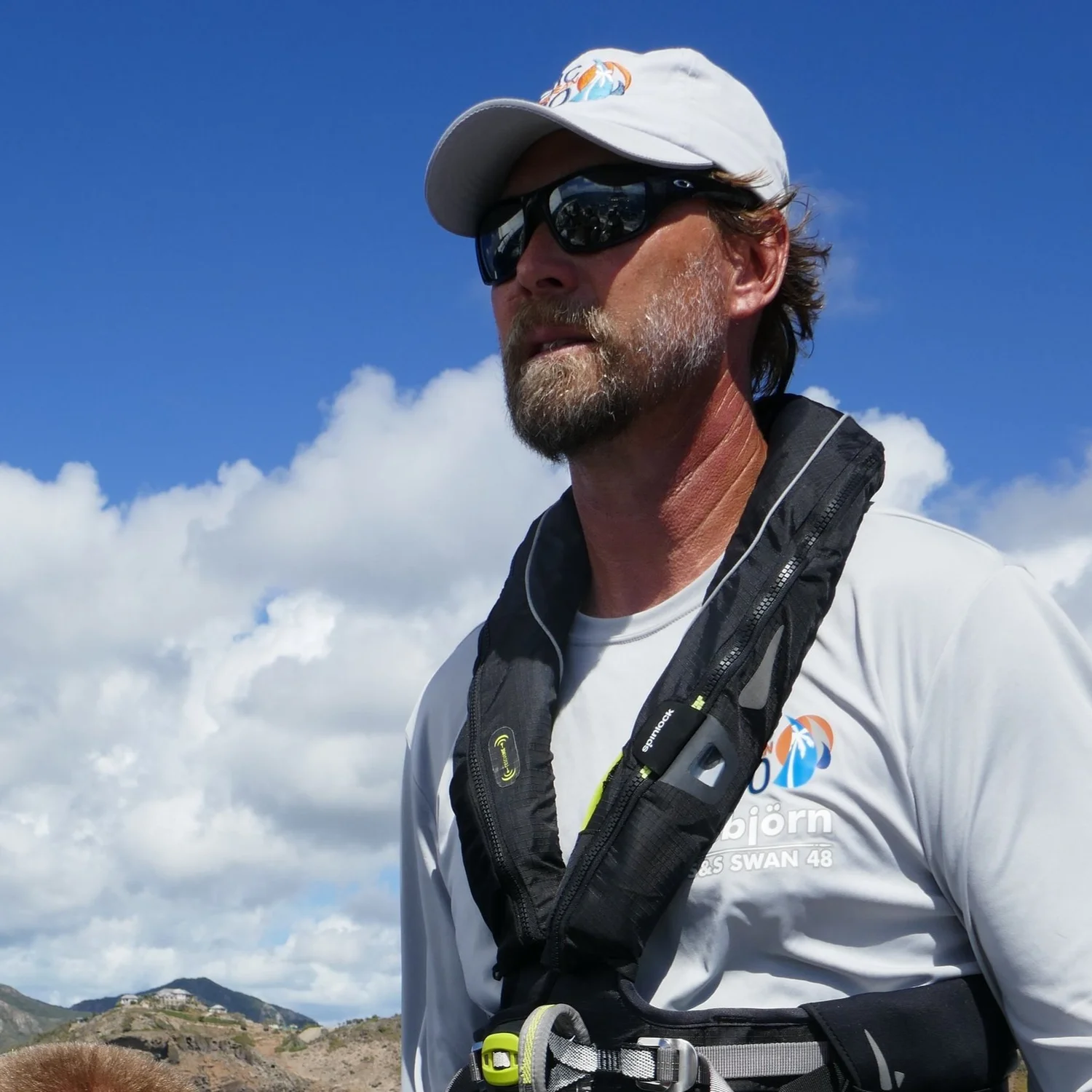
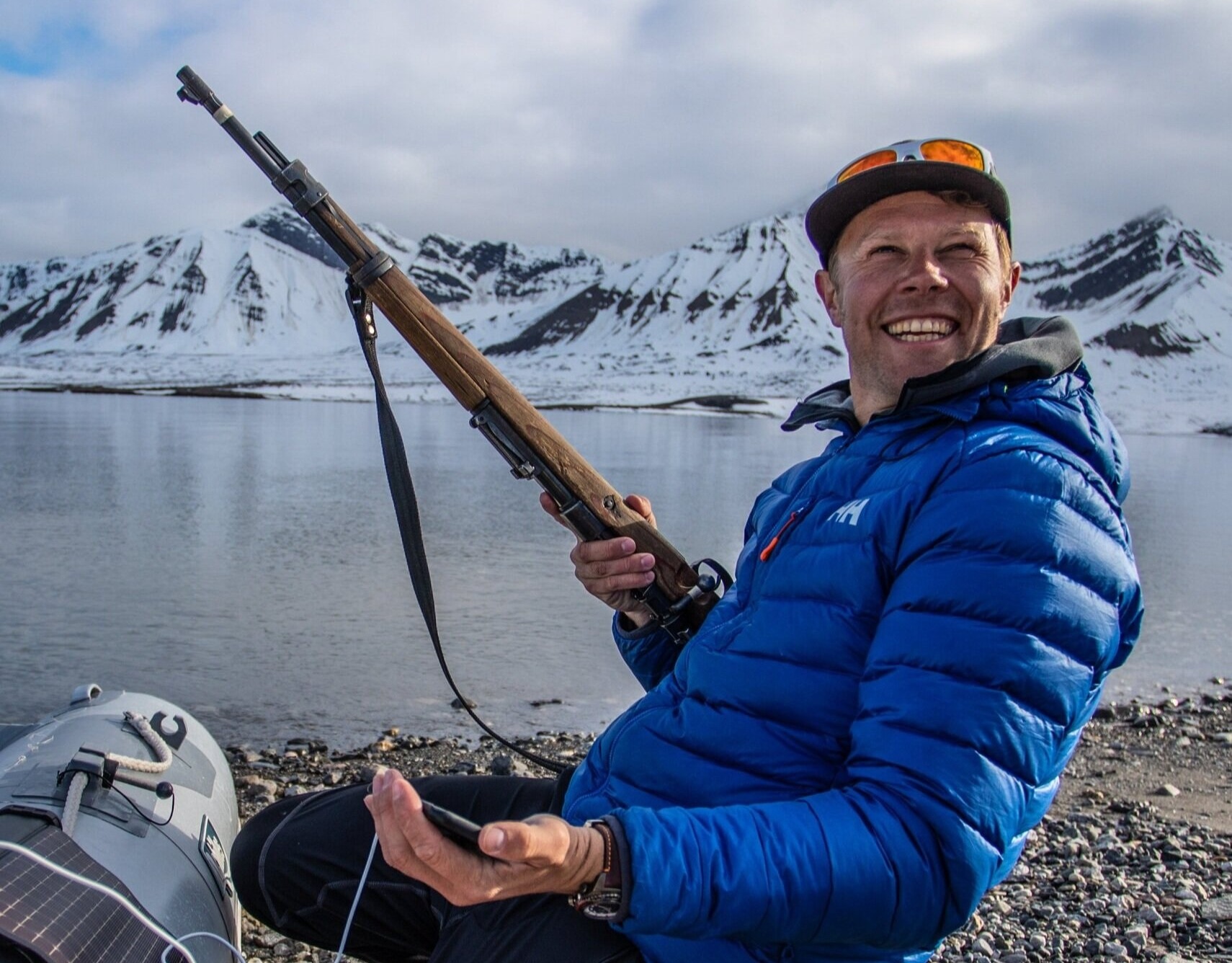
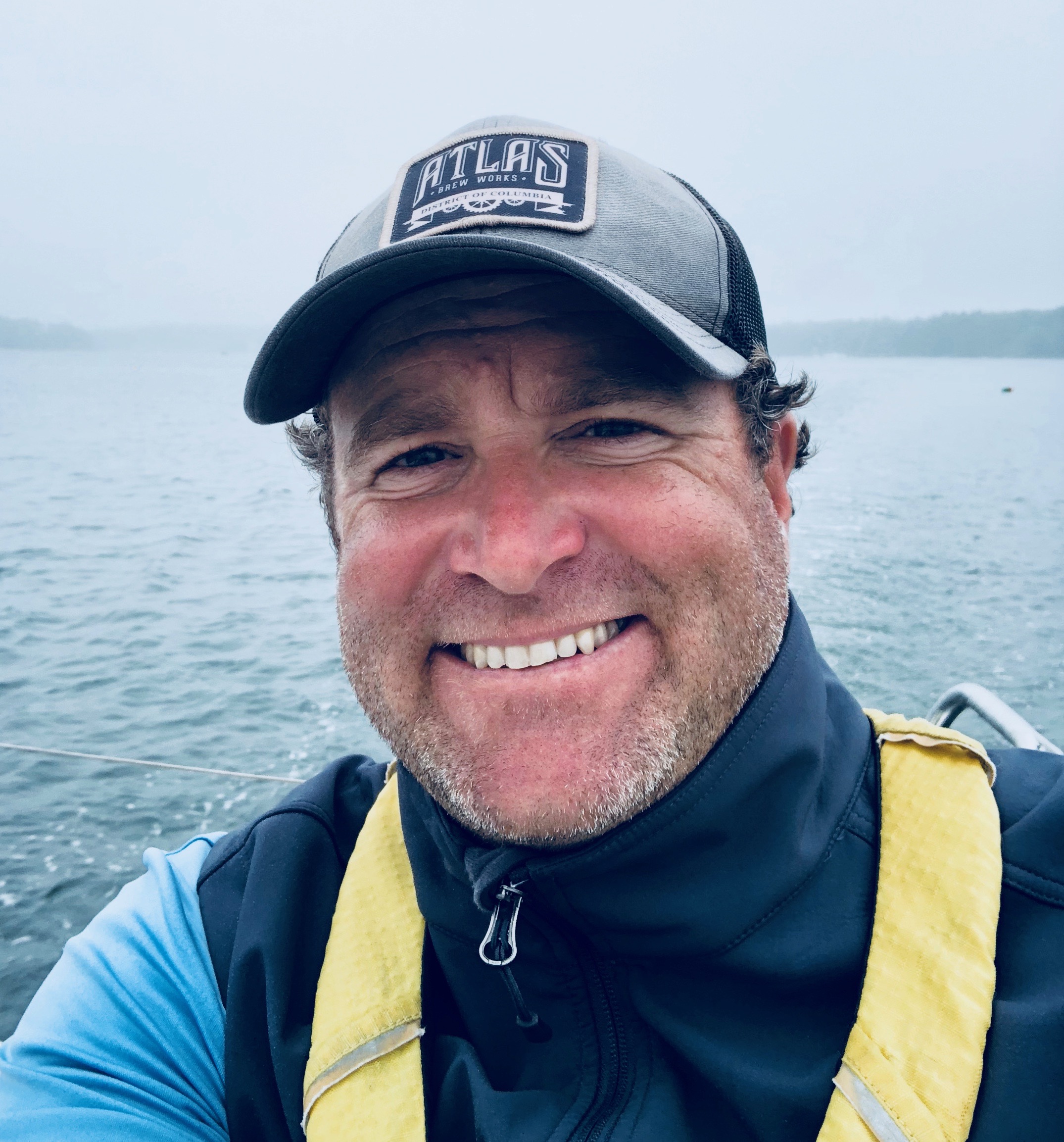
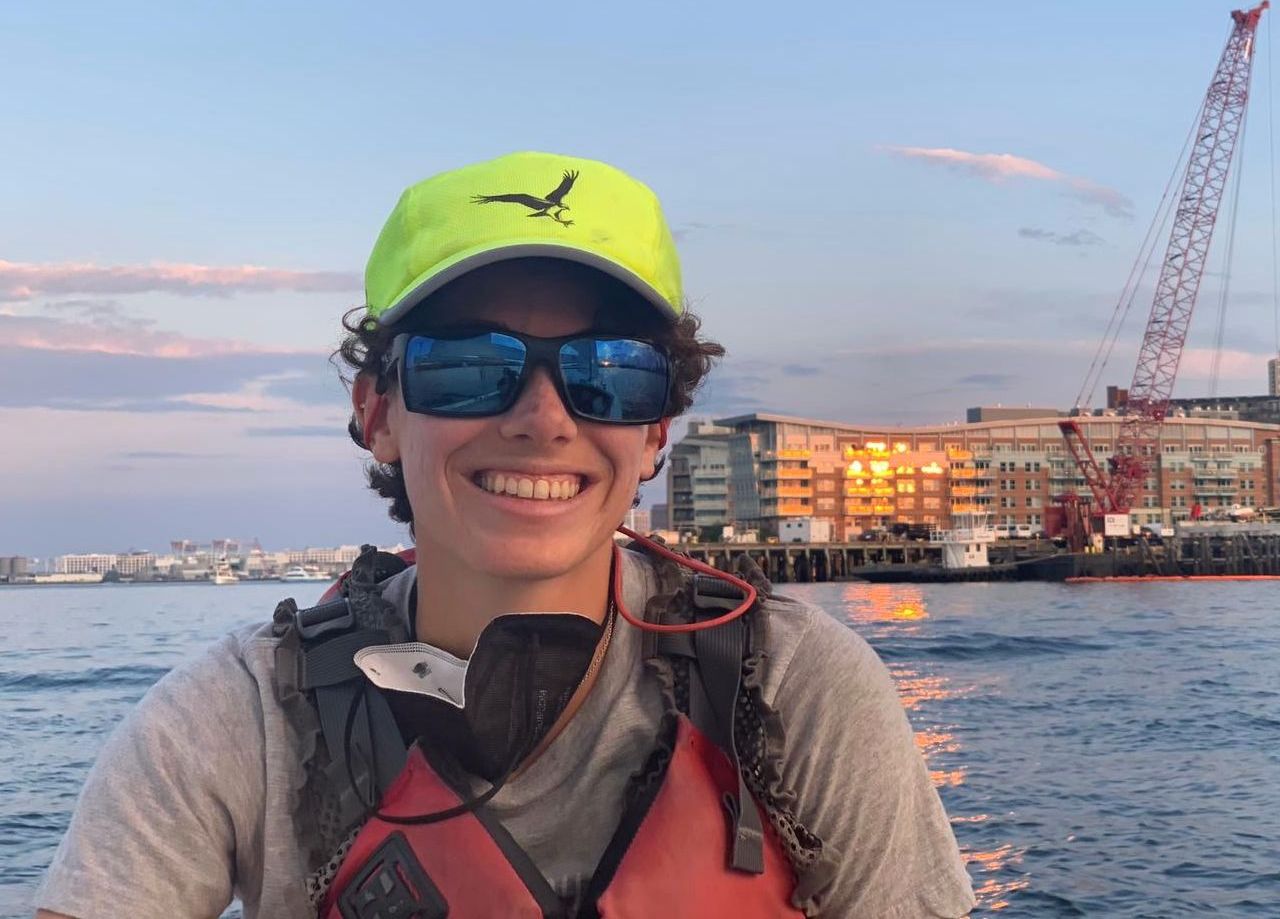
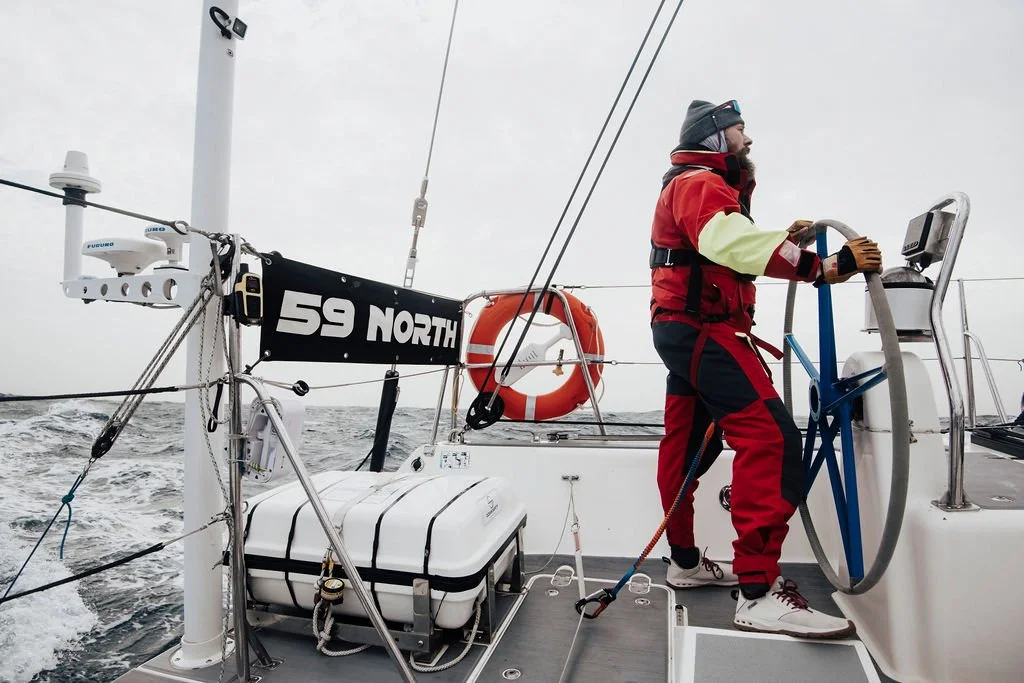
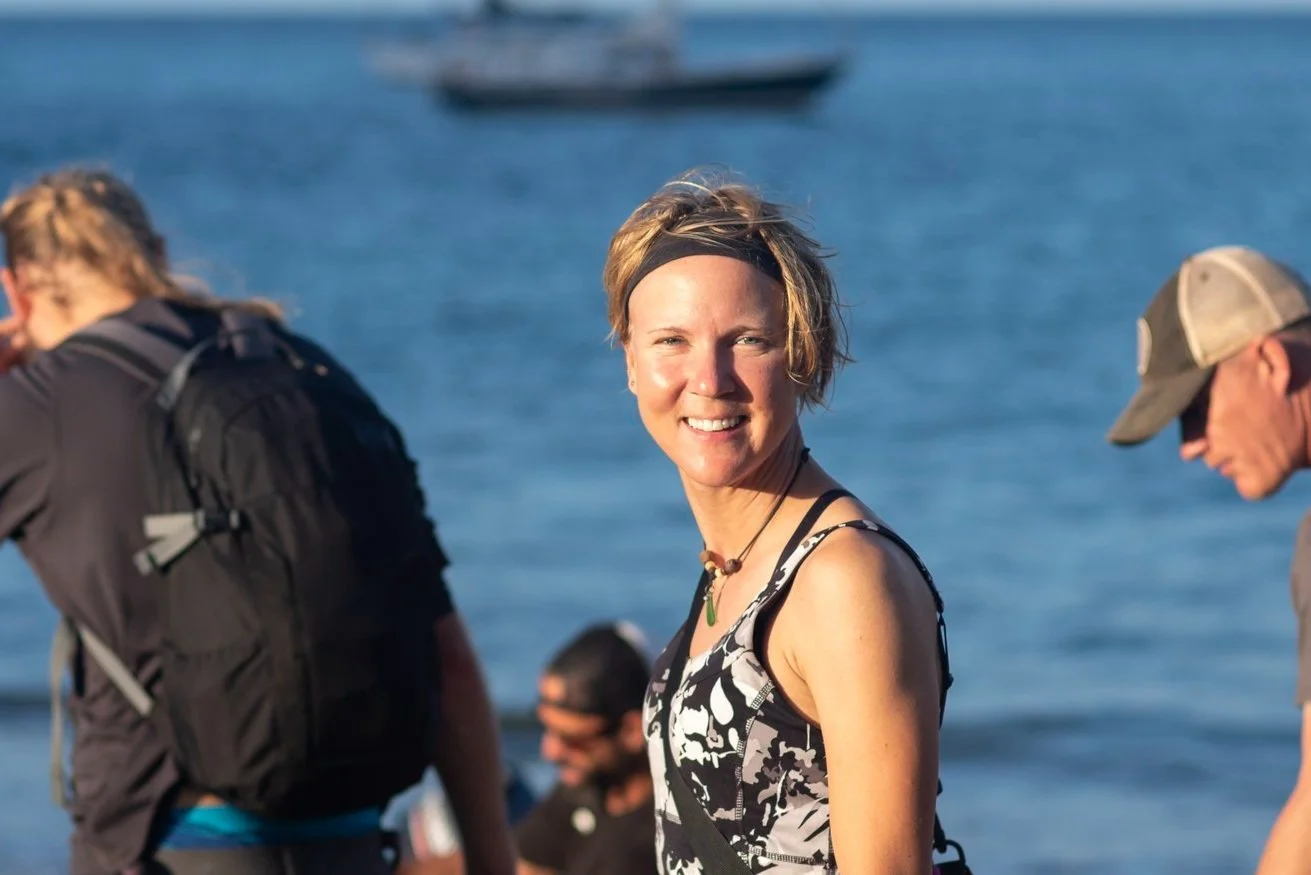
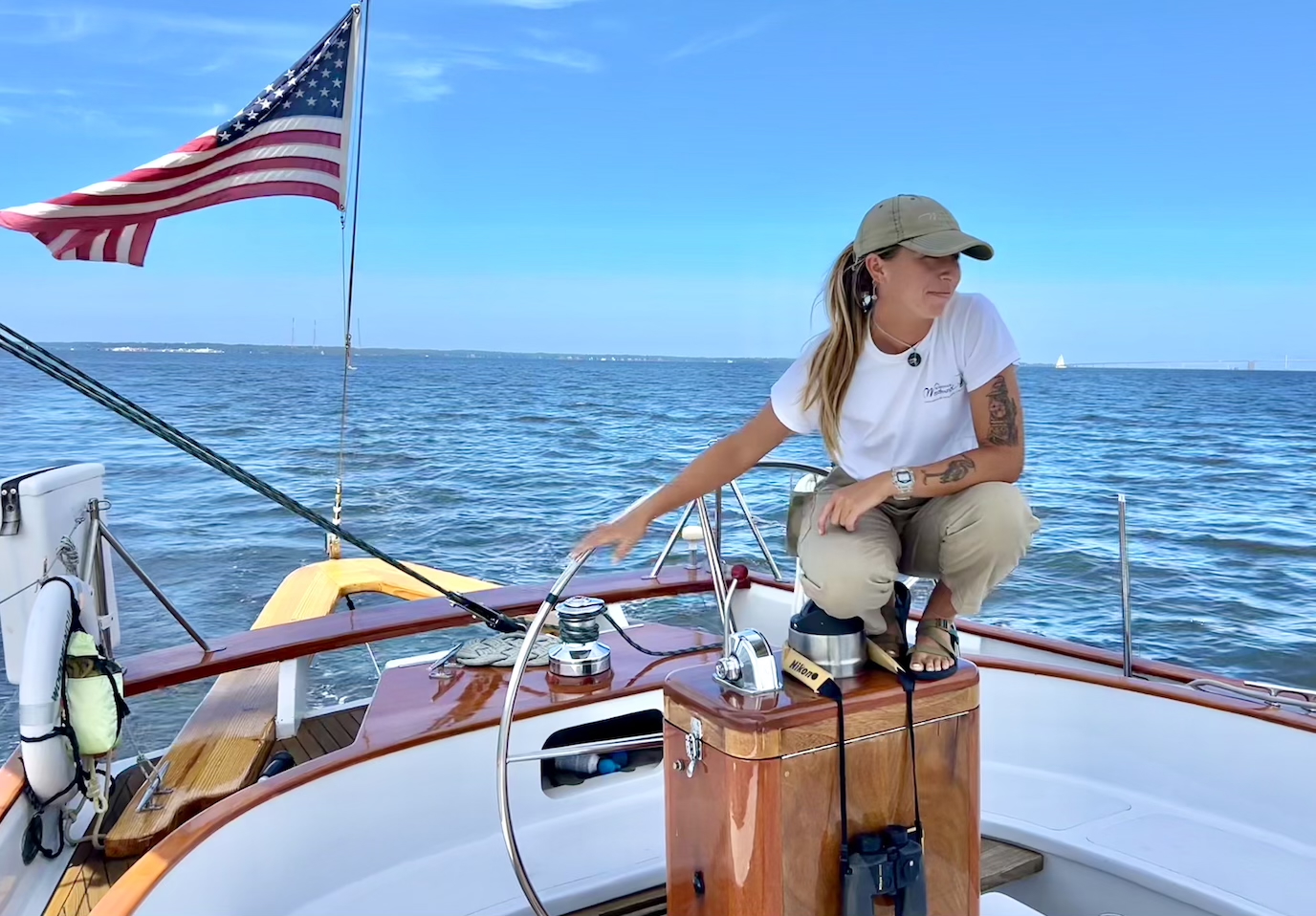
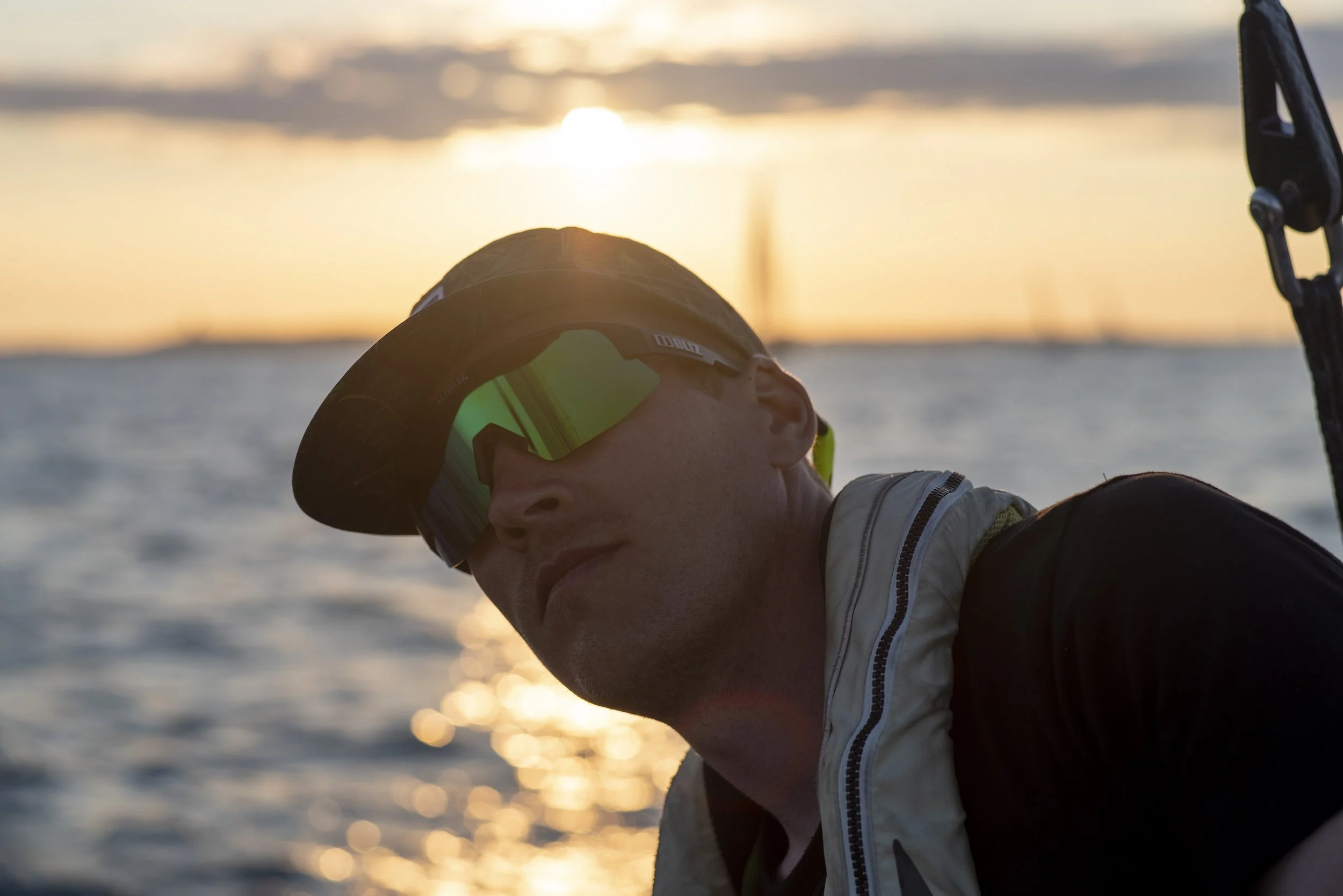
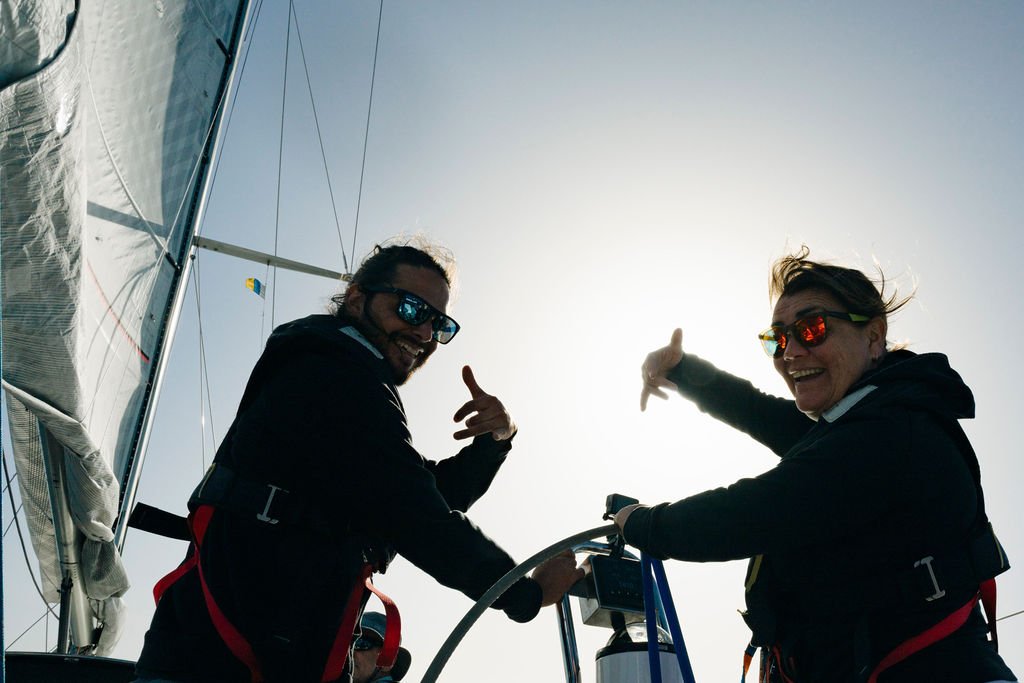
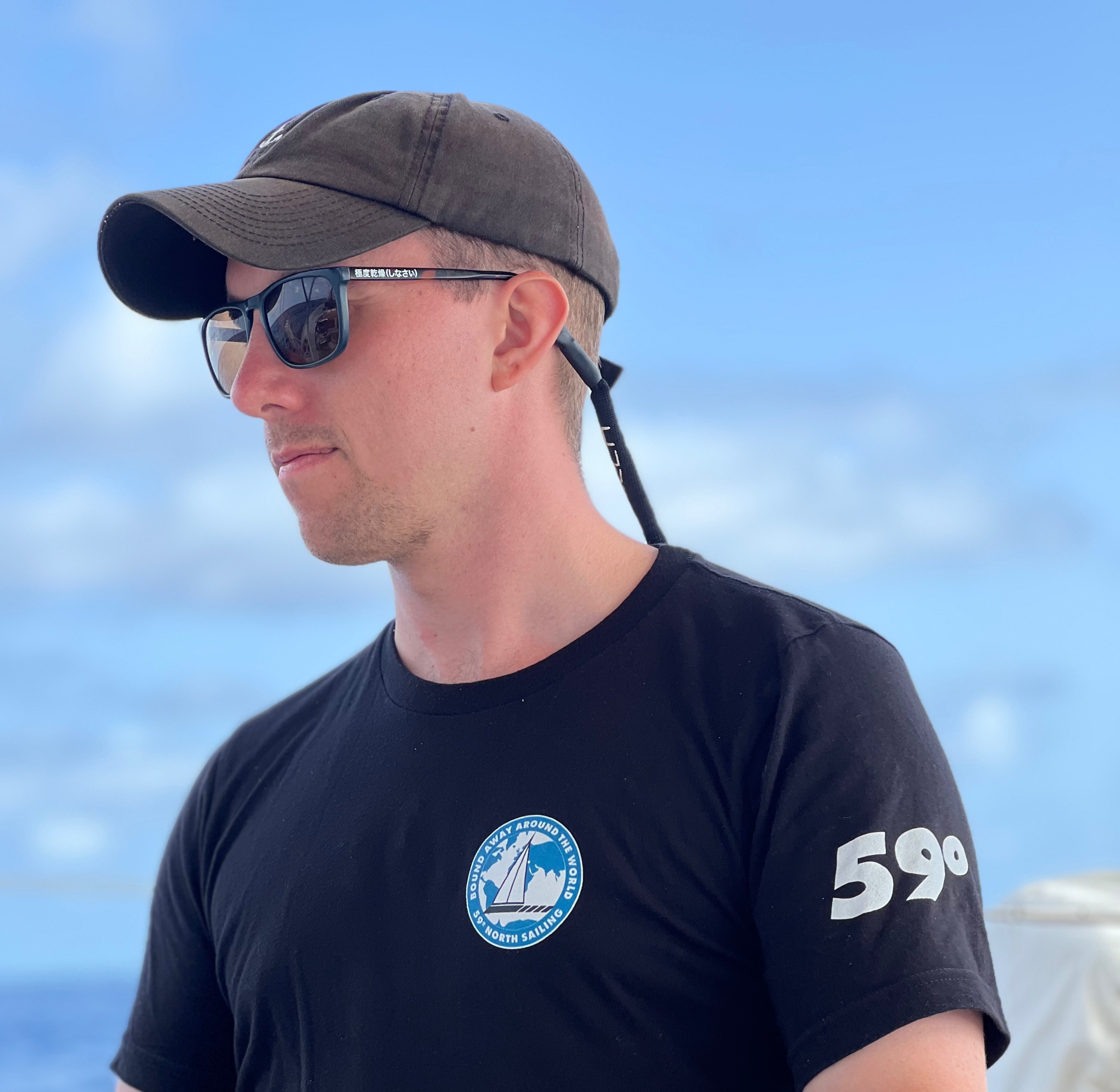
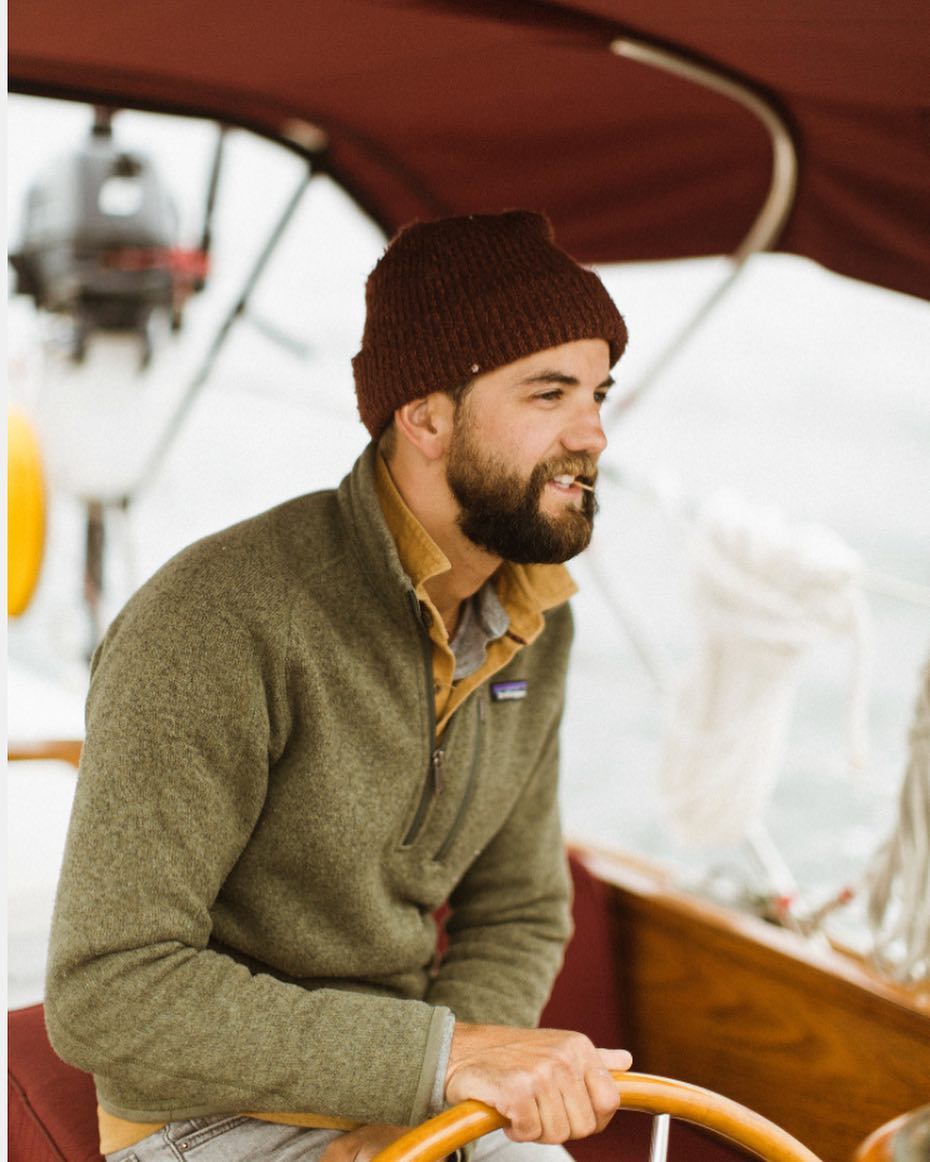
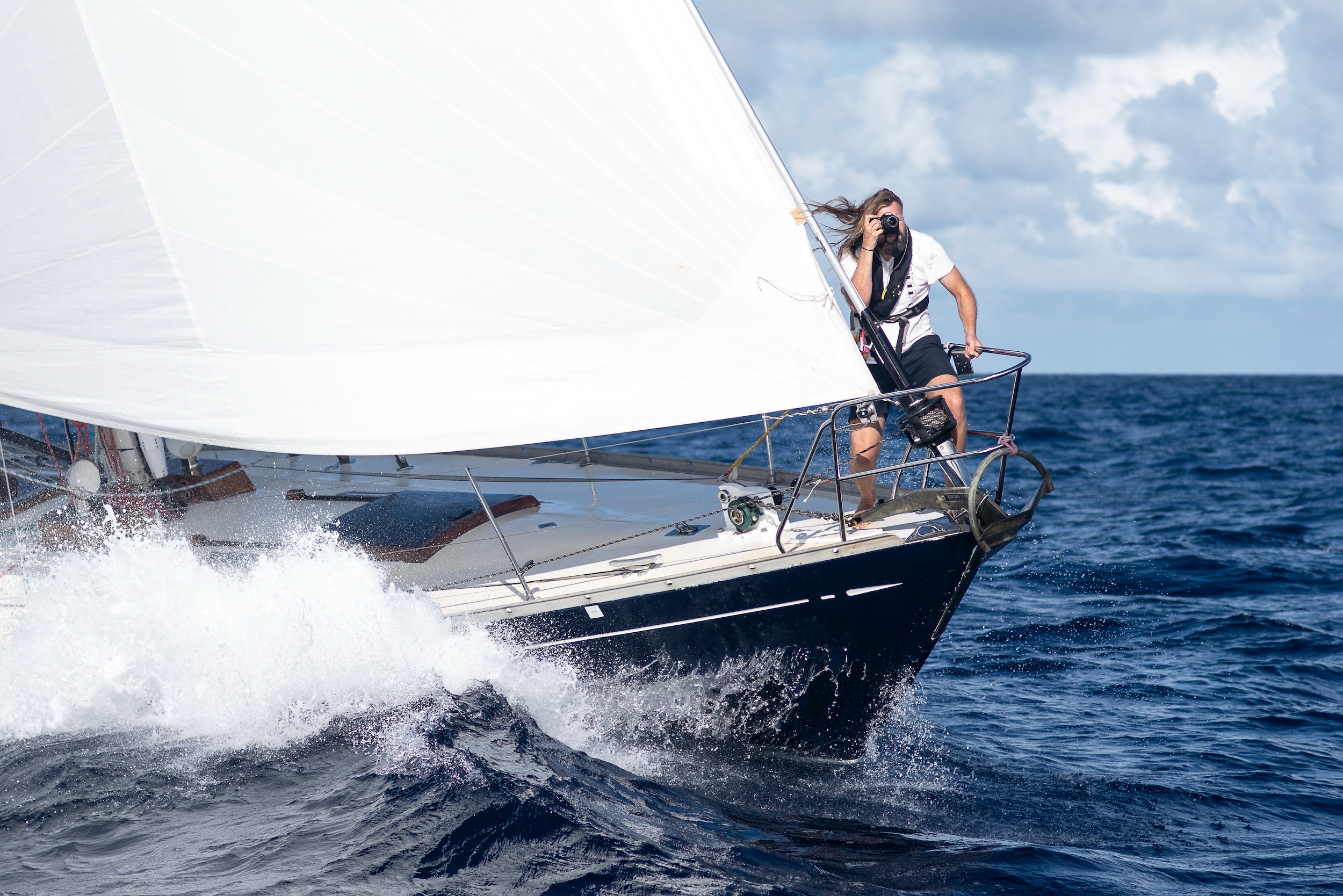
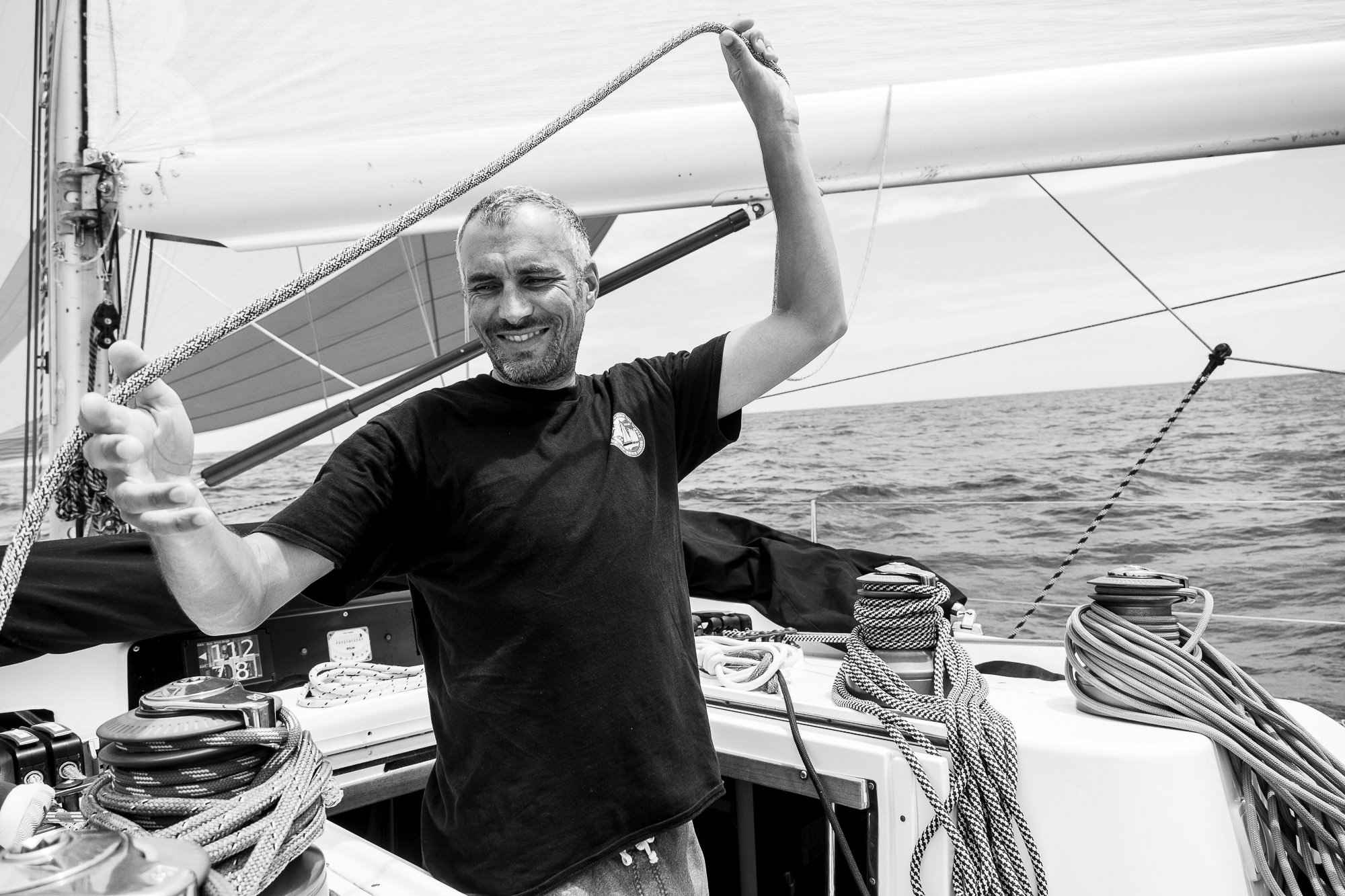
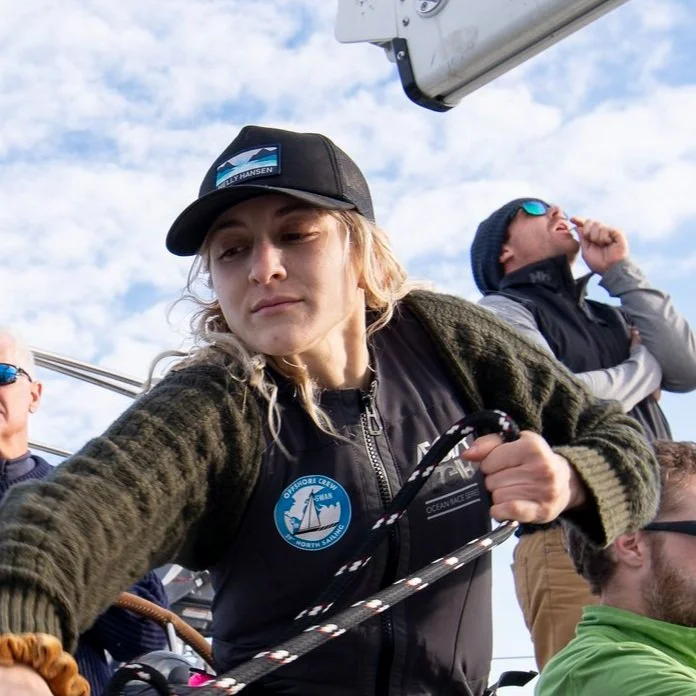
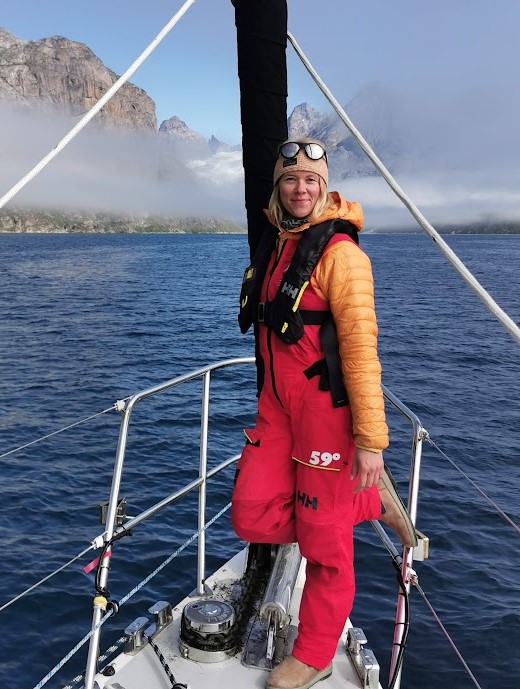
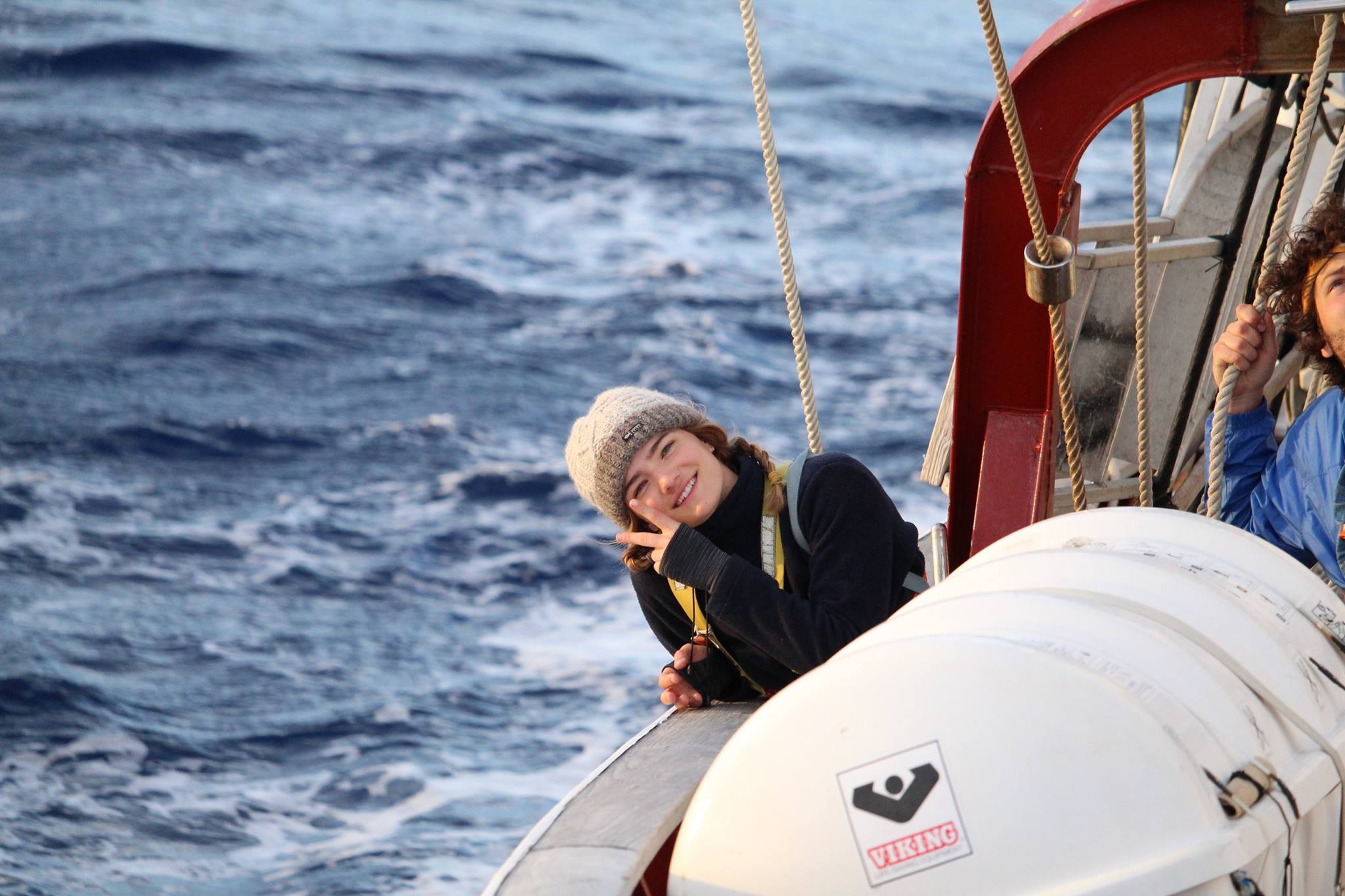
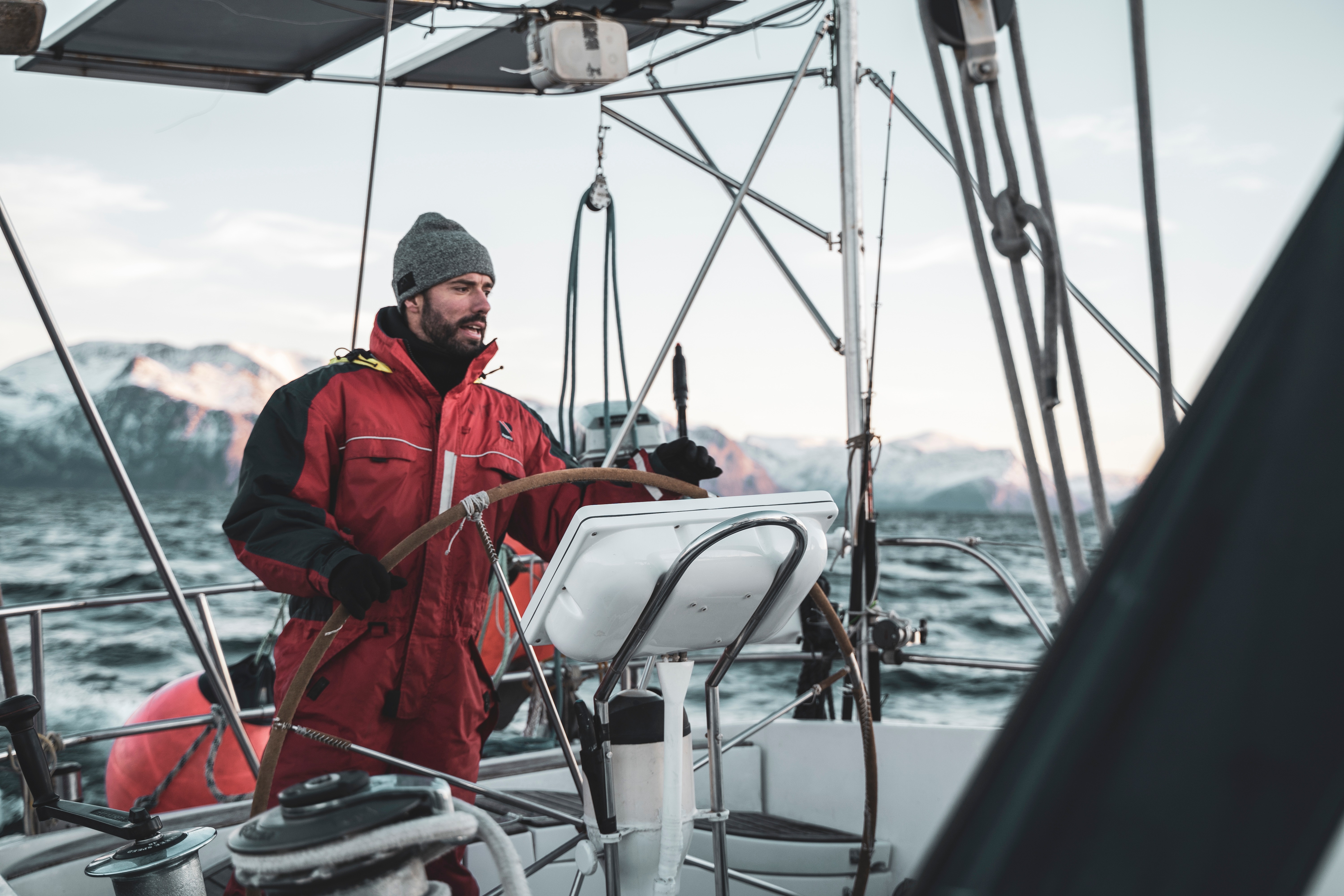
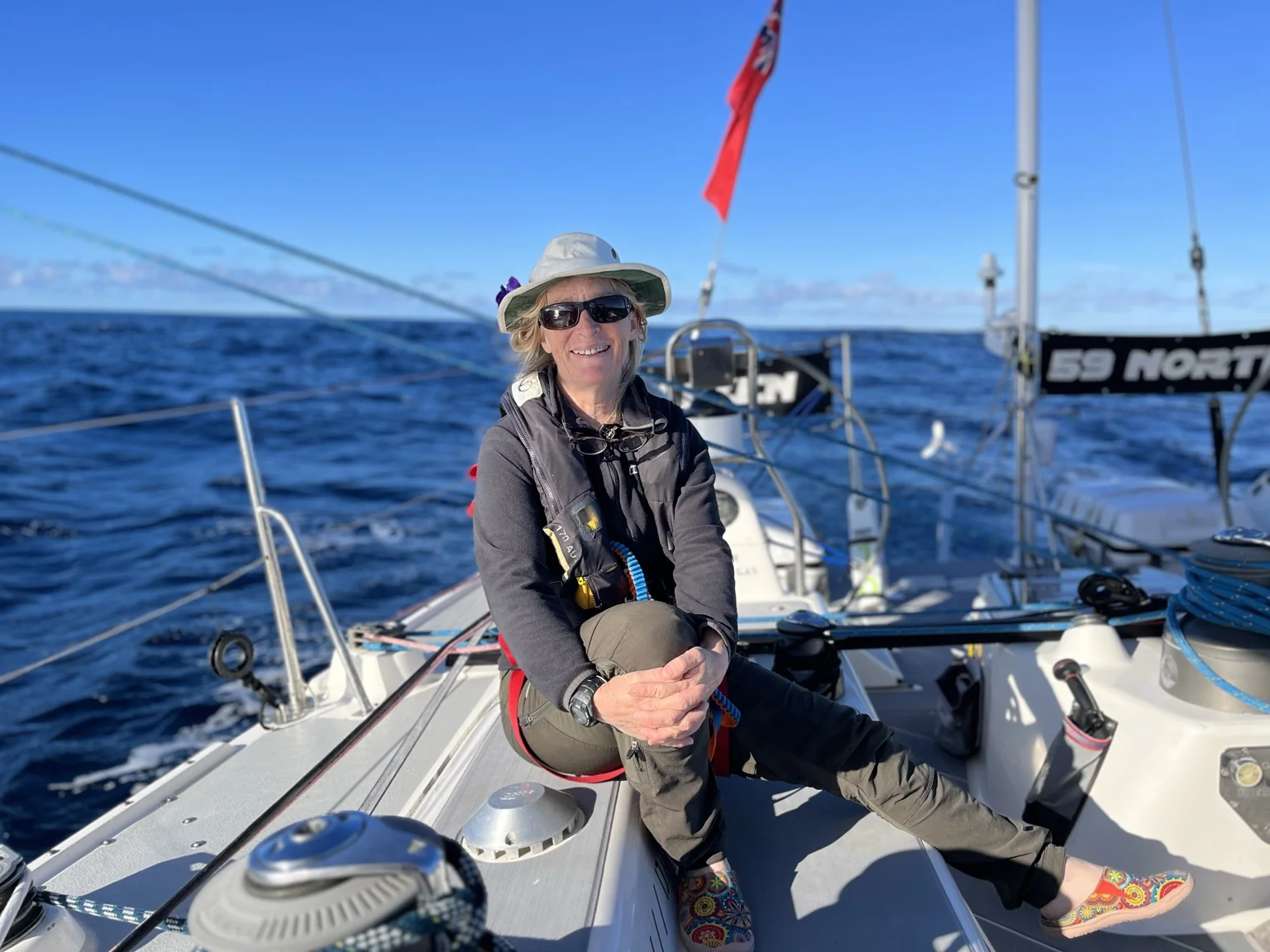
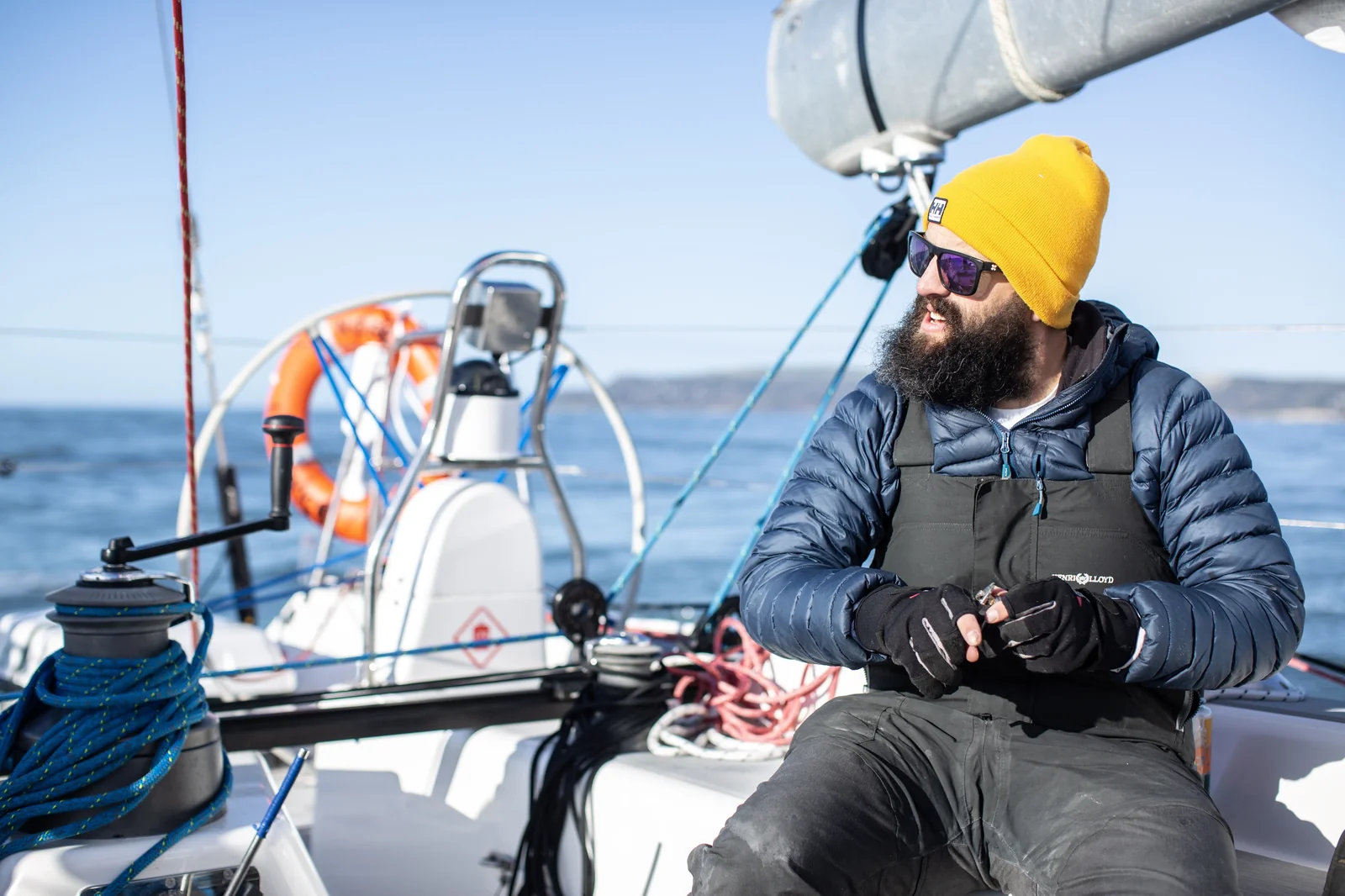
SAILING STAFF


.jpeg)
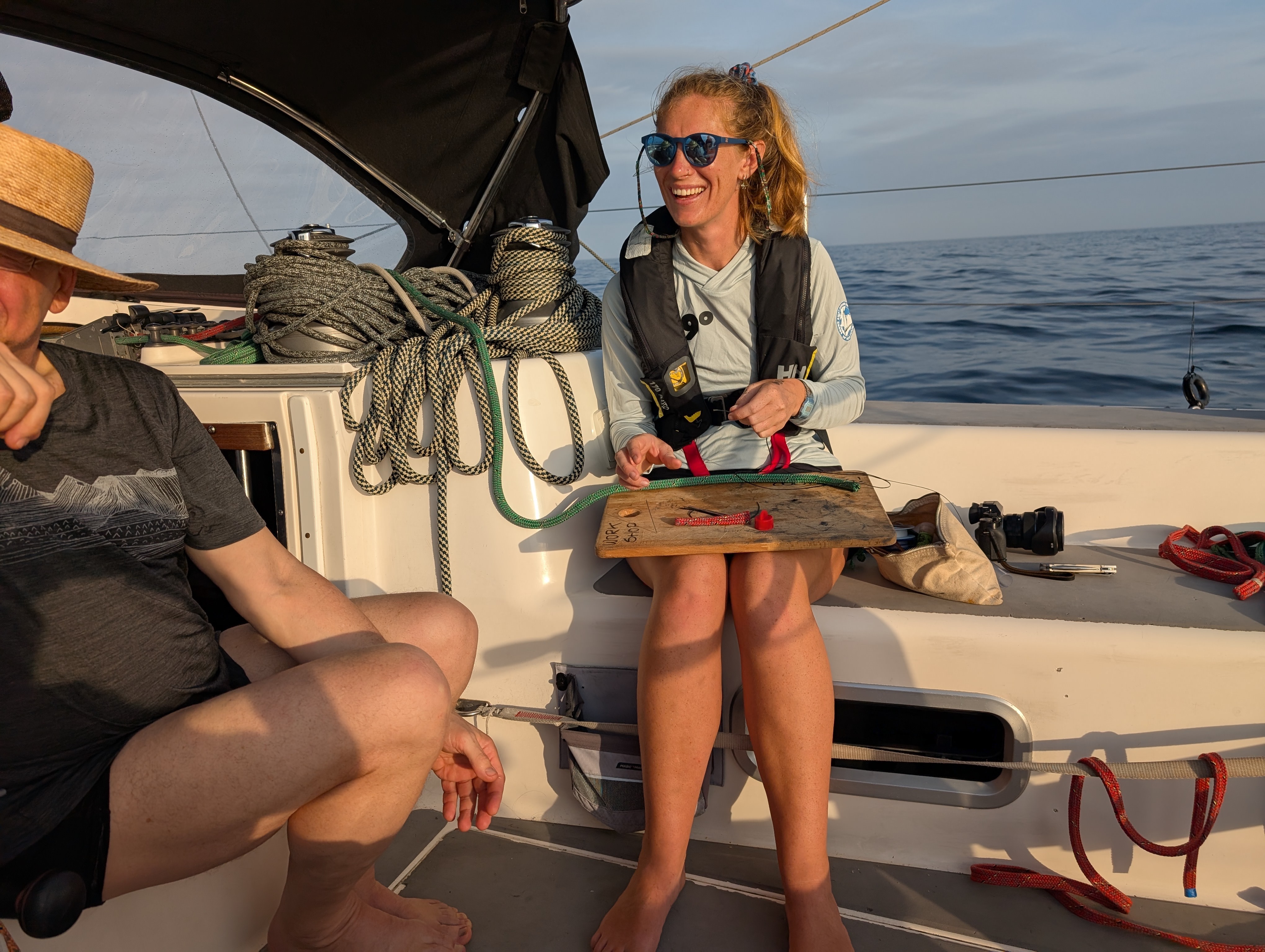
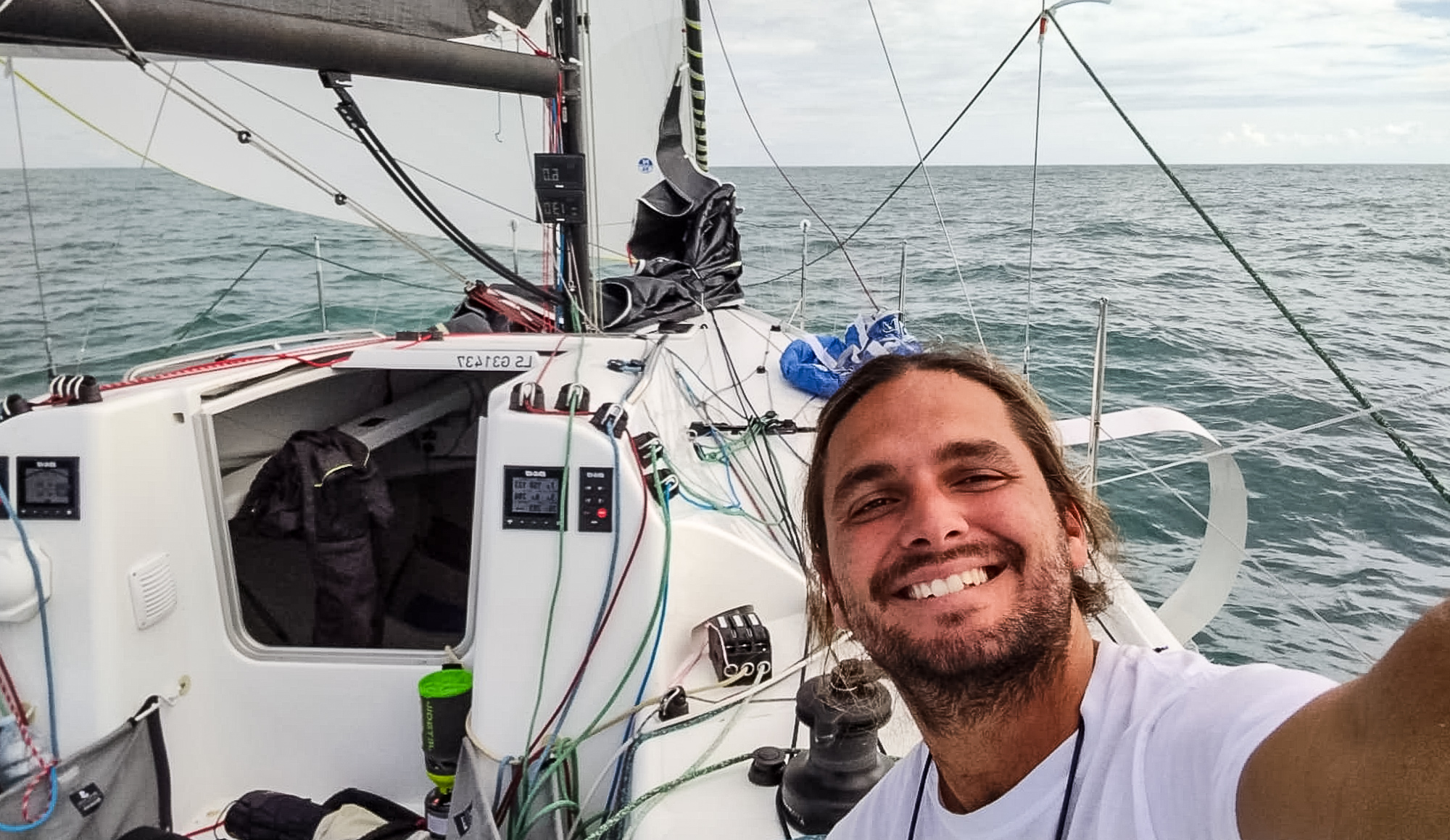

The Passage
Rough itinerary
All 59º North passages are very much subject to weather. We pick our routes based on the "correct" time of year to be sailing in the different regions we visit, and we always build-in enough time to give us some margin for weather windows. The skipper has final say on departure dates and weather windows, but generally speaking, the intinerary for this passage will look like this:
TRAVEL LOGISTICS
Playa Flamingo
Weather conditions
In-depth analysis, by WRI

WHY 59º NORTH?
ambitious sailing schedule
The best boats
Professional, well-paid staff
knowledge & community
Why it costs what it costs...
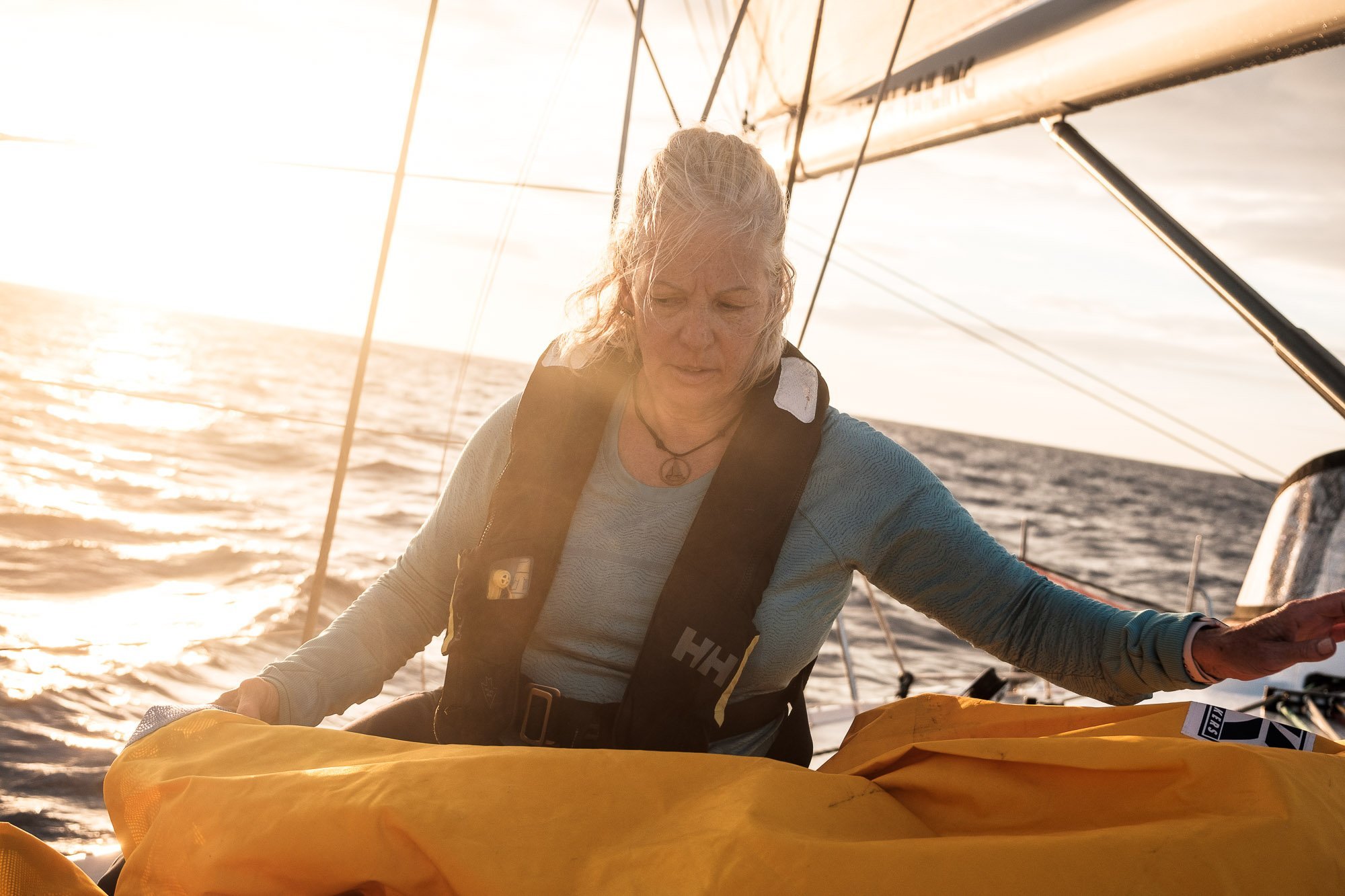
"At 65, I was anxious about my first ocean passage from Antigua to Bermuda, but 59º North provided a unique opportunity to experience the magic of passage making while learning new skills. Mia Karlsson was inspiring and supportive while sailing FALKEN and cooking amazing meals, and Captain Chris Kobusch brought a wealth of knowledge and experience. This was truly the experience of a lifetime."

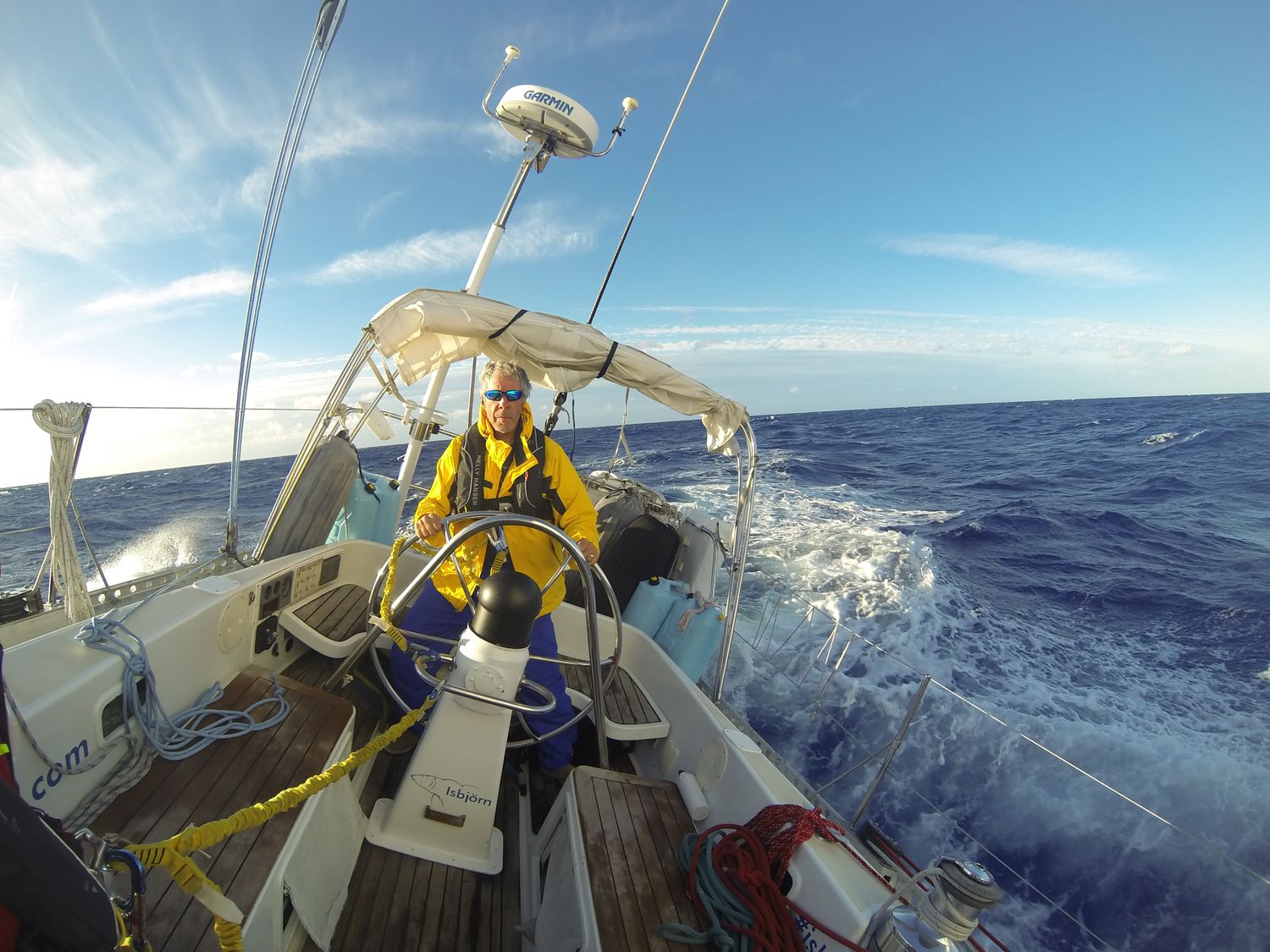
"If you are thinking about reefing—reef! The same logic applies to sailing with Andy and Mia: if you are thinking about sailing with them, stop thinking and GO! Andy and Mia are great sailors, leaders, teachers, cooks, and warm, intelligent, accepting people. No matter how many blue water miles you have under your keel, you will be a better sailor after your trip on ISBJØRN."
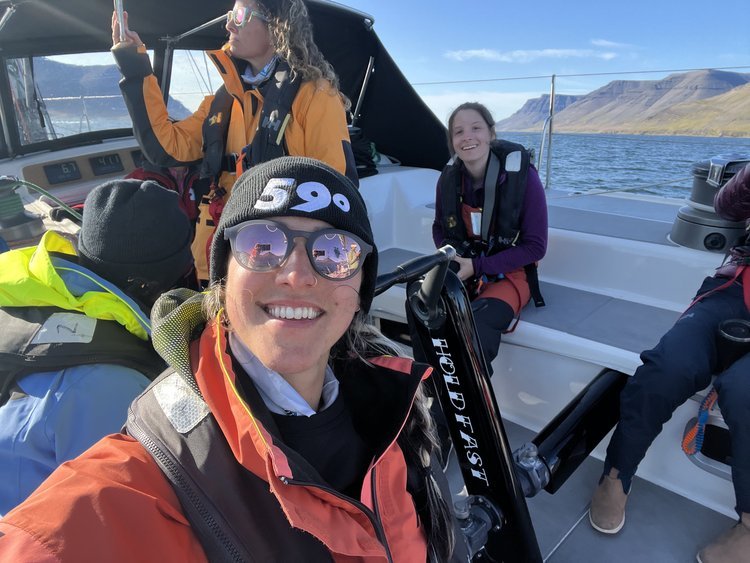
"Gathering with 10 other like-minded women aboard FALKEN was amazing! I learned more than I ever expected from Nikki and Emma. Being 'allowed' to mess up and actually learn from your mistakes without anyone getting stressed was freeing! I'd recommend this trip to any women with a desire to sail."
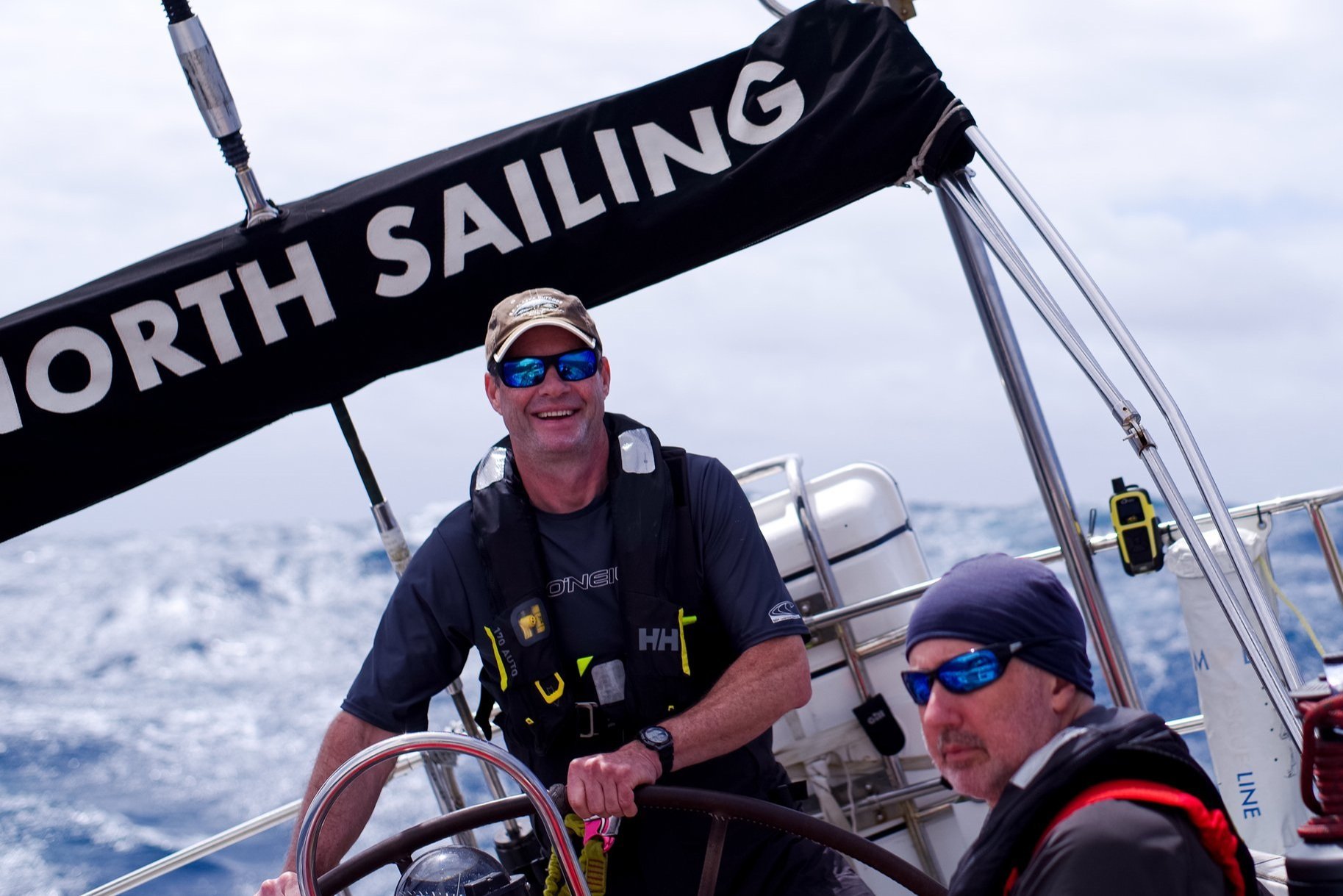
"Before 59º North I didn't know my bowsprit from my binnacle and suffered from low sailing esteem. After two weeks of 59º North, what a difference! As a longtime podcast listener, I arrived for my Bermuda to Horta transatlantic with high expectations, and they were all not just met but exceeded. I could not imagine a skipper and mate more professional and enthusiastic than Andy and Emma."
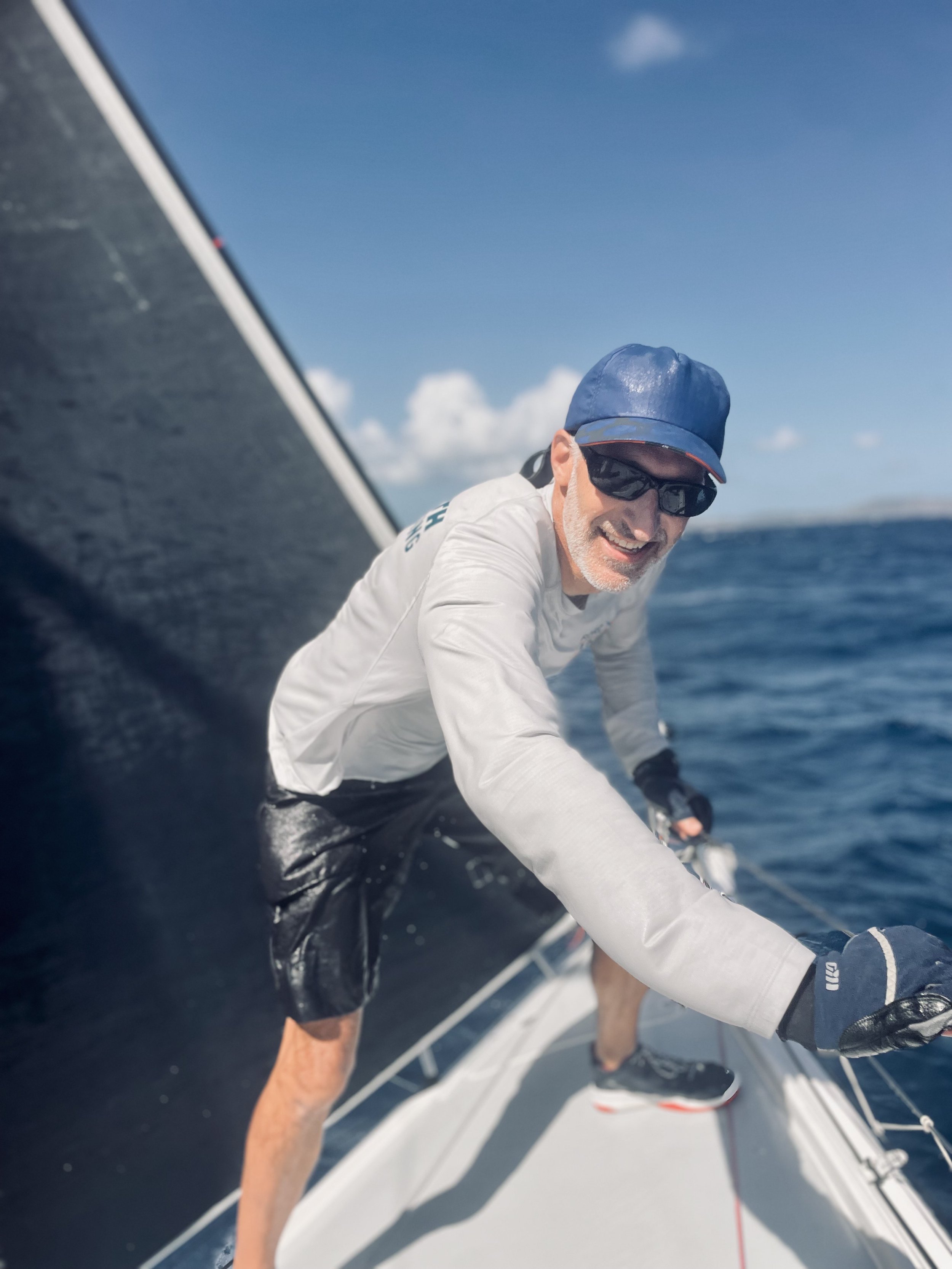
"Cruelling and unforgettable! I knew I would be inspired by Nikki and Alex—true professionals—but it was the inspiration I took from my crewmates that will stay with me for a lifetime. As a blue water cruiser, this experience definitely made me a better ocean sailor!"
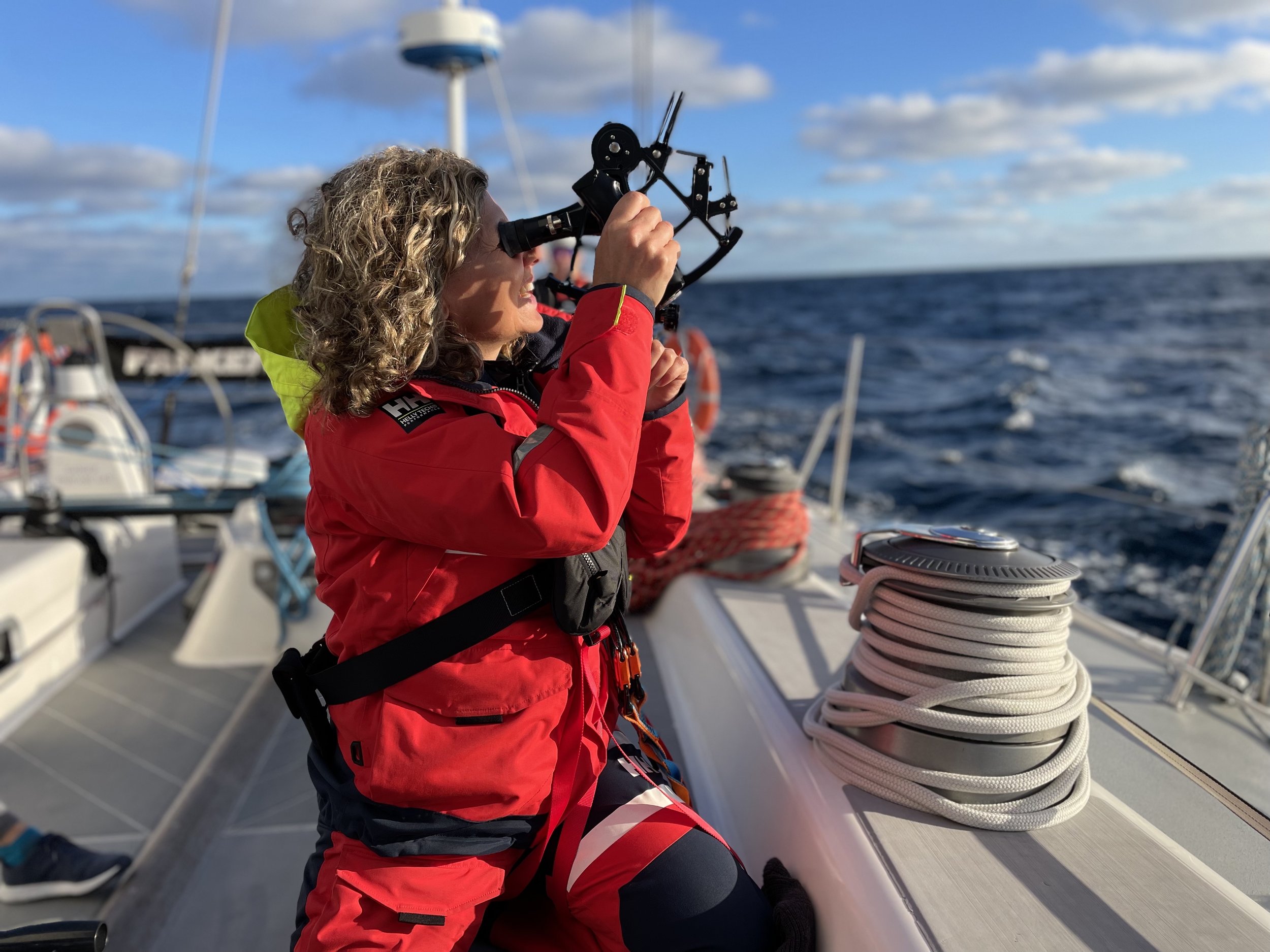
"Huge thank you to the 59º North Team, especially Captain Emily and First Mate Mia, for taking me and our crew safely across the Atlantic Ocean. A daunting dream turned into an amazing reality under the expert supervision of a skilled and experienced team, on the beautiful, fast, and well-equipped boat, FALKEN. I feel very grateful to have met and worked with the wonderful, international crew aboard. I learned so much and I'll be back for more!"
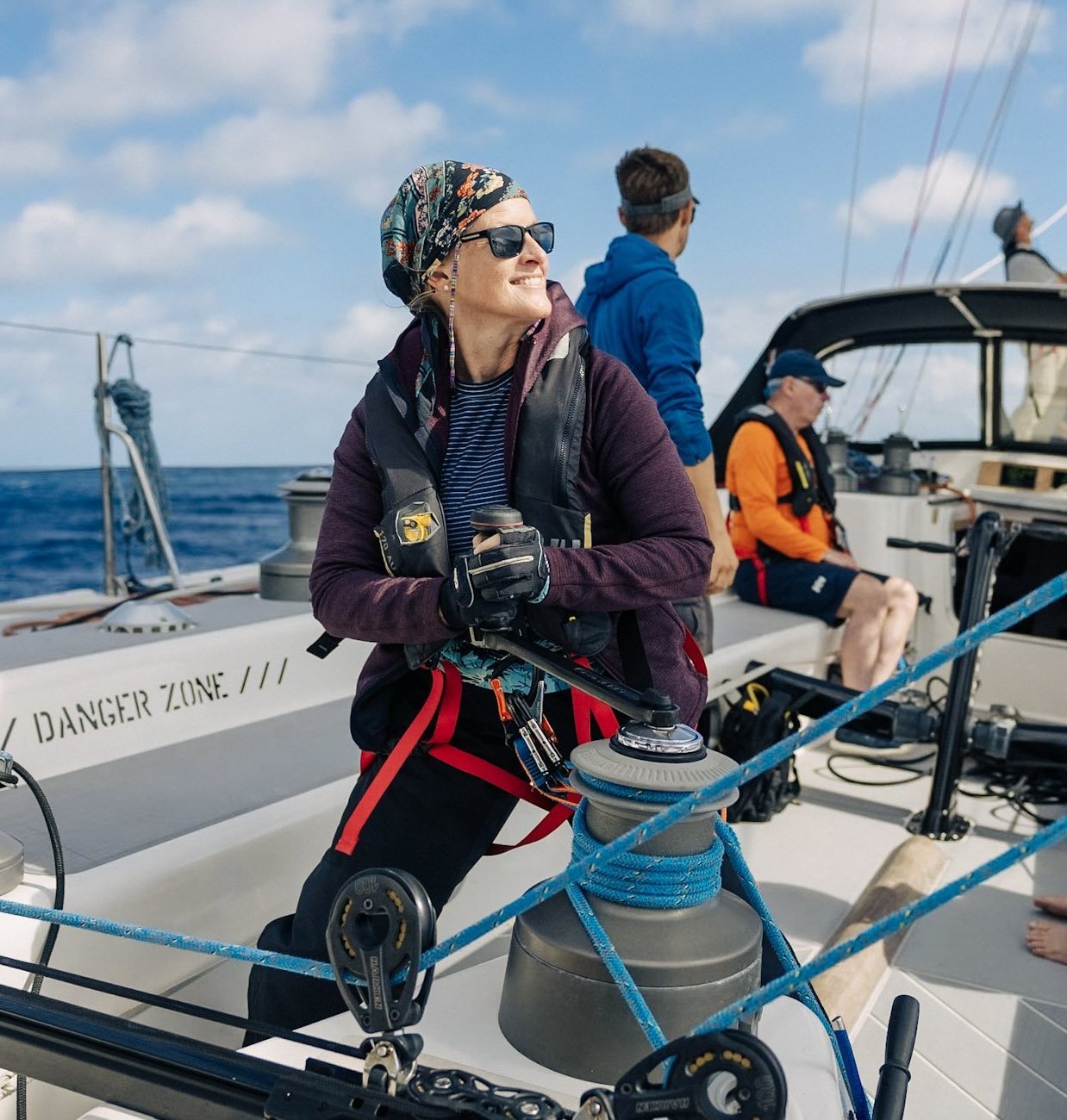
"As this was my first major passage, I wasn't sure what to expect. You have to have a lot of respect for people who choose offshore sailing for their profession. Erik and Ben were top-notch professionals, and my experience with 59º North was great!"
THE BOAT
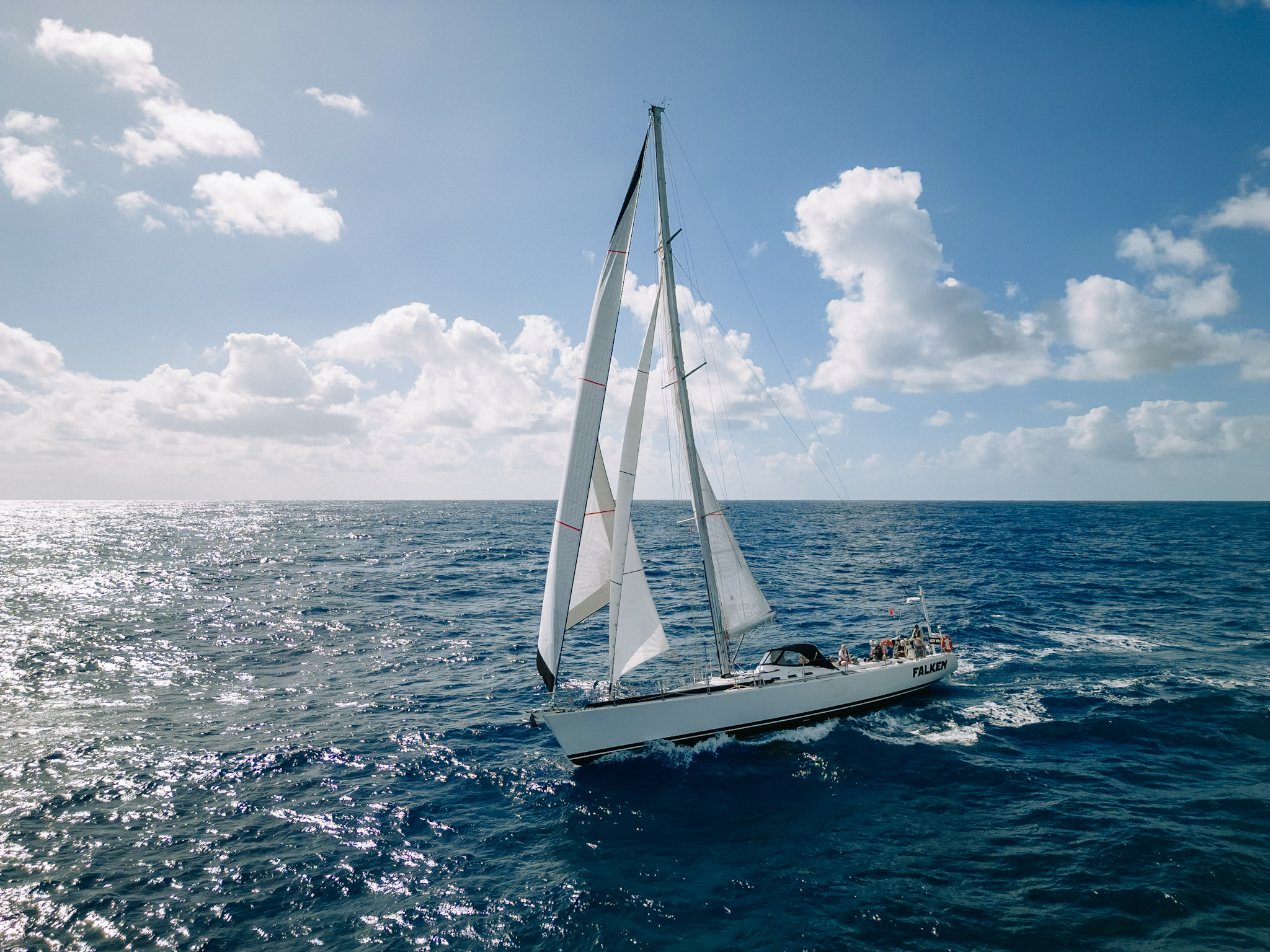
Farr 65
'
FALKEN
'
🇬🇧
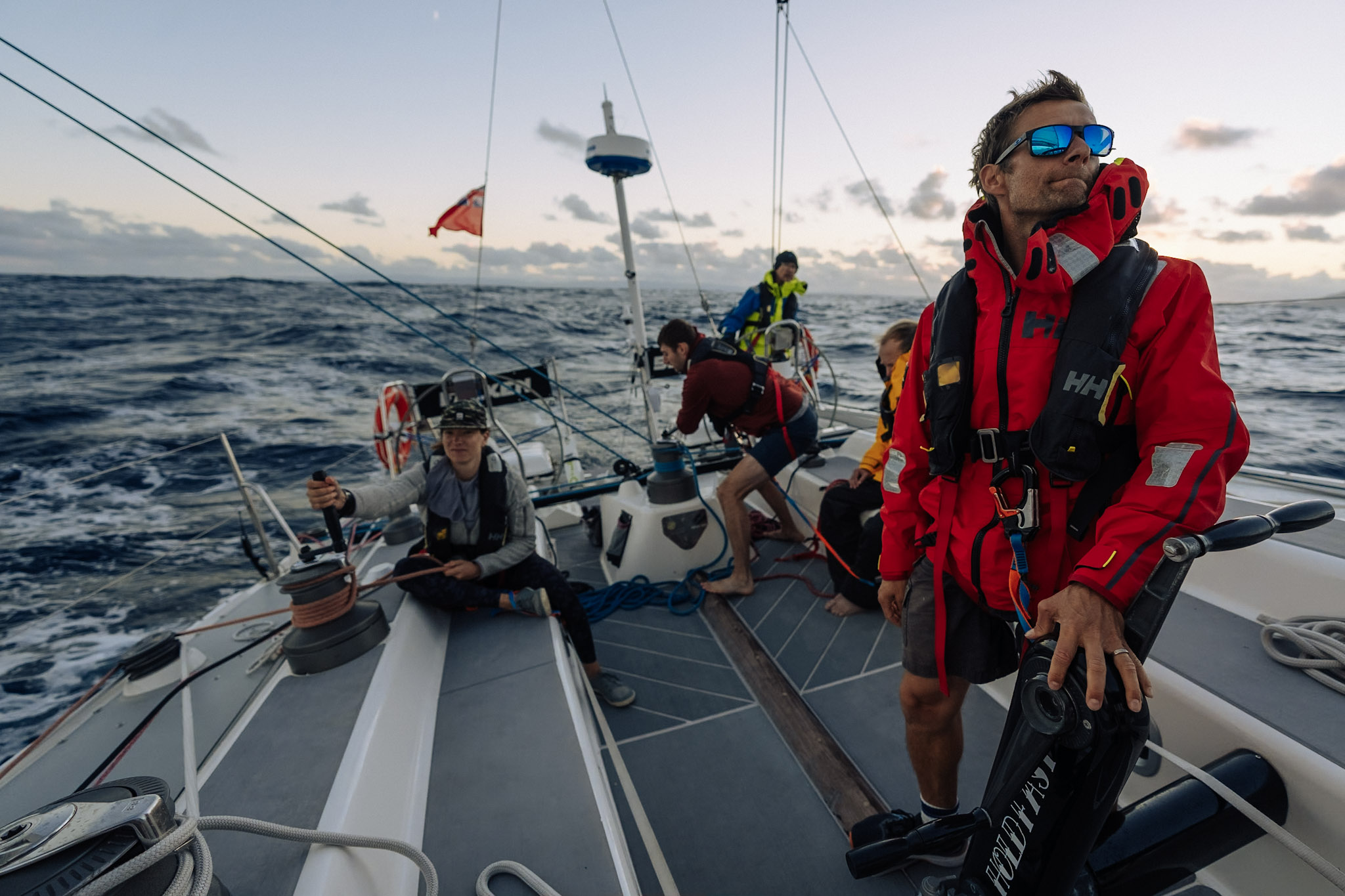
FALKEN is ideally set up for long-distance offshore sailing. We fully rebuilt the boat in 2022 to our exacting specifications and with the help of legendary yacht designer Bob Perry. She's comfortable belowdecks and each crew has their own dedicated sea berth & gear locker. On deck she has a huge cockpit which easily seats 10 people for our daily meals offshore, and allows for plenty of room to move about when handling lines and trimming sails. She's also easy to maintain, fast and fun to sail! FALKEN sails with 8 crew plus a Skipper & Mate and the occasional apprentice.
packing lists & notes
Packing Notes
Start here when planning your packing for sailing with 59º North. This list includes the general basics for all of our passages. The passage-specific packing lists offer more details.
Tropical Coastal Packing List
A hot-weather passage, but not as gnarly as some of the longer offshore passages, so you can pack less and pack lighter gear (good rain jacket instead of heavy foulies, for example).