Crossing 50 North Latitude

Crossing 50 North Latitude
Quarterdeck source: https://quarterdeck.59-north.com/posts/falken-leg-10-2023-newfoundland-%E2%86%92-greenland-%E2%86%92-iceland
Import identity: quarterdeck:40062996:section:10
Original heading: Day 4, August 1 // Crossing 50 North Latitude
Import batch: Greenland 2026-11-27. Passage matched by boat, year, leg and route; author matched to the voyage roster. Original source HTML preserved locally.
IMAGE REVIEW: no photograph embedded in this section; imported without a hero.
Day 4, August 1 // Crossing 50 North Latitude
What a day. For about 900 of the 1,300 miles we sailed from Annapolis to Newfoundland FALKEN was shrouded in heavy fog, the sky condensing in the rigging and raining down on the cockpit crew. The helmsperson had it worse, standing under the running backstays which just drip-drip-dripped for the duration of your stint at the wheel.
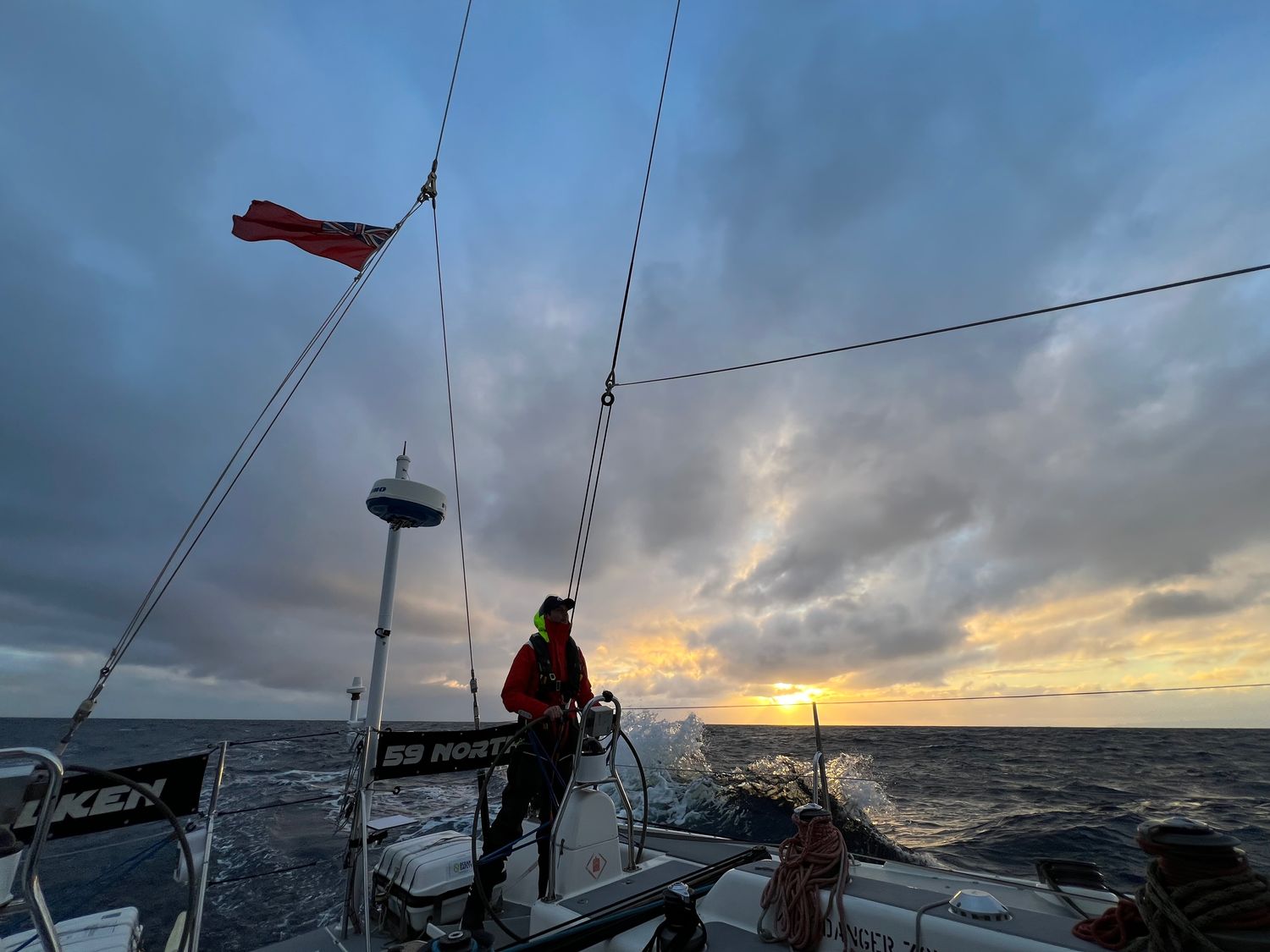
Not so today, or since we’ve left St. John’s. FALKEN is beam-reaching in sun-soaked clear-skies and the boat is dry inside and out. The wind started filling in from the SE around 0800, right on cue as per the latest GFS weather model, and we’re bang on our rhumb line, pointing for Cape Farewell and sailing fast on a smooth sea.
I’ve got the 0800-1400 watch today and have been focusing on setting up the boat for the conditions, and doing myriad odd jobs while it’s calm. James explained the work we did in yesterday’s blog in the rope locker and the bilges. Today we focused on deck.
First priority was securing the reef lines to the boom from sliding forward. FALKEN’s boom has no hardware on it at all, save for the little Rutgerson padeyes I installed in Lunenburg for the lazy jacks. This is on purpose — hardware on the boom, especially on the bottom off the boom, interferes with the spinnaker sheets. A smooth boom allows the spinsheet to slide back and forth. A smooth boom also makes for less things to catch the sailcloth on when doing a typical ‘letterbox’ drop, whereby you pull the spin through the slot made between the foot of the mainsail and the top of the boom.
All that is fine and dandy except for the reef lines. They come out around sheaves at the back of the boom, up to the leech of the sail and through external low-friction rings, then down to the boom where they loop around the boom 1-1/2 times before tying off with a bowline. These loops are slack when there is no tension on the reef lines — ie when the sail is fully hoisted — and tend to slide forward on the smooth boom and out of position. Then, when it comes time to tuck in a reef, the lines end up too far forward, not allowing enough aft pull on the new clew and making it impossible to get enough tension in the foot of the sail. When reefed especially you need a flatter sail (less drag). Anyhow, I made a simple fix by splicing a length of 5mm dyneema to the mainsheet padeye, then running it forward and around the reef loop on the boom, lashing it in place so it can’t slide forward. I did a lashing for each of the reef points. It took all of 5 minutes and leaves the boom clean of hardware.
The next project was re-leading the jib sheets outboard and forward. We changed to the AP/upwind jib back in St. John’s (“AP” as in ‘All-Purpose’), a sail which is more versatile on a variety of wind angles, but which isn’t as ideal for reaching and running as the jib-top, which we’d had on since Annapolis. But, with more upwind sailing in our future as we approach Greenland, we opted not to change it, then have to change back again.
Speaking of the forecast…it looks really great! But also has some routing challenges for us. The SE’ly we have now is the eastern-most side of a large area of low pressure forming over Labrador. As this moves off to the NE, the wind in our quadrant will veer first to the S, then further to SW. Behind the low is a distinct windshift to the WNW.
Right now we’re on starboard tack, but as the wind veers, eventually we’ll need to jibe. The timing of this jibe is important — ideally I’d like to jibe in daylight, especially since the crew has yet to jibe the boat, so it’s just easier to teach it; but if we jibe too early, we’ll be headed back into the zone of icebergs coming down the coast of Canada on the Labrador current. Furthermore, if I jibe too late, we’ll wind up sailing right into the center of the low, making for wonky winds and an uncomfortable sea state.
So our strategy revolves around a few factors: timing the jibe in daylight; waiting long enough before jibing to get beyond the iceberg limit; and then heading far enough NW to get in behind the low and hook into the WNW’ly breeze west of the rhumb line in order to play the angles on the final approach into Greenland. If we end up too far east, we’ll be beating back into this breeze on final approach — but if we jibe early enough, we can get west of the rhumb line and beam-reach our way in on final. It might not be the fastest route to Greenland, but it’ll be the most comfortable.
As I write the crew is completing the daily watchkeeping chores — I’m in charge of cleaning heads, but the rest of the crew cleans the galley, cabin sole and scrubs the cockpit daily. A clean ship is a happy ship, and right now we’re all glowing.
HOLD FAST!
// Andy
Andy Schell
View more passage logs
El Niño
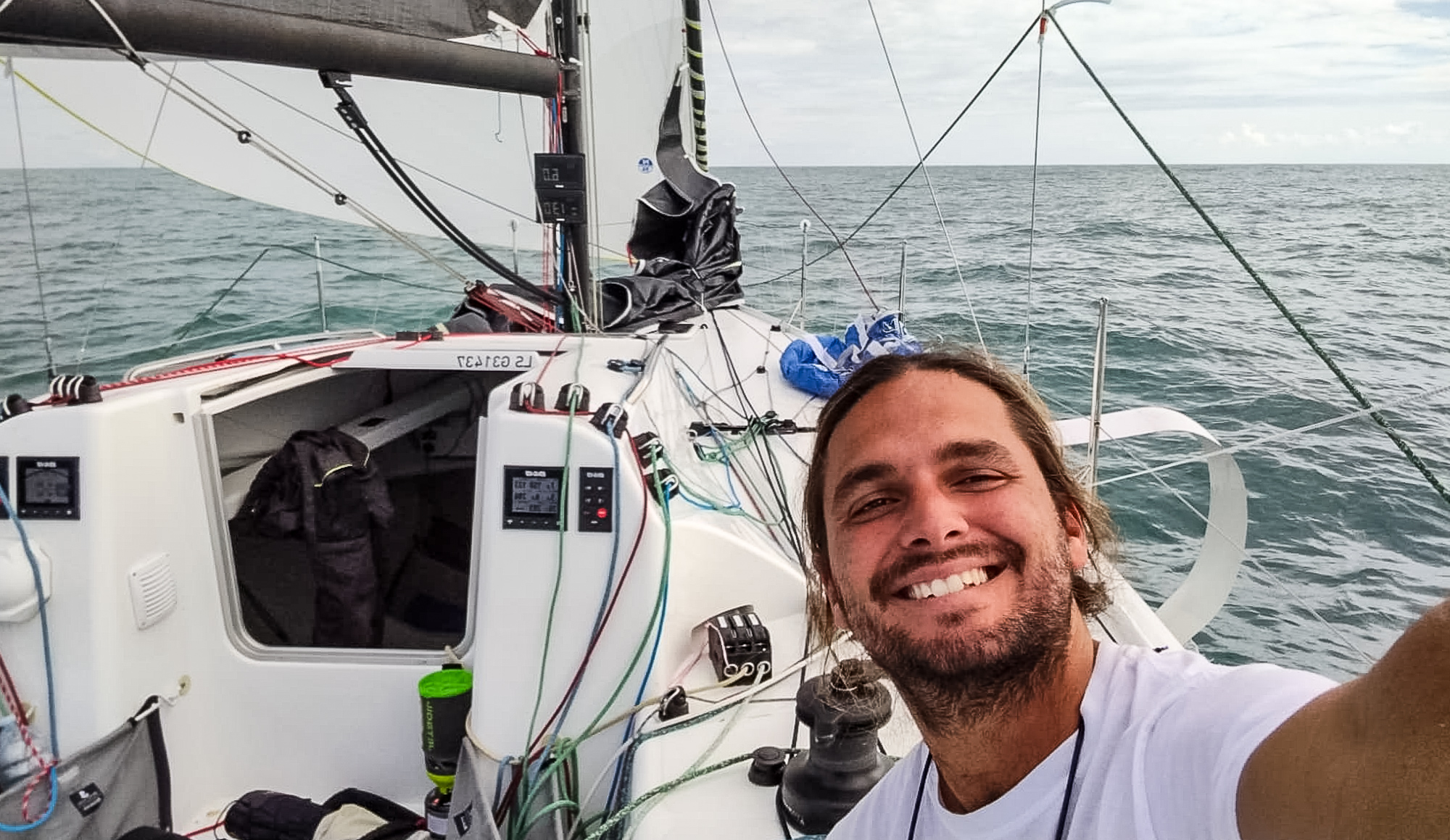
Nordic Falken and her crew have been on a rollercoaster ride since our departure from Ensenada on Wednesday, hence the lack of blogging! This trip has been dictated by the strong effect of El Niño in the area, making our weather routing tricky but fascinating. Once in the Channel Islands, we had to hide all of Thursday sailing between the California coast and San Clemente island due to a huge pulse of swell on the outer islands. It has been full on learning and we’ve played with emergency steerings, drogues, spinnaker poles, changing headsails, spinnakers, sextants etc.
HMS Night Watch Party
Wing on wing worked well until the wind shifted then the helm became the cone of despair for our night watch crew of three (H, M and S) Alex made the decision to drop the pole, shifting wing on wing to a close reach. Wind increased to low teens and speed picked up to a flying pace. Day spent wandering toward Ensenada. Alex, Adam and David got us into port under another starry night.
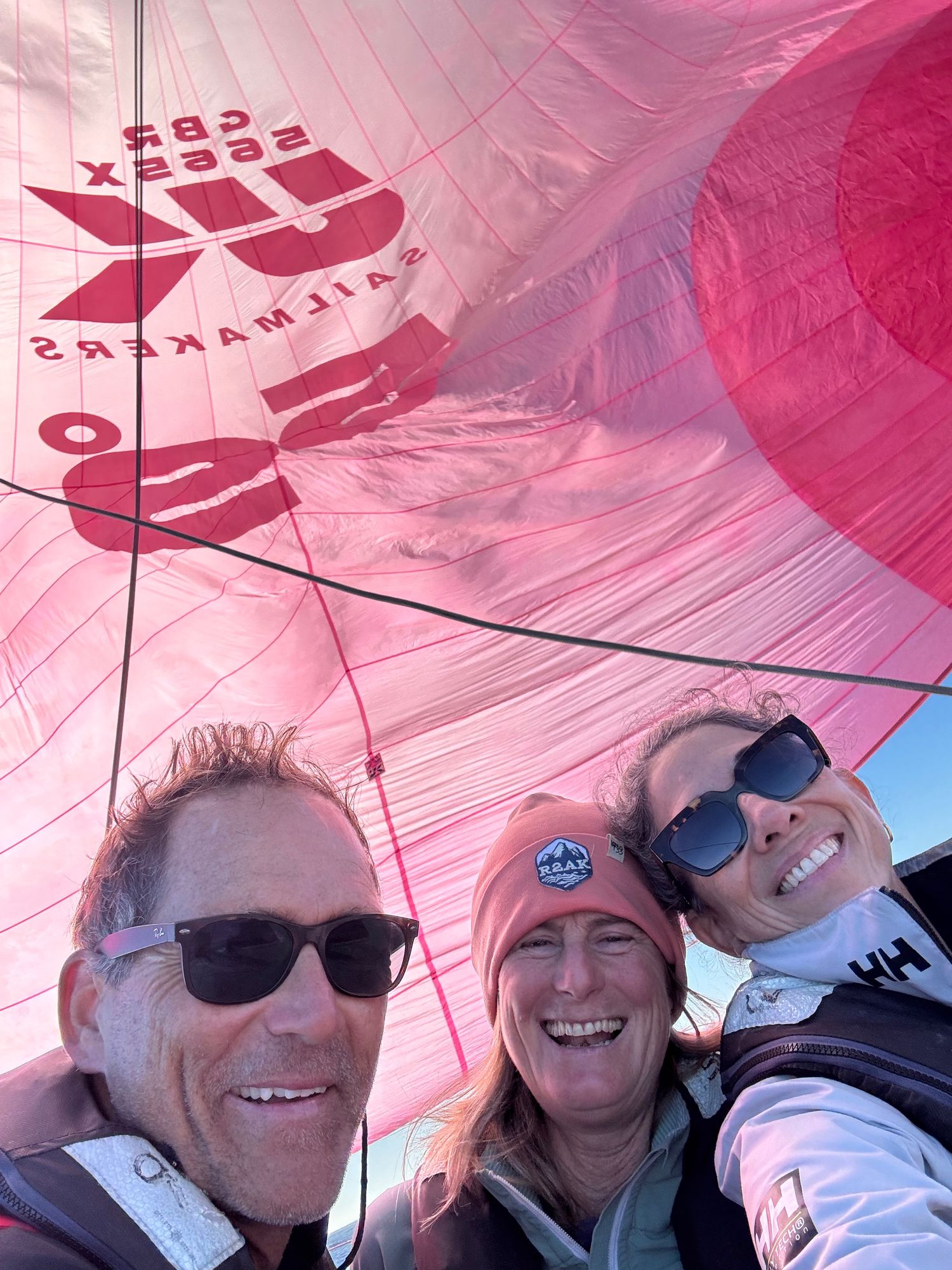
No Kitemares Today
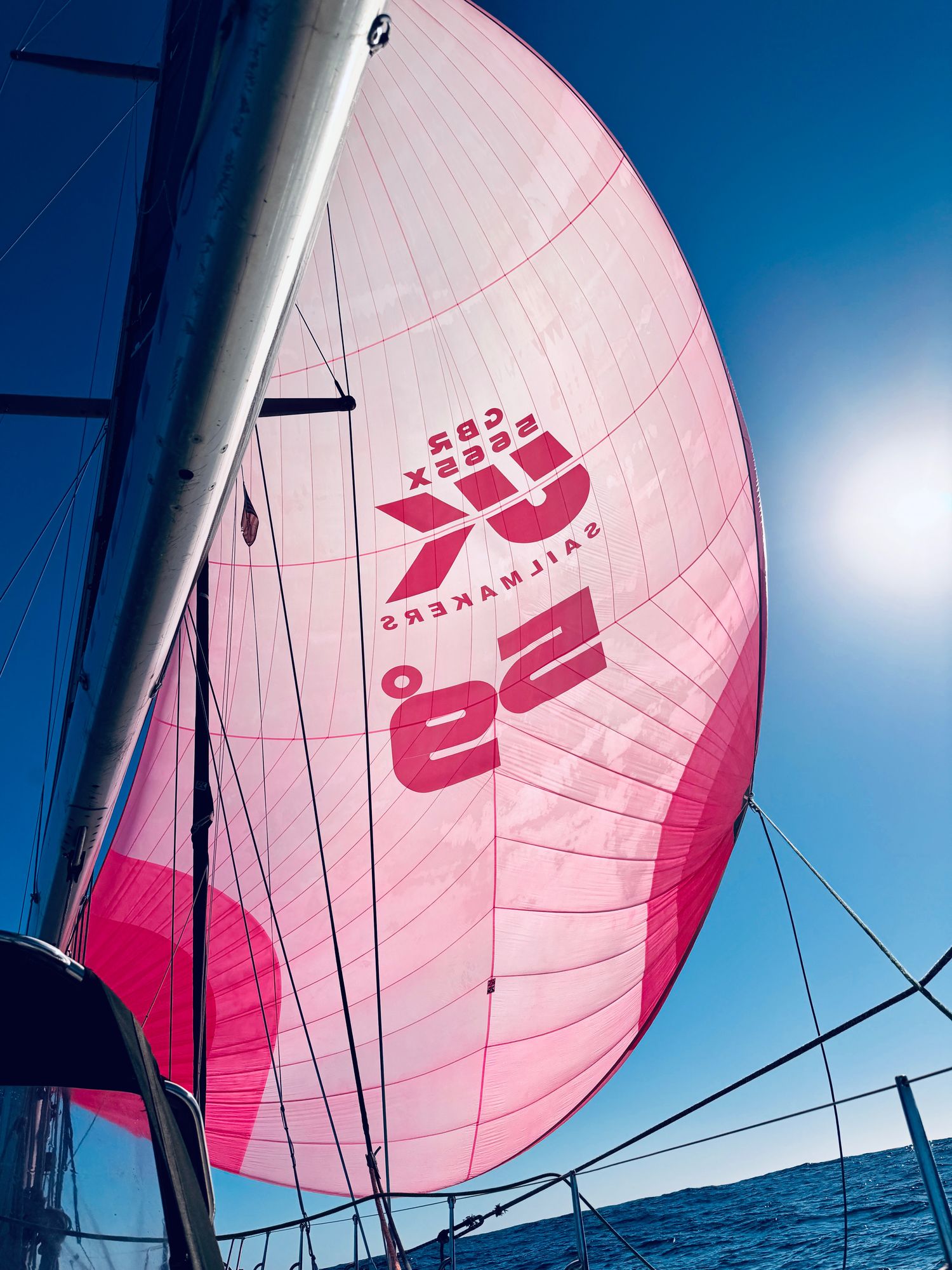
After a night marked by sudden wind accelerations peeling off Point Conception, and a vibrant, pulsating sky blistered with shooting stars, the off-watch woke to commotion on the foredeck. The wind had gone light and the swell had tapered just enough to raise the spinnaker. The sail filled with an urgent pop, the sheet strained and Falken charged down the face of the next wave. By mid-day, we doused the spinnaker and set our minds to the more precise task of safely punching through a gap in the notorious Cortez Bank. The border to Mexico looms ahead.