2027-4 | FALKEN | Panama-Providencia-Cayman Islands
(Note that we offer a % discount if you pay by cash/bank transfer.)
FALKEN starts her Atlantic season in earnest and gets some new landfalls in on this first passage. If you zoom in on Google Earth, you'll find a small group of islands that sit more or less on the rhumb line between Panama and Grand Cayman. "What's that?!" we thought, when planning the passage. Providencia, a small Colombia outpost in the middle of the Caribbean Sea and an irresistible stopover en route to Grand Cayman!
The Passage
Rough itinerary
All 59º North passages are very much subject to weather. We pick our routes based on the "correct" time of year to be sailing in the different regions we visit, and we always build-in enough time to give us some margin for weather windows. The skipper has final say on departure dates and weather windows, but generally speaking, the intinerary for this passage will look like this:
March 2, 2027
Crew arrive to FALKEN at 1300 in Shelter Bay, Panama. FALKEN orientation followed by crew dinner. All crew stay onboard FALKEN.
Prep Days
Between the joining and departure dates, all pre-passage preparation, provisioning, and safety briefings will be completed. The specific pre-departure schedule will be outlined and posted onboard FALKEN by the skipper.
March 4, 2027
Scheduled departure, weather dependent.
March 9, 2027
Latest date (12:00 noon) for crew to depart FALKEN from Grand Cayman, Cayman Islands.
TRAVEL LOGISTICS
Shelter Bay
Grand Cayman
Weather conditions
Expect a warm, tropical passage with steady trade winds at your back—generally settled and pleasant sailing, though the Caribbean can get lively at times, so you'll likely have a brisk, downwind romp with plenty of sunshine.
In-depth analysis, by WRI

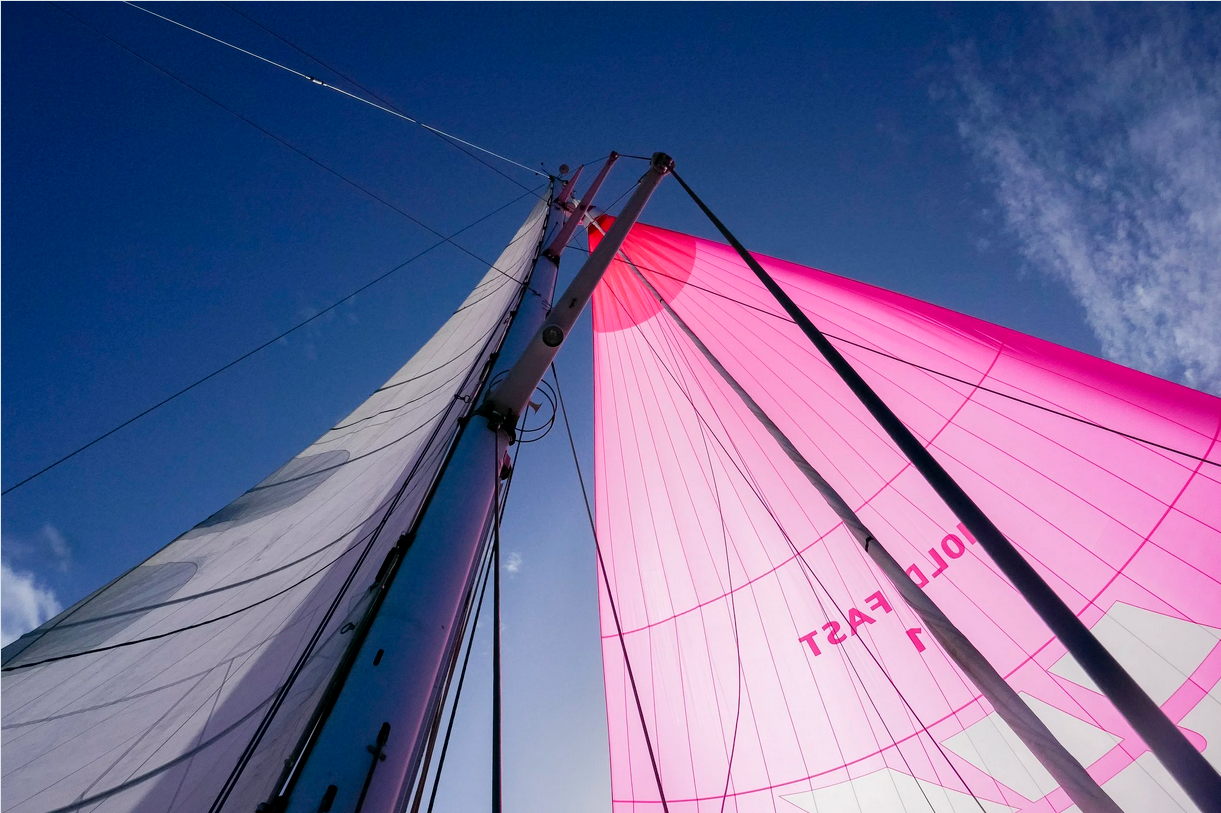
WHY 59º NORTH?
ambitious sailing schedule
The best boats
WOMEN BUNKS GUARANTEED
Professional, well-paid staff
knowledge & community
Why it costs what it costs...
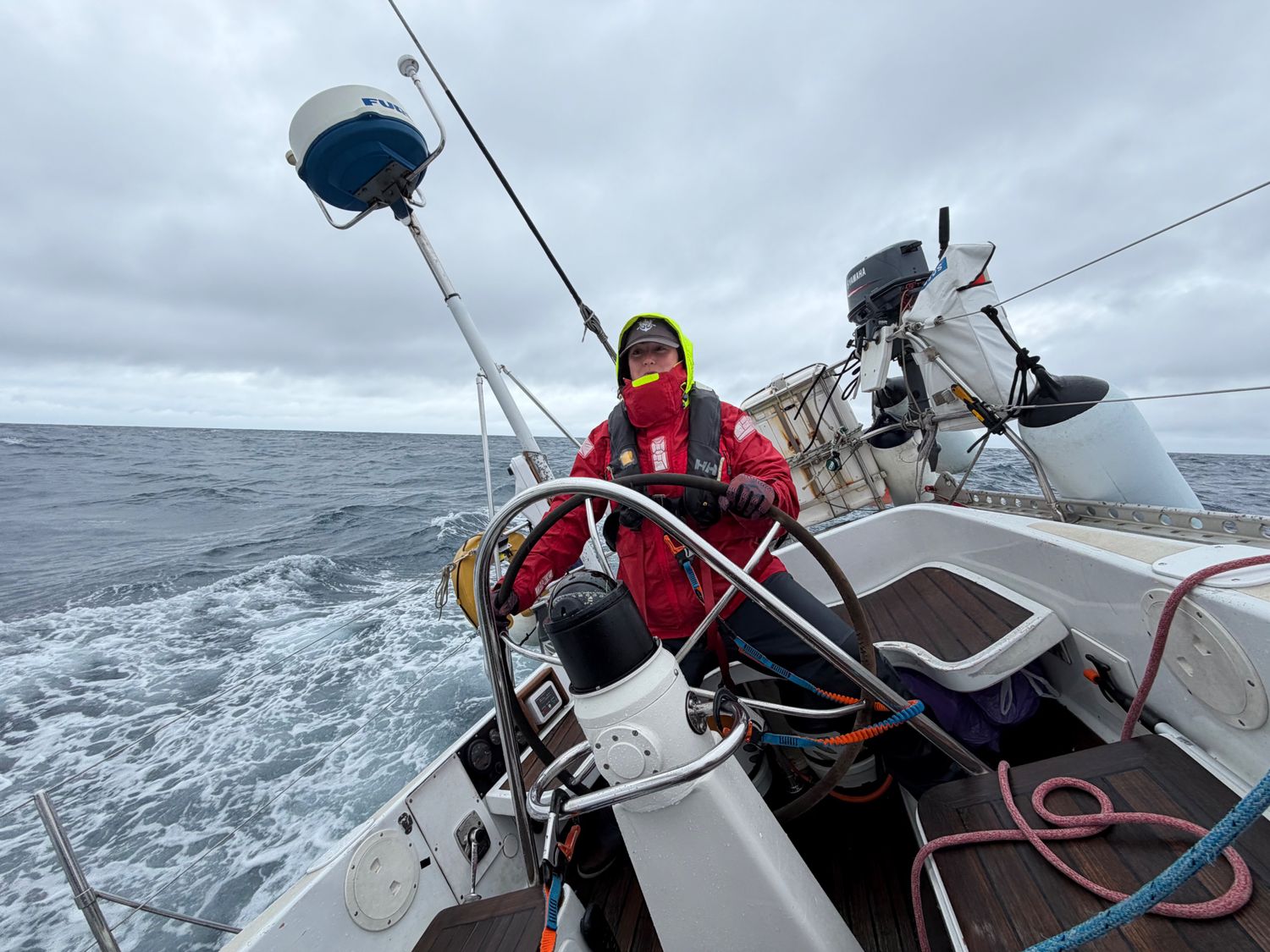
"What an incredible experience! I am so grateful to have been on the leg from Reykjavik to Stornoway over the solar eclipse. ISBJØRN is an incredible ship—sturdy, safe, comfortable (not to mention her amazing and somewhat scandalous history!). Feeling ever grateful to 59º North for this journey."

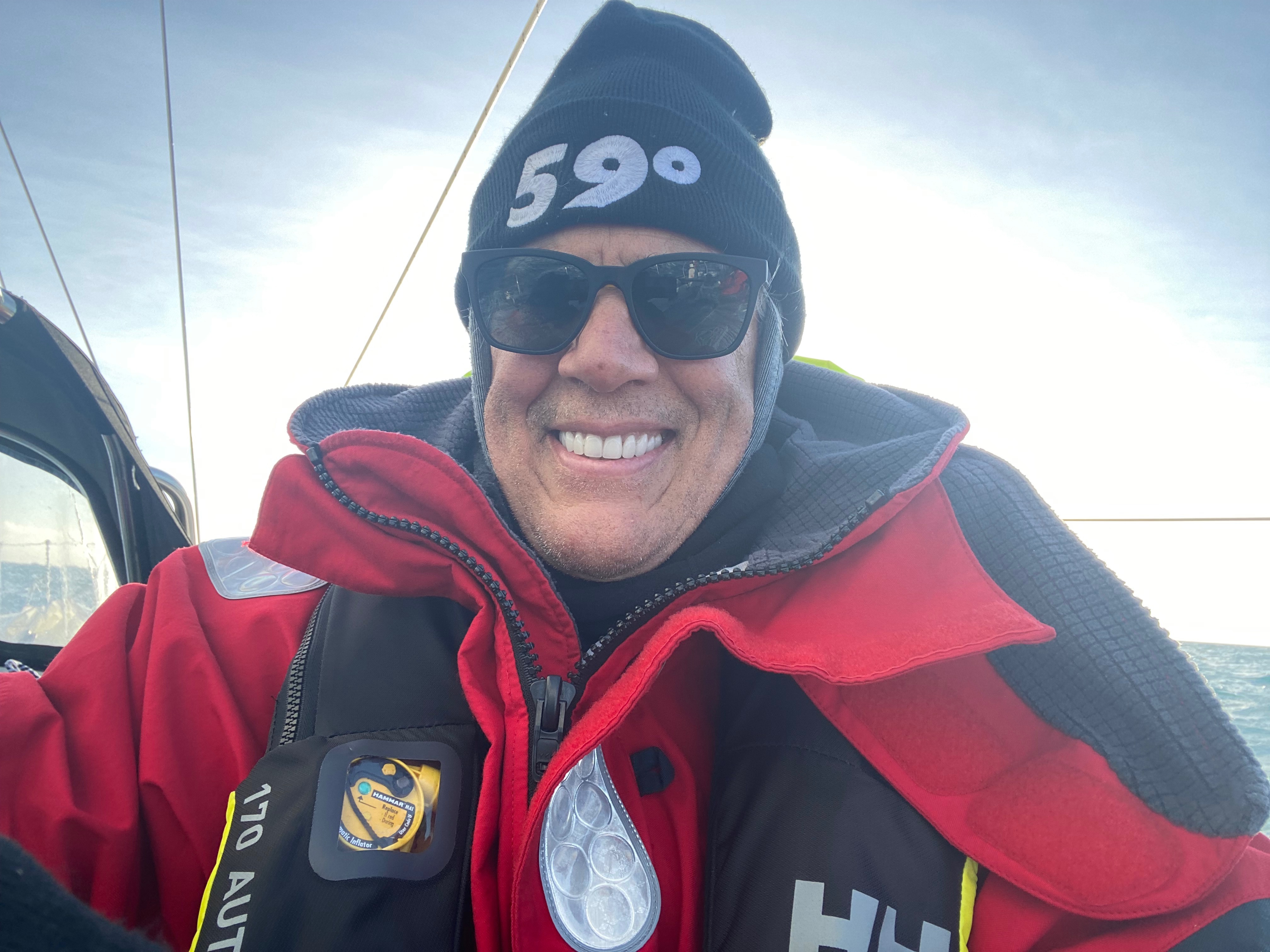
"I’ve sailed with 59º North four times—each has been a unique and gratifying experience. Sailing with like-minded folks, captained by the best in the biz, in well-maintained vessels has been the highlight of my 40-year sailing career. I’ve learned so much about sailing and myself on my 59º North adventures."

"In 11 days on the North Sea with a crew of 9 women, 59 feet of boat, 1350nm, and two episodes of heaving-to, we gained experience that would take years to acquire alone. The mentorship, leadership, training, and kindness from the crew at 59º North helped us become better sailors by leaps and bounds. Sharing this journey with sailors from around the world was pure joy, and every passage with 59º North is a legacy of knowledge we benefit from."
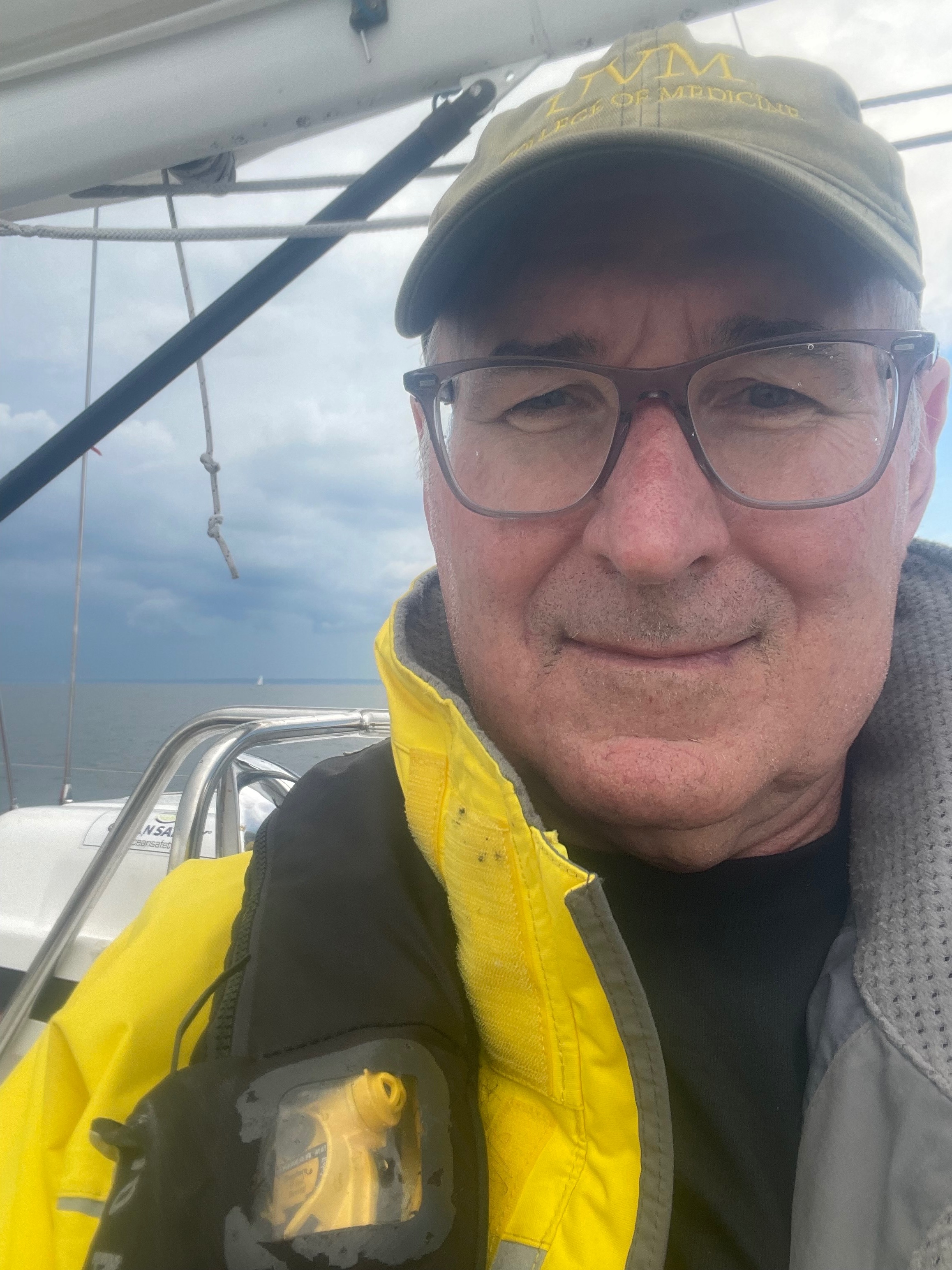
"I have been sailing for 60 years, mostly as an inshore one-design racer, and had never had the right boat, expertise, or opportunity to go far offshore. The Annapolis to Bermuda passage on ICEBEAR far exceeded my expectations—the skipper and mate were very knowledgeable, and ICEBEAR is a solid, sea-kindly vessel that is surprisingly fast in light air. Our crew of seven strangers became a cohesive, friendly, and competent group, and I’m grateful I got to put into practice the celestial navigation knowledge I gained from Andy and Mia’s 2020 seminar. I hope to make another passage with 59º North in the future."
"The experience was more than I hoped for in every way. I felt completely at home on the open water in our mighty vessel and with a wonderful crew that quickly became family. All of the staff at 59º North were kind, professional, fun, knowledgeable, and friendly. I will be back!"

"I'm still processing everything I saw, felt, learned, and experienced over those 17 days, but there are a few things I wanted to express before the land sickness wears off and I return to my landlubber life. Your Skippers and Mates created an environment of calm, comfort, and confidence that washed away any apprehension I had about joining seven strangers on a 1600-mile round trip. I am blown away by their depth of knowledge, not only of sailing but also in teaching a crew of widely different experience levels without a hint of condescension. I would not hesitate to sail with them again, and we're already scoping out future dates on the cal."
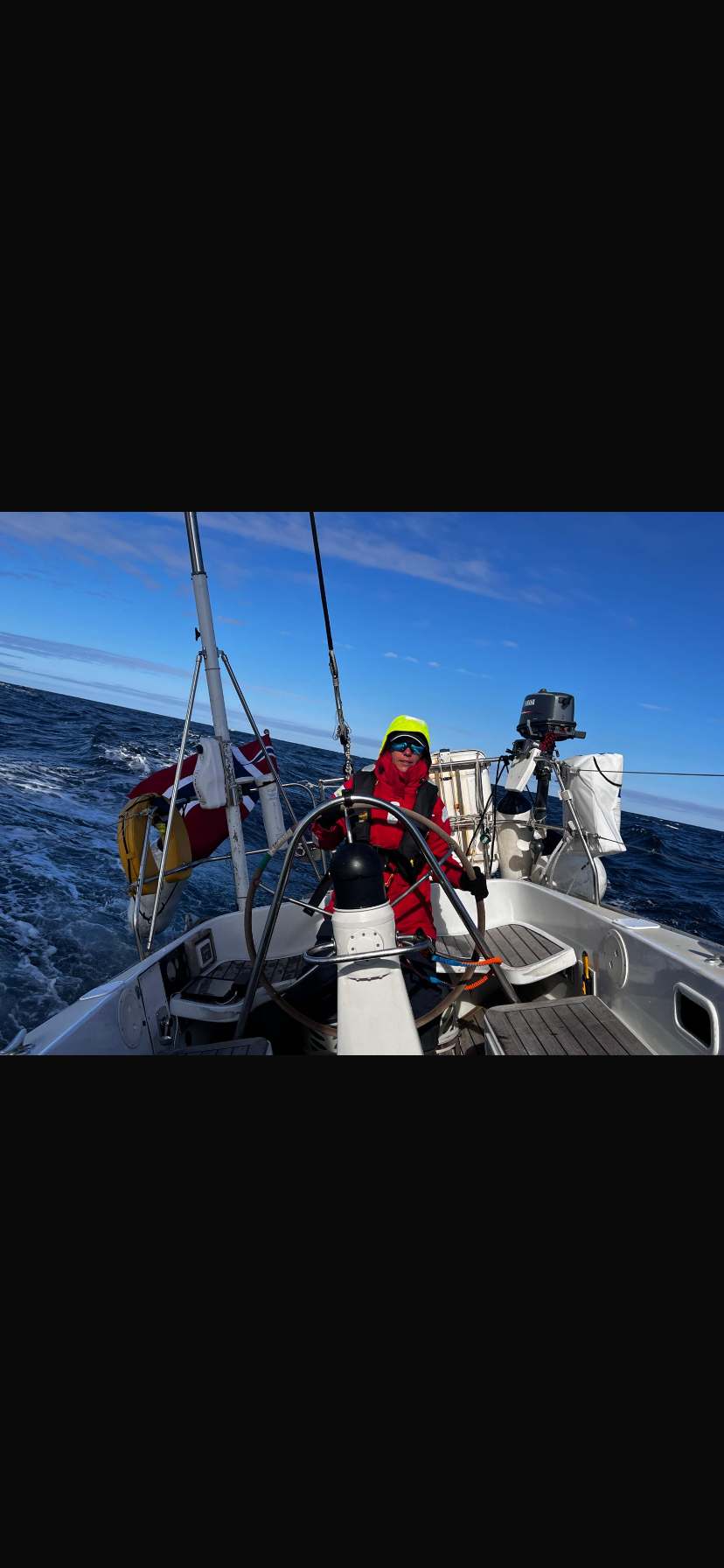
"I had always wanted to do an ocean crossing but never felt comfortable doing it myself. Experiencing a bucket list item with 59º North was deeply special and has me considering how I can design my life for more adventures like this. Thank you for creating 59º North and allowing others to experience the magic of the seven seas!"
THE BOAT
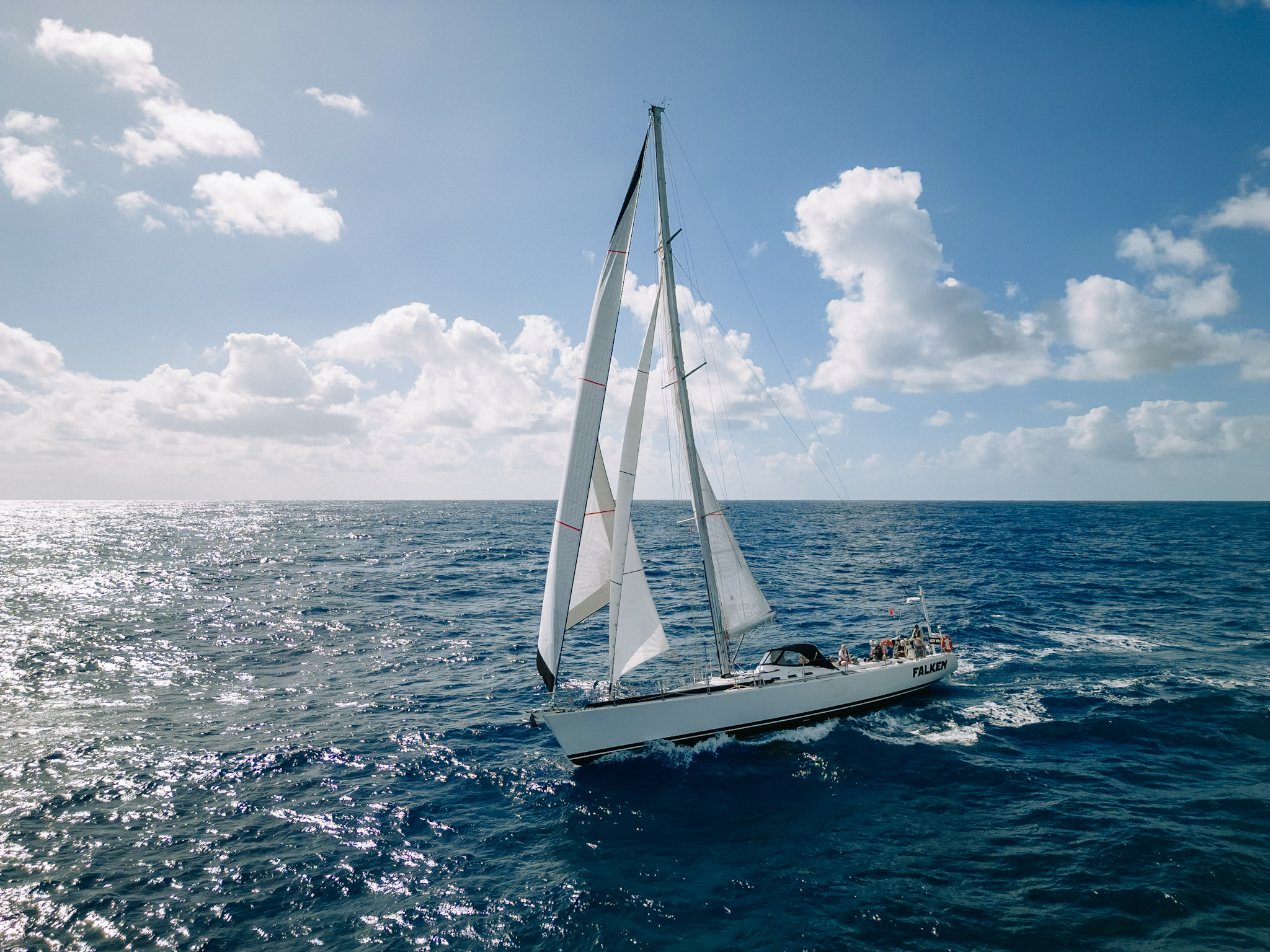
Farr 65
'
FALKEN
'
🇬🇧
FALKEN is ideally set up for long-distance offshore sailing. We fully rebuilt the boat in 2022 to our exacting specifications and with the help of legendary yacht designer Bob Perry. She's comfortable belowdecks and each crew has their own dedicated sea berth & gear locker. On deck she has a huge cockpit which easily seats 10 people for our daily meals offshore, and allows for plenty of room to move about when handling lines and trimming sails. She's also easy to maintain, fast and fun to sail! FALKEN sails with 8 crew plus a Skipper & Mate and the occasional apprentice.
packing lists & notes
Packing Notes
Start here when planning your packing for sailing with 59º North. This list includes the general basics for all of our passages. The passage-specific packing lists offer more details.
Tropical Offshore Packing List
This will be a tropical passage, so expect hot & humid conditions and light, sun-protective clothing! There's not much shade on any of our boats, so you'll want sunscreen, hats & visors. Good chance for a mid-ocean swim if conditions allow. Check the specific packing list for more details, but generally these passages are HOT!