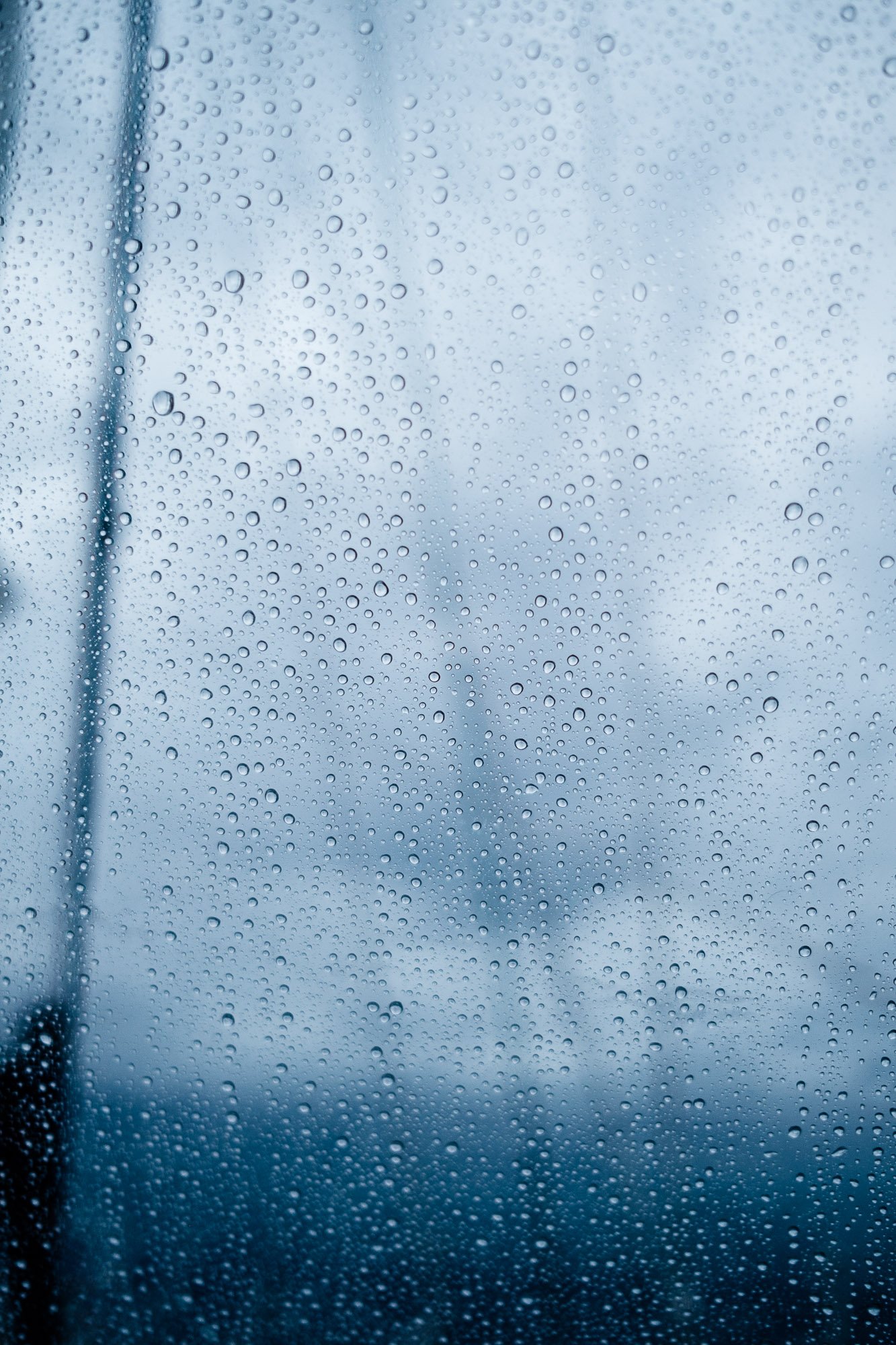
Rain
6º45’S, 106º15’W
April 13, 2130 Ship’s Time | 6º45’S, 106º15’W | Second Reef in the Mainsail & Reefed Jib Top
The word association for this passage thus far would most definitely be rain. I had read a lot about the Intertropical Convergence Zone (ITCZ) prior to this trip as a former Pollywog who spends very little time near the equator. The meeting point between the NE and SE trades, also commonly referred to as The Doldrums, is known for its distinct lack of wind and unending rain. With the help of WRI, some satellite weather images, and our trusty GRIBs, we were able to very accurately predict the point at which the wind-deprived sector ended, as well as where the Southern Equatorial Current started to give us a push.
The one thing that still continues to perplex me is the sheer amount of rain we’ve faced along the way. Five plus times a day the boat (and therefore the crew) get a very thorough freshwater wash-down. One of the watches on board has deemed itself “Squall Team 6” due to the thousands of gallons of rain they’ve taken on the chin as we enter our seventh day.
At sea, it’s no surprise that some resources are usually conserved — this can mean electricity and data — but none of that here. Our radar is running almost 24/7 with a strategy that has shifted more from avoiding the storms to just knowing where they are when all you can see outside is the compass and faint glow of the masthead tricolour. The key to forecasting which showers hit us has been looking into the prevailing wind direction and paying attention to the weather about 15-30º to the left of the true wind, the obverse of my Northern Hemisphere brain. New GRIB files are downloaded when available, but I still can’t seem to explain how far-reaching this rain has been, or if and when we’ll be out of the majority of it.
The other thing with this rain is how the majority of it seems benign—just largely wet. As an East Coast US sailor, I’m no stranger to large pop-up thunderheads and downbursts of 40kts, but the vast majority of these storms have not been this. Only on a few occasions has the rain brought the cold, dense wind (and shifts) that I tend to associate with it.
In spite of all this, FALKEN achieved a 232nm run in 24 hours yesterday, averaging 9.66kts—and all of this was just with the poled-out Yankee foresail. The crew has absolutely been sending the boat—my glow for today was how everyone is driving like they stole it. Andy and I both predicted landfall on the 25th, and every day gets a little closer to that being a massive underestimate, not to jinx anything…
All in all, so far this has been an incredible navigational learning experience that I will never forget—or dry from.
- Aidan Gray | 59º North Apprentice
andy@59-north.com
View more passage logs
The Penultimate Blog from Adrienne II
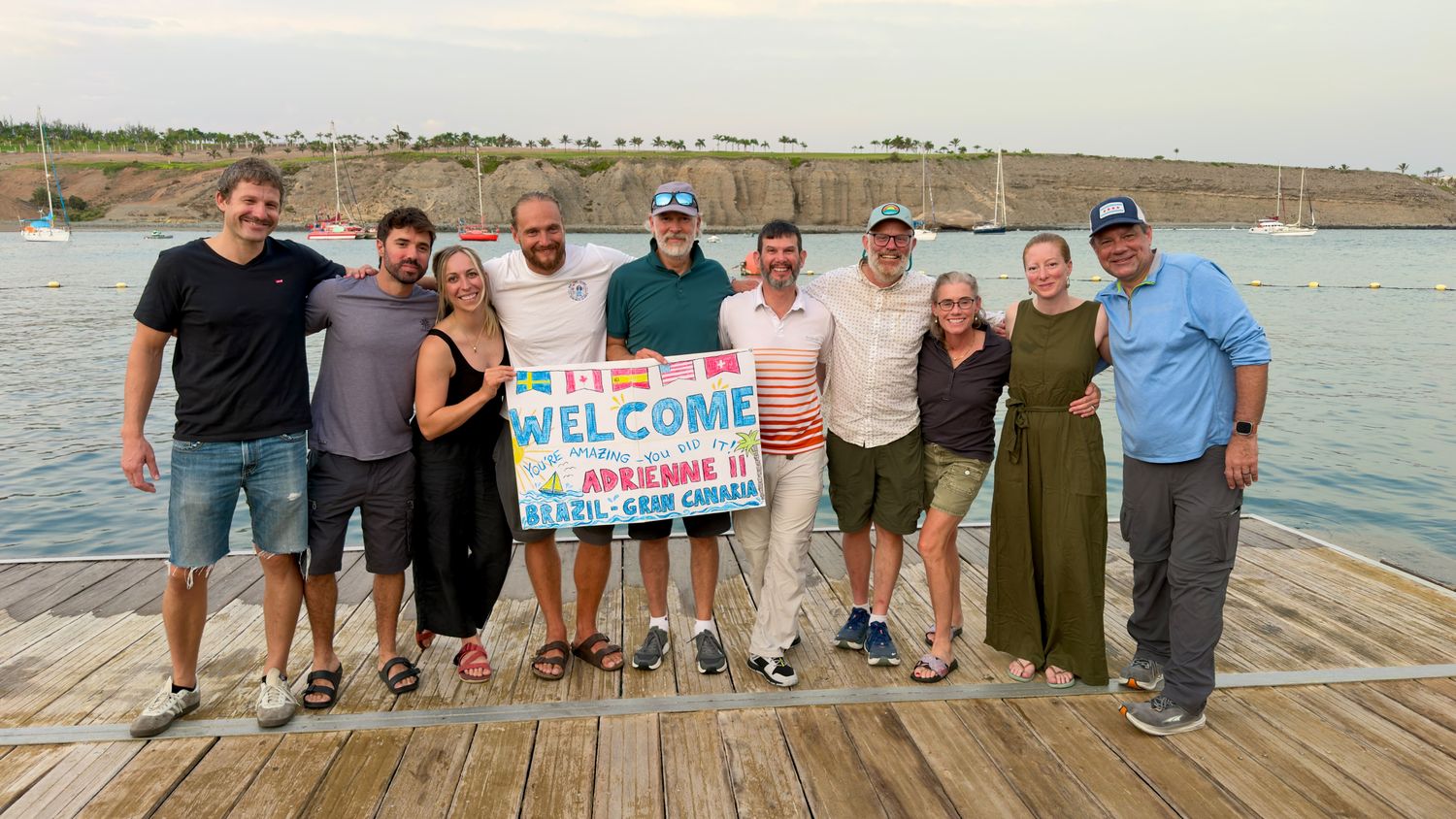
After 20 days, and 3000+ nautical miles, we're back on land. The motley crew of Adrienne II, consisting of 7 happy amateurs supported by 3 professionals, have completed an epic journey many dream of but few realize. So much of this trip has been about being present - with nature, with each other, with this boat. My biggest takeaway from this trip is the amazing crossing of the ITCZ (Inter Tropical Convergence Zone). We all hope you've enjoyed the blog as much as we've enjoyed creating it.

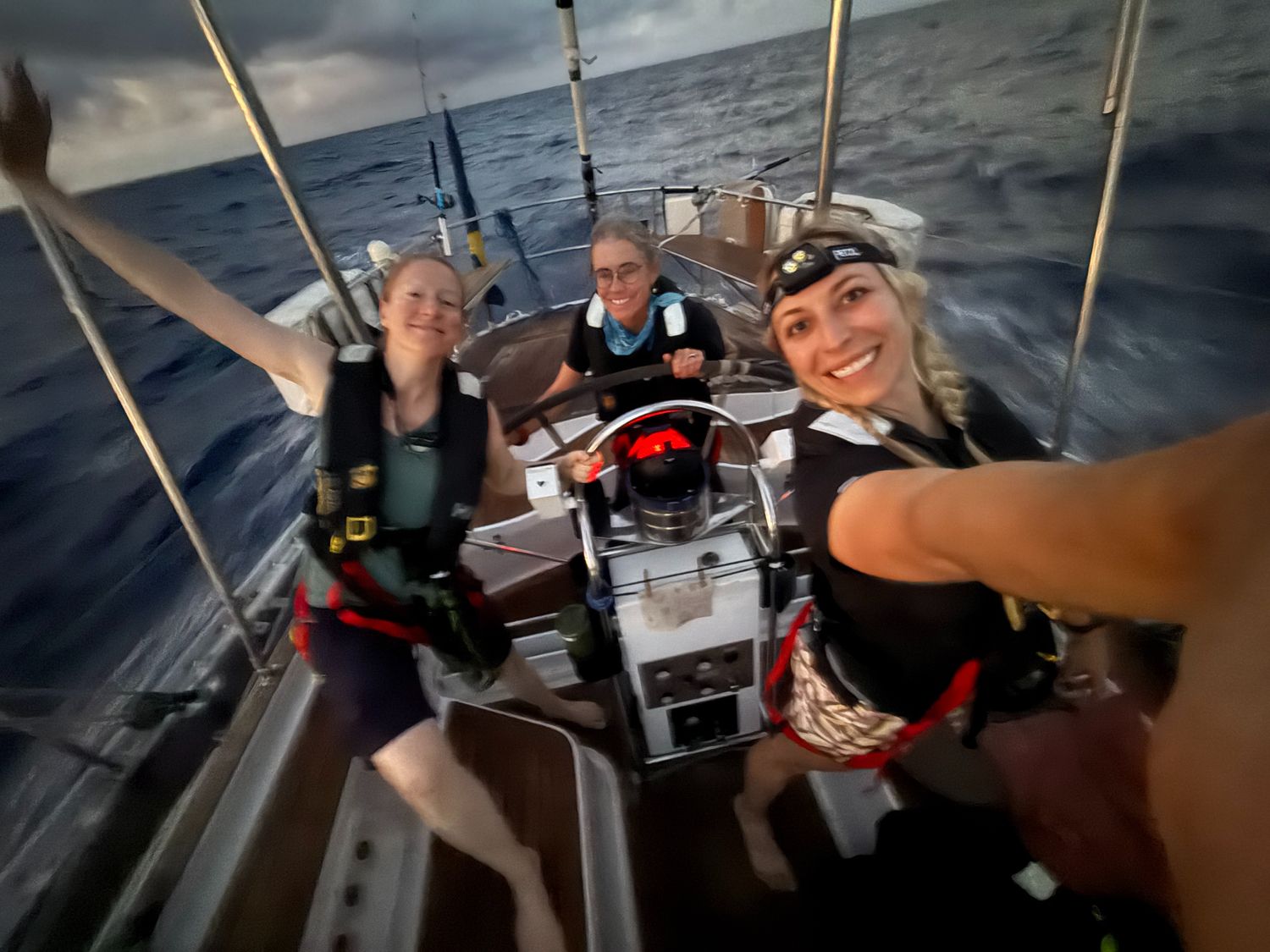
Mother Nature, you’ve outdone yourself!
It’s been a great experience to have a non-traditional trans-Atlantic, as it’s been packed with genuinely cool features. The Doldrums!! A place sailors have been talking about for centuries. The unpredictability is what made it such an exhilarating experience. While some might be frightened or alarmed by this kind of weather, I was embodied with a sense of calm and awe. There’s something wildly beautiful about being reminded how small you are, while feeling so incredibly alive.
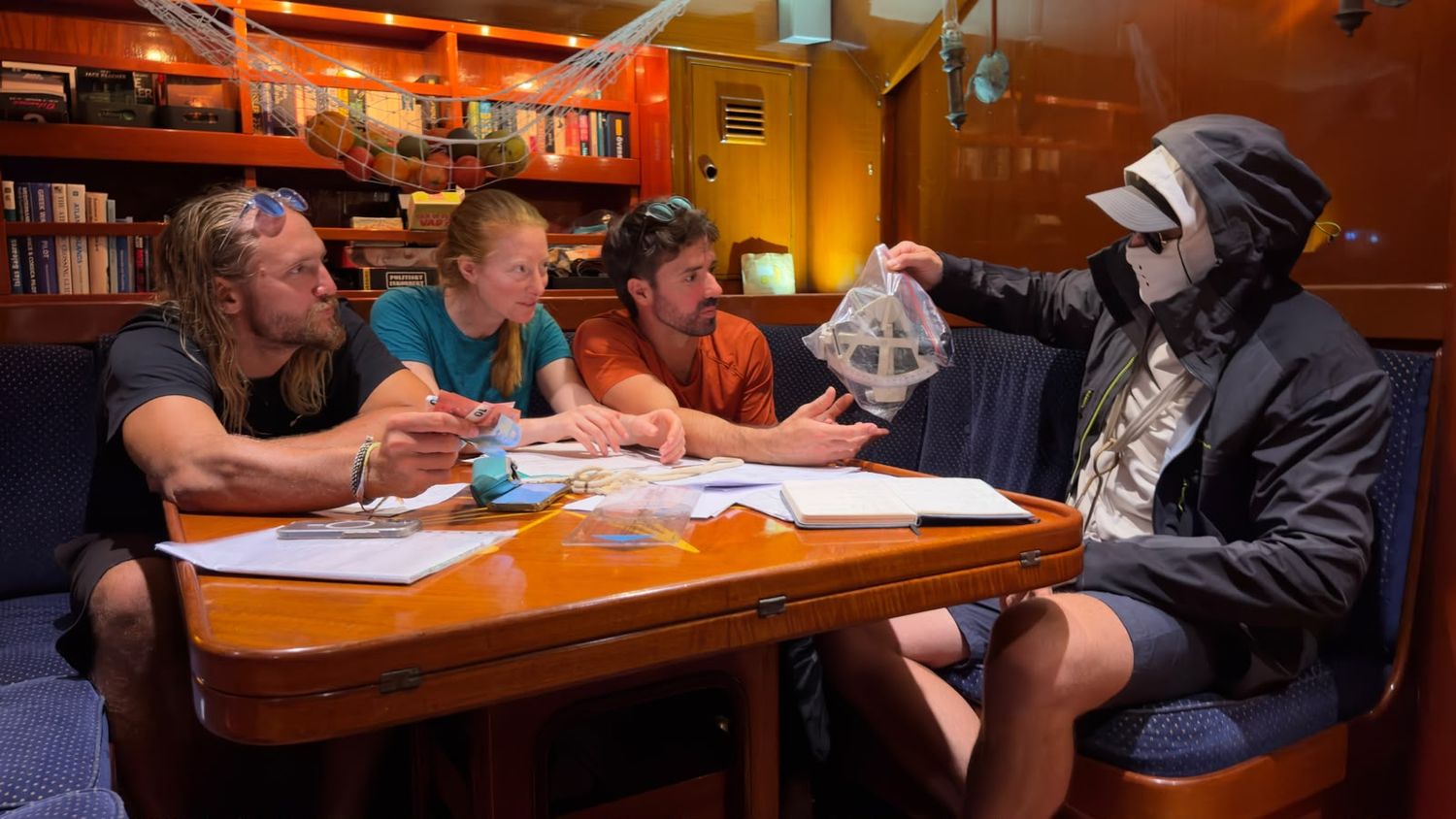
A Heavenly High
As you have probably figured out at this point, the drug of choice on board is, of course, celestial navigation- an art which has hooked offshore sailors for centuries. Once addicted, navigators will emerge from down below only to get their fixes two times per day, and spend the rest of their days and nights down below doing complex spherical mathematics. On Adrienne II, our skipper is our dealer. I must confess that I myself gave in to the strange urge which I’ve felt witnessing my crewmates practice this fine art, and yesterday felt an amazing sensation as I was able to wield the sextant for the first time and with it, bring down the tip of our starboard spreader to the top of our front sprayhood, presicely measuring the angle between the two (35deg, 38,8’ min). This afternoon, Naxo then showed me how to get my fix from the very sun itself - and I now fear there is no turning back.