
2026-1 | SPICA | Stockholm-Mariehamn, Åland
(Note that we offer a % discount if you pay by cash/bank transfer.)
Mia & Andy will start their family vacation in Åland, so here’s a chance to do an island-hopping cruise up the archipelago with Andy onboard SPICA in order to position the boat in historic Mariehamn! You’ll join the boat in Stockholm, at the archipelago base of KSSS in beautiful Saltsjöbaden, a short train ride from the city center and right on the doorstep of the archipelago. We’ll set sail soon after you join, most likely finding a waterfront sauna for our first night onboard! Once into the archipelago, we’ll island-hop our way north-northeast towards the Finnish archipelago, stopping off at islands and anchorages that strike our fancy. It’ll be a mix of pristine natural harbors and island-village outposts along the route. We’ll almost certainly include Sandhamn in our itinerary, the start/finish port of the famous Gotland Runt race and a beautiful island with a nice marina guest harbor and some shops and restaurants ashore. The further north we get, the more off-the-beaten path we’ll be as we explore the outer archipelago. Then it’s a 30-mile sail across the Baltic and into Mariehamn, the capital of historic Åland. If we have time, we’ll stop off in Rödhamn before our final destination, a small former radio outpost from WW2, now with a tiny guest harbor, fresh bread from the cafe and, of course, another sauna! When you disembark SPICA in Mariehamn, it’s a beautiful, short (and cheap) ferry ride back to Stockholm city center, so if you’re traveling from abroad to join the trip, you can fly in/out of Stockholm. It’s worth spending a few extra days ashore in Åland as well, if nothing else for the history!
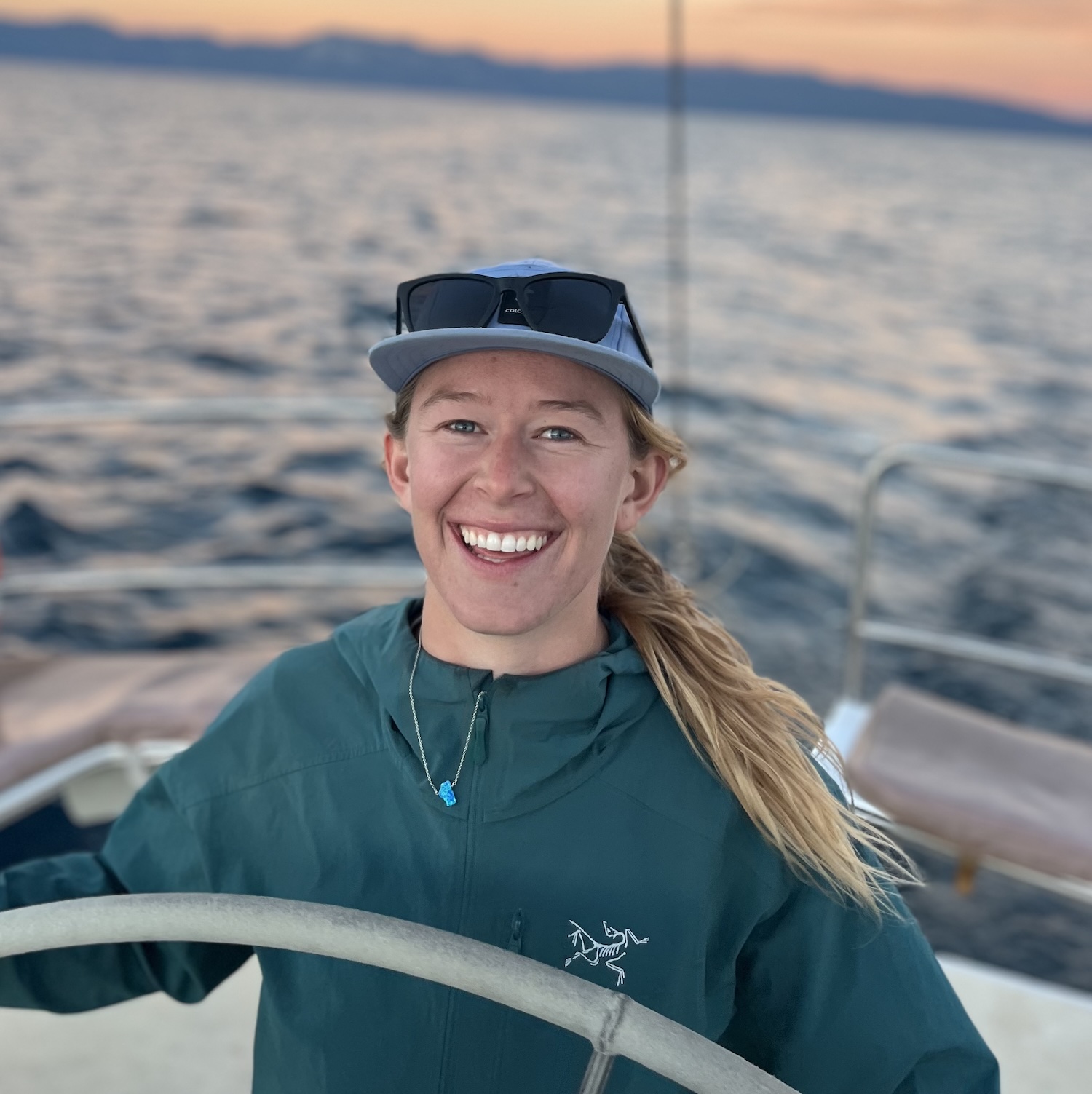
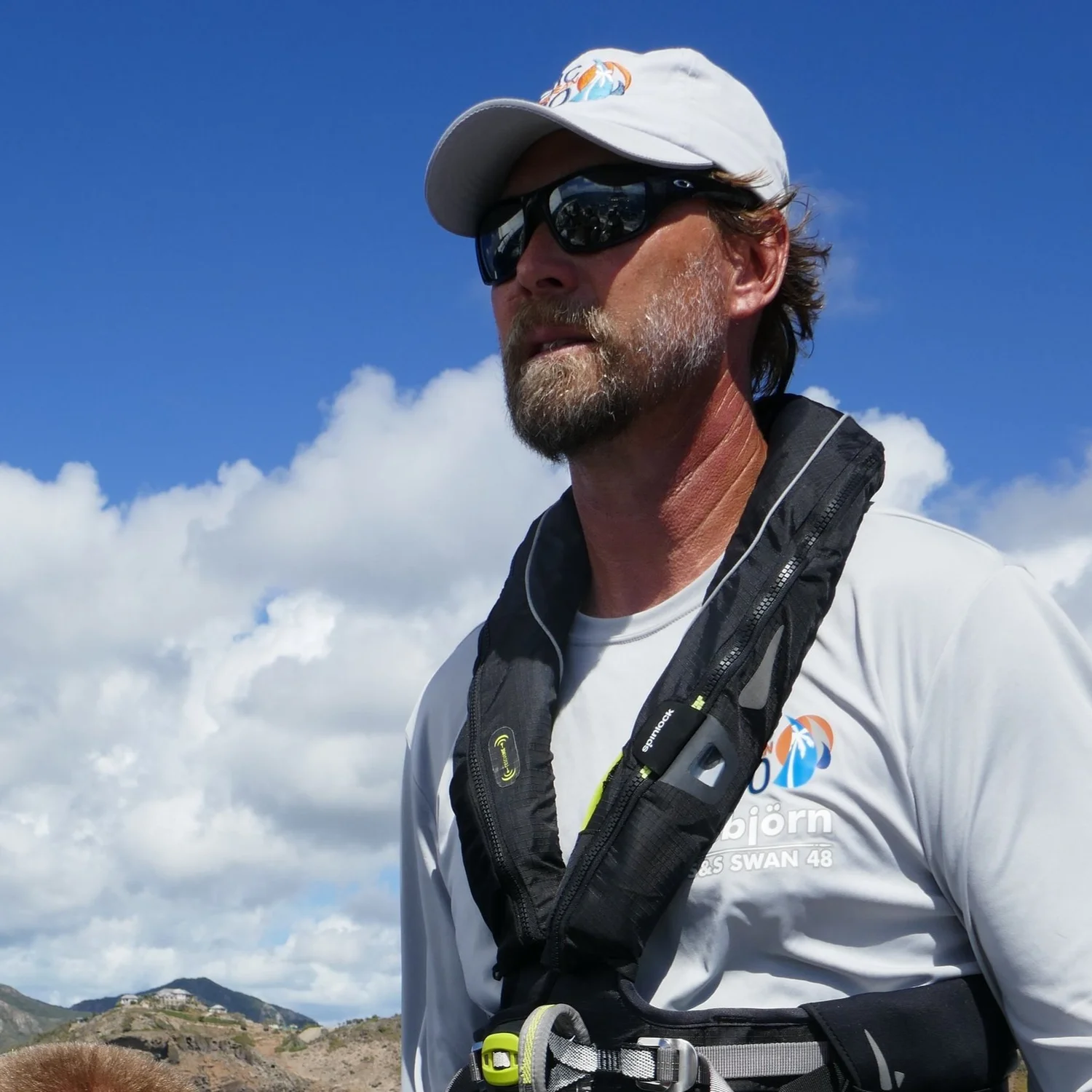
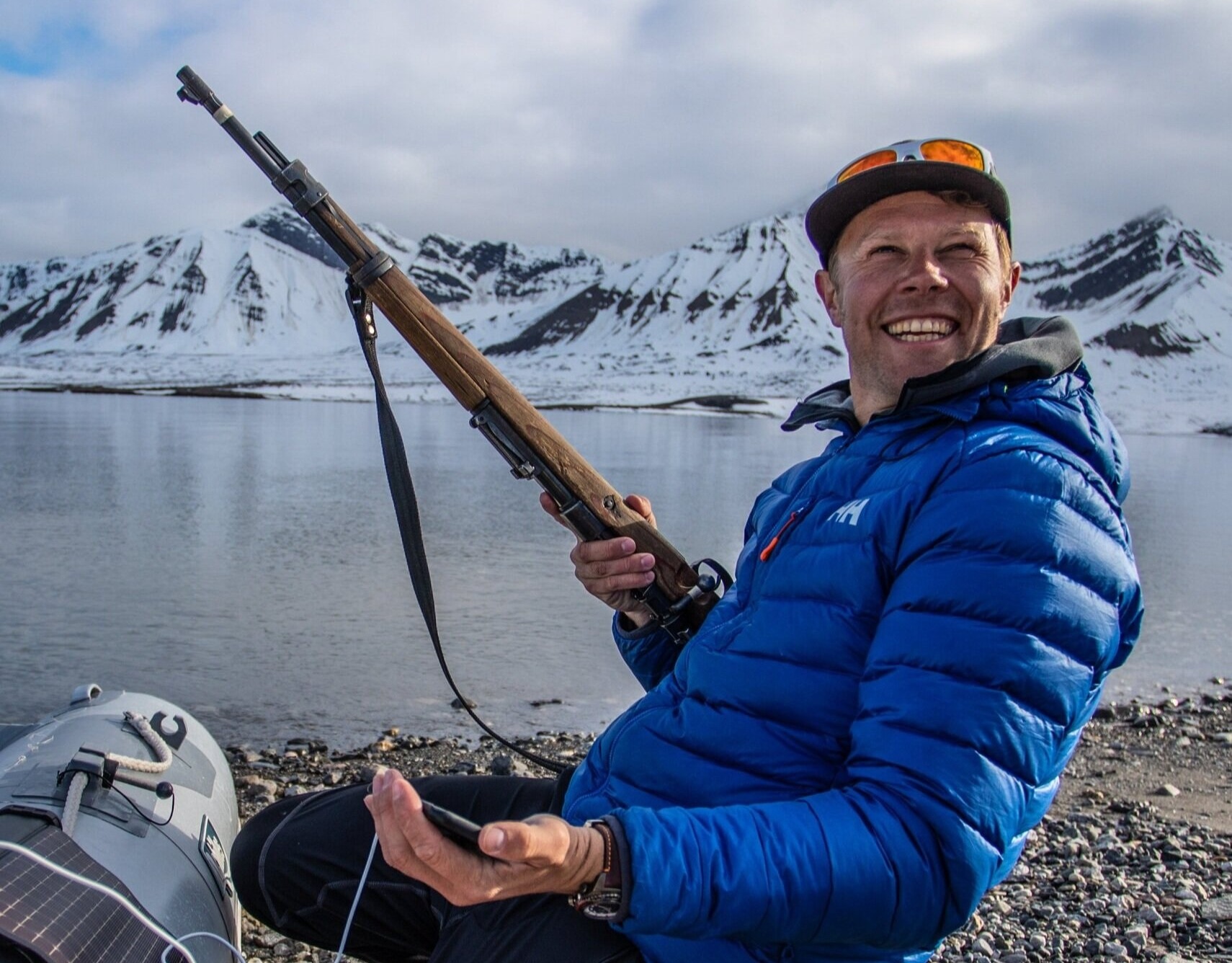
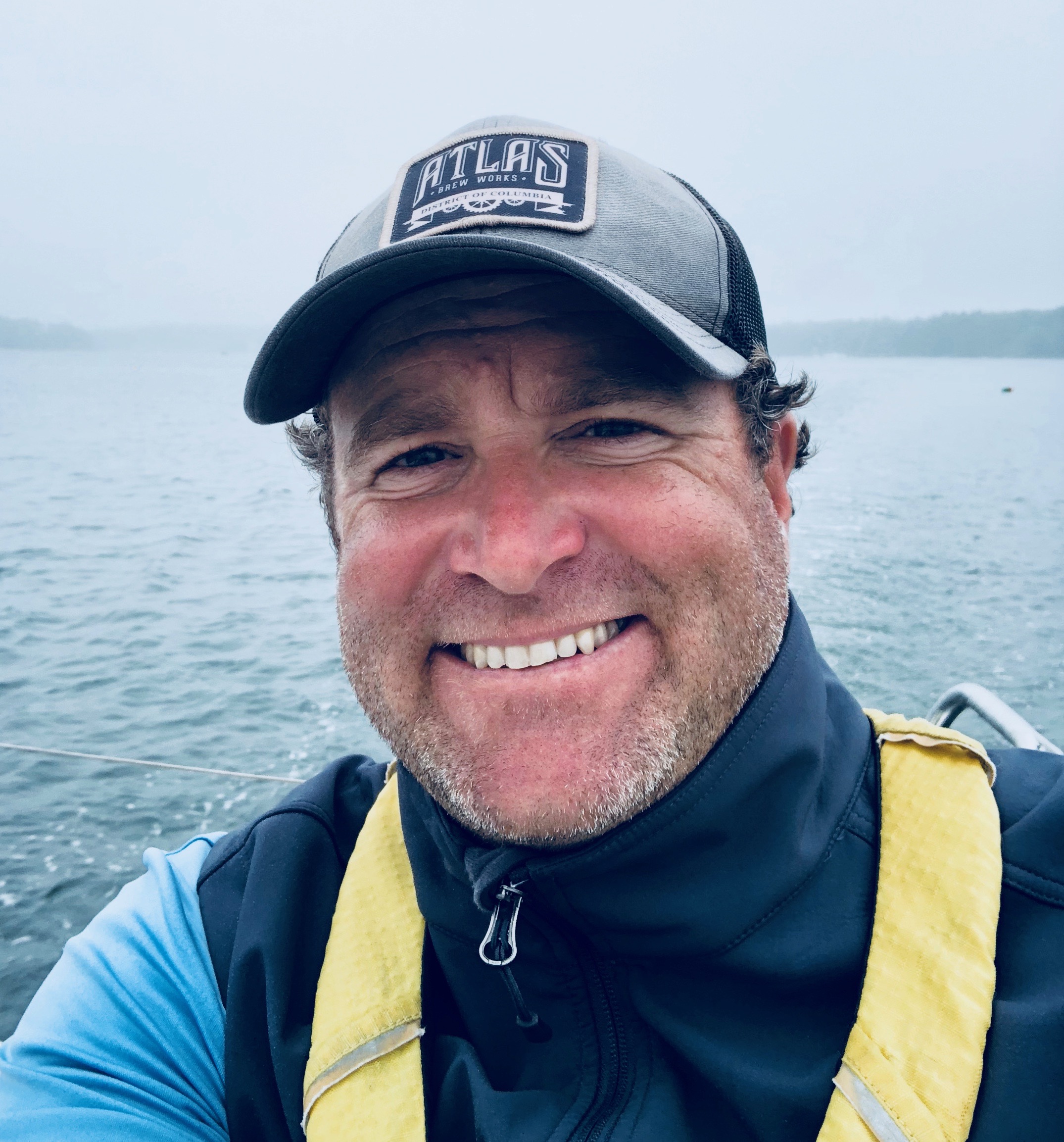
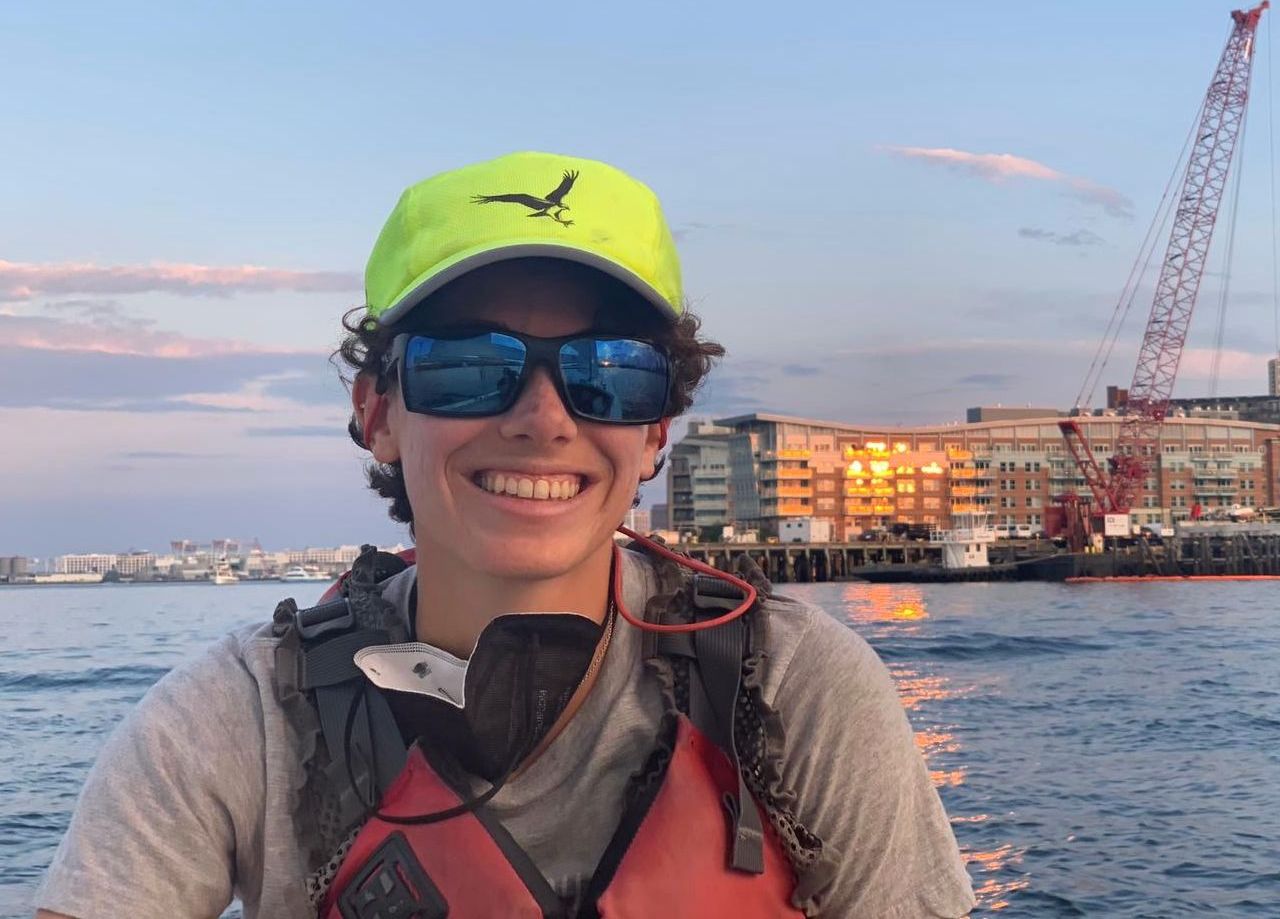
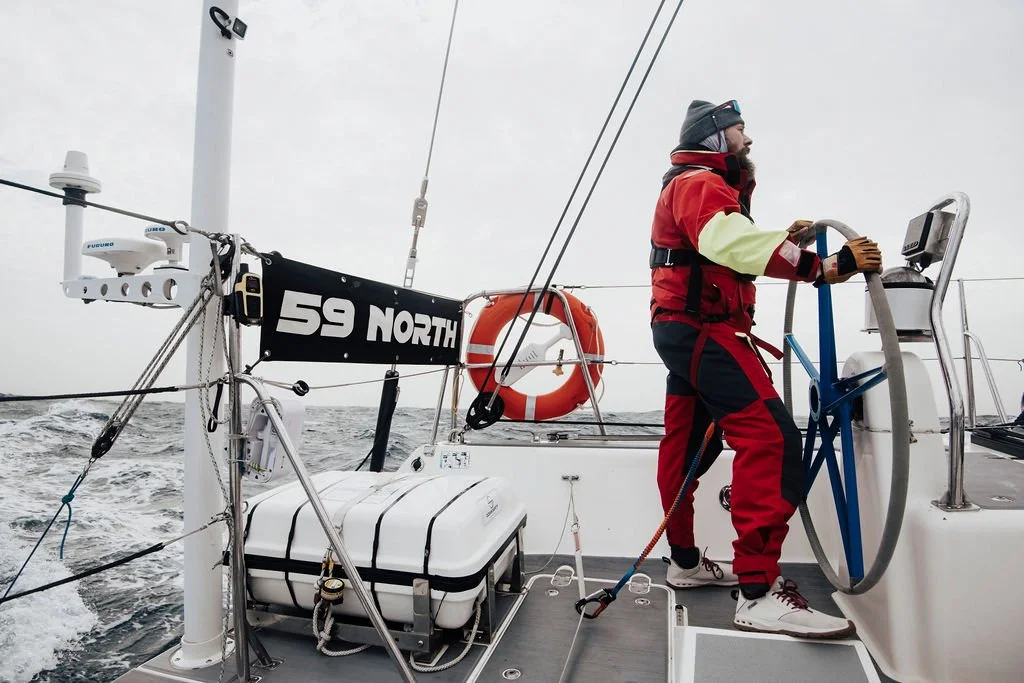
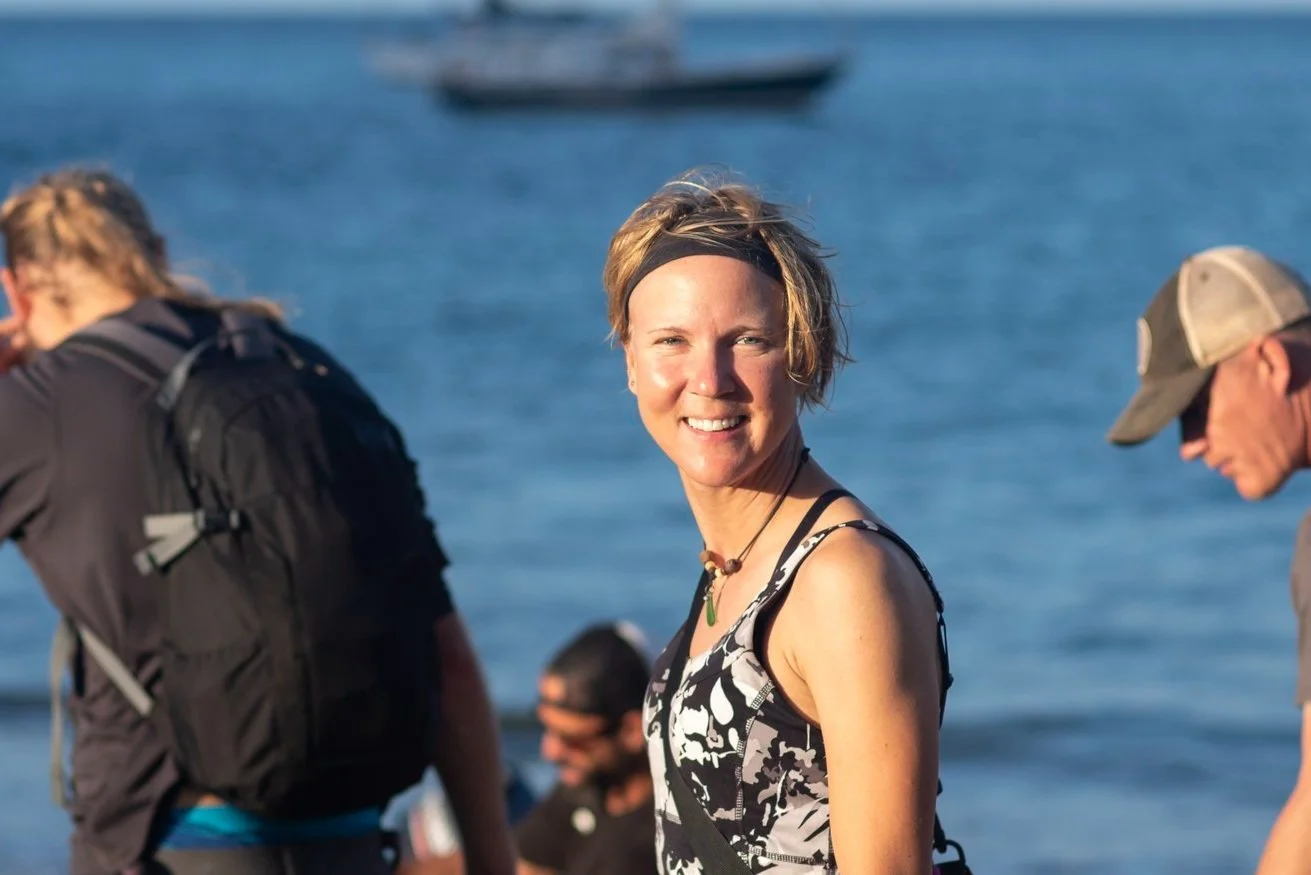
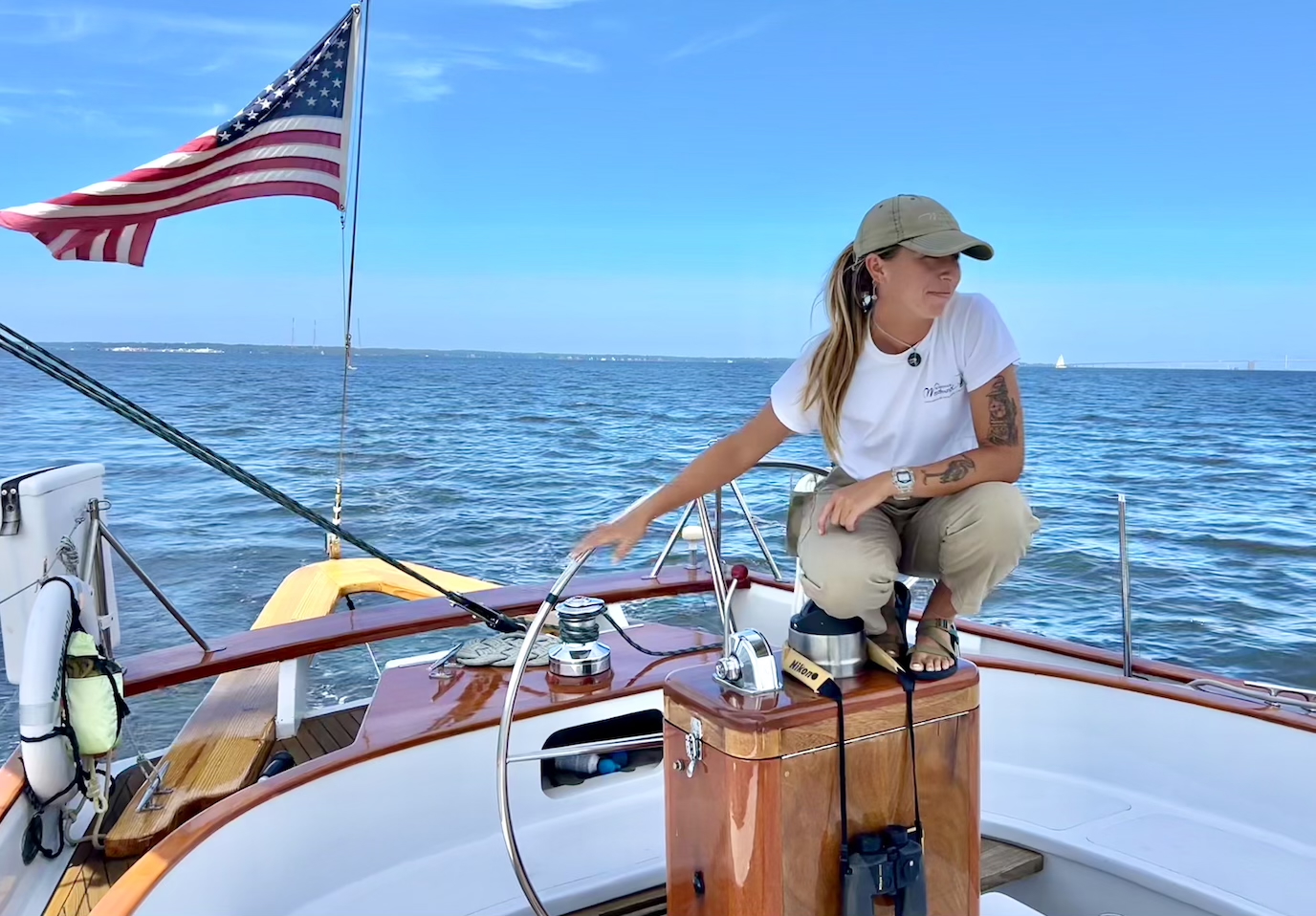
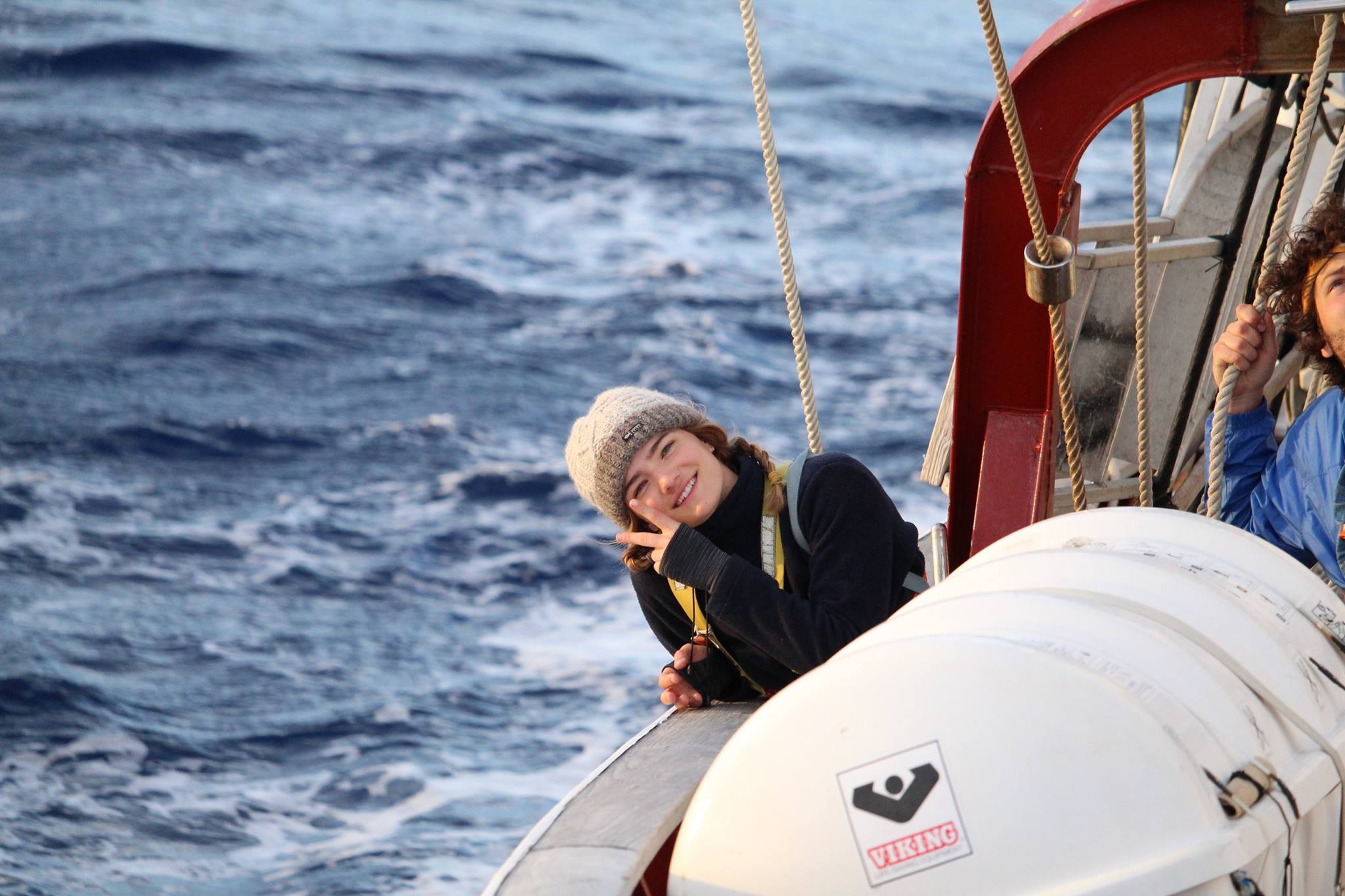
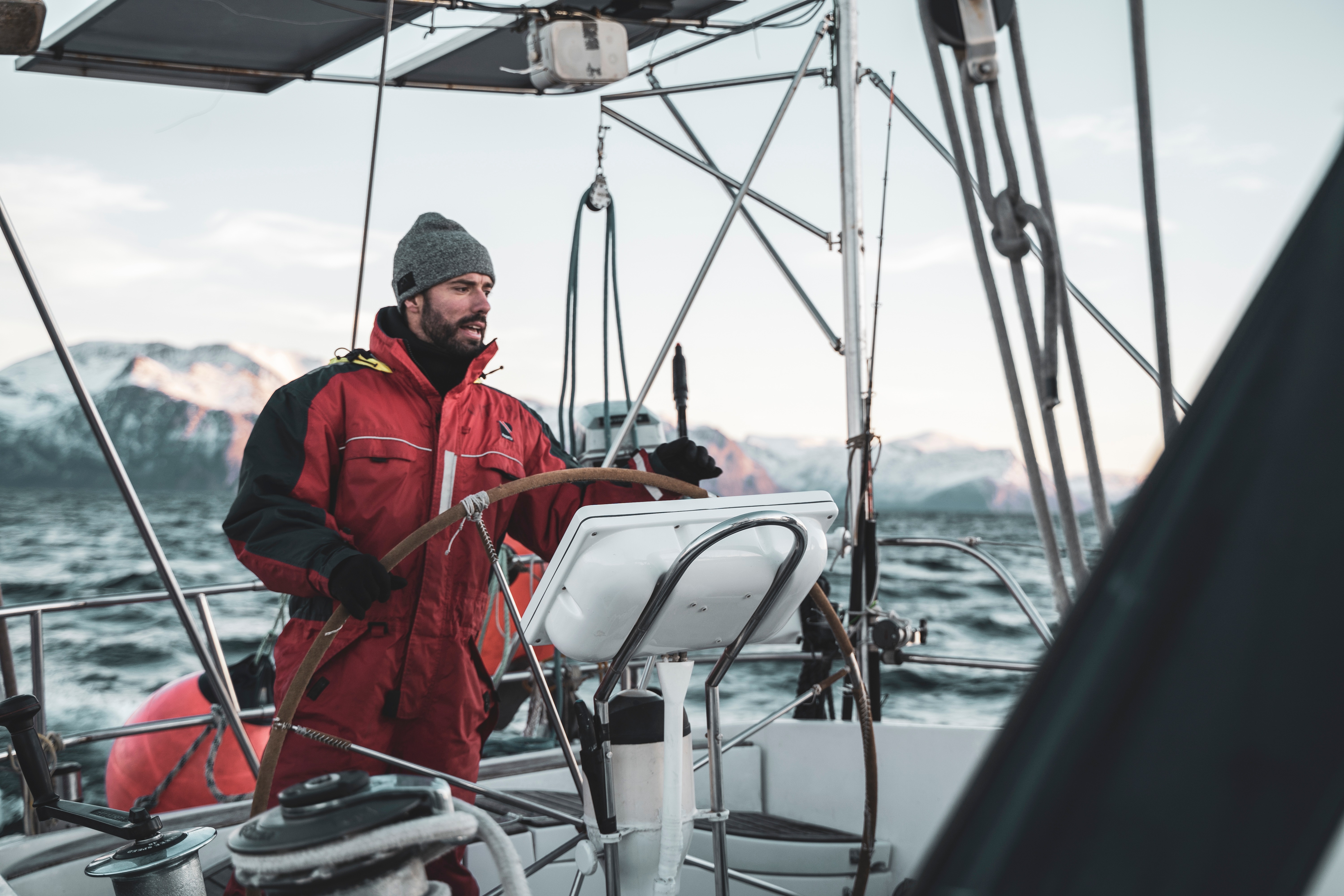
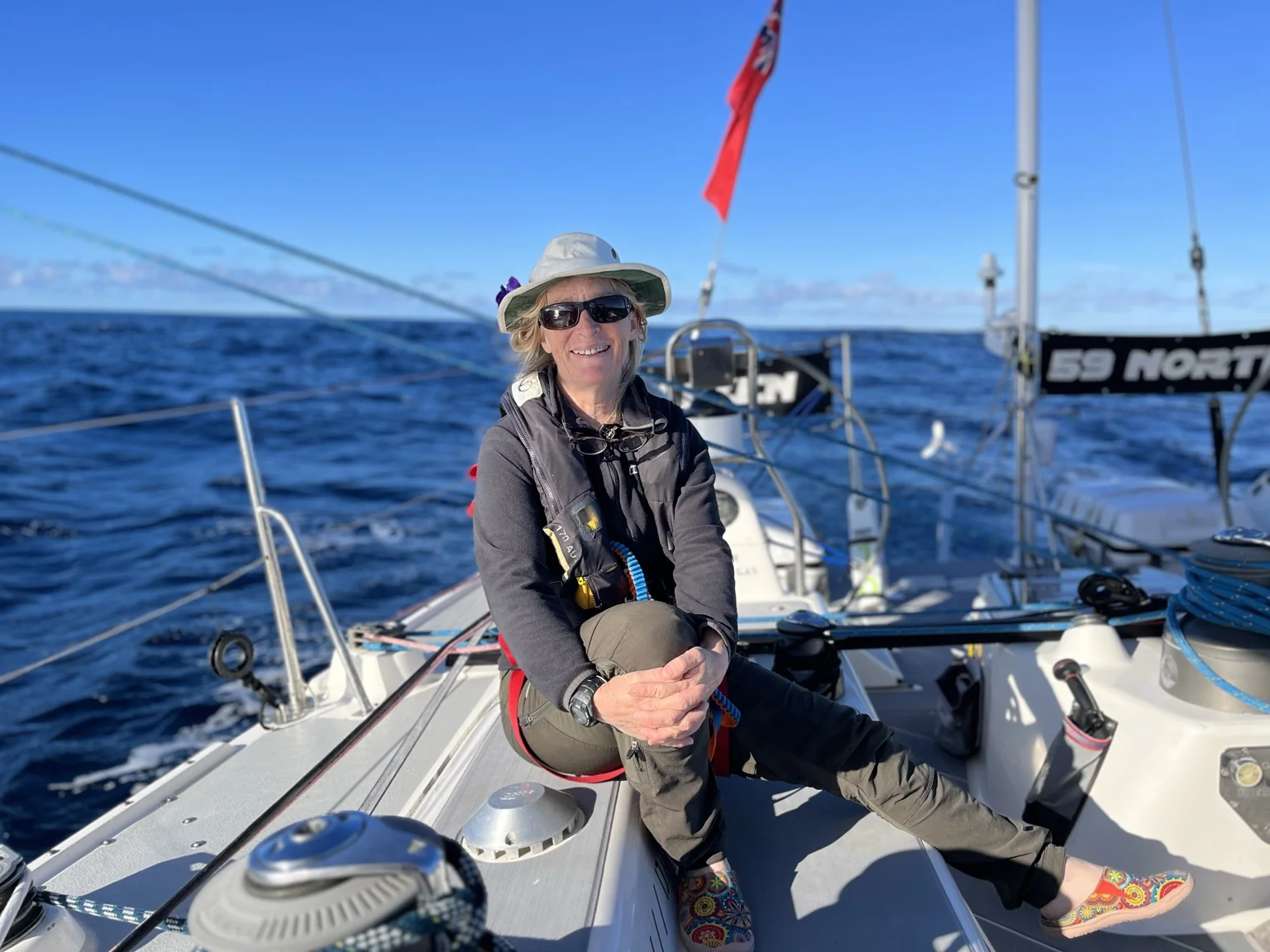
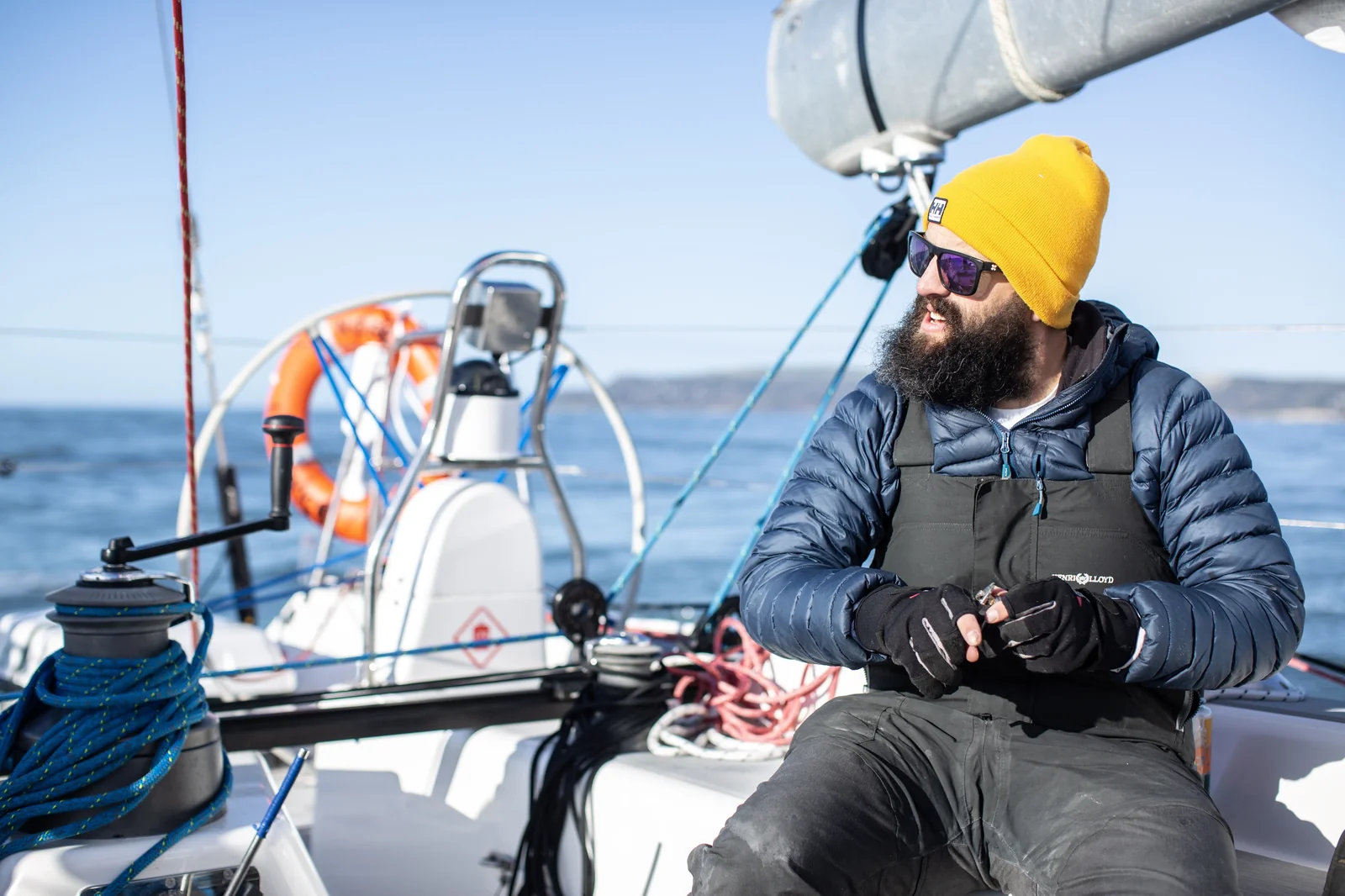
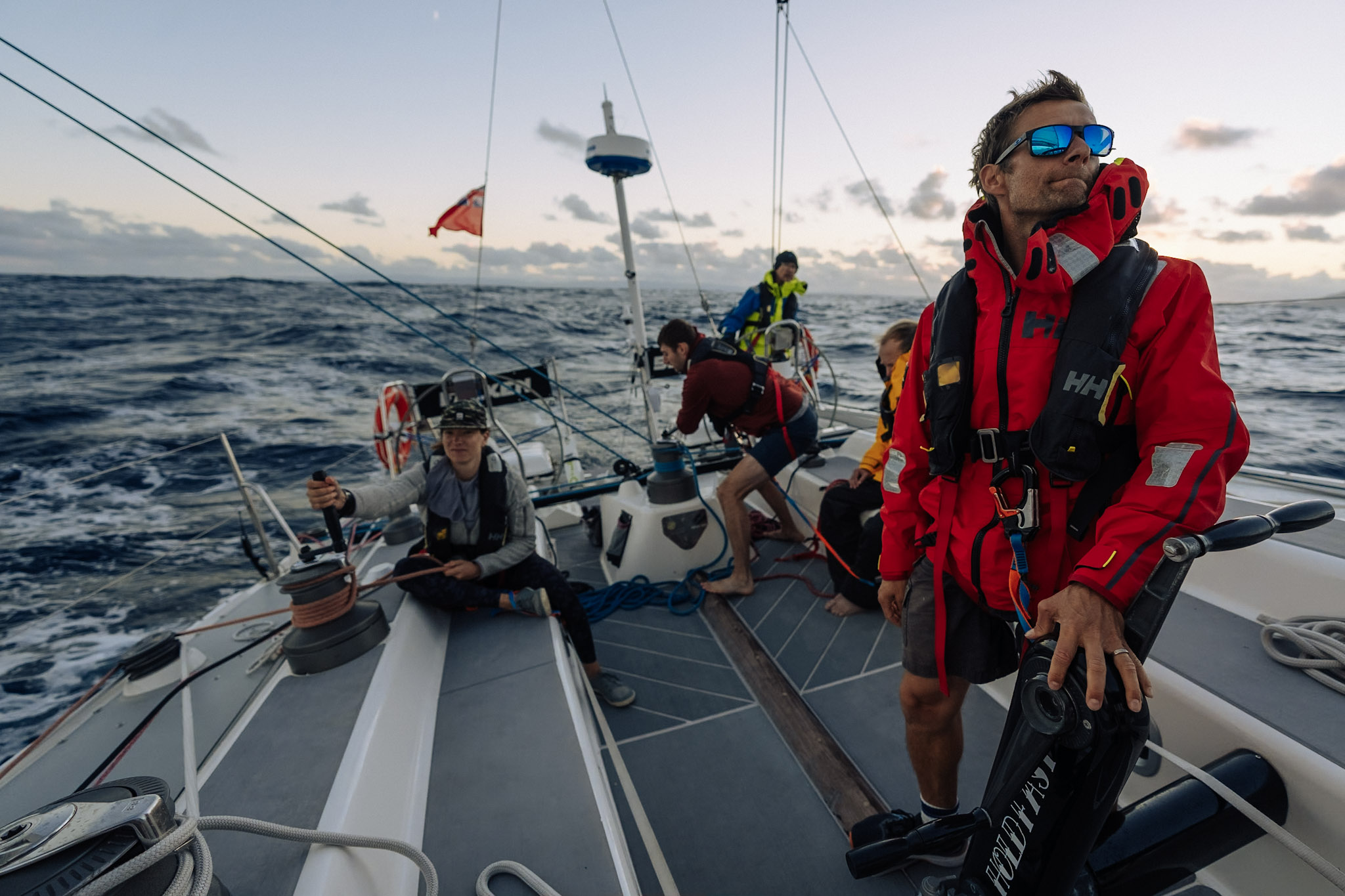
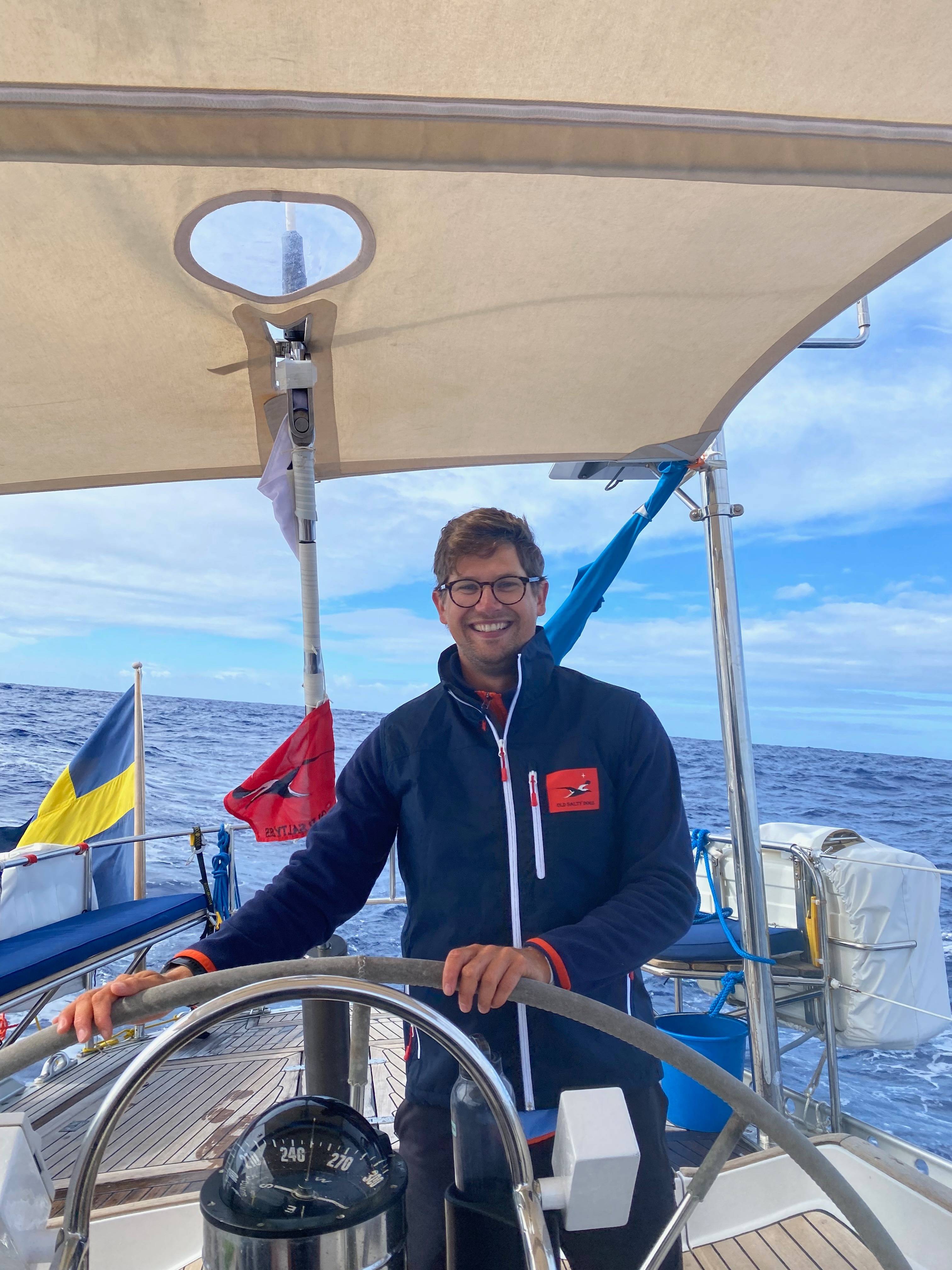
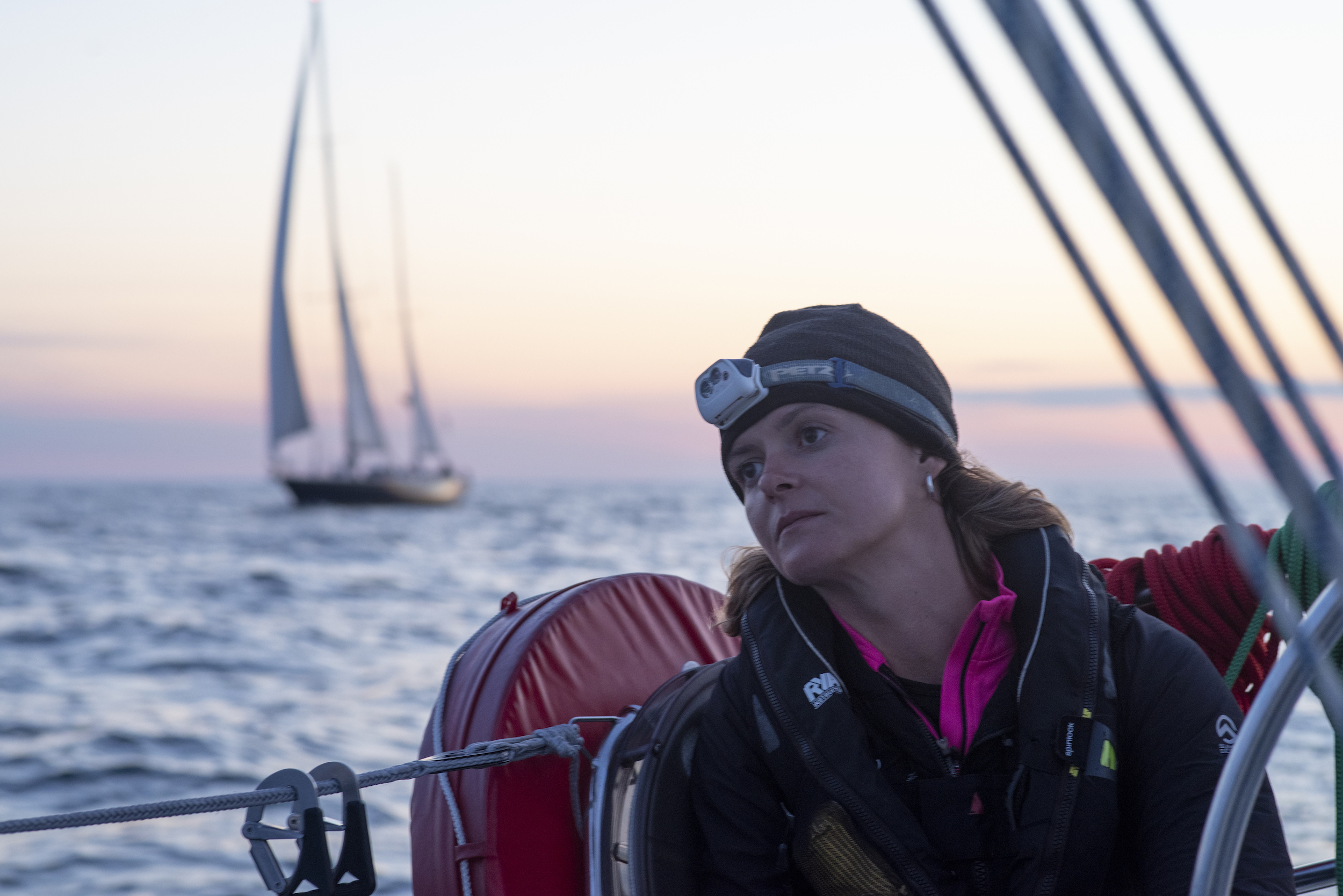
SAILING STAFF

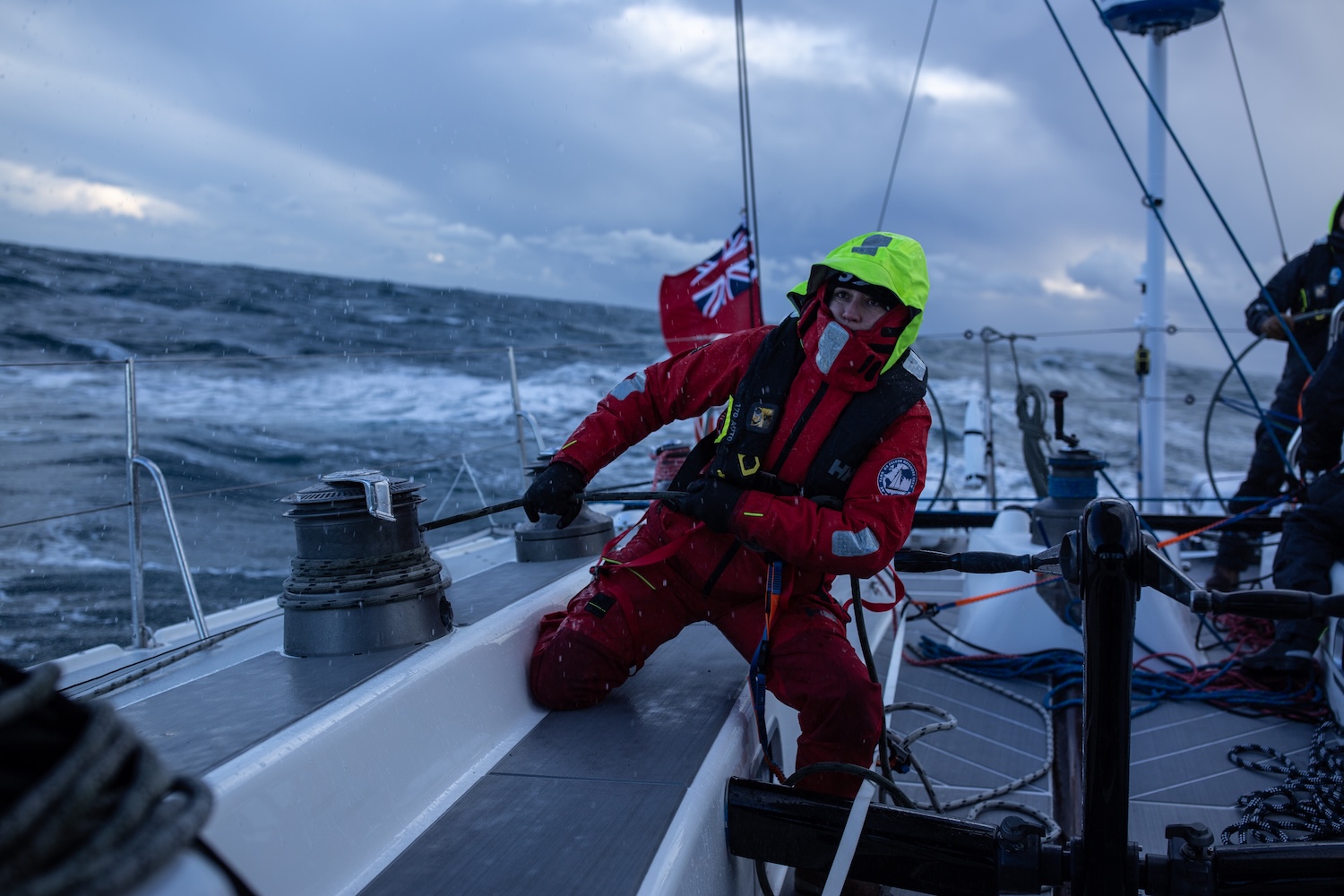
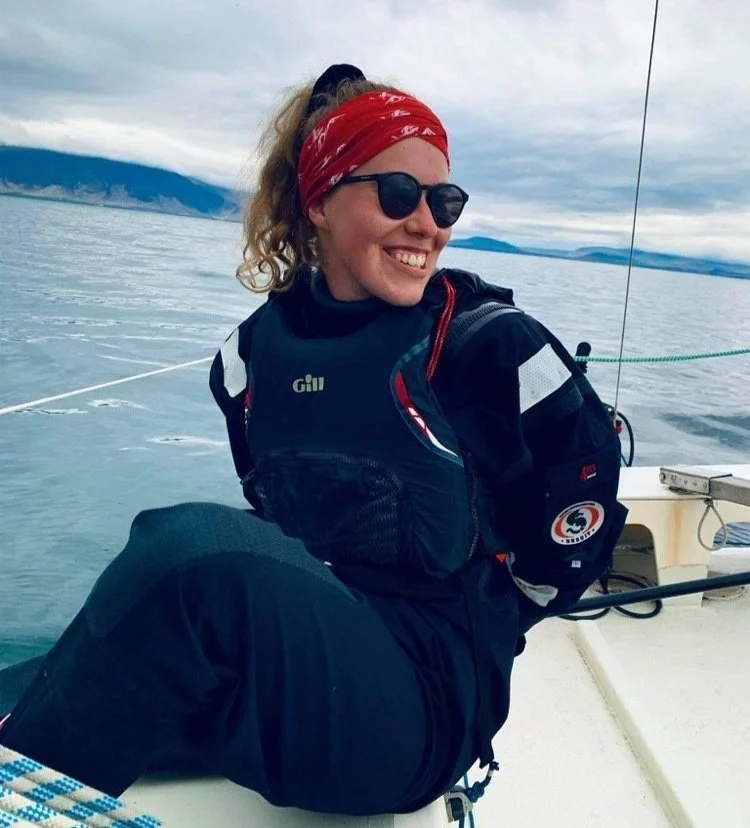
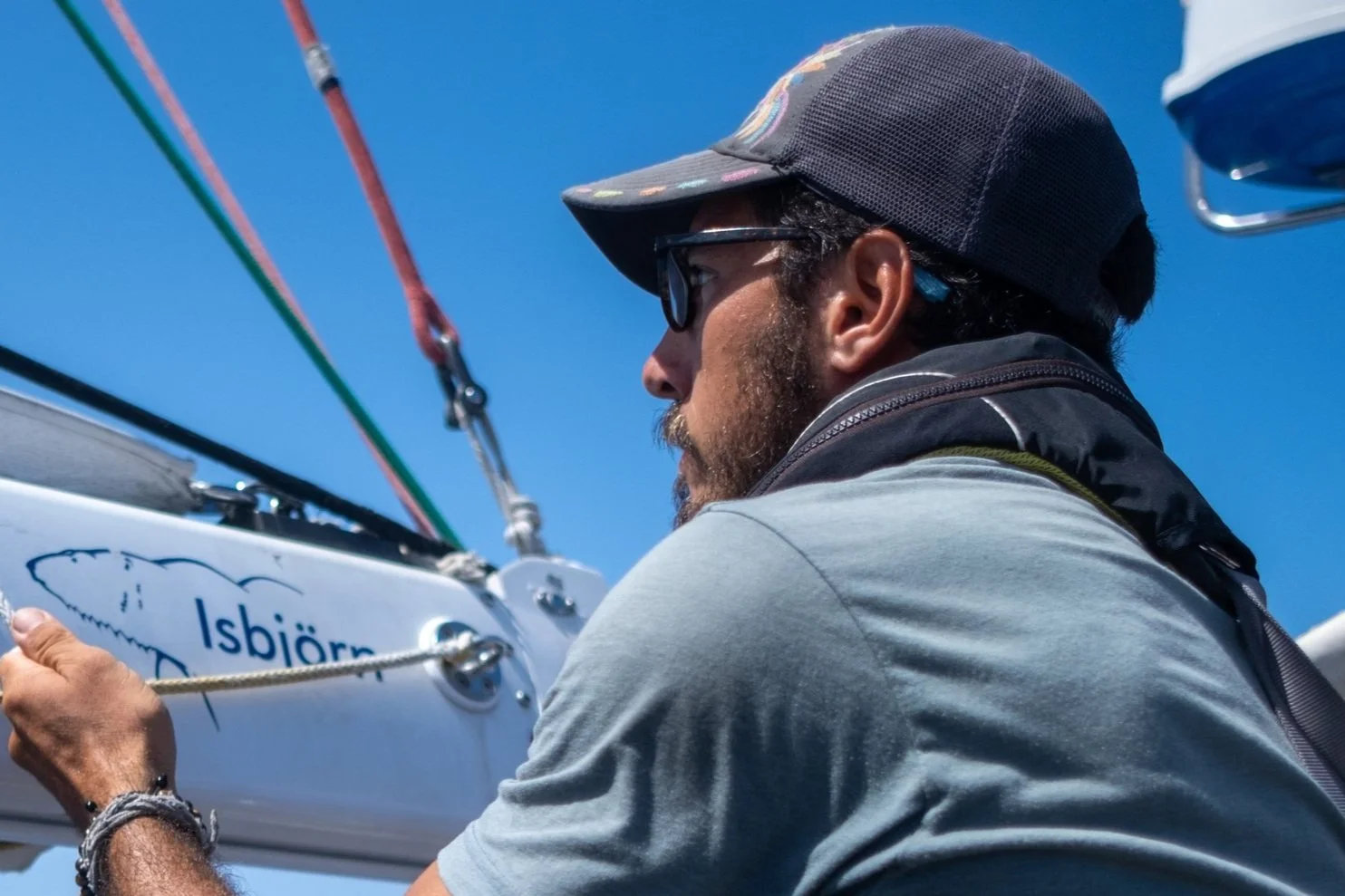
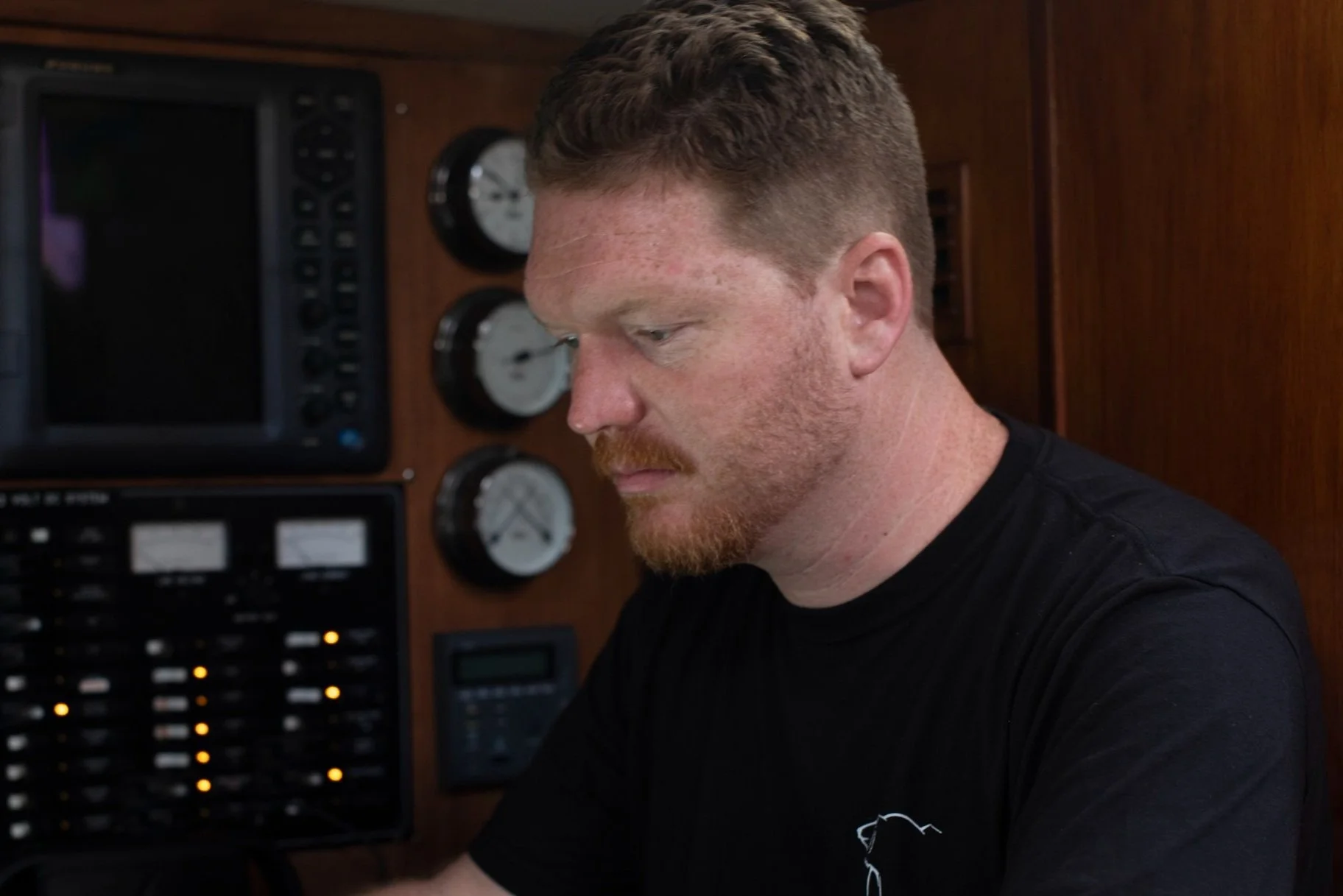
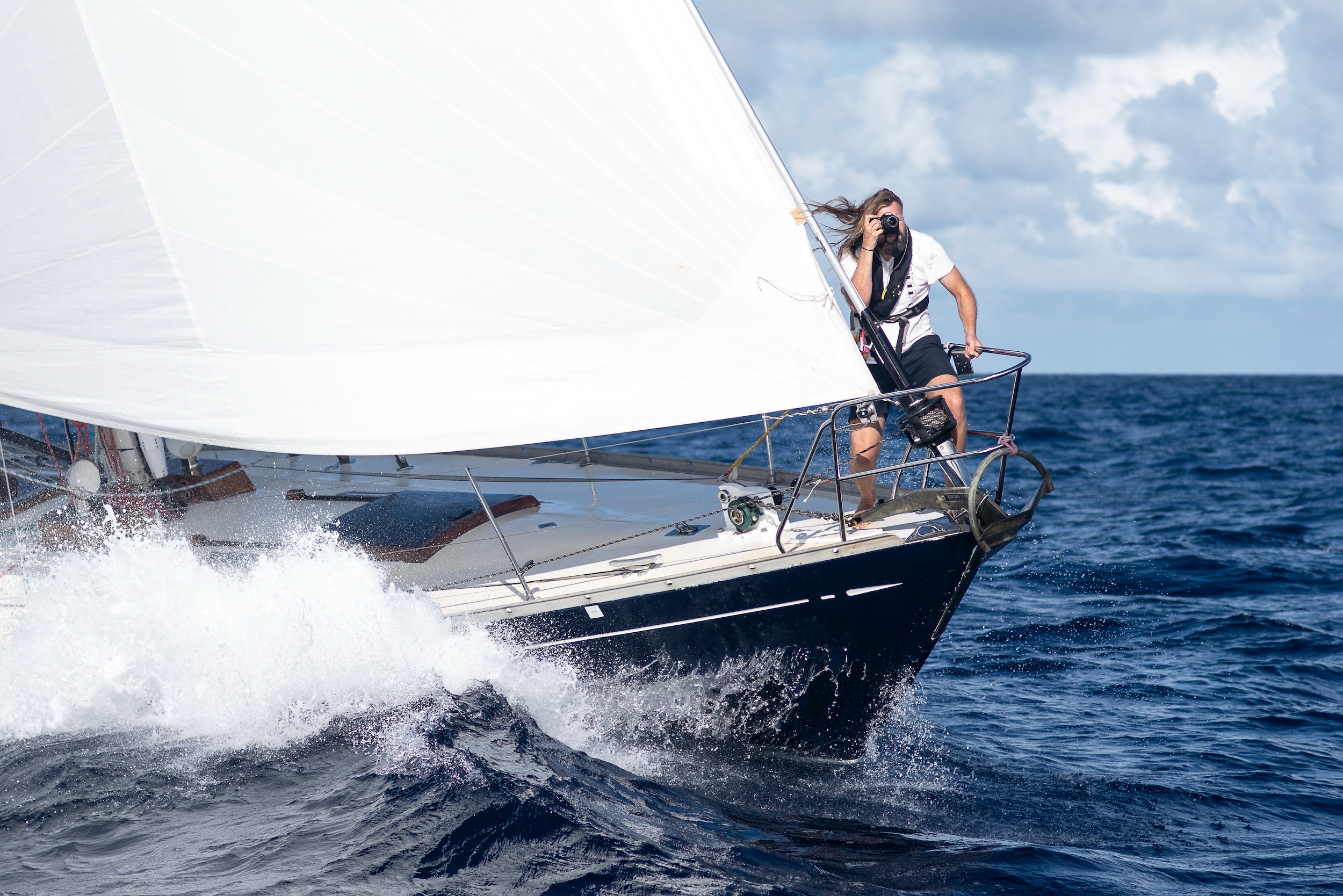
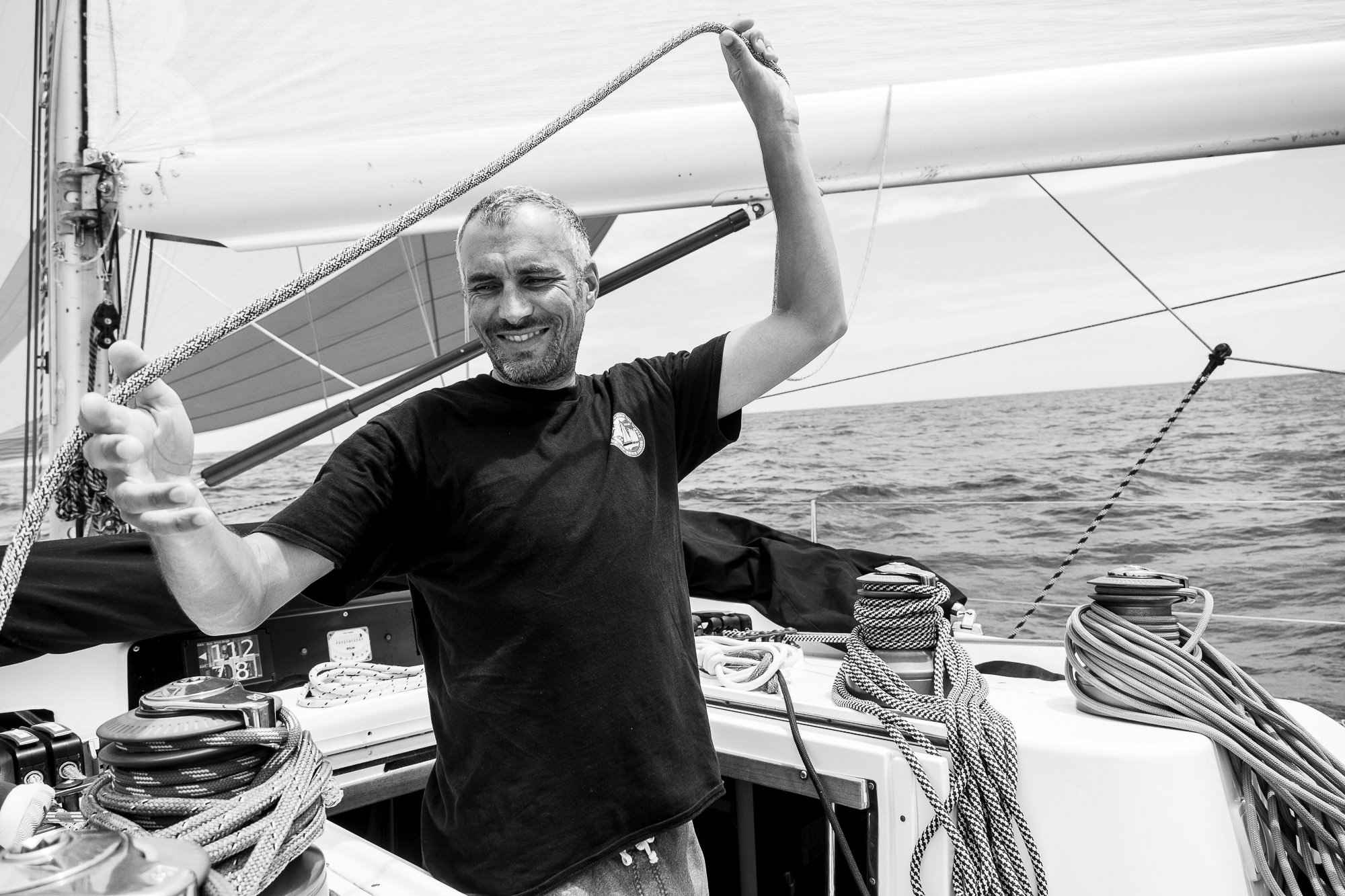
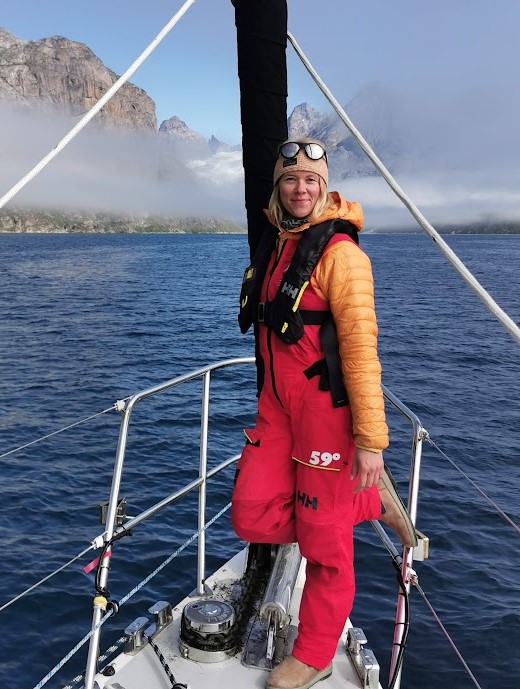

.jpeg)

The Passage
Rough itinerary
All 59º North passages are very much subject to weather. We pick our routes based on the "correct" time of year to be sailing in the different regions we visit, and we always build-in enough time to give us some margin for weather windows. The skipper has final say on departure dates and weather windows, but generally speaking, the intinerary for this passage will look like this:
July 1, 2026
Crew arrive to SPICA at in Stockholm, Sweden. SPICA orientation followed by crew dinner. All crew stay onboard SPICA.
Prep Days
Between the joining and departure dates, all pre-passage preparation, provisioning, and safety briefings will be completed. The specific pre-departure schedule will be outlined and posted onboard SPICA by the skipper.
July 3, 2026
Scheduled departure, weather dependent.
July 7, 2026
Latest date (12:00 noon) for crew to depart SPICA from Mariehamn, Finland.
TRAVEL LOGISTICS
Stockholm
Mariehamn
Weather conditions
Expect a pleasant early-summer passage across the archipelago—mild and comfortable on deck, with mostly settled skies and a steady breeze to keep the sails full, though you'll want a layer handy as it cools off once the sun dips.
In-depth analysis, by WRI

WHY 59º NORTH?
ambitious sailing schedule
The best boats
WOMEN BUNKS GUARANTEED
Professional, well-paid staff
knowledge & community
Why it costs what it costs...
"Adventure, education, majesty... I can't imagine a better pair to introduce people to the sublime enterprise of offshore sailing. This trip will always live amongst my cherished memories. Thank you!"

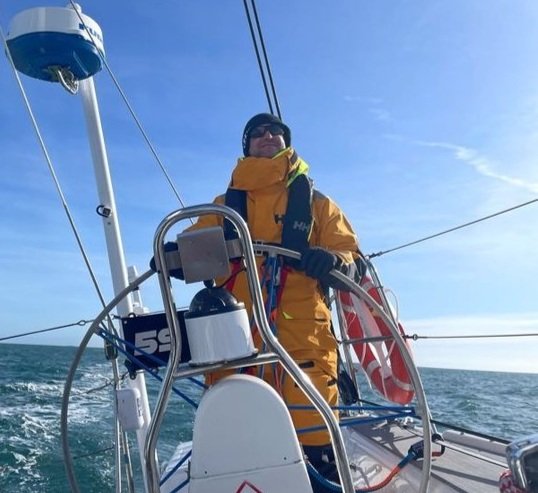
"59º North runs the most professional offshore training program you can find, and it shows in their professionalism, leadership, skill, and service. I felt honored to be part of the maiden voyage of FALKEN—she's a beauty, and the 59º North refit crew did an amazing job! Shout out to Nikki Henderson (Captain) and Alex Laline (Mate) for inspiring, knowledgeable, and caring leadership. I can't imagine having a better experience with any other."

"This was my second trip with 59º North, my first being a fantastic heavy weather crossing of the Irish Sea on ISBJØRN. I signed up for the Canary Islands to Caribbean trip, thrilled to be chosen as crew. The attention to detail in equipment, vessels, and crew at 59º North is world class, making ocean sailing both safe and unforgettable. I will definitely be sailing again with 59º North."
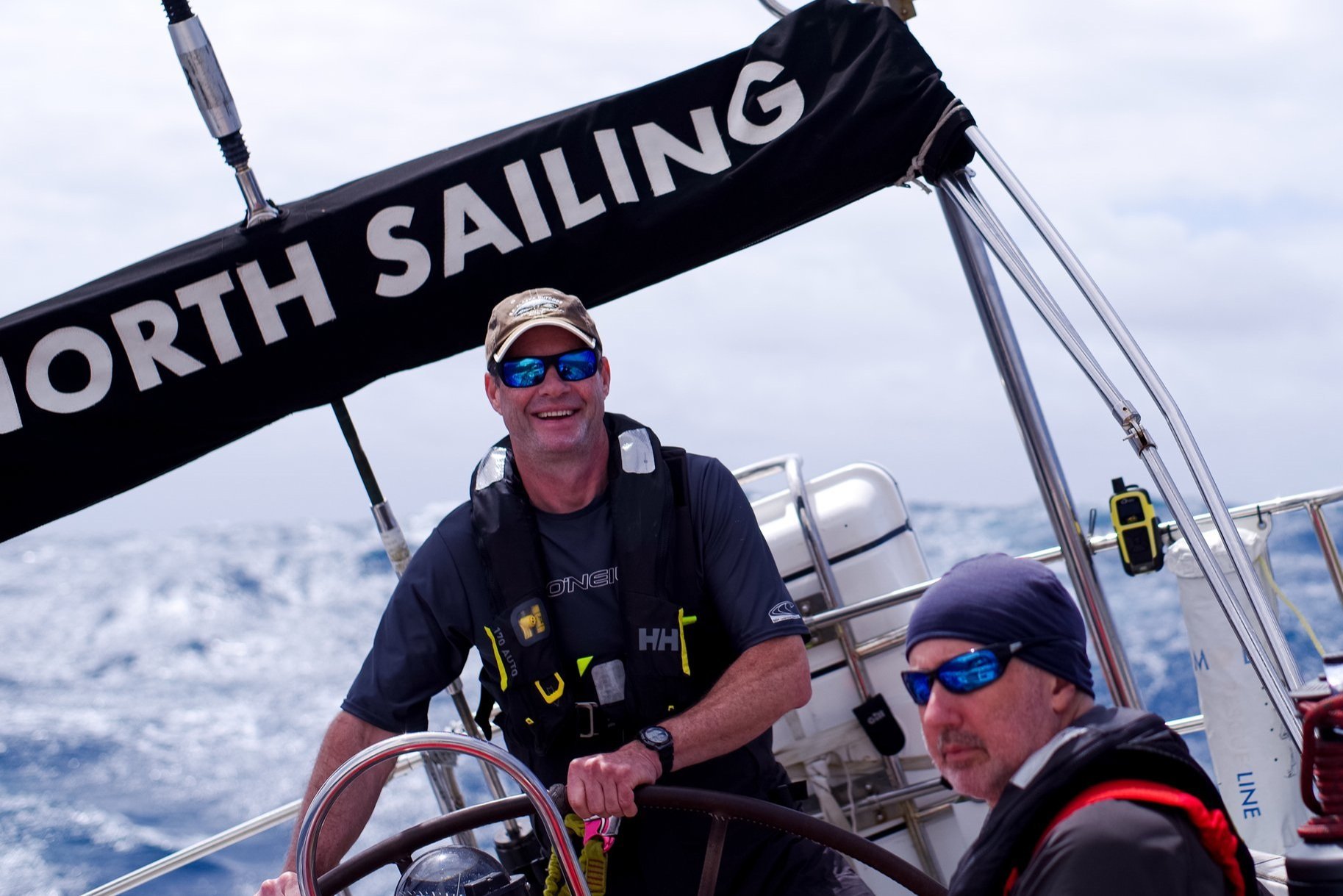
"Before 59º North I didn't know my bowsprit from my binnacle and suffered from low sailing esteem. After two weeks of 59º North, what a difference! As a longtime podcast listener, I arrived for my Bermuda to Horta transatlantic with high expectations, and they were all not just met but exceeded. I could not imagine a skipper and mate more professional and enthusiastic than Andy and Emma."
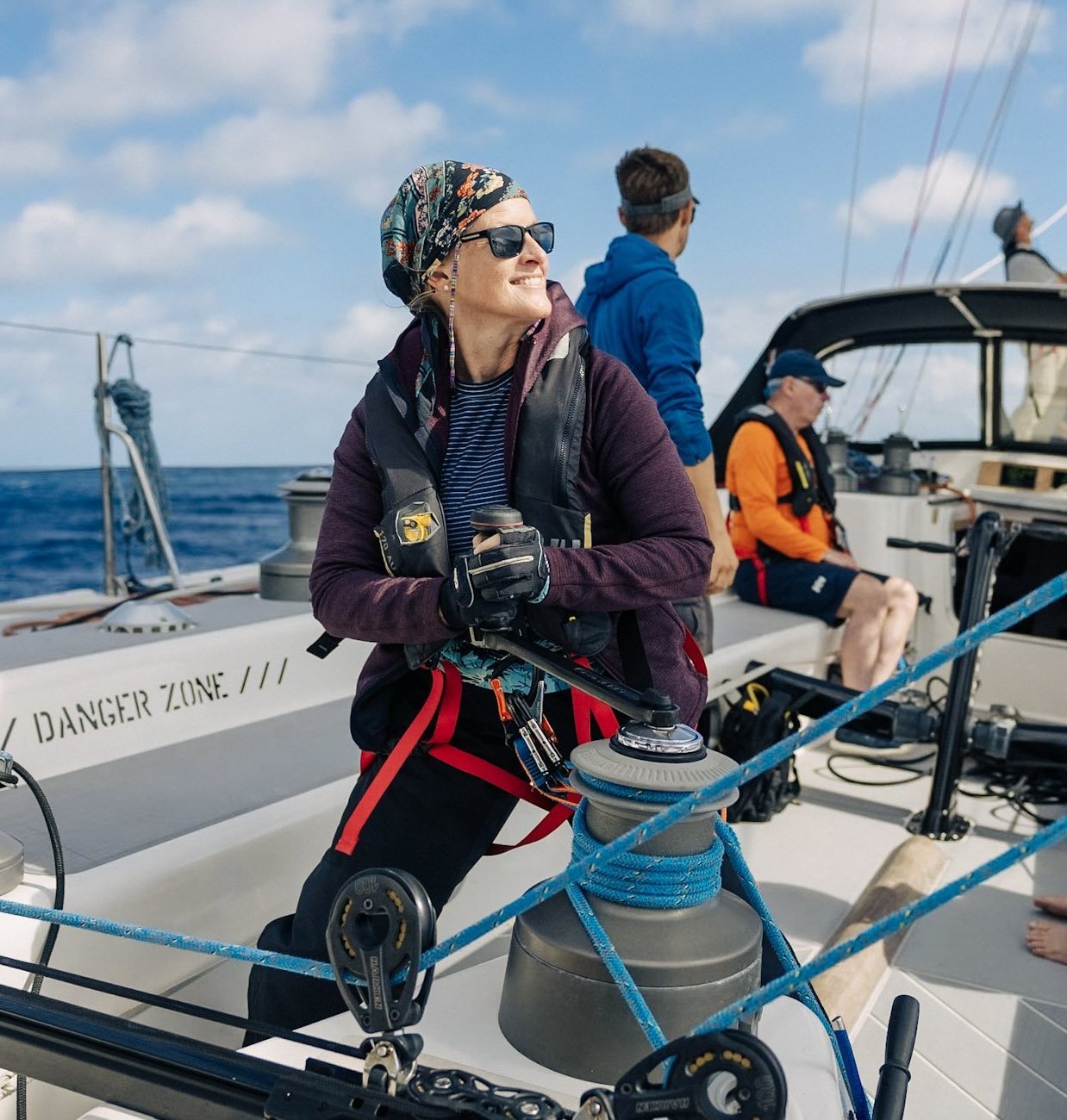
"As this was my first major passage, I wasn't sure what to expect. You have to have a lot of respect for people who choose offshore sailing for their profession. Erik and Ben were top-notch professionals, and my experience with 59º North was great!"
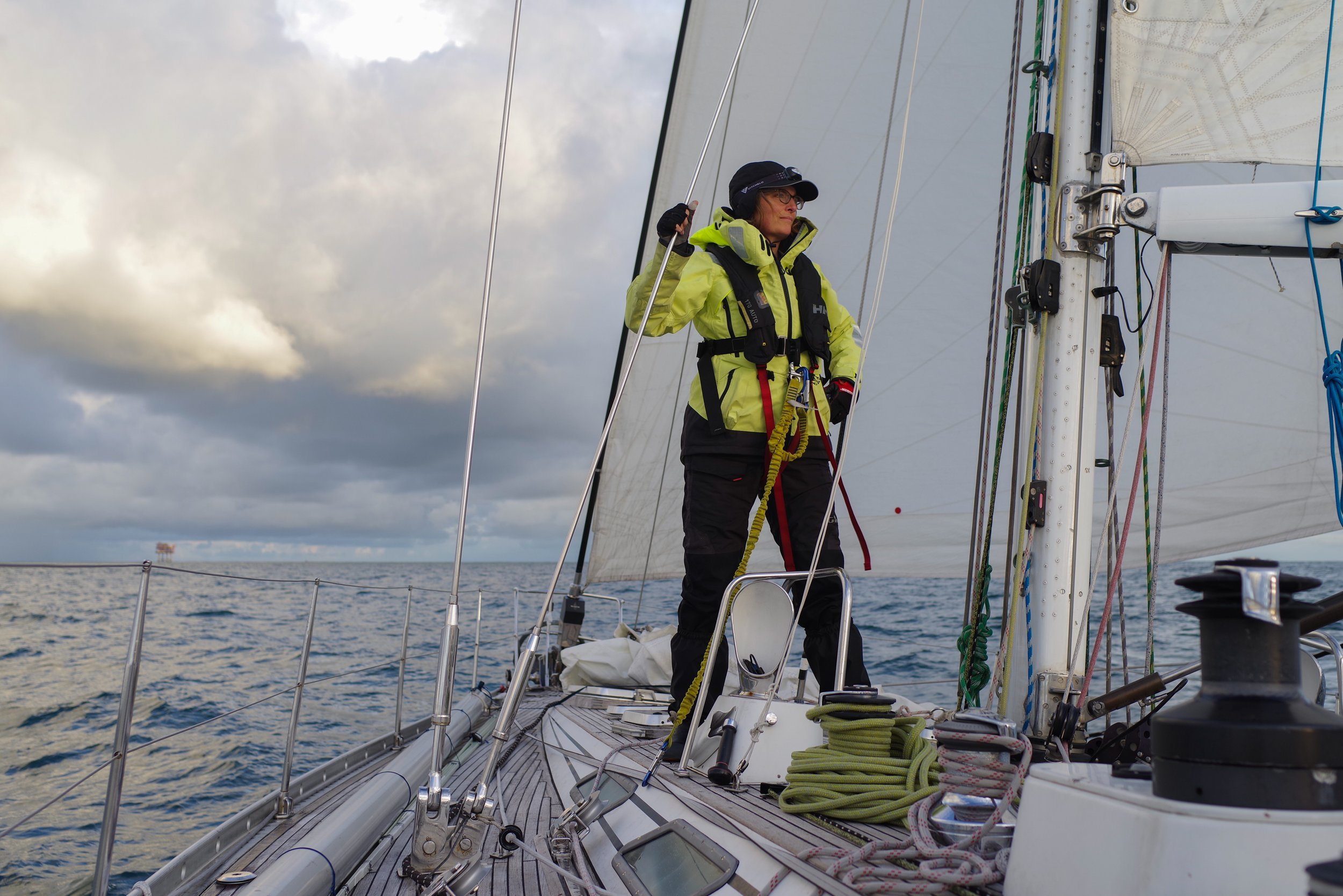
"I signed up for this passage hoping to spend an extended period offshore, learn new skills, increase my competencies and confidence, and sail with amazing crew mates—and this passage completely exceeded my expectations. The 59º North team brings impressive skill, experience, wisdom, and fun to each passage and crew, which is a huge part of why I returned for this second passage in twelve months. I recommend 59º North to all of my sailing friends who want to learn about offshore passage-making in a thorough and hands-on way from true professionals."
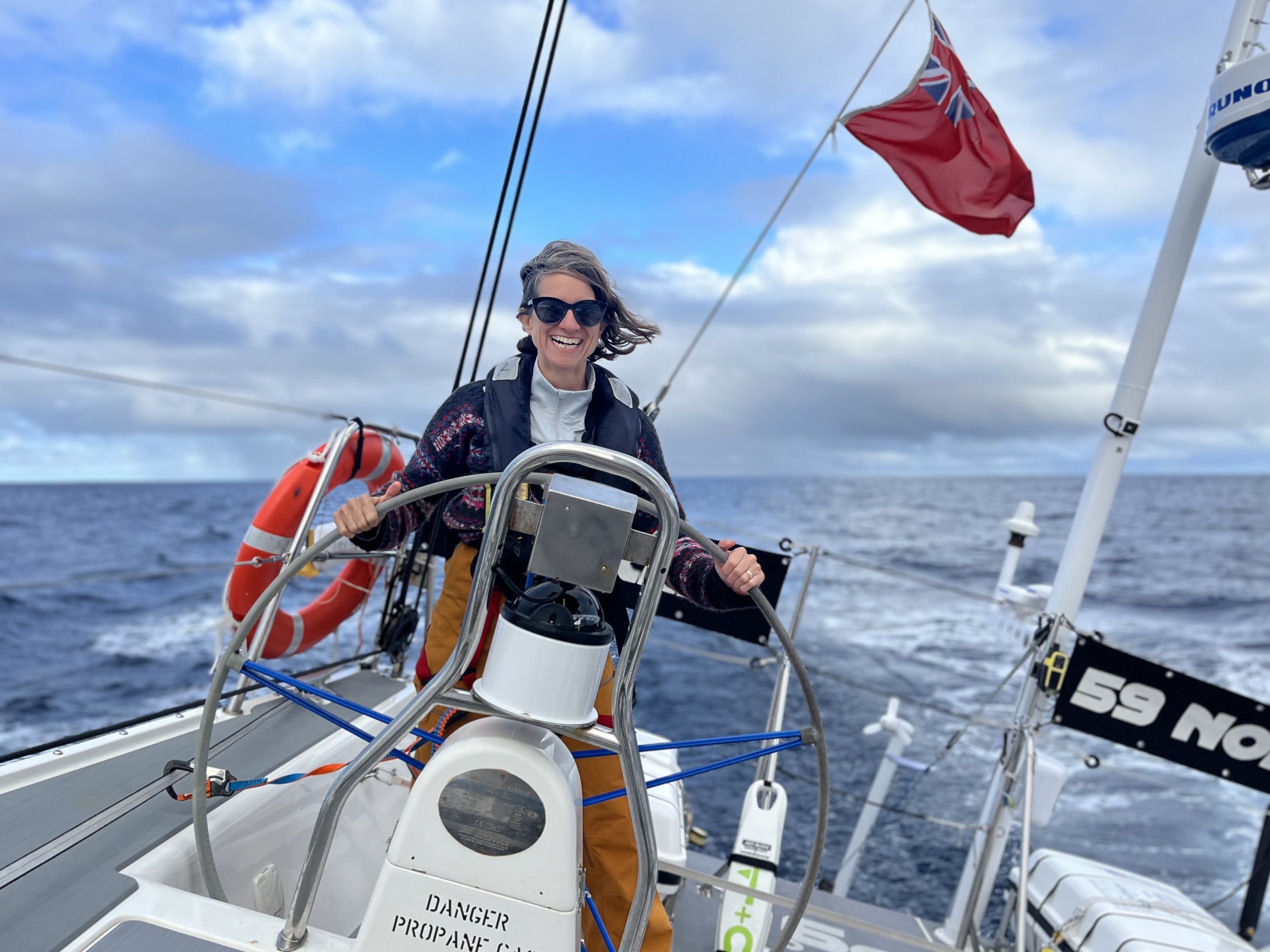
"Mark and I signed up for a multi-night sailing adventure and ended up with a life-altering week of utter delight. Alex and Mia created an atmosphere of trusting, loving community the second we boarded FALKEN, and we still can’t believe how they trusted us with their beautiful boat and the crew’s lives. We learned about sailing, charting, trimming sails, and working in teams with strangers, and experienced everything from flat calm to huge swells, dolphins, and whales. We’ve been off the boat for four days and are already obsessed with going on another leg—what a week, 59º North!"
THE BOAT
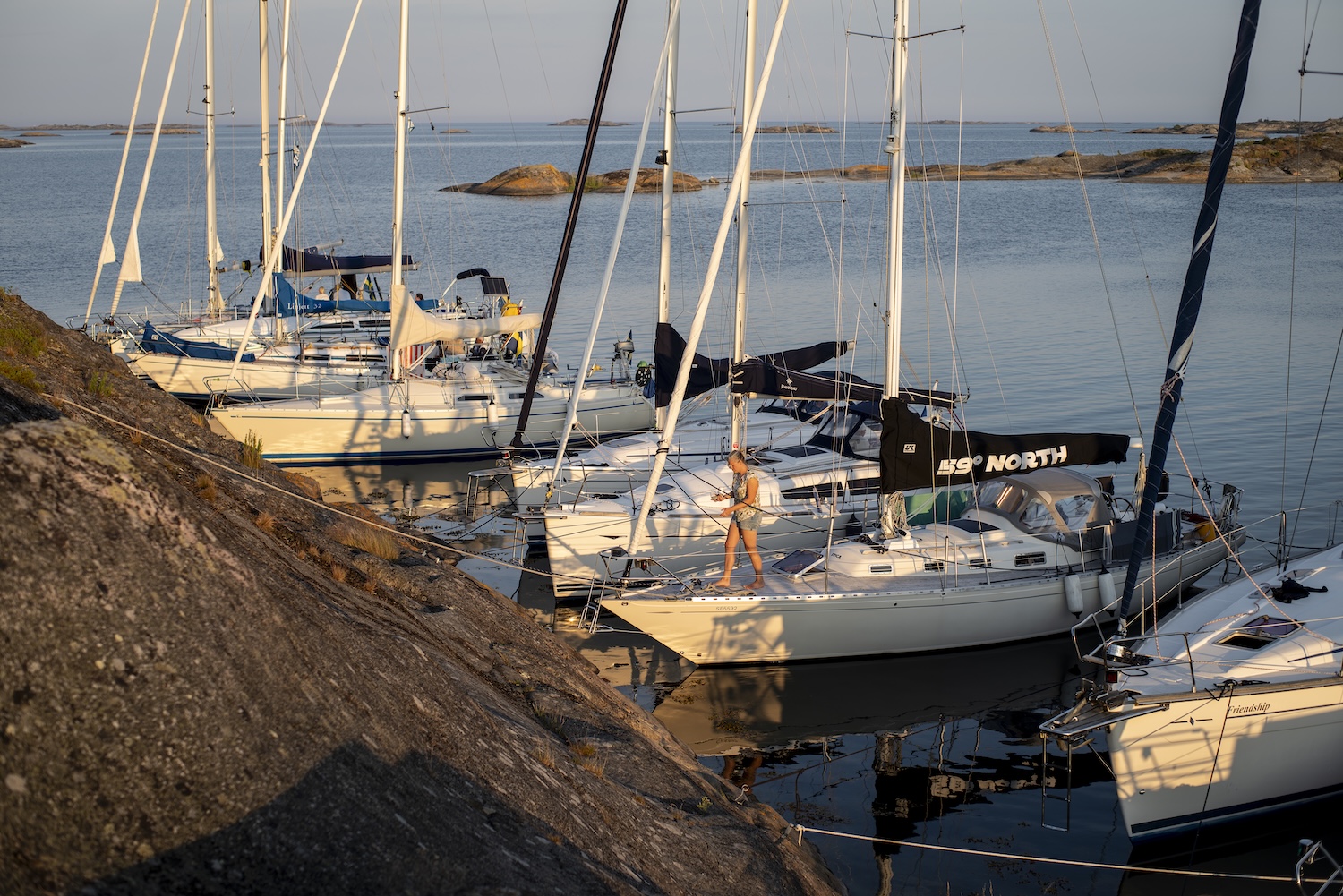

OE 36
'
SPICA
'
🇸🇪
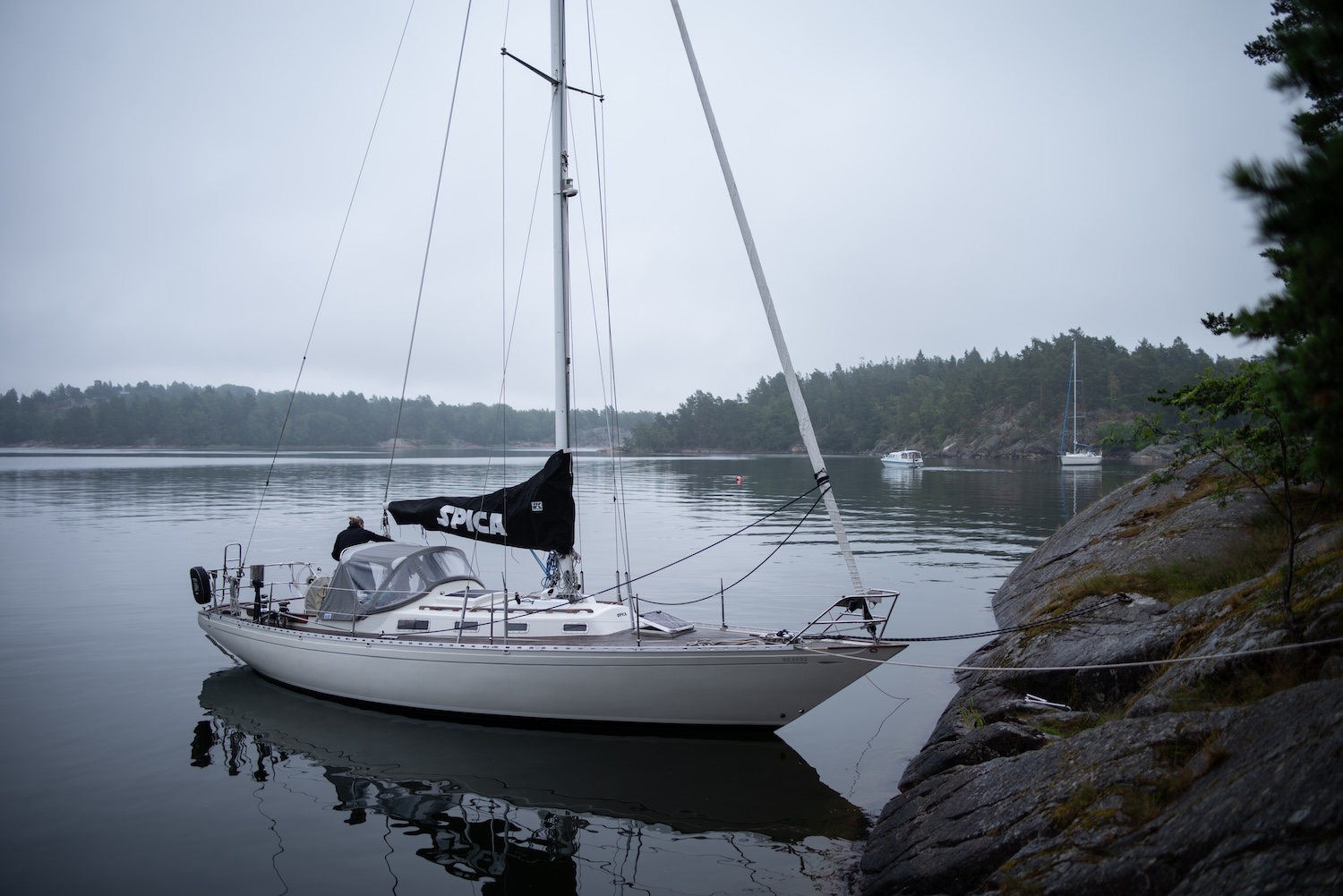
SPICA is my (Andy, writing this!) and Mia's family boat here in Sweden. Well, actually it's Axel's boat, our six-year-old! It's a classic Olle Enderlein 36, built in Sweden in 1971, and very much a "mini" ISBJØRN, both in underwater hull shape, deck layout and interior style and arrangement. When you sail on SPICA you will be joining our family's summer home here in Sweden. When we have crew onboard, we sail with 3 plus me (Andy!) as skipper.
packing lists & notes
Cold | Warm Packing List
This will be a "transitional" passage, either starting in warmer climes and increasing in latitude until it's significantly cooler, or vice versa. Another one of those trips where you'll need to pack one of everything for changing conditions. See the packing list for specifics.
Packing Notes
Start here when planning your packing for sailing with 59º North. This list includes the general basics for all of our passages. The passage-specific packing lists offer more details.