2026-6 | FALKEN | Tahiti-Bora Bora Cruising
(Note that we offer a % discount if you pay by cash/bank transfer.)
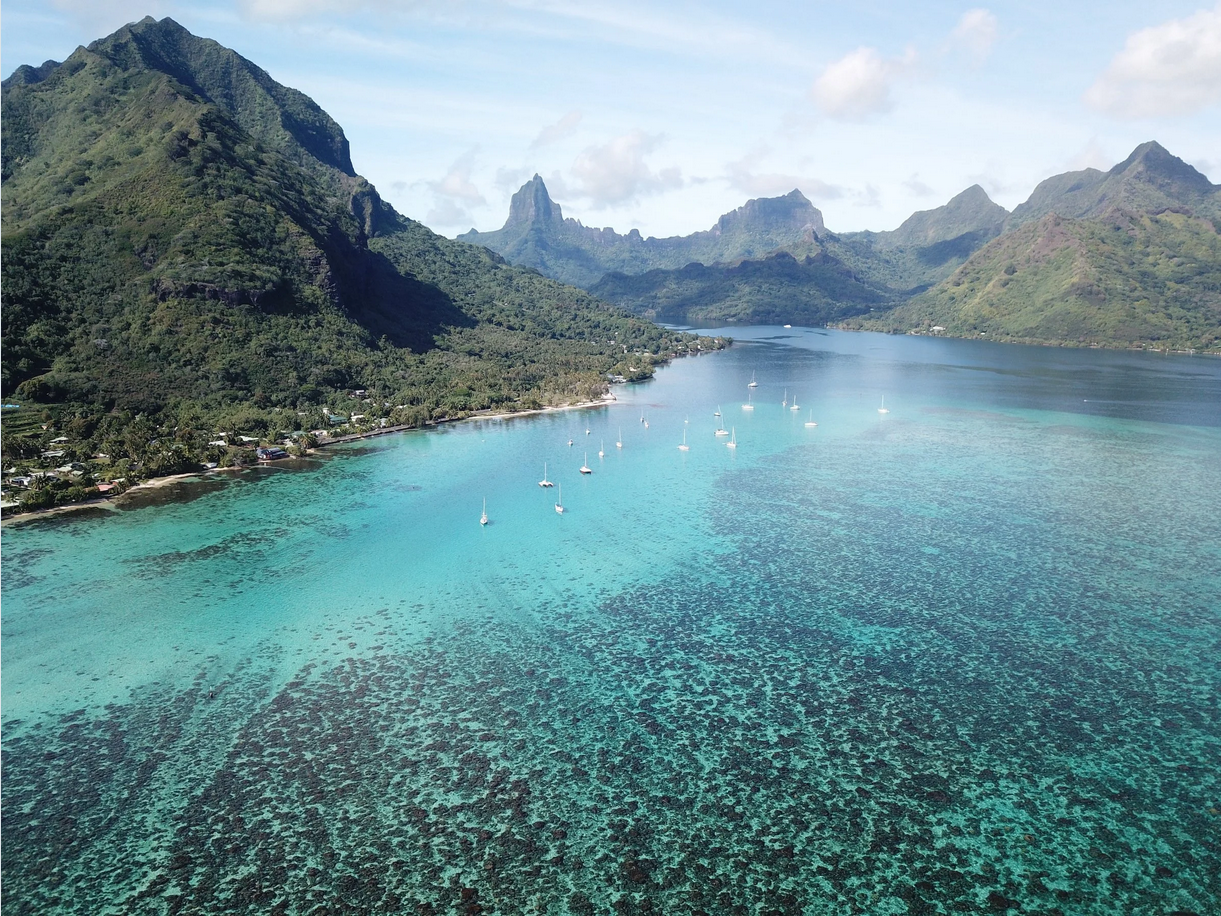
Join us in French Polynesia for a beautiful cruising passage of these iconic South Pacific islands. Meet in Tahiti where we’ll sail the 150-miles or so over to Bora Bora, stopping at Mo’orea on the way if conditions allow. Explore Bora Bora, then return upwind to Pape’ete after a week or so. This is a different type of trip from our normal offshore passages, with time to swim, anchor, explore ashore and experience French Polynesia at its best!
The Passage
Rough itinerary
All 59º North passages are very much subject to weather. We pick our routes based on the "correct" time of year to be sailing in the different regions we visit, and we always build-in enough time to give us some margin for weather windows. The skipper has final say on departure dates and weather windows, but generally speaking, the intinerary for this passage will look like this:
May 19, 2026
Crew arrive to FALKEN at 1300 in Papeete, Tahiti. FALKEN orientation followed by crew dinner. All crew stay onboard FALKEN.
Prep Days
Between the joining and departure dates, all pre-passage preparation, provisioning, and safety briefings will be completed. The specific pre-departure schedule will be outlined and posted onboard FALKEN by the skipper.
May 20, 2026
Scheduled departure, weather dependent.
May 26, 2026
Latest date (12:00 noon) for crew to depart FALKEN from Papeete, Tahiti.
PASSAGE DETAILS
FALKEN will start and end the passage in Marina Taina, Papeete, Tahiti.
TRAVEL LOGISTICS
Papeete
Weather conditions
Expect warm, tropical sailing with steady trade winds at your back—generally settled and pleasant, though you'll feel some lively swell rolling through, keeping things spirited but comfortable as you sail these classic South Pacific waters.
In-depth analysis, by WRI

WHY 59º NORTH?
ambitious sailing schedule
The best boats
WOMEN BUNKS GUARANTEED
Professional, well-paid staff
knowledge & community
Why it costs what it costs...

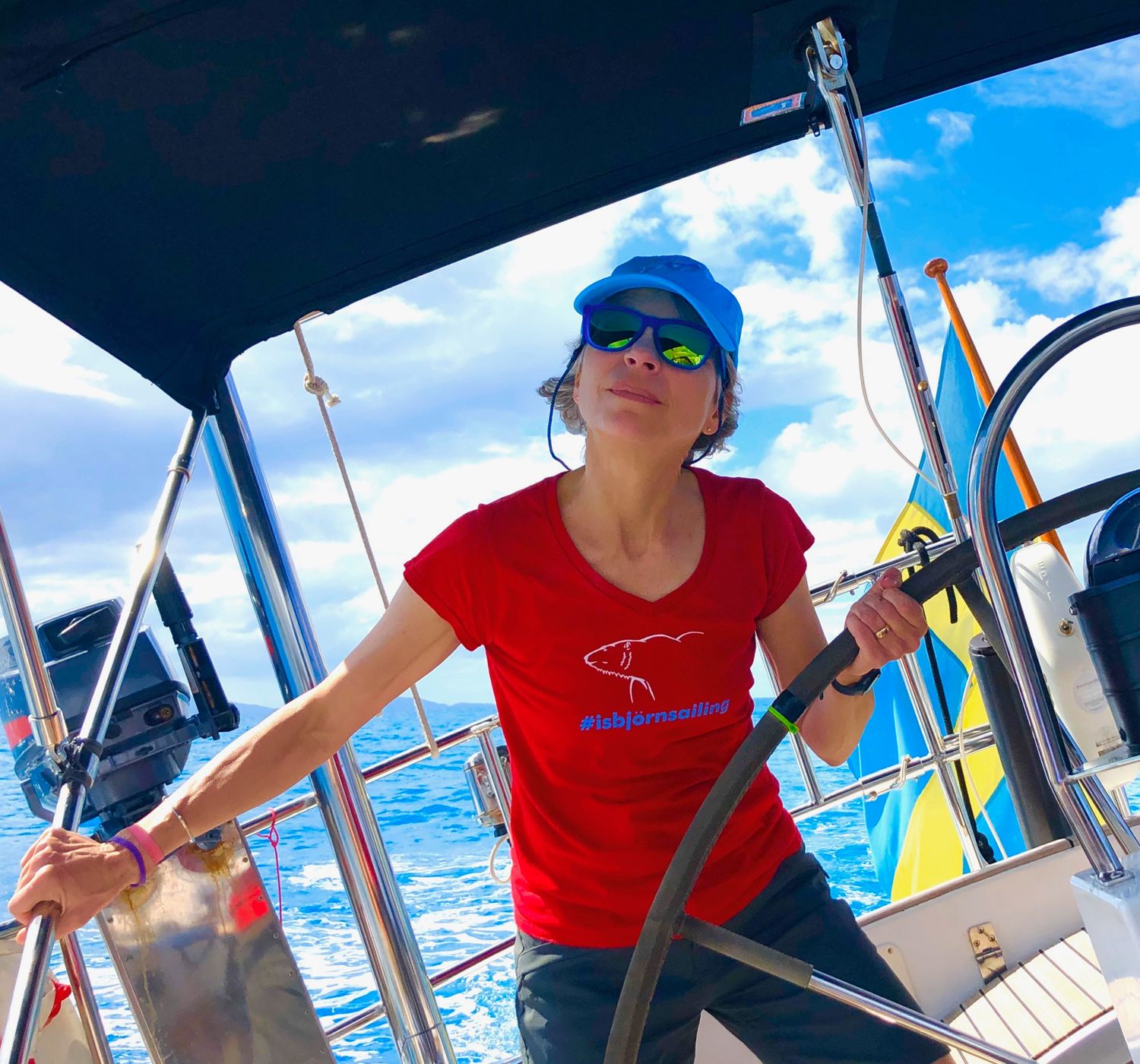
"Having sailed on ISBJØRN in 2019 from Puerto Rico to Key West, I was excited to join another 59º North passage. Meeting the crew in Las Palmas for the trans-Atlantic passage on FALKEN was a fantastic experience, sharing cultural perspectives and sailing knowledge with people from six different countries. I learned so much, from safety procedures to specialized sail trimming, and made great friends on that journey."

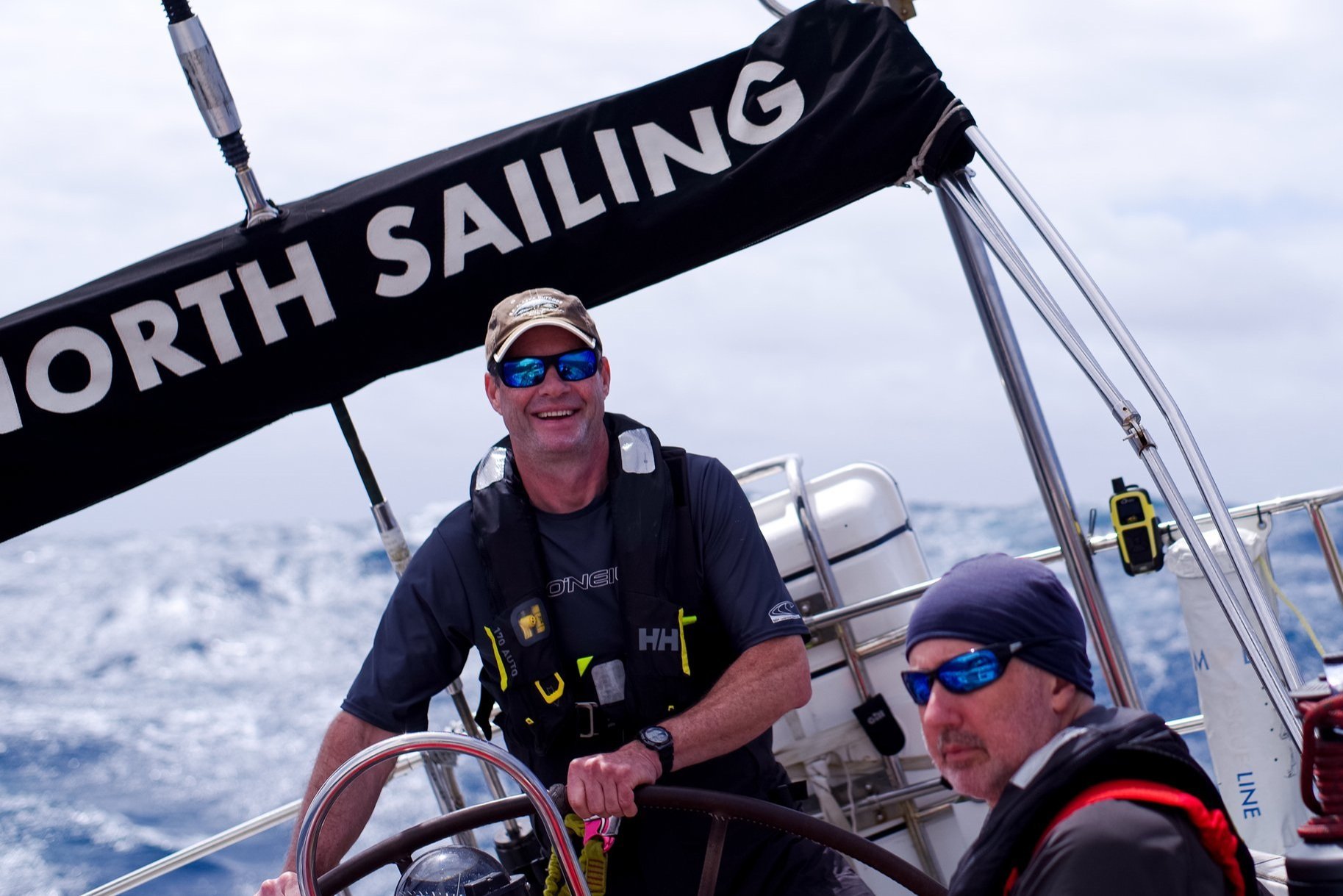
"There are so few opportunities in our lives, unless we seek them out, for adventure, exploration, and personal challenge. Doing hard things results in personal satisfaction and makes life meaningful. If people don't understand that and want more creature comforts than 59º North trips offer, then they're not the right people for you. Keep doing what you're doing and there will be plenty of crew who share your values wishing to join you."
"Before 59º North I didn't know my bowsprit from my binnacle and suffered from low sailing esteem. After two weeks of 59º North, what a difference! As a longtime podcast listener, I arrived for my Bermuda to Horta transatlantic with high expectations, and they were all not just met but exceeded. I could not imagine a skipper and mate more professional and enthusiastic than Andy and Emma."

"This was my second trip with 59º North, and once again it was absolutely fantastic. The crew quickly became a friendly, supportive team, and living in close quarters felt natural and easy. Jon set the perfect tone as skipper, sharing his knowledge with clarity and patience, and Mia’s behind-the-scenes planning made everything seamless. Sailing with 59º North is about growing as a sailor, sharing adventure, and making lasting memories."
"Cruelling and unforgettable! I knew I would be inspired by Nikki and Alex—true professionals—but it was the inspiration I took from my crewmates that will stay with me for a lifetime. As a blue water cruiser, this experience definitely made me a better ocean sailor!"

"This trip across the North Sea from Bergen (Norway) to Oban (Scotland) was awesome! It offered hands-on learning about navigation, lots of sail handling, and a wide range of weather, wind (up to 35 knots!), and sailing conditions. Jon Amtrup is a highly experienced skipper—and he helped me fill in the gaps!"
"As this was my first major passage, I wasn't sure what to expect. You have to have a lot of respect for people who choose offshore sailing for their profession. Erik and Ben were top-notch professionals, and my experience with 59º North was great!"
THE BOAT
Farr 65
'
FALKEN
'
🇬🇧
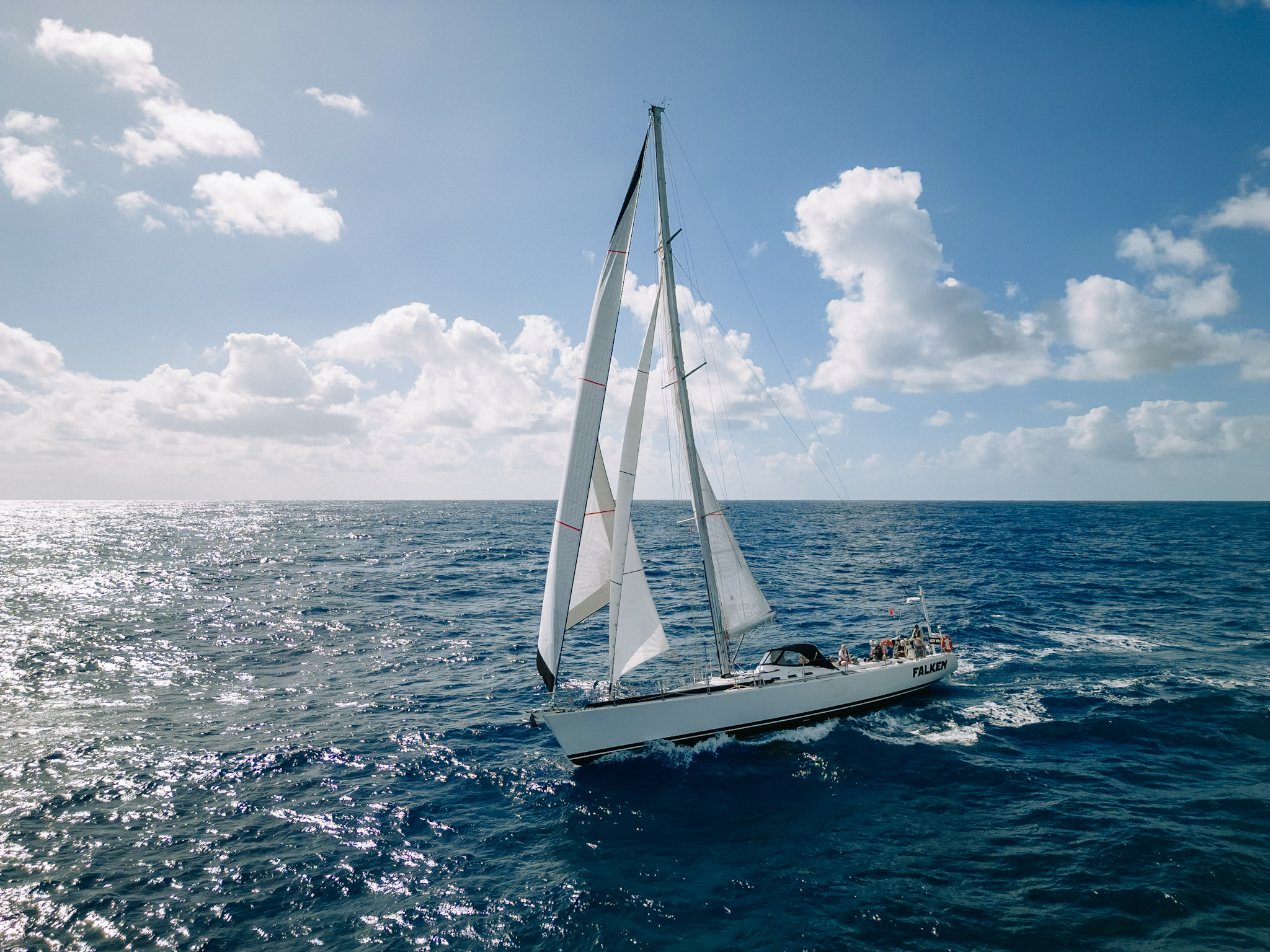
FALKEN is ideally set up for long-distance offshore sailing. We fully rebuilt the boat in 2022 to our exacting specifications and with the help of legendary yacht designer Bob Perry. She's comfortable belowdecks and each crew has their own dedicated sea berth & gear locker. On deck she has a huge cockpit which easily seats 10 people for our daily meals offshore, and allows for plenty of room to move about when handling lines and trimming sails. She's also easy to maintain, fast and fun to sail! FALKEN sails with 8 crew plus a Skipper & Mate and the occasional apprentice.
packing lists & notes
Tahiti-Taha’a and a birthday
Bora Bora who? Leg 6 crew are aboard and setting their sights on the lesser-known gems of French Polynesia — Taha'a and Huahine — where vanilla farms, manta rays, and drift coral snorkels await. The new anchorage booking system is a noble idea in theory, though its website appears to share the reliability of the wind, which has cheerfully decided to blow from exactly the wrong direction. It's upwind sailing, birthday cake, and uncharted territory from here.
Taha’a-haha (say that correctly five times fast)
Ten heads bobbing around the stern, cold beers hidden a meter below the waterline, and coconuts dodged through the reef — the crew of NORDIC FALKEN have arrived at Taha'a, and they're wasting no time. First Mate Pheebs reports from a golden-hour anchorage in the Society Islands, where strangers became shipmates somewhere between Papeete and paradise. Manta rays and what might be the world's best coral drift snorkel are on tomorrow's agenda — if Skipper Mary's mushroom risotto doesn't slow anyone down first.
Tantalizing Taha’a
Turns out you can fit eleven people, a treasure hunt, and two manta rays into a single day — if you're willing to putt across a lagoon in an electric dinghy at dawn. Taha'a delivered one of the trip's top snorkeling spots: a floating coral garden where stingrays, reef octopuses, and parrotfish crunching on coral competed for attention. The only casualty? Mary, stuck aboard wrestling the watermaker — though she still managed to produce poke bowls for eleven by dinner.
Going Coconuts!
From a muddy anchor bow to a heeling, wind-charged run past Taha'a's reefs, Falken's crew earned every knot of the passage to Huahine-Iti. Scooters, a near-miss dog, a mosquito ambush, and a crocodile lurking at the dock rounded out a day that had no business being as good as it was. The coconut nut is, in fact, a really big nut—and somehow that tracks perfectly.
A Day in Huahine
Hitchhiking with Mormons, hunting for Pareos, and saying goodbye to crew — all before most people finish their morning coffee. A pina colada hangover is no match for a full agenda on a small island where the only taxi has already left with your friends. The question is whether you can pull it all off and still make the tide.
The sun sets on another journey
The hardest part of sailing across French Polynesia wasn't the night watches, the heat, or the open ocean — it was the prospect of being trapped on a small boat with a group of strangers. First-timer Natalie boards as a self-described land crab and discovers that the sea has a way of reshaping both your sea legs and your assumptions. What follows is dolphins, sharks, the Milky Way in full technicolour, and a crew that somehow made the whole thing better than she ever imagined.