2027-17 | FALKEN | Plymouth-Madeira
(Note that we offer a % discount if you pay by cash/bank transfer.)
Where North Americans pay utmost respect to the Gulf Stream when heading south to the Caribbean, Europeans are equally cautious about the legendary Bay of Biscay and its notorious weather. This is the big one—perhaps the highest chance of heavy weather on our entire sailing season and a great chance to learn more about weather-routing and forecasting. Thanks to our orca friends near mainland Portugal, we're going to stay offshore and go direct for Madeira instead of risk a run-in with the whales. But, what that gives us is an awesome open-ocean passage, some 1,200 miles to one of the Atlantic's least-visited and most incredible islands at Madeira! We stopped in Madeira only once in 59º North's history, aboard ISBJØRN in 2018, and we're stoked to go back! FALKEN will deliberately leave from Plymouth, which is about as far west in England as we can get to position ourselves for the prevailing SW'ly winds as we head south. Once across Biscay, the weather warms and the sailing gets easier as we sail down the coast. You can expect a wide variety of conditions on the trip south. This will be FALKEN's 4th Biscay crossing, and the 7th time we've sailed the route with 59º North, and I think each time has been different. The weather changes quickly this time of year, with low-pressure systems and their associated fronts marching across every few days. So pack the layers and be prepared for a variety of points of sail on the way south.
The Passage
Rough itinerary
All 59º North passages are very much subject to weather. We pick our routes based on the "correct" time of year to be sailing in the different regions we visit, and we always build-in enough time to give us some margin for weather windows. The skipper has final say on departure dates and weather windows, but generally speaking, the intinerary for this passage will look like this:
October 19, 2027
Crew arrive to FALKEN at 1300 in Plymouth, United Kingdom. FALKEN orientation followed by crew dinner. All crew stay onboard FALKEN.
Prep Days
Between the joining and departure dates, all pre-passage preparation, provisioning, and safety briefings will be completed. The specific pre-departure schedule will be outlined and posted onboard FALKEN by the skipper.
October 21, 2027
Scheduled departure, weather dependent.
October 31, 2027
Latest date (12:00 noon) for crew to depart FALKEN from Funchal, Portugal.
TRAVEL LOGISTICS
Plymouth
Funchal
Weather conditions
Expect a brisk, autumnal passage across Biscay—cool and likely unsettled up top, with a real chance of lively seas and gusty fronts rolling through, gradually mellowing into warmer, more settled sailing as you carry south toward Portugal.
In-depth analysis, by WRI

WHY 59º NORTH?
ambitious sailing schedule
The best boats
WOMEN BUNKS GUARANTEED
Professional, well-paid staff
knowledge & community
Why it costs what it costs...
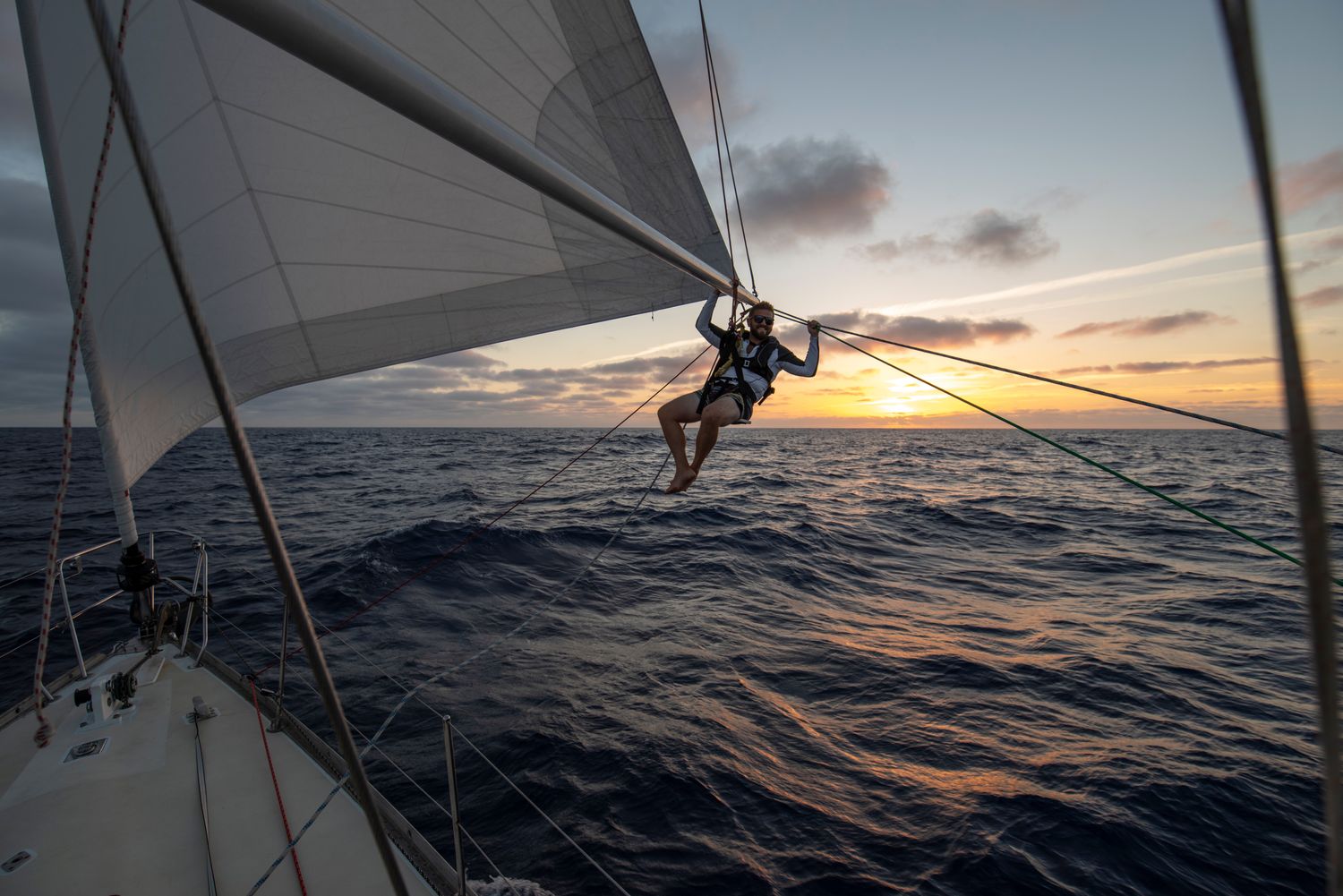
"Adventure, education, majesty... I can't imagine a better pair to introduce people to the sublime enterprise of offshore sailing. This trip will always live amongst my cherished memories. Thank you!"


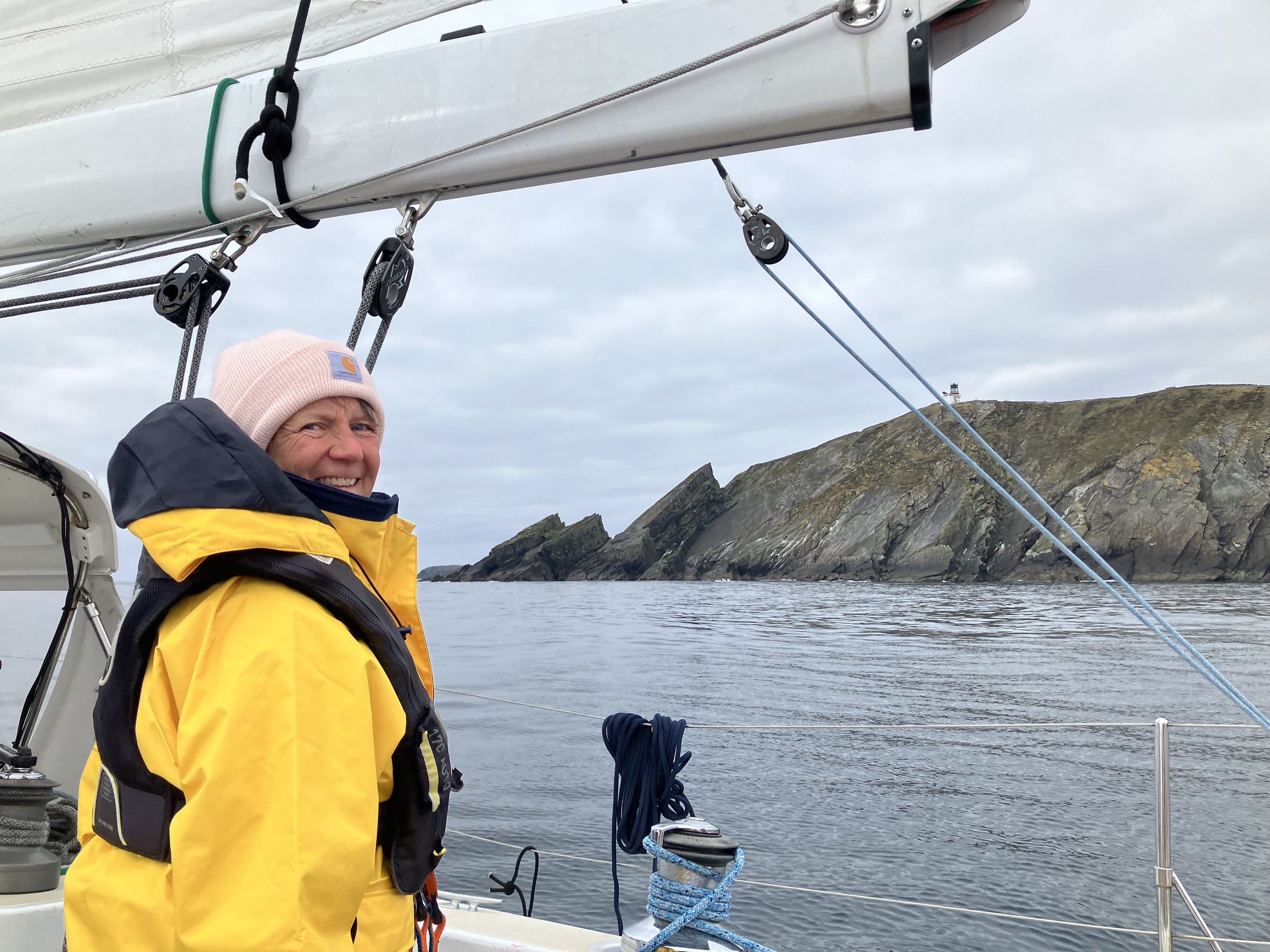
"The experience was more than I hoped for in every way. I felt completely at home on the open water in our mighty vessel and with a wonderful crew that quickly became family. All of the staff at 59º North were kind, professional, fun, knowledgeable, and friendly. I will be back!"

"I really didn’t know what to expect on my trip. I knew it was going to be about 800 miles, the Bay of Biscay is notoriously challenging, and there was a remote possibility of orca attacks. Thankfully, we were safe, but the Bay of Biscay did not disappoint, and we logged more than 1,000 miles. Our skipper and mate, Nikki Henderson and Emma Garschagen, far exceeded any expectation I had, and at no time did I ever feel unsafe, which allowed me to fully take in every experience. I learned a ton, had a great time, and left with a new sense of confidence that I never expected."
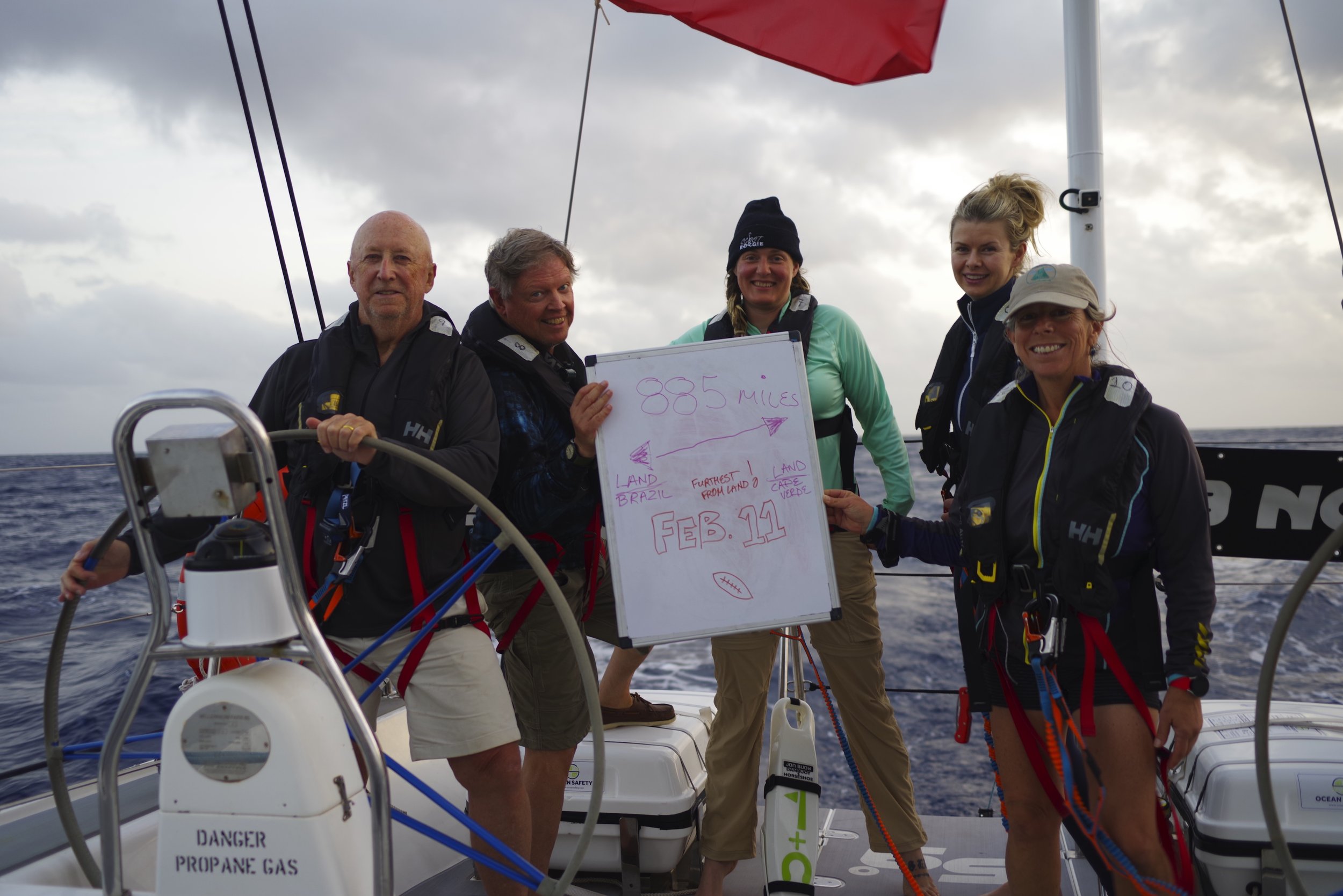
"My time on FALKEN crossing the Atlantic was highly rewarding and incredibly enjoyable. The trip was routinely challenging and always a lot of fun, allowing me to stretch myself and enjoy being absent from the rest of the world for a time. Unforgettable."
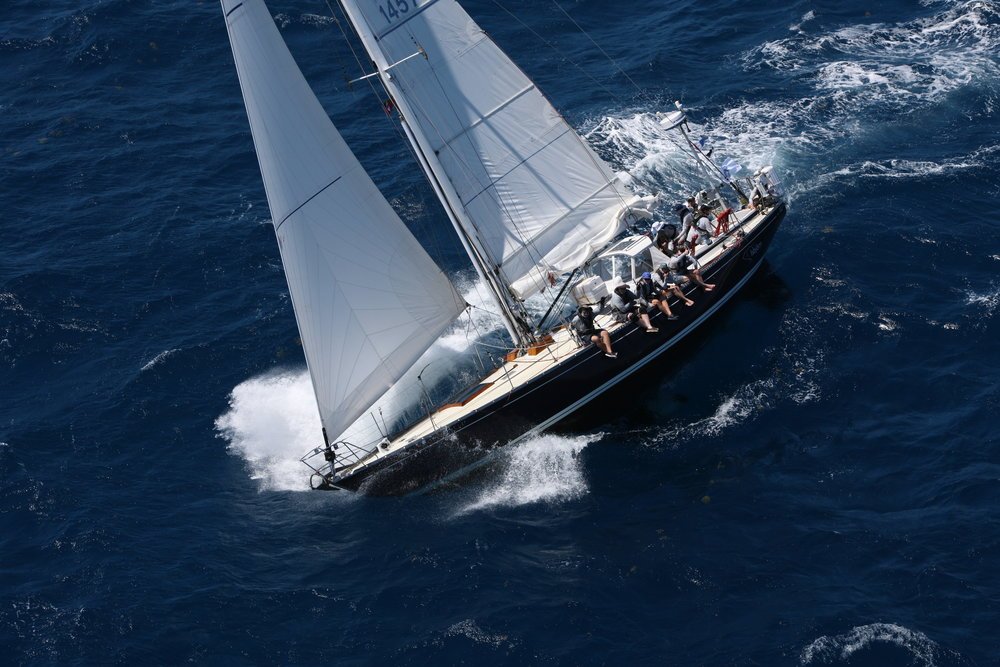
"Andy & Paul were amazing from the practice sails to the race itself; I never thought I'd be able to participate in such an exciting event. I'd also like to thank Liz & Lee, your first mates, who were always on hand to encourage us, teach us, and swap stories. I came away with tremendous respect for ISBJØRN, her captain, and the excellent crew she attracts. I'm definitely coming back."
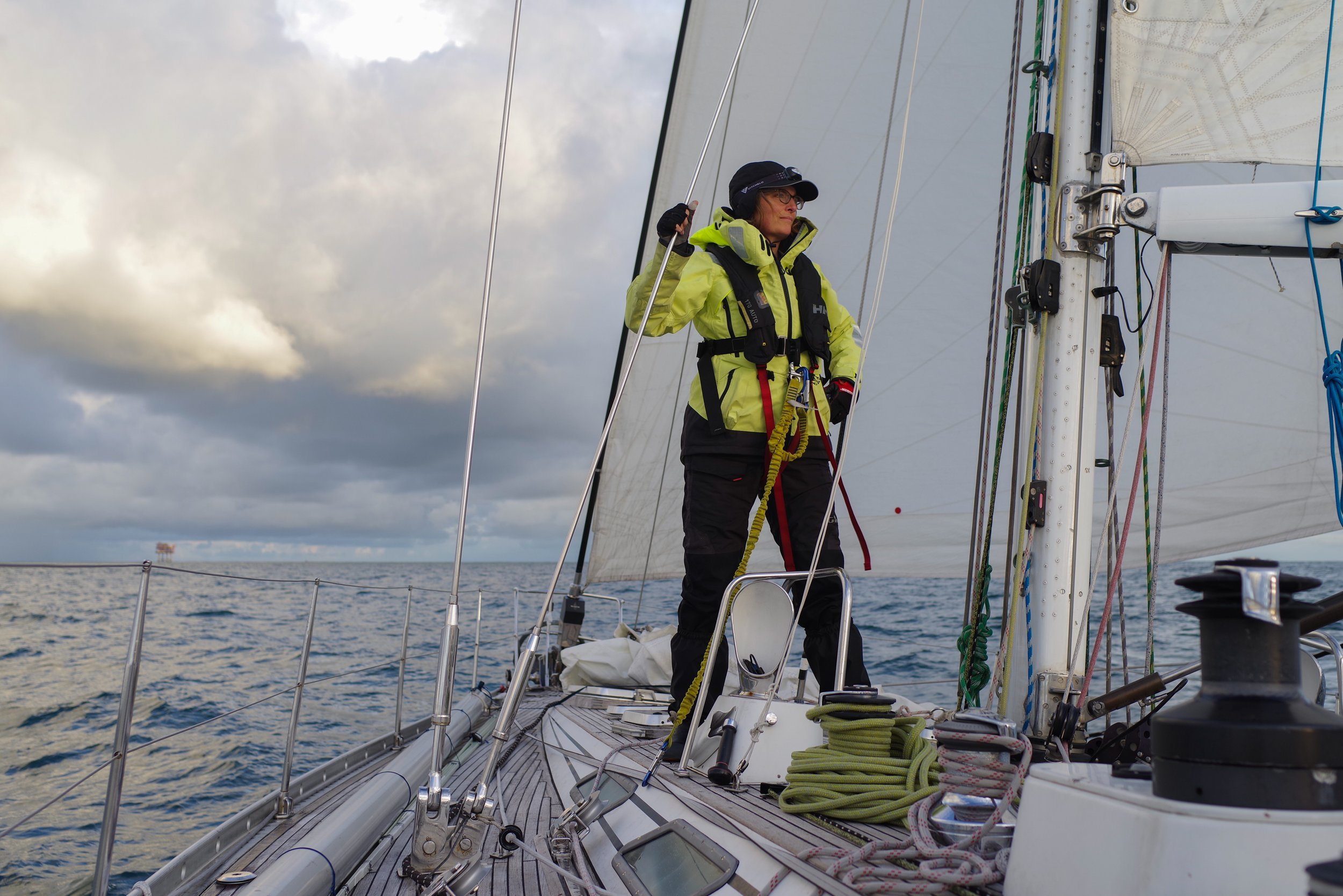
"I signed up for this passage hoping to spend an extended period offshore, learn new skills, increase my competencies and confidence, and sail with amazing crew mates—and this passage completely exceeded my expectations. The 59º North team brings impressive skill, experience, wisdom, and fun to each passage and crew, which is a huge part of why I returned for this second passage in twelve months. I recommend 59º North to all of my sailing friends who want to learn about offshore passage-making in a thorough and hands-on way from true professionals."
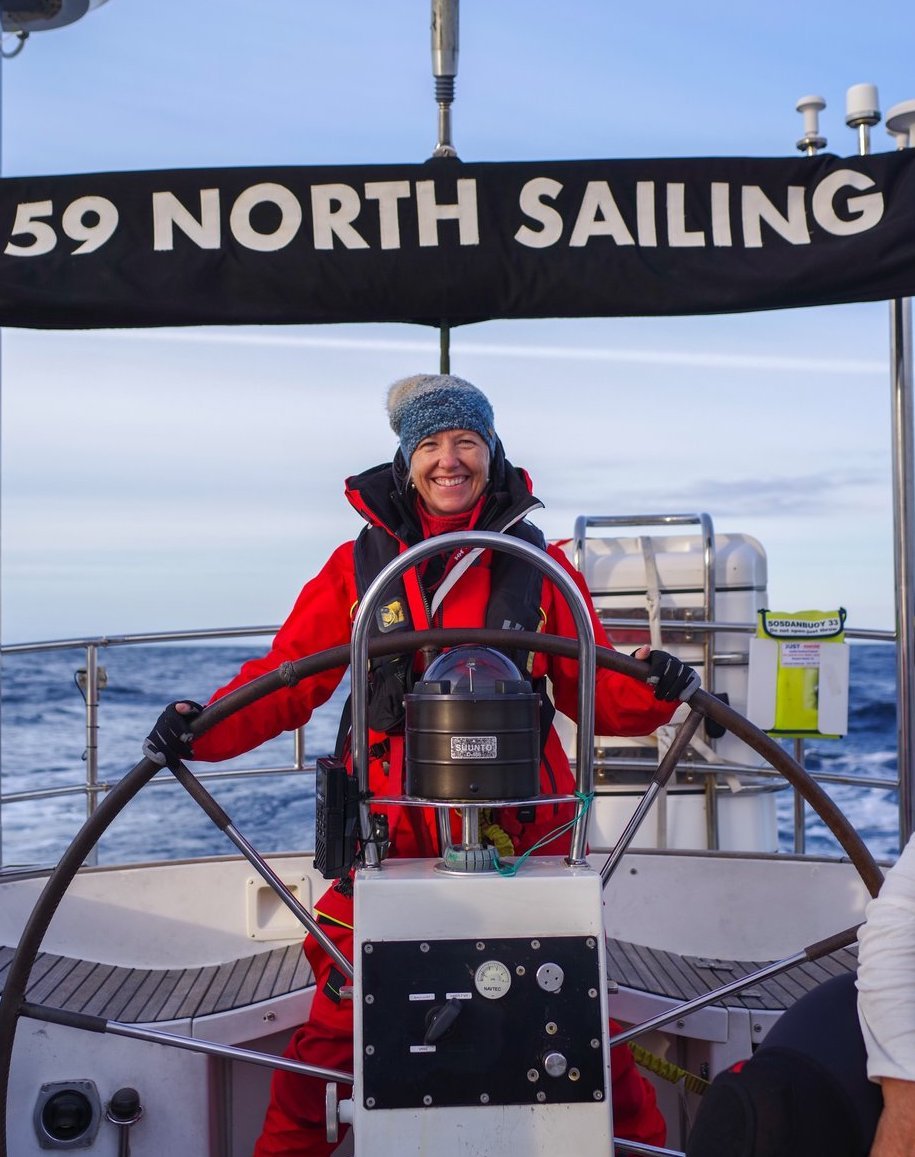
"The trip delivered on all my expectations and more. I wanted to experience sailing beyond my current boundaries, apply my skills, and learn from those around me. I felt able to embrace the whole experience because we had an excellent 59º North team that shaped us into a great crew on a well-prepared boat. If you are seeking ocean wisdom, you could not be in better hands."
THE BOAT
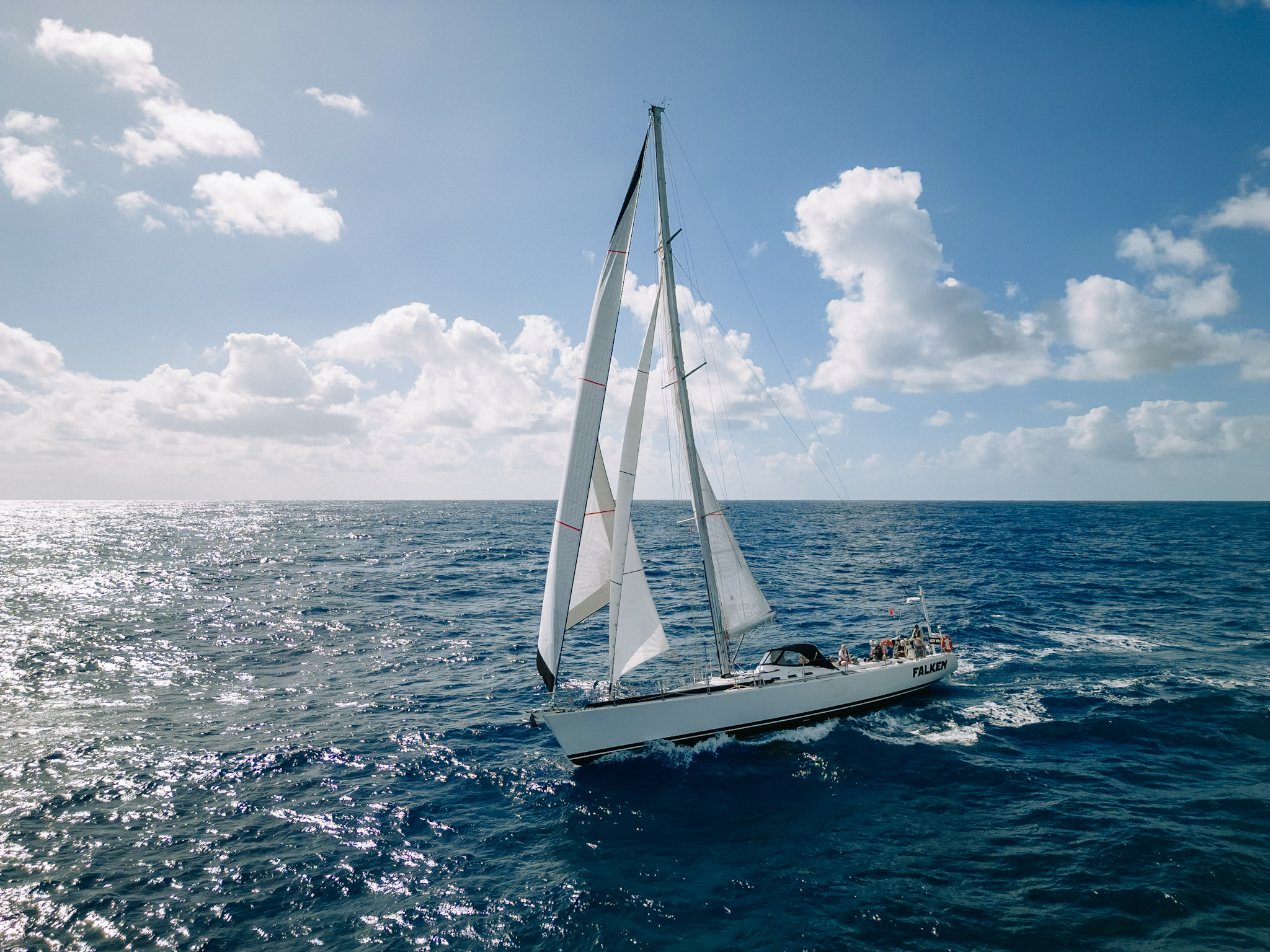
Farr 65
'
FALKEN
'
🇬🇧
FALKEN is ideally set up for long-distance offshore sailing. We fully rebuilt the boat in 2022 to our exacting specifications and with the help of legendary yacht designer Bob Perry. She's comfortable belowdecks and each crew has their own dedicated sea berth & gear locker. On deck she has a huge cockpit which easily seats 10 people for our daily meals offshore, and allows for plenty of room to move about when handling lines and trimming sails. She's also easy to maintain, fast and fun to sail! FALKEN sails with 8 crew plus a Skipper & Mate and the occasional apprentice.
packing lists & notes
Packing Notes
Start here when planning your packing for sailing with 59º North. This list includes the general basics for all of our passages. The passage-specific packing lists offer more details.
Cold | Warm Packing List
This will be a "transitional" passage, either starting in warmer climes and increasing in latitude until it's significantly cooler, or vice versa. Another one of those trips where you'll need to pack one of everything for changing conditions. See the packing list for specifics.