2027
FALKEN 2027
2027-1 | FALKEN | San Diego-San Jose del Cabo
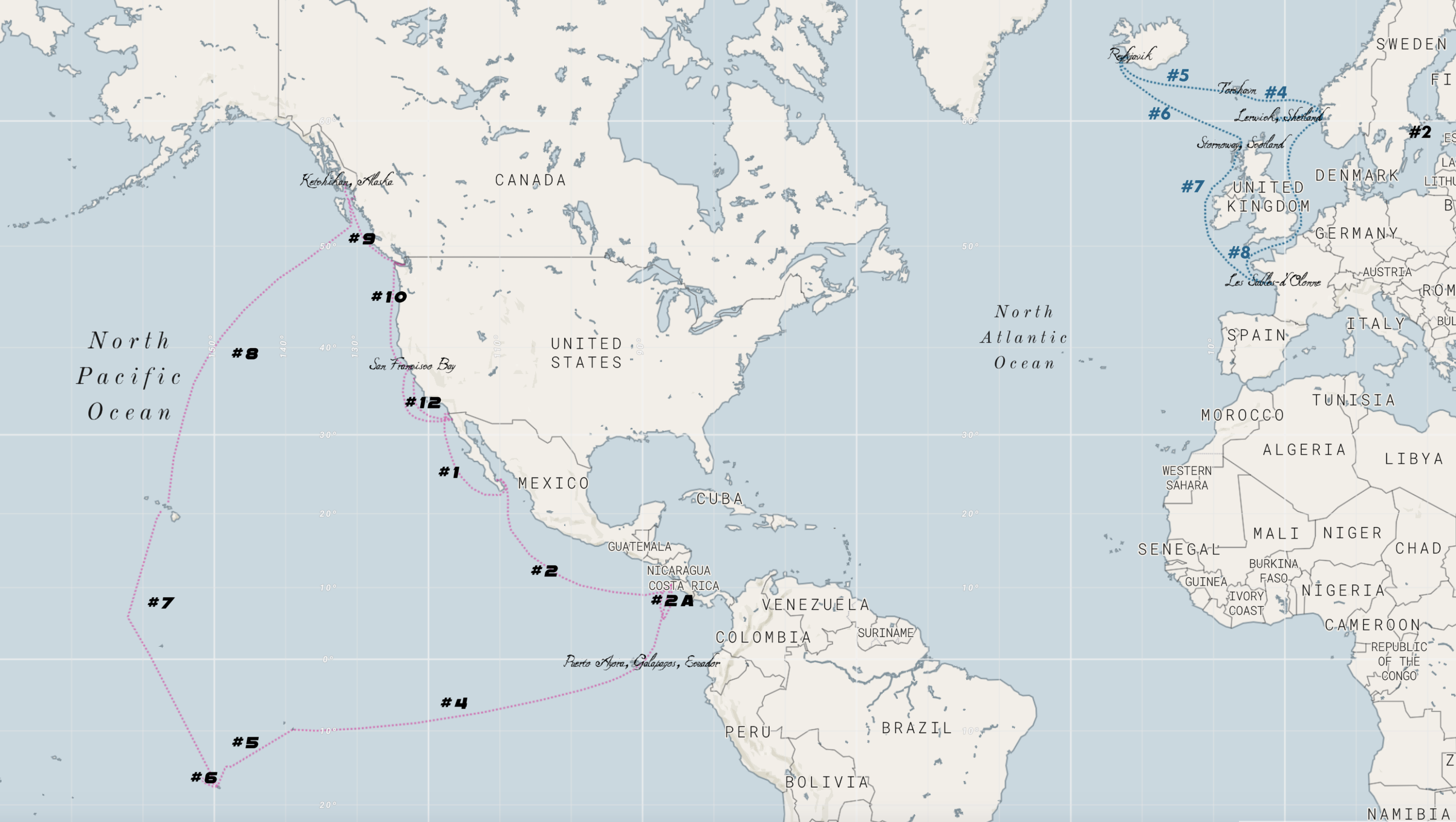
FALKEN starts her journey back to the home waters of the Atlantic as we head south from our off-season quarters in San Diego towards Mexico and the Baja Peninsula. Escape the northern winter with some warm Pacific breezes. This passage might have the highest chance of seeing wildlife as any of ours, so get your whalewatching binoculars out!
2027-2 | FALKEN | San Jose del Cabo-Costa Rica
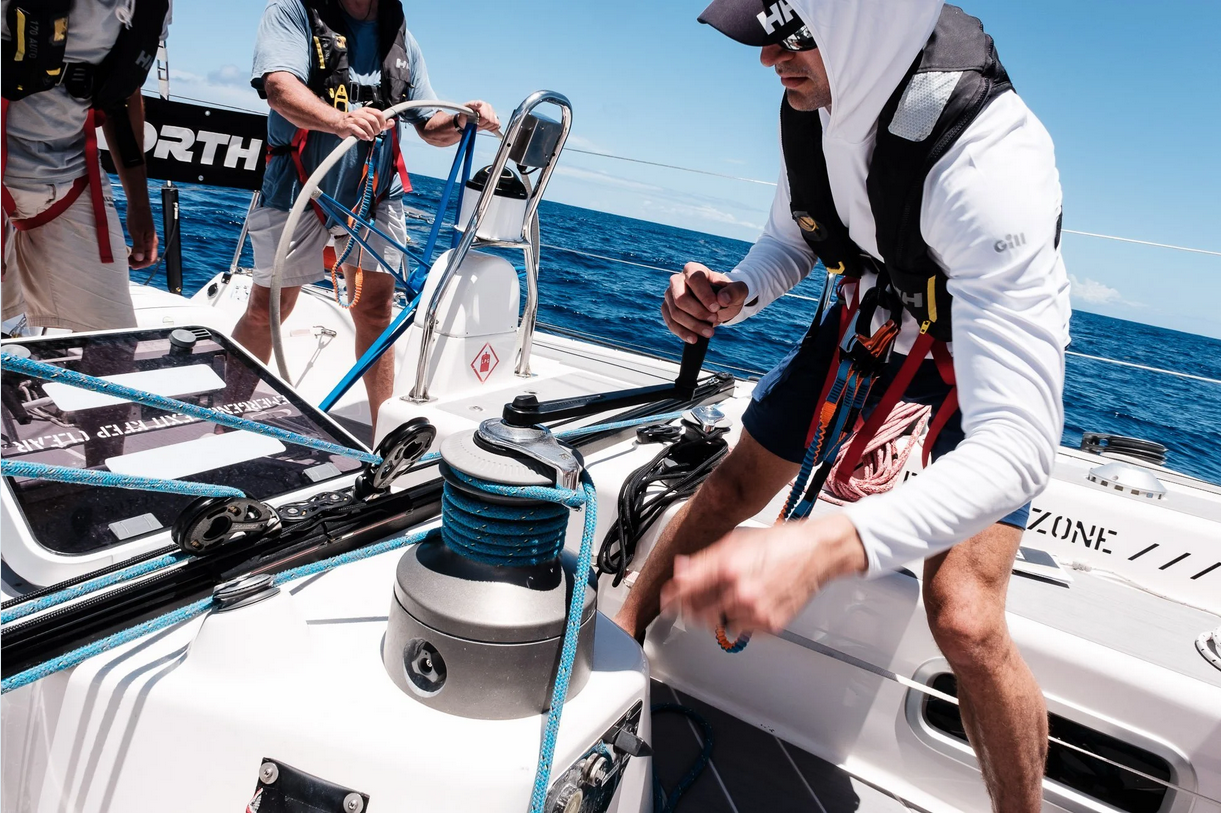
It's a looooong way down the coast of Mexico and Central America, and we've got our sights set on a new landfall in Costa Rica after almost 2,000 miles at sea from San Jose del Cabo on the Baja Peninsula. The typical weather conditions this time of year will make for an easy downwind run in tropical temperatures and with ample opportunity for wildlife sightings.
2027-3 | FALKEN | Costa Rica-Panama (Canal Transit)
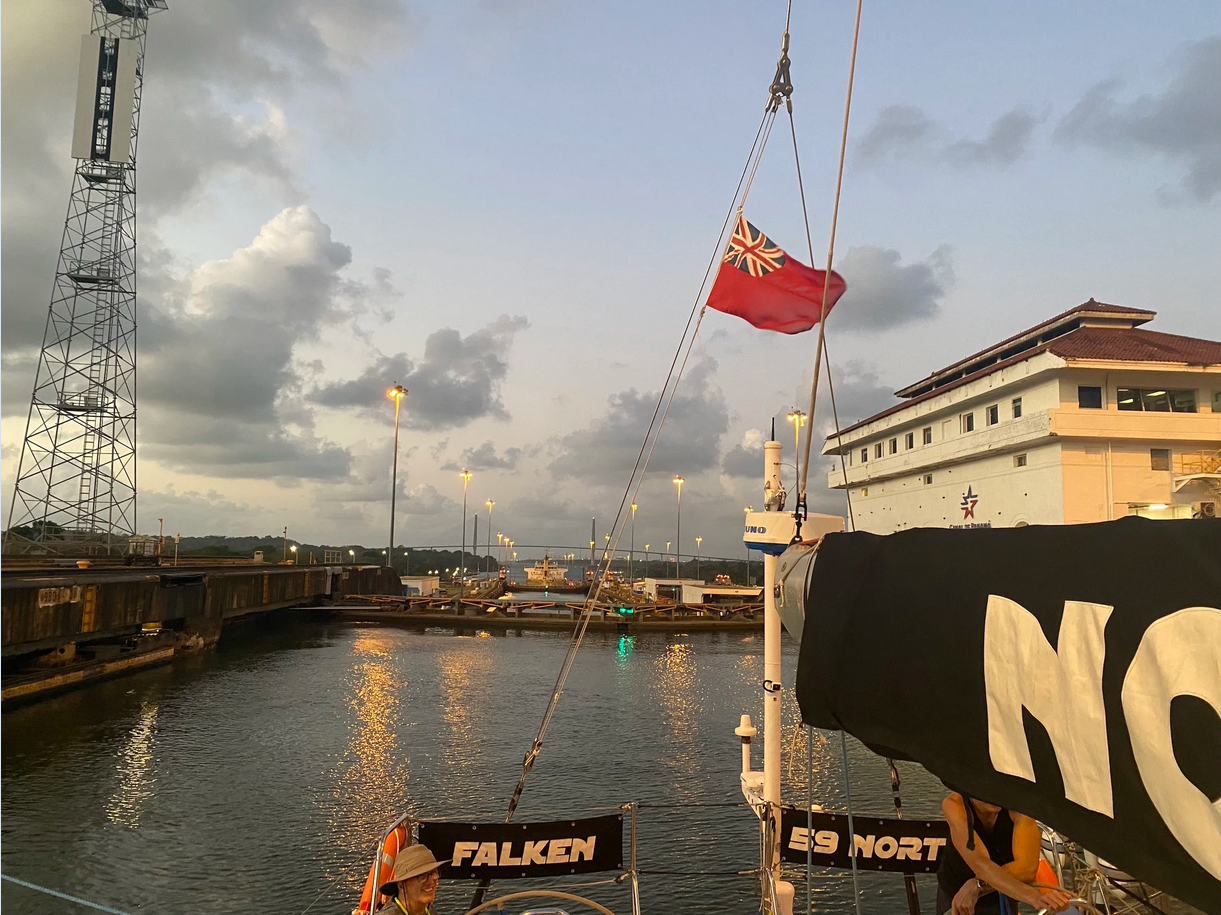
The return to the Atlantic! Join FALKEN after she's had a maintenance period in Costa Rica and get in 650-miles of ocean sailing followed by a bucket-list transit of the famed Panama Canal! Be the first crew to welcome FALKEN back into familiar waters in the Atlantic!
2027-4 | FALKEN | Panama-Providencia-Cayman Islands
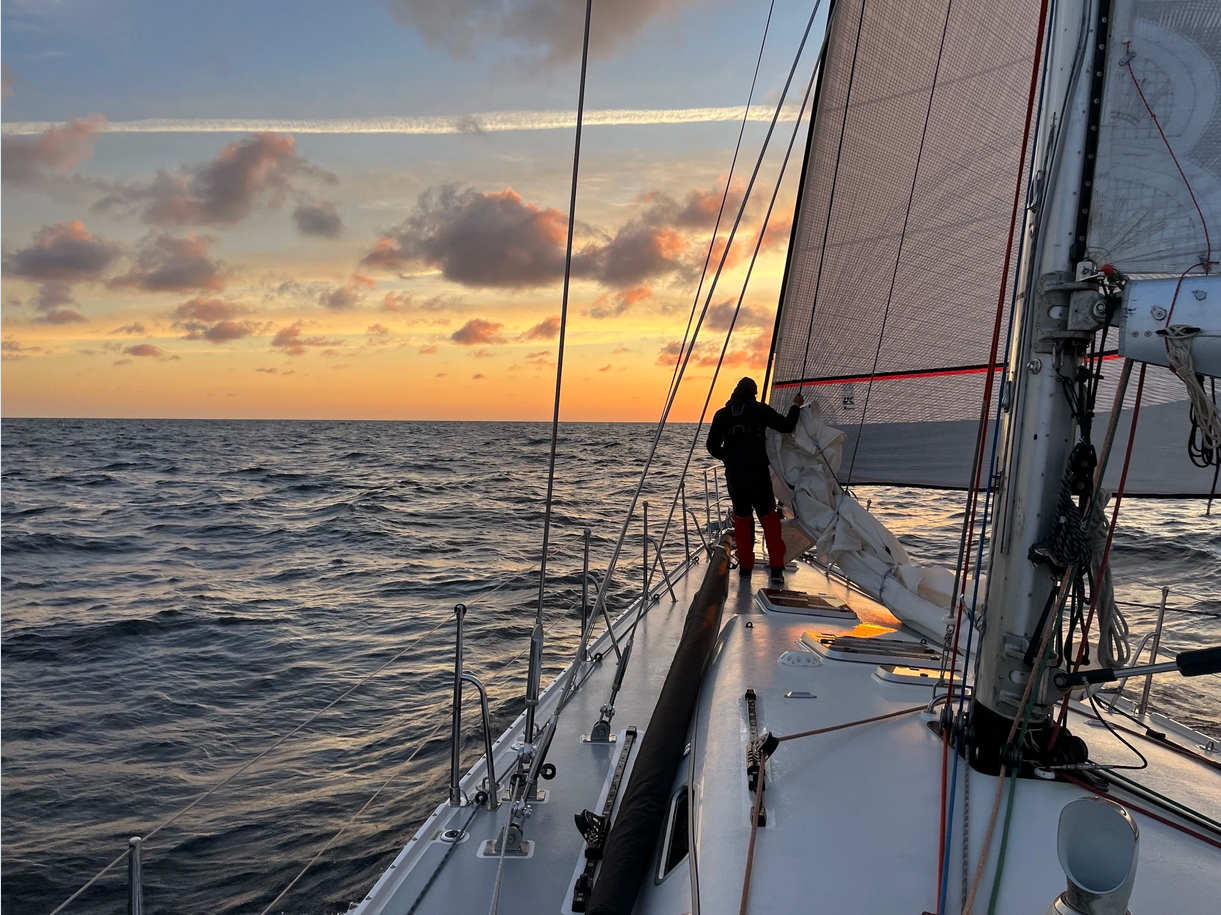
FALKEN starts her Atlantic season in earnest and gets some new landfalls in on this first passage. If you zoom in on Google Earth, you'll find a small group of islands that sit more or less on the rhumb line between Panama and Grand Cayman. "What's that?!" we thought, when planning the passage. Providencia, a small Colombia outpost in the middle of the Caribbean Sea and an irresistible stopover en route to Grand Cayman!
2027-5 | FALKEN | Cayman Islands-Key West
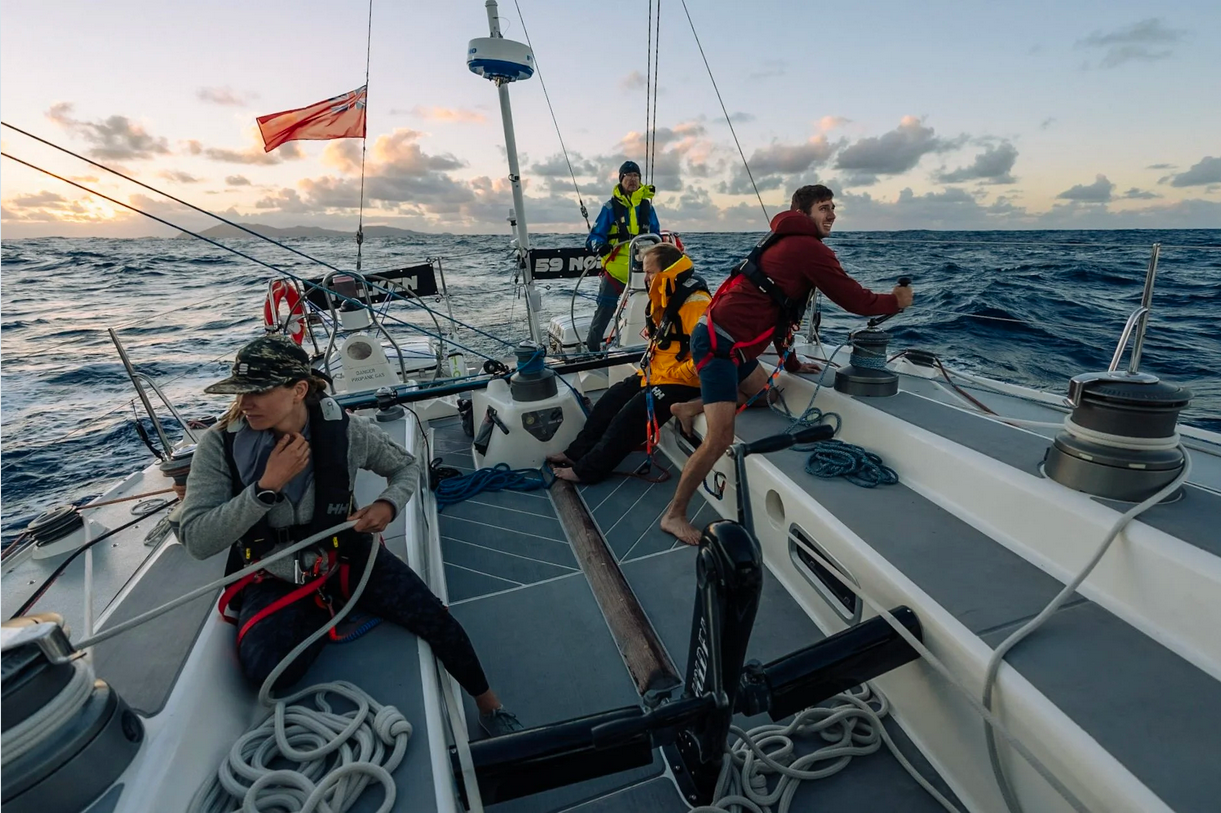
Join FALKEN in Grand Cayman for the run around the west end of Cuba and on up to Jimmy Buffett's spiritual home in Key West, Florida. It's been almost ten years since we last sailed into Key West and it's one of the more memorable landfalls as you sail past Mallory Square and into Key West's historic seaport.
2027-8 | FALKEN | ARC Europe: Annapolis-Bermuda
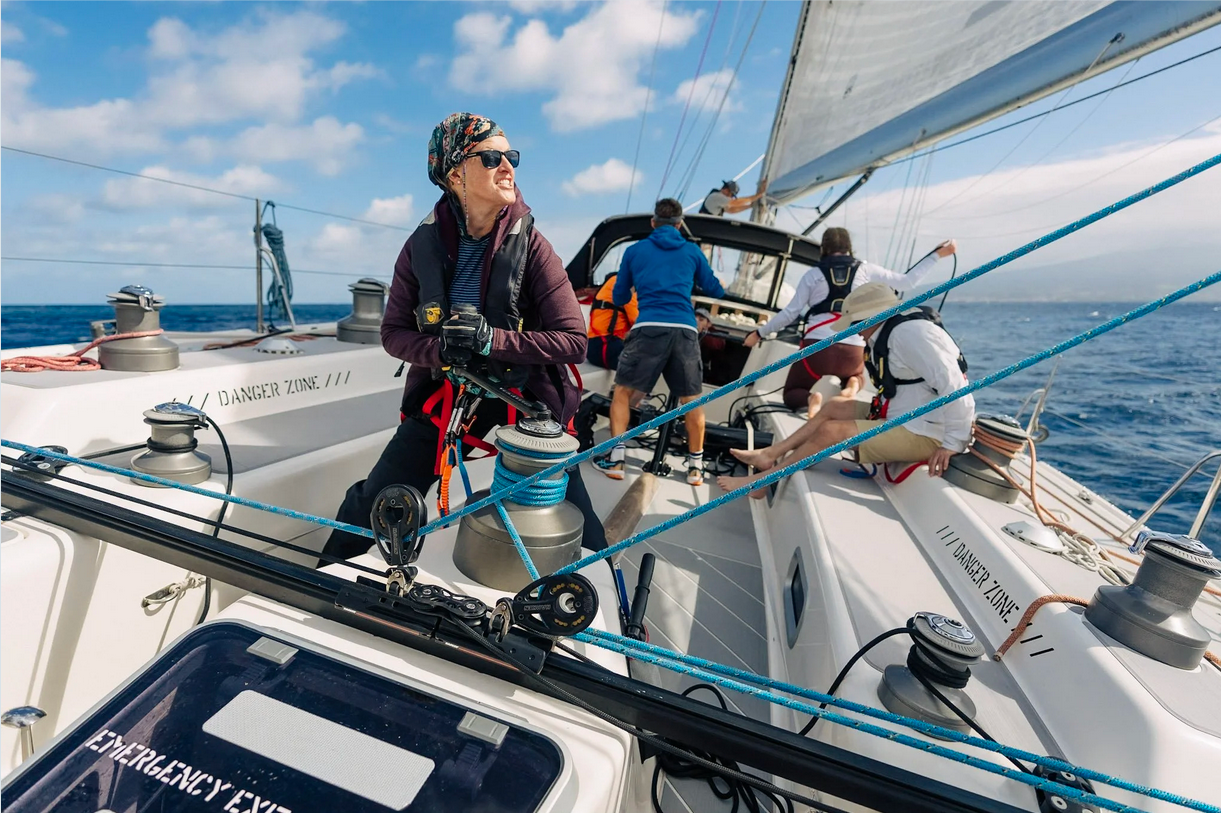
We first sailed with ARC Europe back in 2017 on ISBJØRN, so it's high time we re-join the cruising rally on FALKEN! Andy & Mia used to be the event managers on the rally back in the day and we know the route well. You can signup for the full rally, or each individual leg. We'll start on the Chesapeake Bay and meet the northbound rally fleet in St. George's, Bermuda. This is one of 59º North's "classic" offshore routes from hometown Annapolis, across the Gulf Stream to the 'Onion Patch!'
2027-11 | FALKEN | ARC Europe: Sao Miguel-Oban
Our last leg with ARC Europe, as we split with the main fleet and head north, while the majority sail east for Portugal. With a rhumb-line distance of 1,800 miles, nearly as long as the Trans-At itself, this is an awesome and challenging passage towards Northern Europe and the British Isles. We'll stay west to skirt the Azores high, and should have favorable winds for the majority of the sail north, but will have to contend with passing depressions as we sail up the west coast of Ireland, aiming for landfall in Oban, Scotland, single-malt heaven for you Scotch lovers!
2027-14 | FALKEN | ALL-WOMEN'S PASSAGE: Stockholm-Marstrand/Vindö
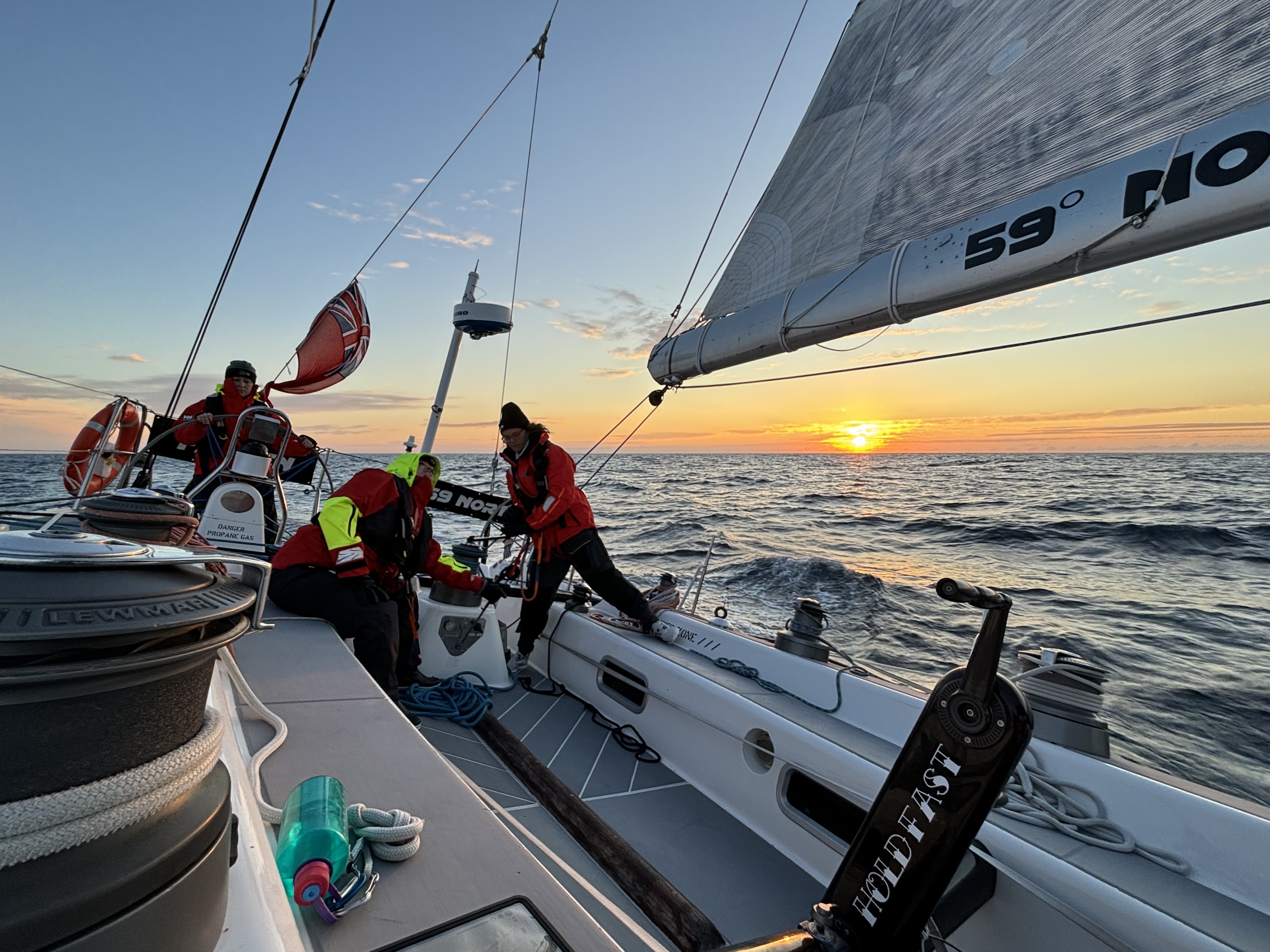
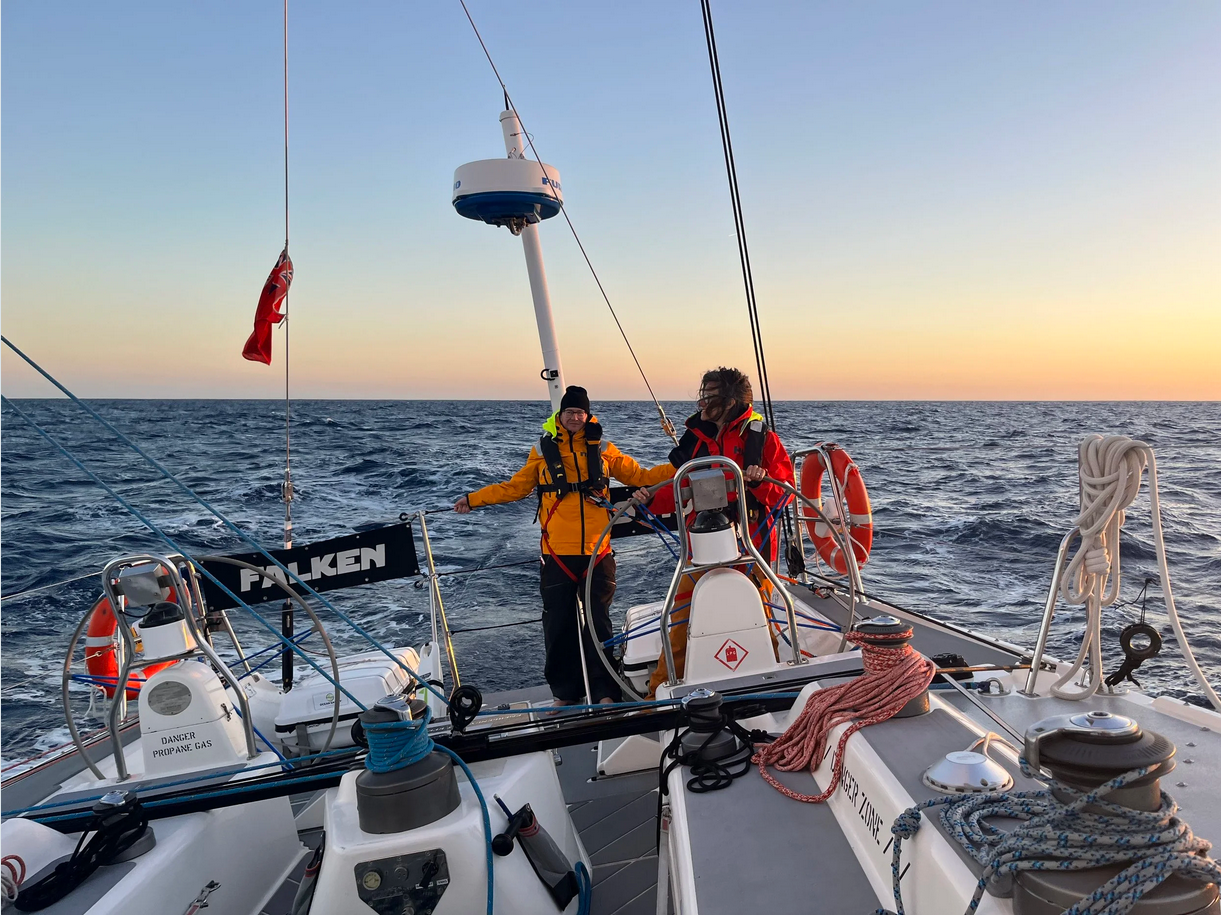
After a short delivery sail over to Stockholm, Andy & Mia's home city, we'll sail FALKEN back around to Sweden's west coast and to the famed boatyard at Vindö Marin where we'll stay for a 6-week mini-refit. Vindö is on the island of Orust, renowned for boatbuilding and just down the road from Hallberg-Rassy, Najad and other well-known Swedish boat builders. Of course we'll have a pit-stop in Marstrand, THE sailing center on Sweden's west coast.
2027-15 | FALKEN | Marstrand-Plymouth
After FALKEN's refit at Vindö we'll sail back across the North Sea for Plymouth, England, where we'll stage for the jump south and across the Bay of Biscay. This passage is especially variable and is entirely dependent on challenging fall weather in the North Sea. There are many routing options, including going north around Scotland, south through the Kiel Canal, or direct through the English Channel, all with their own challenges. In 2024 FALKEN even made a short call into central London to wait out some bad weather, sailing up the Thames River! A great passage for those really interested in weather routing and forecasting.
2027-16 | FALKEN | Plymouth-Madeira
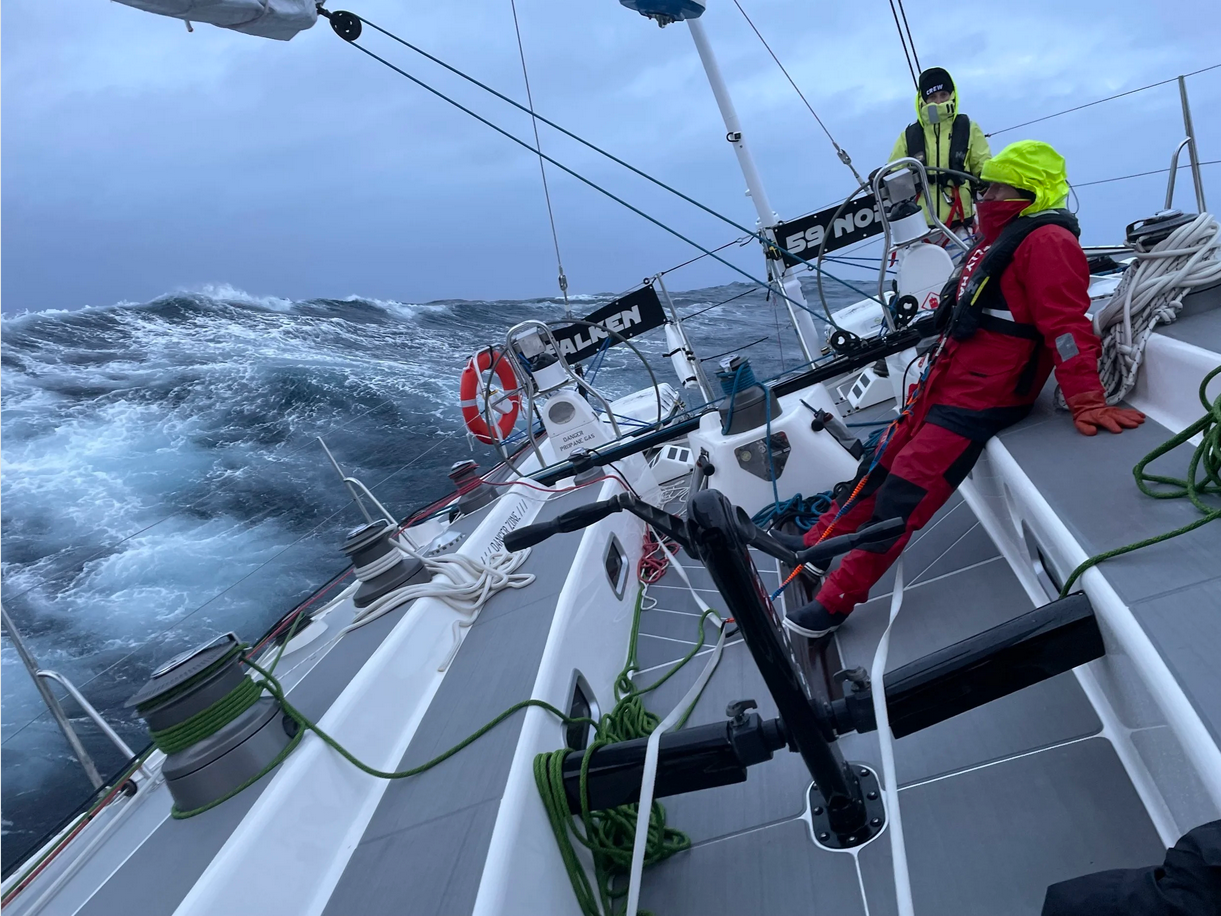
Where North Americans pay utmost respect to the Gulf Stream when heading south to the Caribbean, Europeans are equally cautious about the legendary Bay of Biscay and its notorious weather. This is the big one—perhaps the highest chance of heavy weather on our entire sailing season and a great chance to learn more about weather-routing and forecasting. Thanks to our orca friends near mainland Portugal, we're going to stay offshore and go direct for Madeira instead of risk a run-in with the whales. But, what that gives us is an awesome open-ocean passage, some 1,200 miles to one of the Atlantic's least-visited and most incredible islands at Madeira! We stopped in Madeira only once in 59º North's history, aboard ISBJØRN in 2018, and we're stoked to go back! FALKEN will deliberately leave from Plymouth, which is about as far west in England as we can get to position ourselves for the prevailing SW'ly winds as we head south. Once across Biscay, the weather warms and the sailing gets easier as we sail down the coast. You can expect a wide variety of conditions on the trip south. This will be FALKEN's 4th Biscay crossing, and the 7th time we've sailed the route with 59º North, and I think each time has been different. The weather changes quickly this time of year, with low-pressure systems and their associated fronts marching across every few days. So pack the layers and be prepared for a variety of points of sail on the way south.
2027-17 | FALKEN | Madeira-Las Palmas | Sail Training
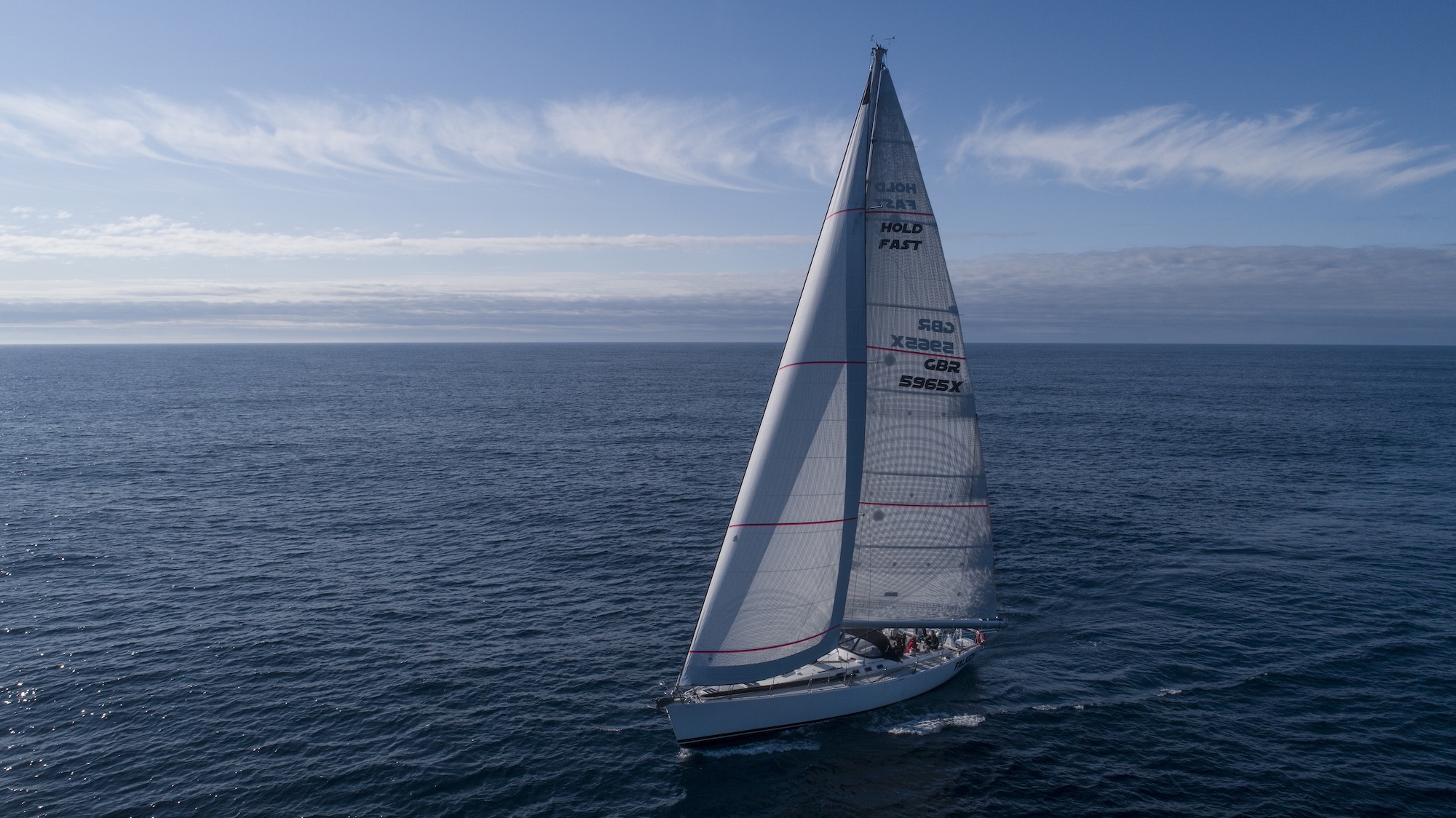
SAIL TRAINING PASSAGE Join FALKEN in magical Madeira for an intense week of proper sail training as we make our way over to the Canaries. These passages are a bit different than our normal A-to-B passages in that we have ample opportunity for more formal teaching than normal. We'll spend more time going over boat systems & watch systems, for example, and have a chance to hit every point of sail from upwind to spinnaker sailing downwind. As it's only 250-miles over to Las Palmas, we'll also have the chance to anchor in one or two of the other islands in the Canaries for a break from the sea and a chance to see some more places en route! Due to the orca situation in and around Portugal we've opted to skip the mainland altogether and stop off in Madeira instead, a rugged, magical island that we've only ever actually been to once in the history of 59º North. You'll meet the boat in Madeira, and if you have time, we highly recommend coming a few days early to explore. Once across Biscay it's much smoother sailing in cool fall conditions en route to the Canary Islands. Las Palmas will be our port of call in 2027, a place we've gotten to know quite well over the years, and a beautiful coastal city with easy access to Gran Canaria's rugged & mountainous interior. The marina in Las Palmas is one of the biggest in Europe, with thousands of boats from across the globe preparing for parts unknown.
2027-18 | FALKEN | ARC | Las Palmas-St. Lucia
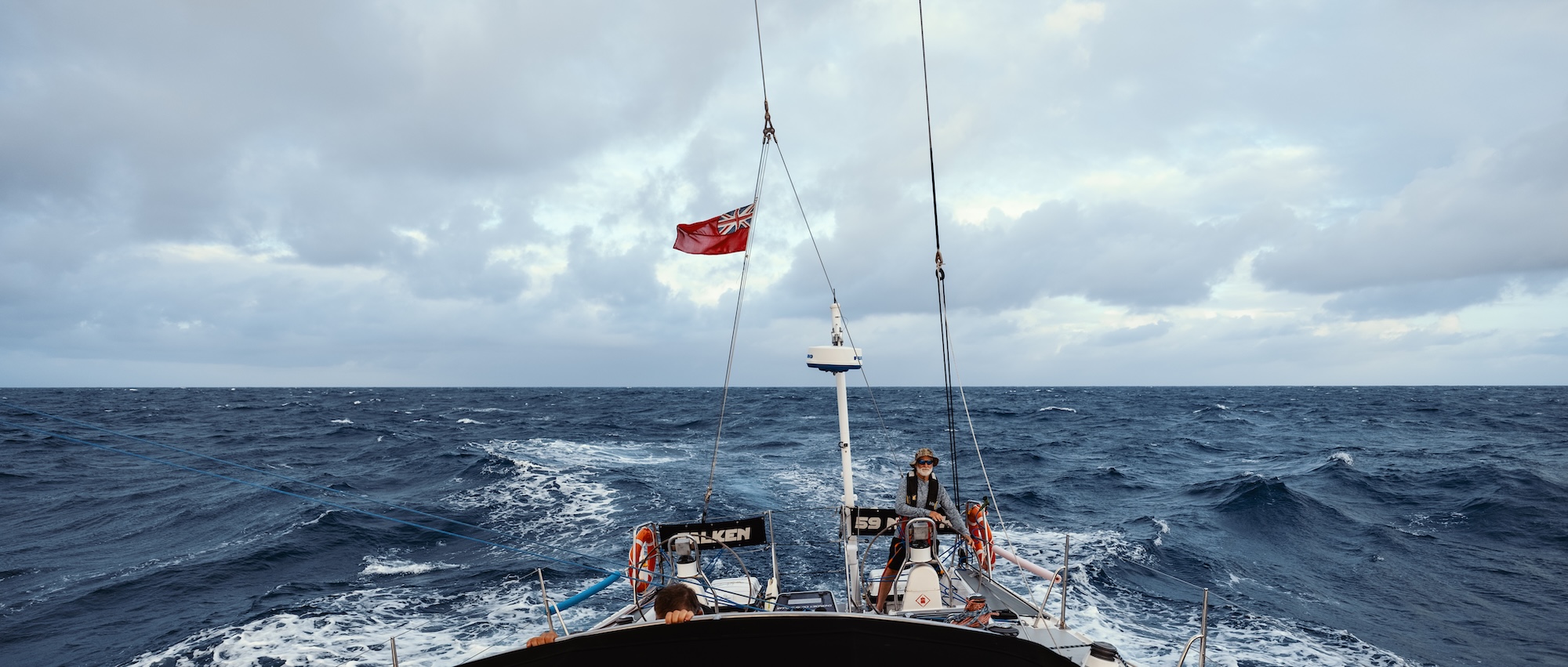
FALKEN is headed back across the Pond for a second time in 2027! 59º North will return a bit to our "roots" with this trip, where we'll be joining the iconic 'Atlantic Rally for Cruisers', aka ARC rally. Andy & Mia worked for the ARC going back to 2008 and have long been involved in running the shoreside operations on rallies including the Caribbean 1500, ARC Europe and ARC itself. It's definitely with a bit of nostalgia that we're joining the rally fleet! The sail itself will be a classic east-to-west Tradewind trans-Atlantic, 3,000 miles from Gran Canaria to St. Lucia, an island we haven't visited since 2013 when Andy's dad's boat SOJOURNER was stationed on the finish line in Rodney Bay. Being part of the ARC rally means we'll be sailing in company with over 250 boats, from 30-footers up to boats much bigger than FALKEN. Crew will be welcome to be part of all rally events in Las Palmas and St. Lucia - they've got seminars, parties, island tours and a lot more going on which you can be a part of. Andy will be involved in delivering some of the pre-departure seminars. Weather-wise, expect it to be chillier than you think on leaving Las Palmas, but quickly warm up as we 'sail south 'til the butter melts, then turn right!' FALKEN should complete the crossing in 16-20 days, depending on how well-established the Trades are at the time.
ISBJØRN 2027
2027-2 | ISBJORN | Bergen - Faroe
This voyage begins in Bergen, Norway - the gateway to the fjords - and sets a course west across the North Sea towards the Faroe Islands. The Faroes are one of the North Atlantic’s last truly wild archipelagos, a place where sea cliffs tower over 800 meters, seabirds darken the sky, and remote villages cling to green valleys carved by glaciers. A proper offshore challenge with a most rewarding landfall.
2027-3 | ISBJORN | Faroe - Lofoten
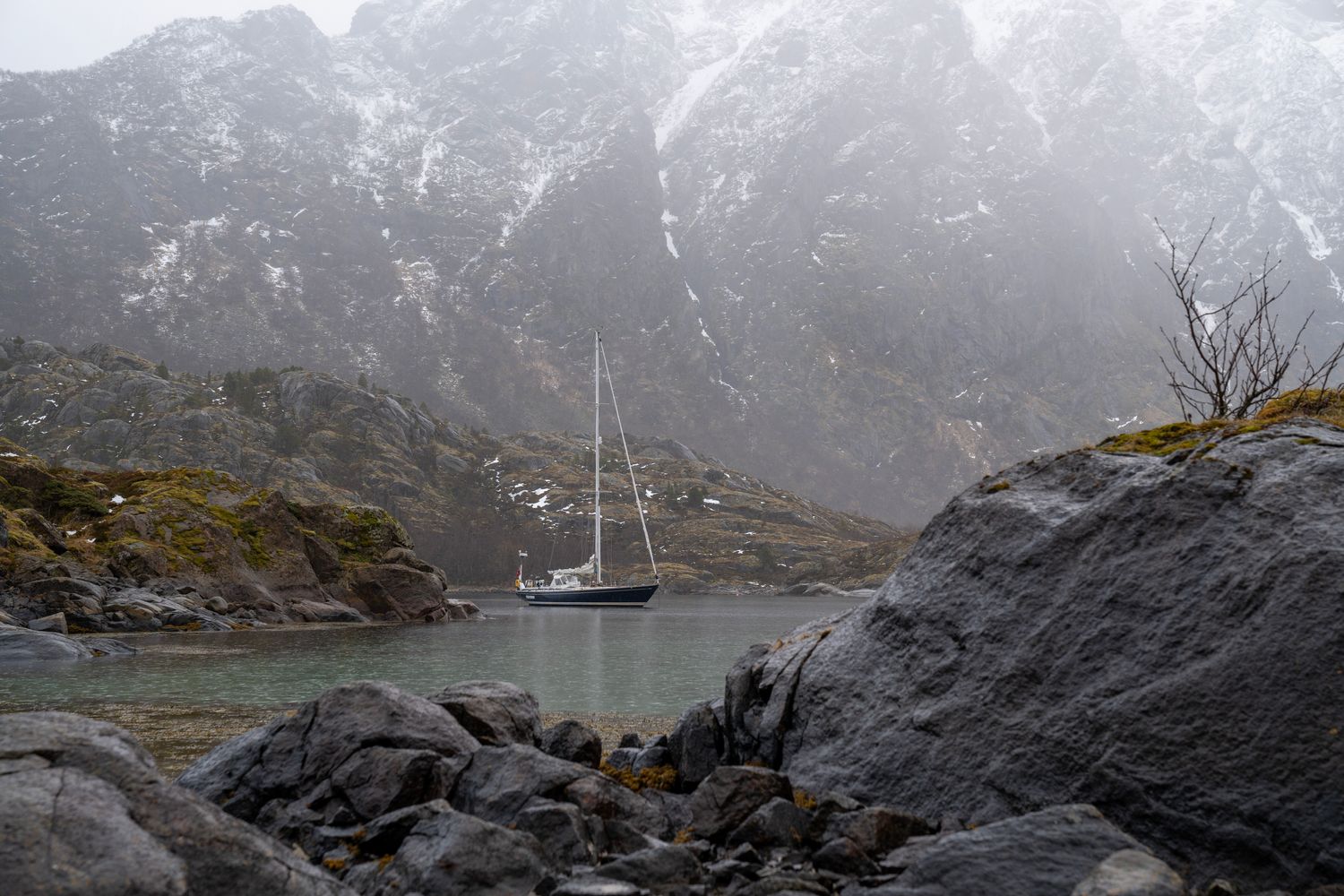
From the remote and windswept Faroes, we head northeast into the Norwegian Sea, bound for one of the most stunning archipelagos in the world: the Lofoten Islands. This passage is a serious offshore undertaking, and a journey that takes us into the cold waters above the Arctic Circle. The passage can be both demanding and deeply rewarding. You will learn a lot about weather forecasting and -routing as you time your departure and set your course through the weather systems of the Norwegian Sea. Landfall in Lofoten is unforgettable. Jagged granite peaks rise straight from the sea, snow still lingering on their summits even in late May. High-latitude sailing at its very best. This voyage combines the raw thrill of offshore passage-making with the reward of arriving in one of the most spectacular sailing destinations on Earth. If you are looking to challenge yourself and earn serious sea miles while also experiencing the beauty of Arctic Norway, this is it.
2027-5 | ISBJORN | Seydisfjordur - Oban
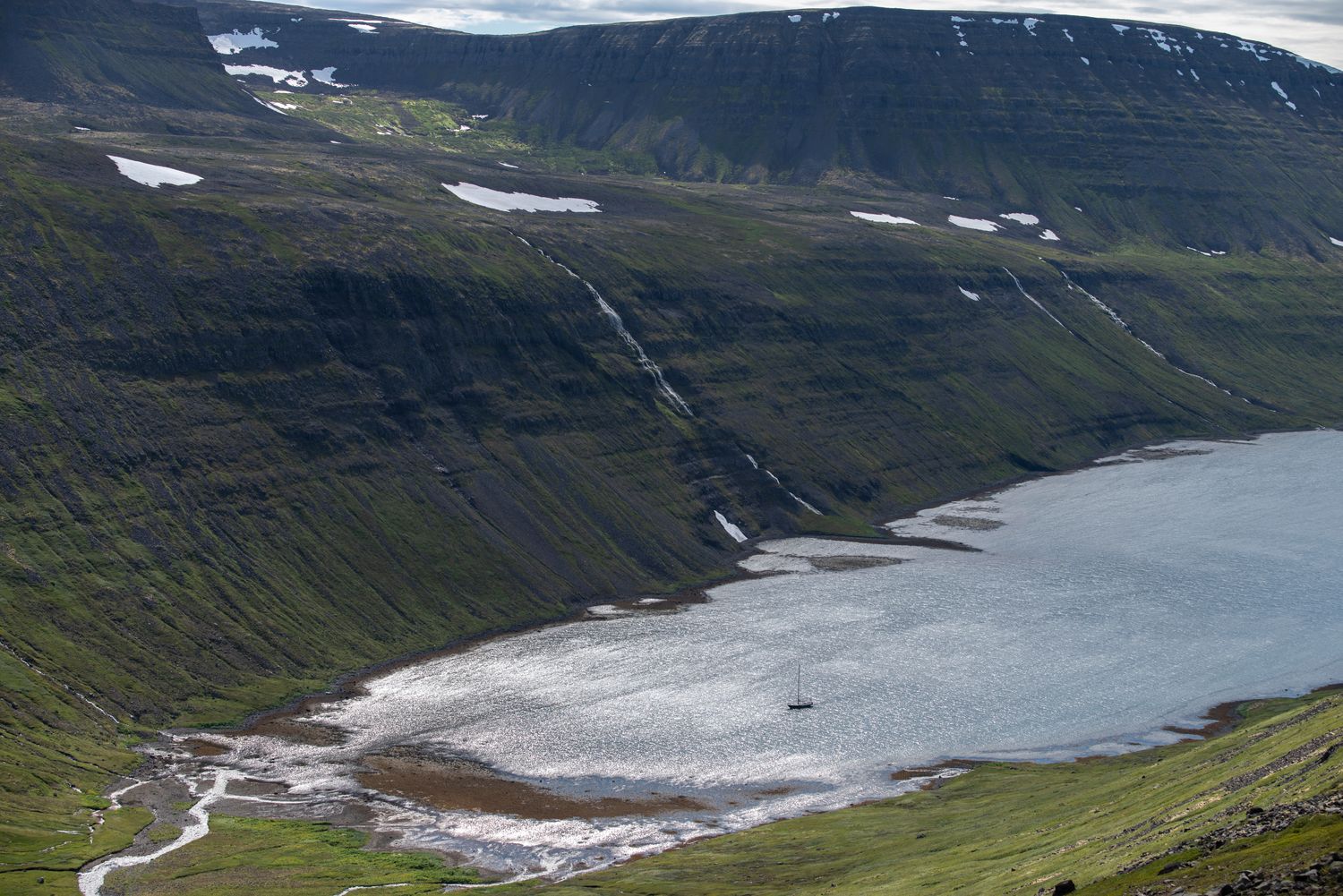
From a brand new 59 North port to one of our go-to favorites! East Iceland looks absolutely stunning, and having sailed past many times, we're very excited to start a trip from here. Our course for Oban takes us very close to the Faroe Islands, where we might stop by en route. In Oban, we'll be docking next to FALKEN, as both boats will be staying here for some mid-season TLC!
2027-6 | ISBJORN | Oban - Bergen
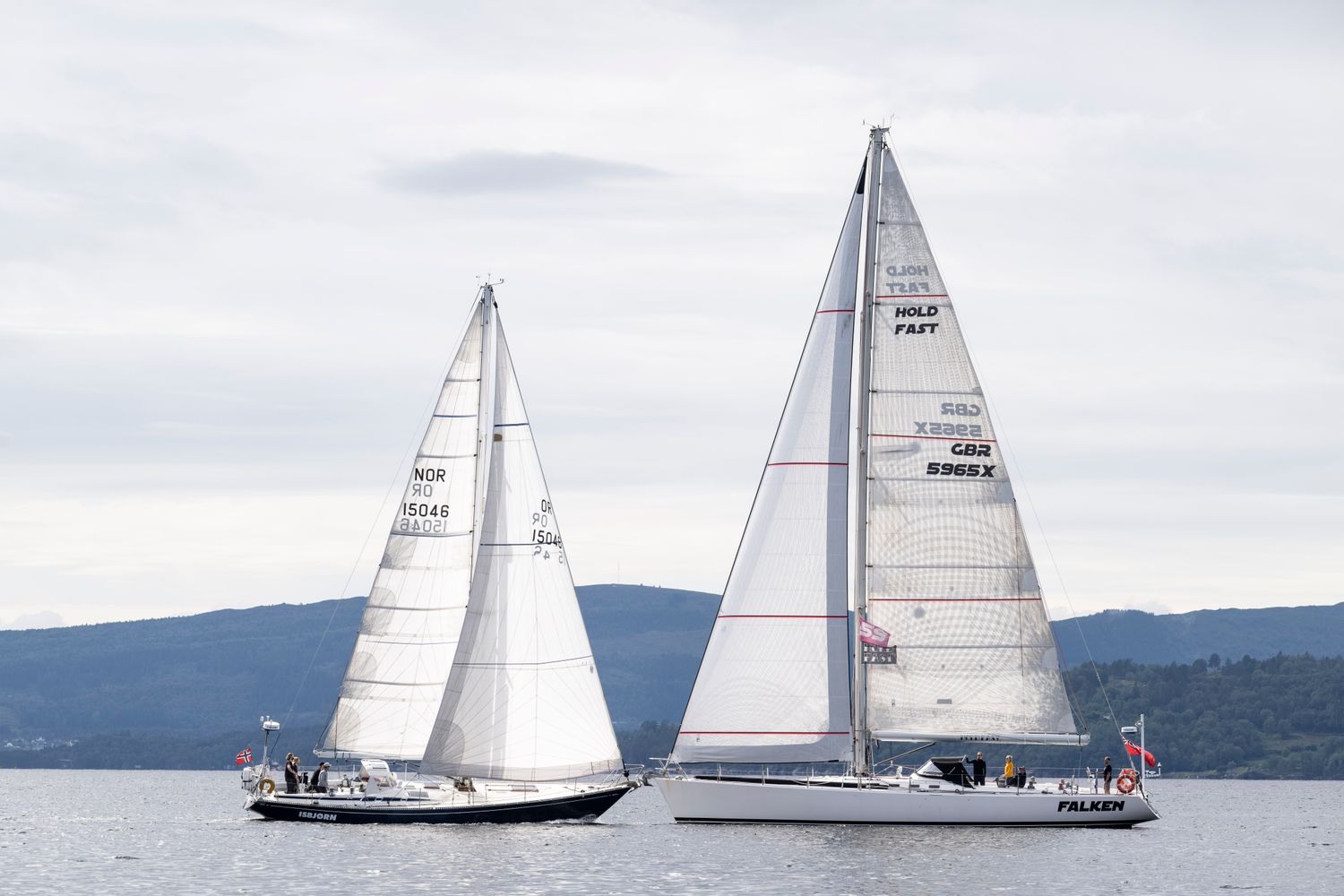
FALKEN and ISBJØRN is departing Oban together! A great opportunity to see both boats and meet many 59 North faces. Both boats will be sailing North through the Hebrides and then due East. After crossing the North Sea, FALKEN sails towards Marstrand, ISBJØRN towards Bergen. You'll get to see the beautiful North of Scotland and the Islands of the Norwegian Sea before crossing the infamous North Sea and make landfall in ISBJØRN's home port of Bergen.

2027-8 | ISBJORN | Stornoway - Kinsale
Stornoway is just as epic as it sounds, and the perfect place to start any sailing adventure. And, it is right in the middle of the gorgeous Scottish Hebrides! A cockpit game of I-Spy might feature words like “castle”, “whale”, “distillery” and “puffin”, as we make our way south through the islands. Then, we’ll have a tough weather decision on our hands - either to tackle the Irish Sea or make a starboard turn around the west coast of Ireland.
2027-9 | ISBJORN | Kinsale - Amsterdam
This leg carries us East from Ireland across the Celtic Sea, English Channel, and North Sea. It is a varied and challenging stretch. Busy shipping lanes, shifting weather, and strong tides make this an ideal voyage for sailors eager to hone their skills. Amsterdam is one of Europe's classic historic ports, and will make for a great landfall.
SPECIAL PASSAGES 2027
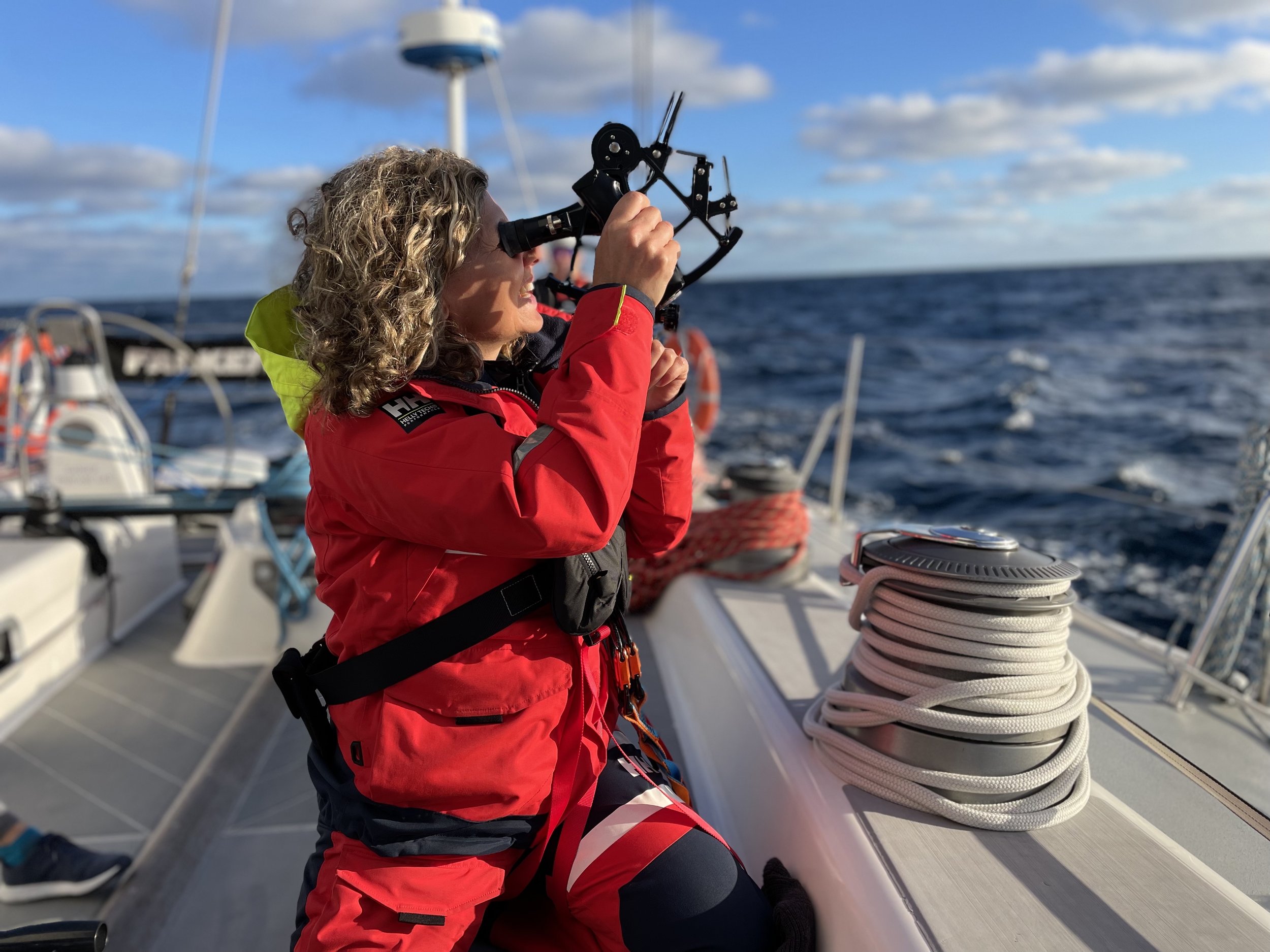
"Huge thank you to the 59º North Team, especially Captain Emily and First Mate Mia, for taking me and our crew safely across the Atlantic Ocean. A daunting dream turned into an amazing reality under the expert supervision of a skilled and experienced team, on the beautiful, fast, and well-equipped boat, FALKEN. I feel very grateful to have met and worked with the wonderful, international crew aboard. I learned so much and I'll be back for more!"

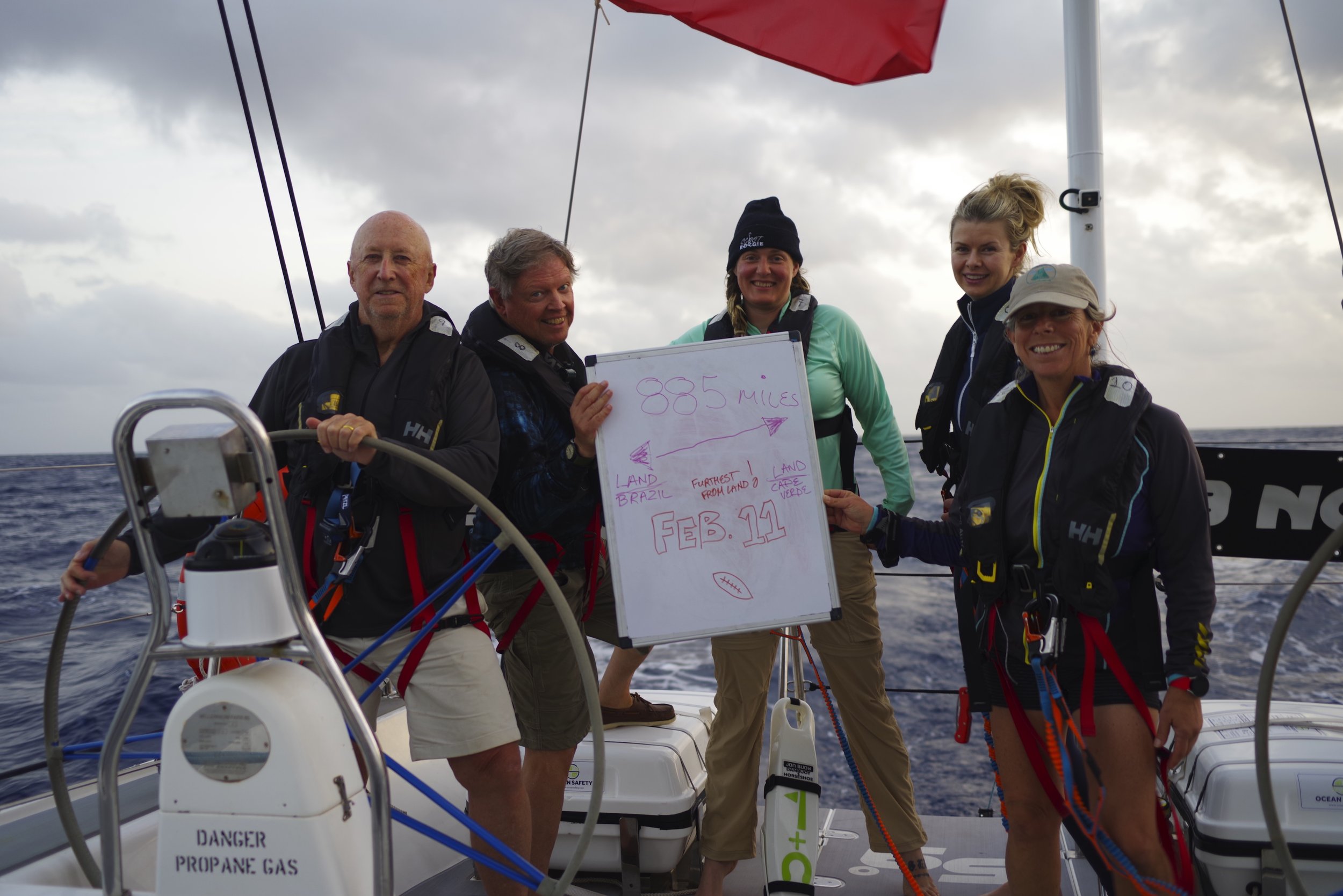
"My time on FALKEN crossing the Atlantic was highly rewarding and incredibly enjoyable. The trip was routinely challenging and always a lot of fun, allowing me to stretch myself and enjoy being absent from the rest of the world for a time. Unforgettable."
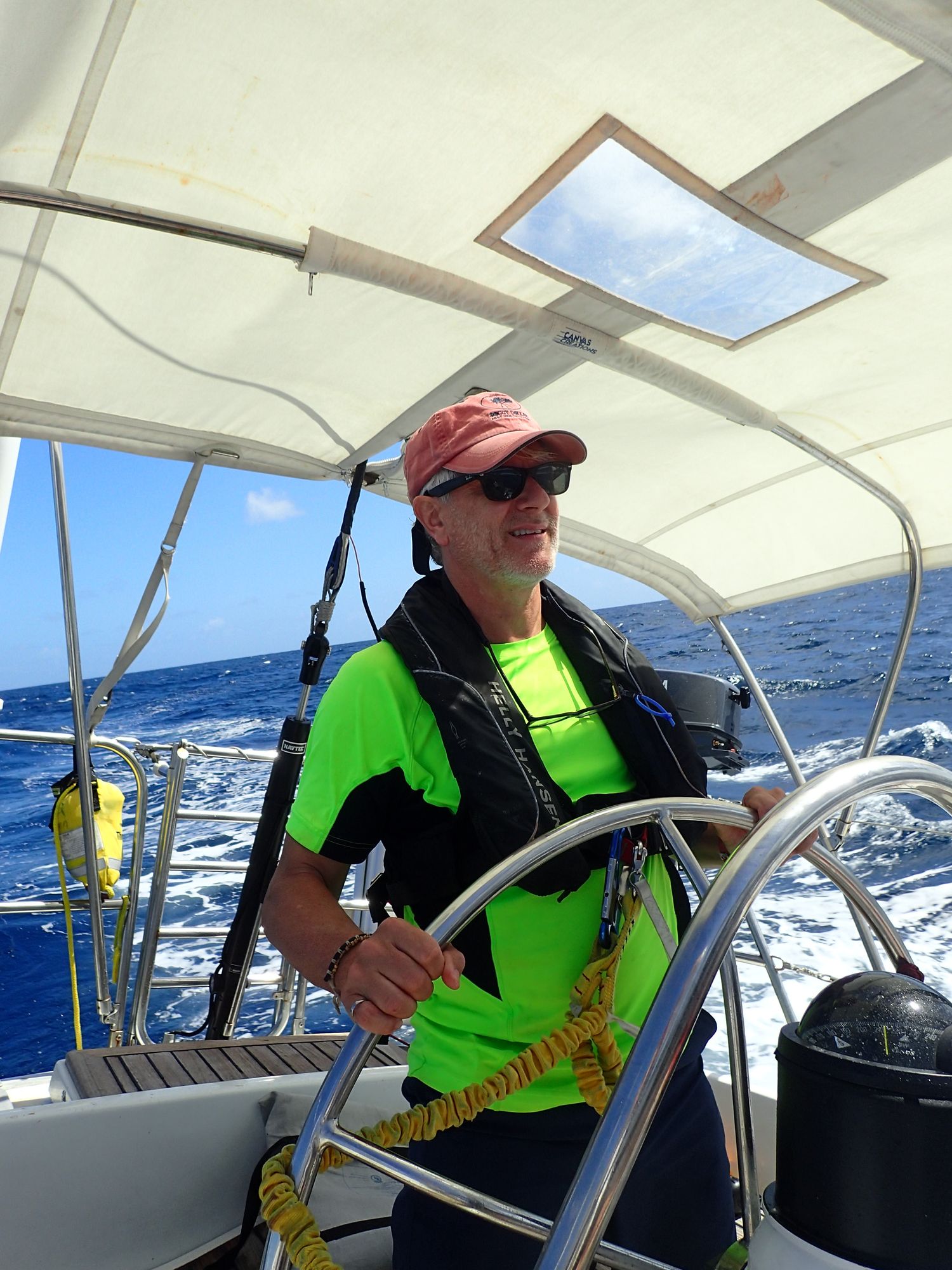
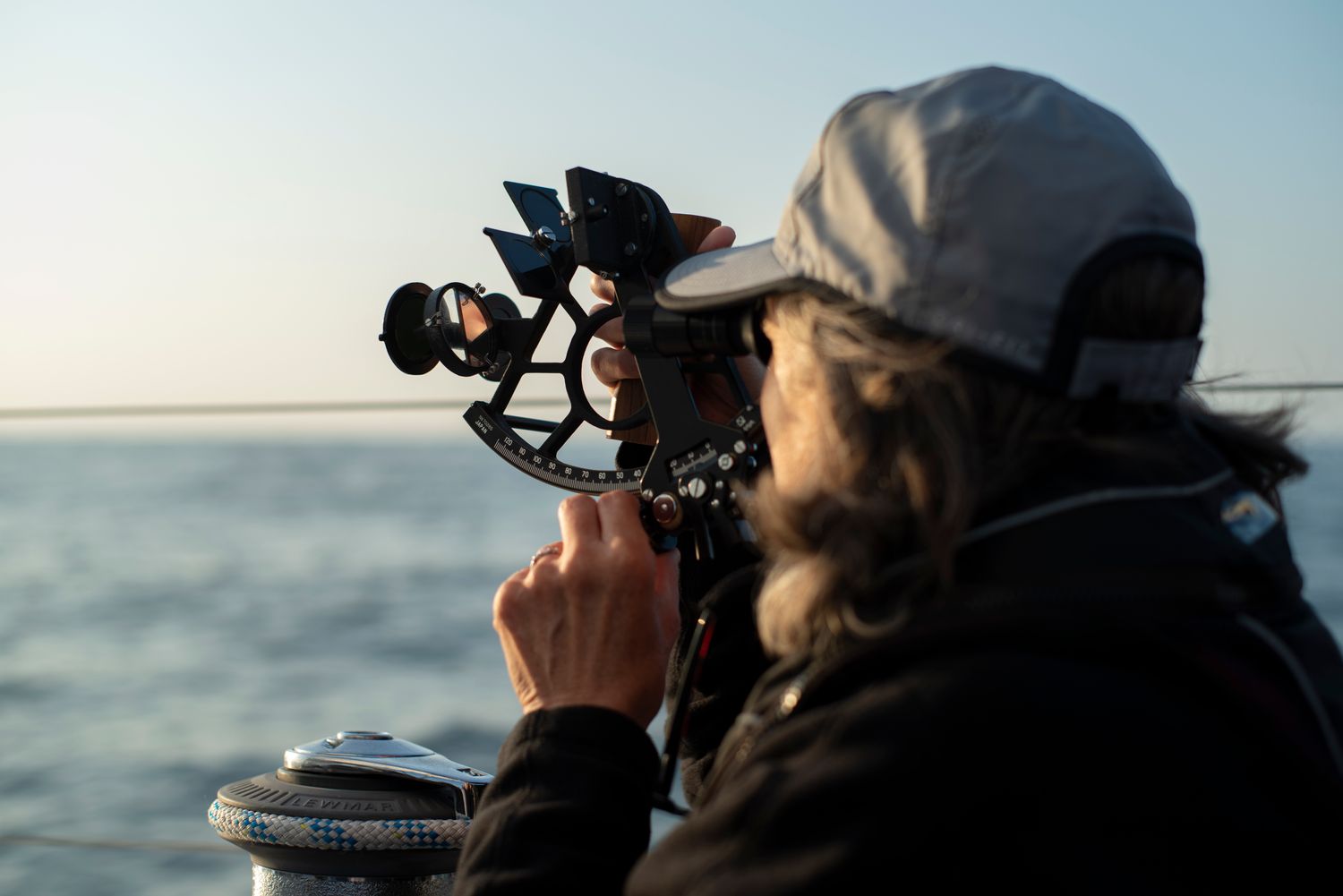
"I highly recommend the experience of doing a passage on ISBJØRN. I gained valuable offshore experience on a fine boat, learned how Andy and Mia competently manage their boat, learned about celestial navigation, and had a great time doing it. Completing ISBJØRN's first back-to-back 200 mile day passage was a smokin' fast bonus!"
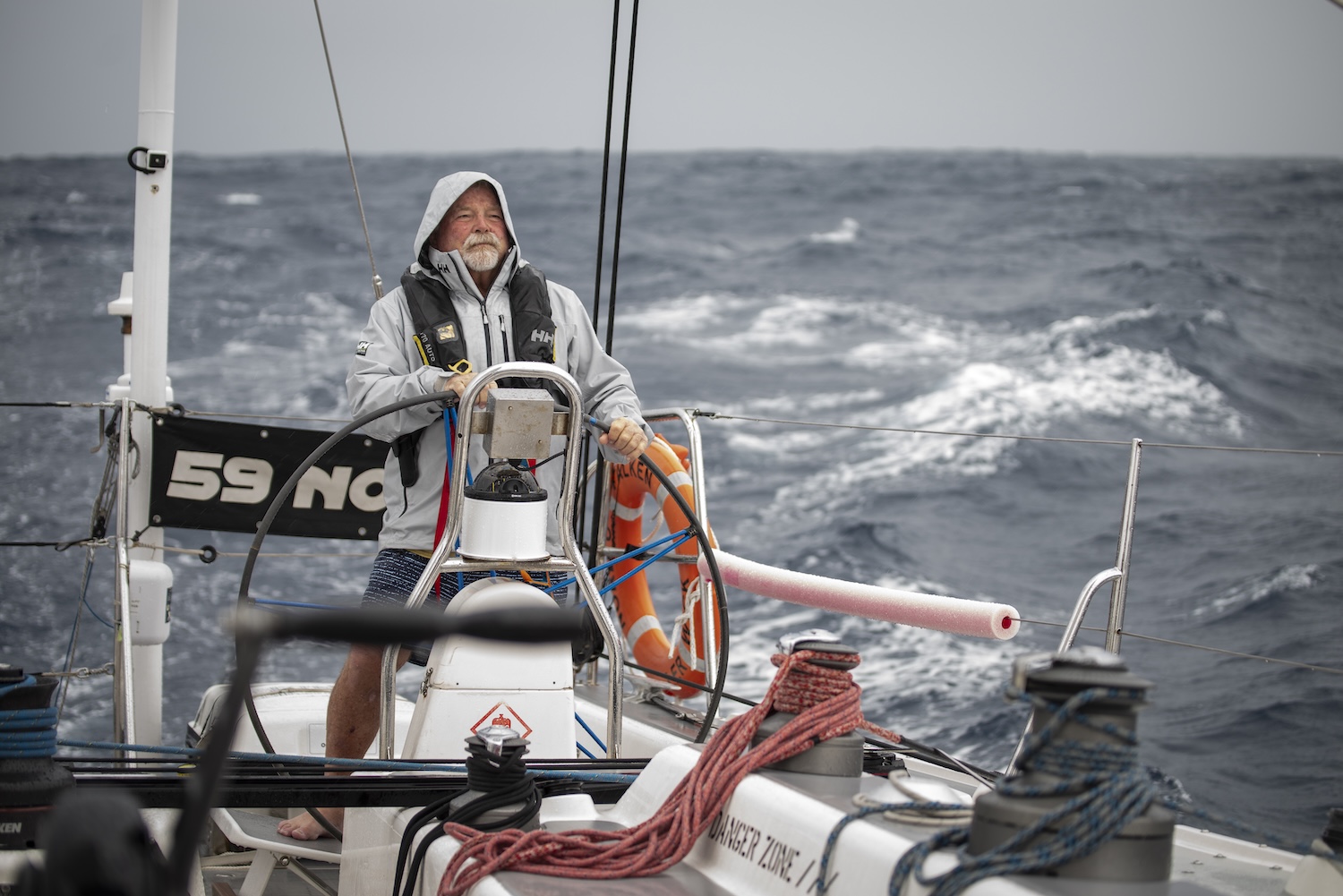
"I'm AKA Andy’s Dad, so my opinion of the skipper may be slanted a bit. I admit to being wrong on my initial reaction to FALKEN—at first sight she seemed like a hard-to-handle race boat, but she is easy to handle and shrinks once you get used to her. The refit work done below is flawless, with comfortable bunks, a spacious galley, and plenty of storage. A trip with 59º North on any of their boats is truly a life-changing experience. Highly recommended!"
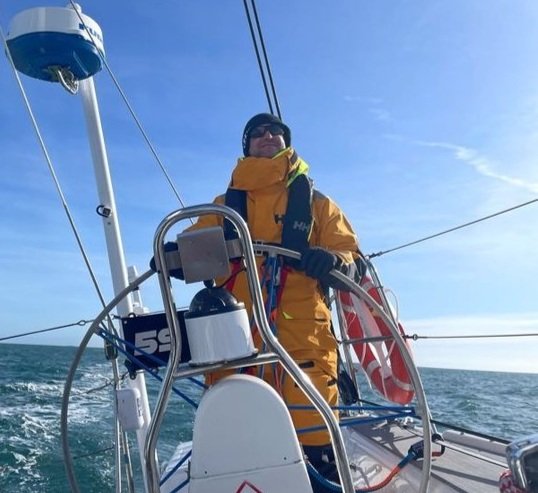
"59º North runs the most professional offshore training program you can find, and it shows in their professionalism, leadership, skill, and service. I felt honored to be part of the maiden voyage of FALKEN—she's a beauty, and the 59º North refit crew did an amazing job! Shout out to Nikki Henderson (Captain) and Alex Laline (Mate) for inspiring, knowledgeable, and caring leadership. I can't imagine having a better experience with any other."
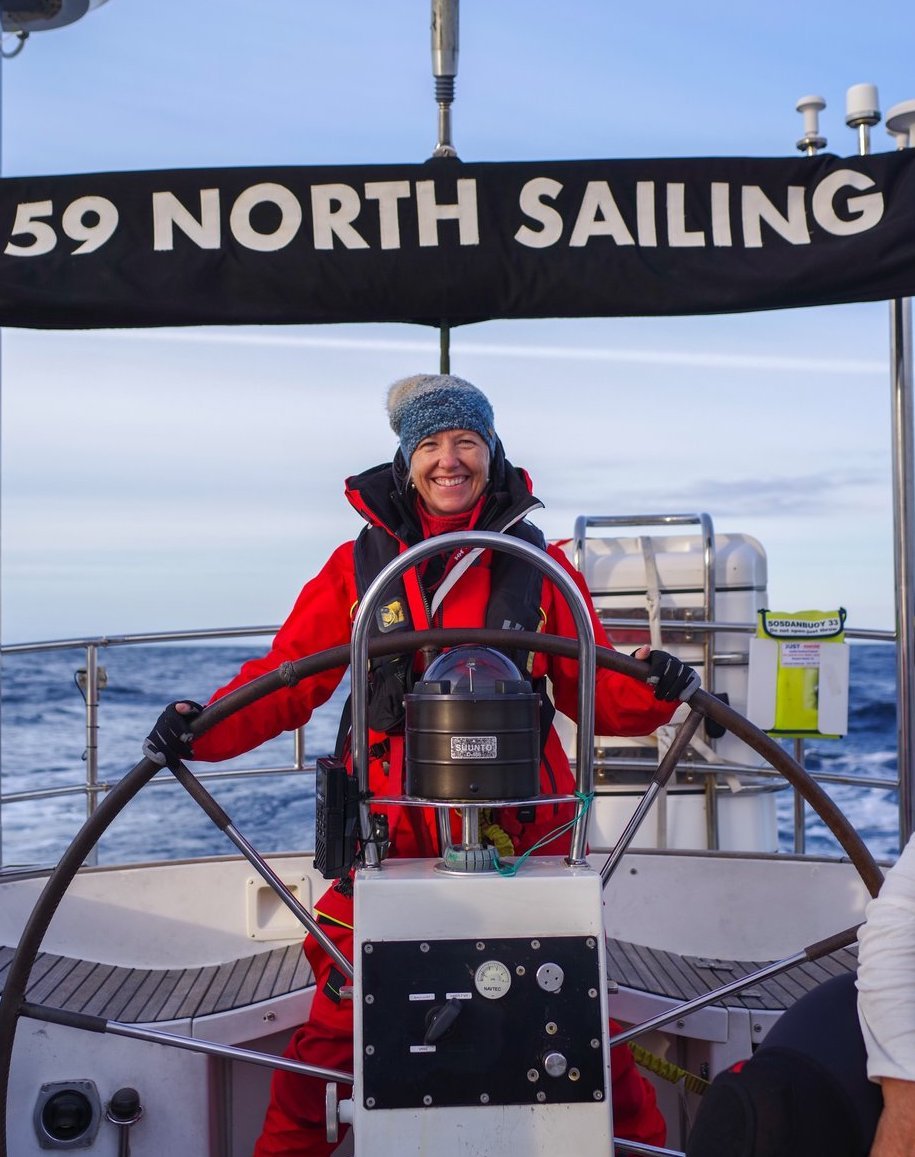
"The trip delivered on all my expectations and more. I wanted to experience sailing beyond my current boundaries, apply my skills, and learn from those around me. I felt able to embrace the whole experience because we had an excellent 59º North team that shaped us into a great crew on a well-prepared boat. If you are seeking ocean wisdom, you could not be in better hands."
"It was such an experience! Meeting all the people and being part of the crew is something very special. We were so lucky to spend the passage on FALKEN; the nature and weather gave us the best, and I really wish it could have lasted longer."
FAQS
What’s included in the crew fee?
What happens after I signup to sail with 59º North?
How do you plan passage routes to ensure safe weather patterns?
What amenities are there aboard the boat?
How long are the watches?
How much experience is required to sign on for a passage?
Do you have Starlink?
What can I expect to learn on a 59º North trip? Do I get a certificate?
The boats we sail
Farr 65
'
FALKEN
'
🇬🇧
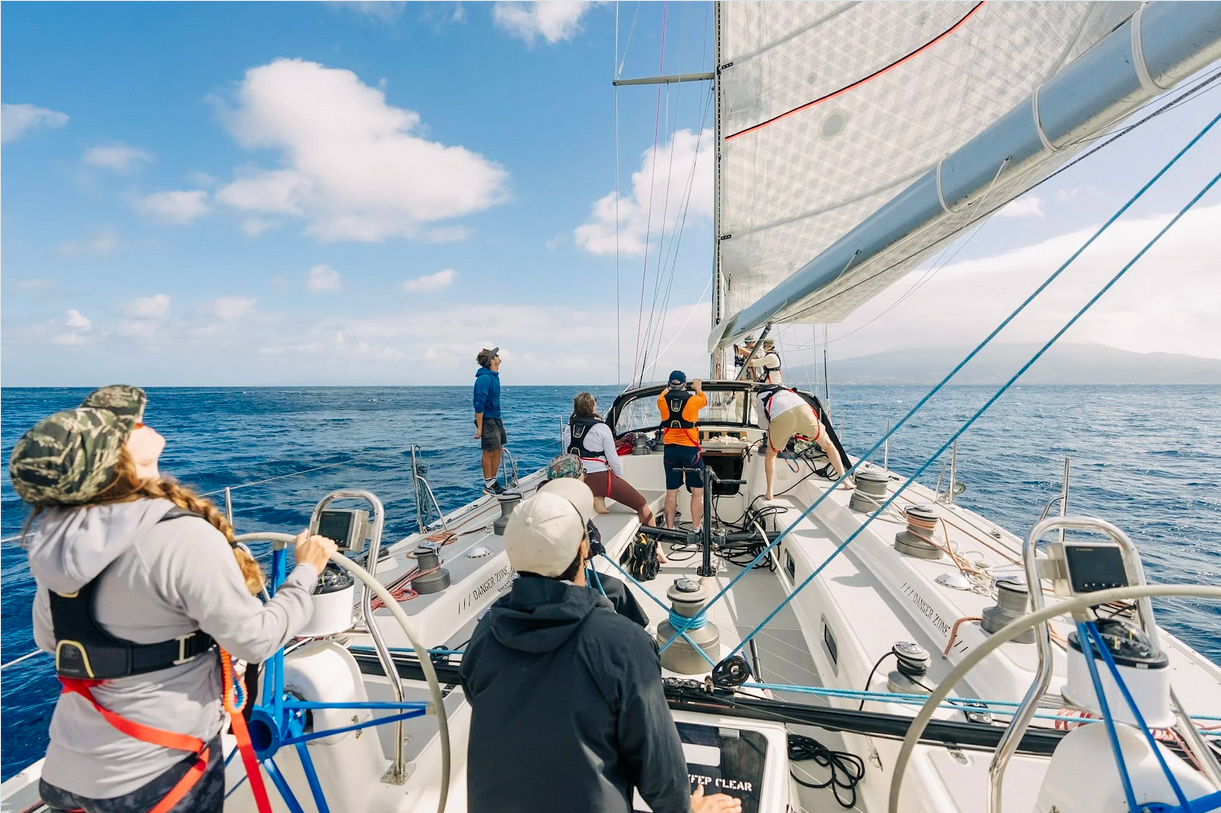
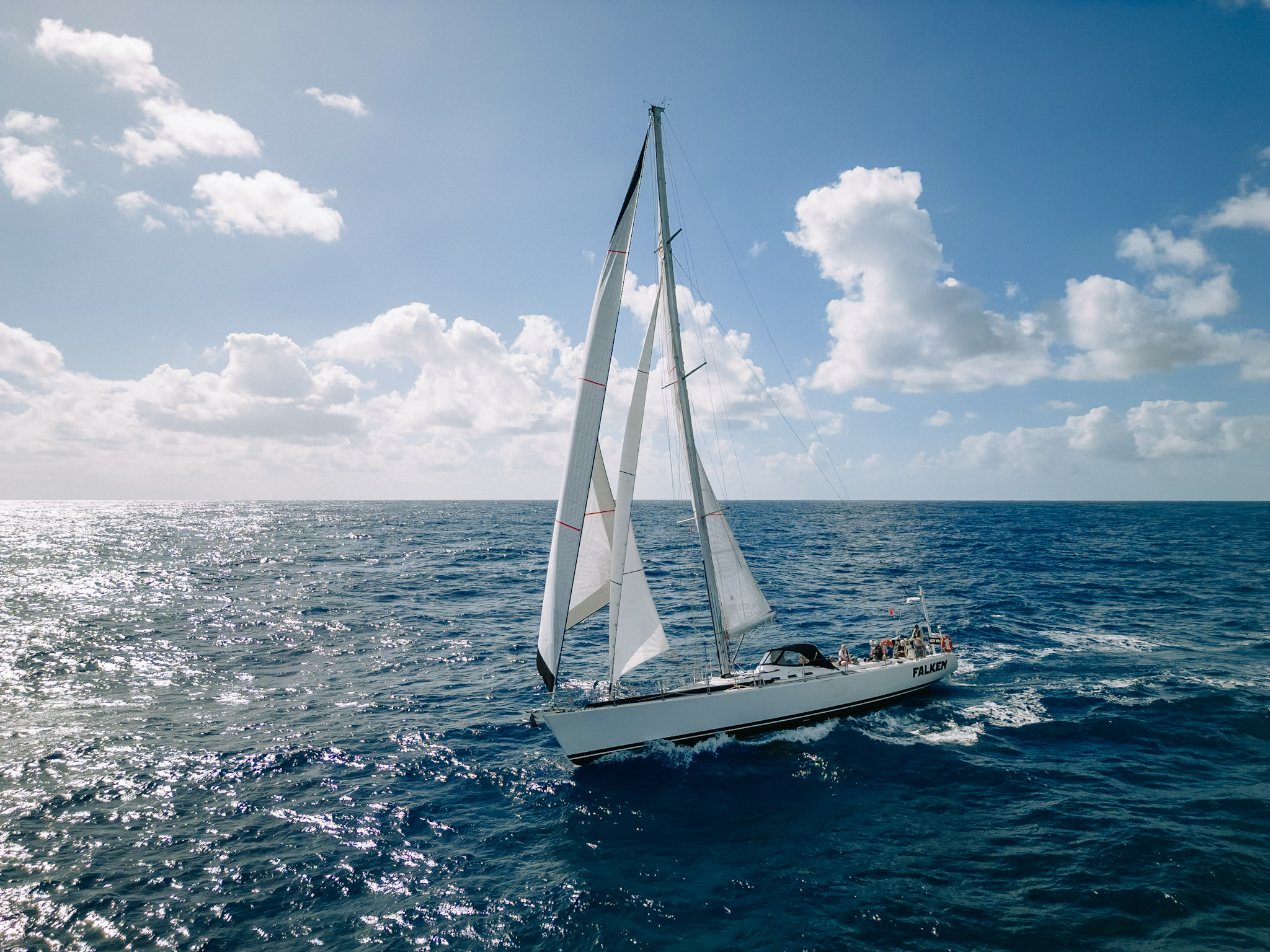
FALKEN is ideally set up for long-distance offshore sailing. We fully rebuilt the boat in 2022 to our exacting specifications and with the help of legendary yacht designer Bob Perry. She's comfortable belowdecks and each crew has their own dedicated sea berth & gear locker. On deck she has a huge cockpit which easily seats 10 people for our daily meals offshore, and allows for plenty of room to move about when handling lines and trimming sails. She's also easy to maintain, fast and fun to sail! FALKEN sails with 8 crew plus a Skipper & Mate and the occasional apprentice.
S&S Swan 48
'
ISBJØRN
'
🇳🇴
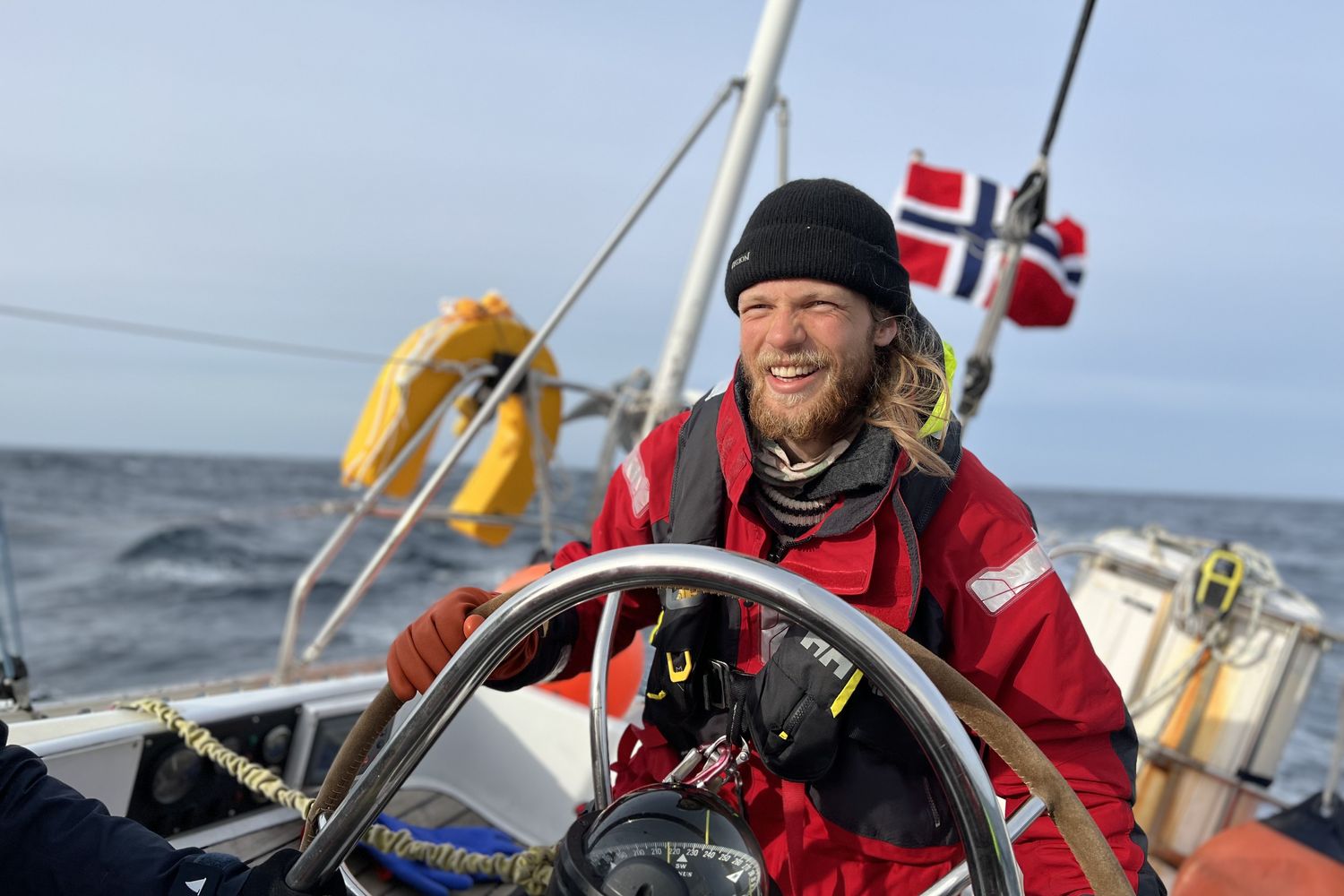
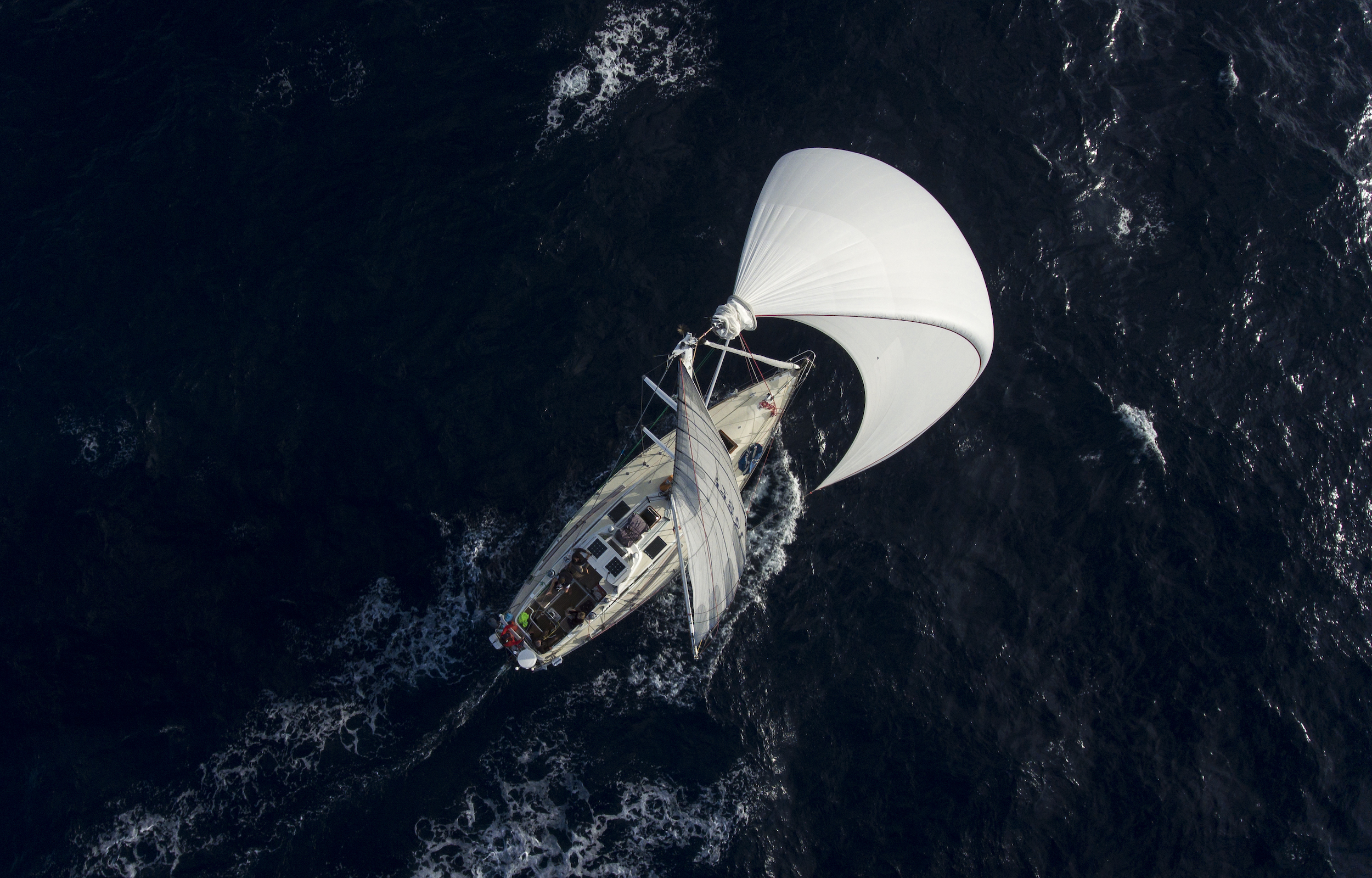
ISBJØRN is the "OG" 59º North boat, the classic S&S Swan 48 that we started the business with back in 2015. She's considered an all-time great ocean cruising boat - built like a tank in Finland to the highest standards and with a modern but conservative hull shape making for fast & comfortable passages offshore in any weather. ISBJØRN sails with 5 crew plus a Skipper, and each person has their own dedicated sea berth & storage locker.
Schooner
'
WOODWIND
'
🇺🇸
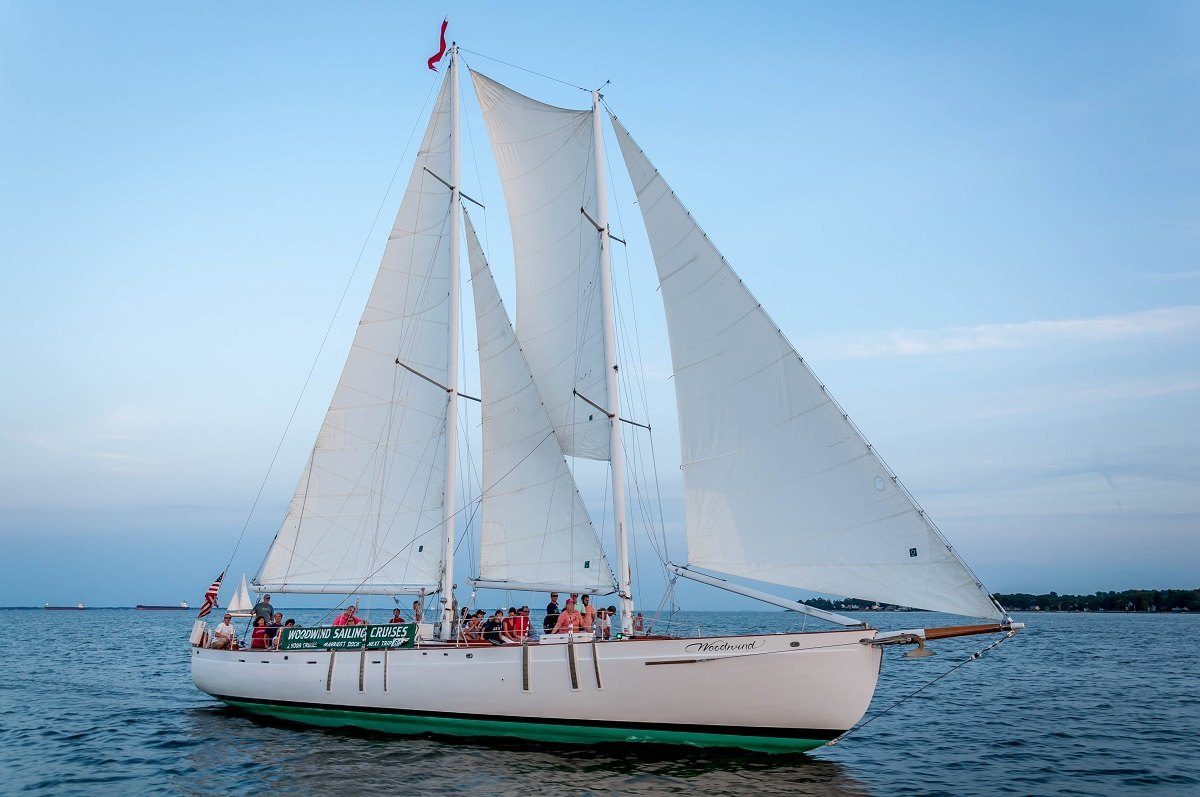
WOODWIND & WOODWIND II are wood/epoxy staysail schooners built in the 1990s for Annapolis daysail charters. In October 2025, 59º North Sailing acquired them, and now offers select passages and races, continuing their rich family and sailing legacy on the Bay.
OE 36
'
SPICA
'
🇸🇪
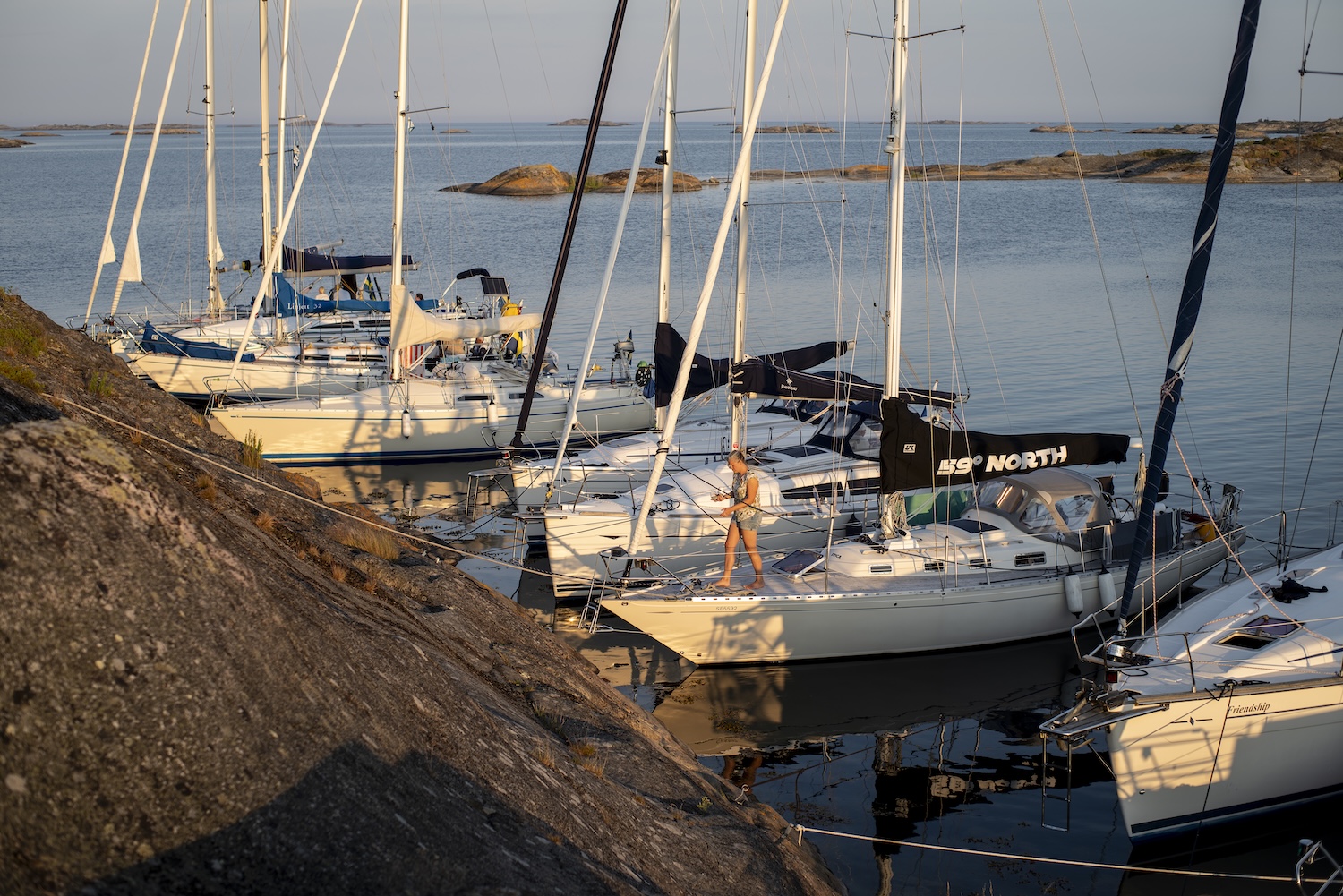
SPICA is my (Andy, writing this!) and Mia's family boat here in Sweden. Well, actually it's Axel's boat, our six-year-old! It's a classic Olle Enderlein 36, built in Sweden in 1971, and very much a "mini" ISBJØRN, both in underwater hull shape, deck layout and interior style and arrangement. When you sail on SPICA you will be joining our family's summer home here in Sweden. When we have crew onboard, we sail with 3 plus me (Andy!) as skipper.
Swan 70
'
ADRIENNE II
'
🇸🇪
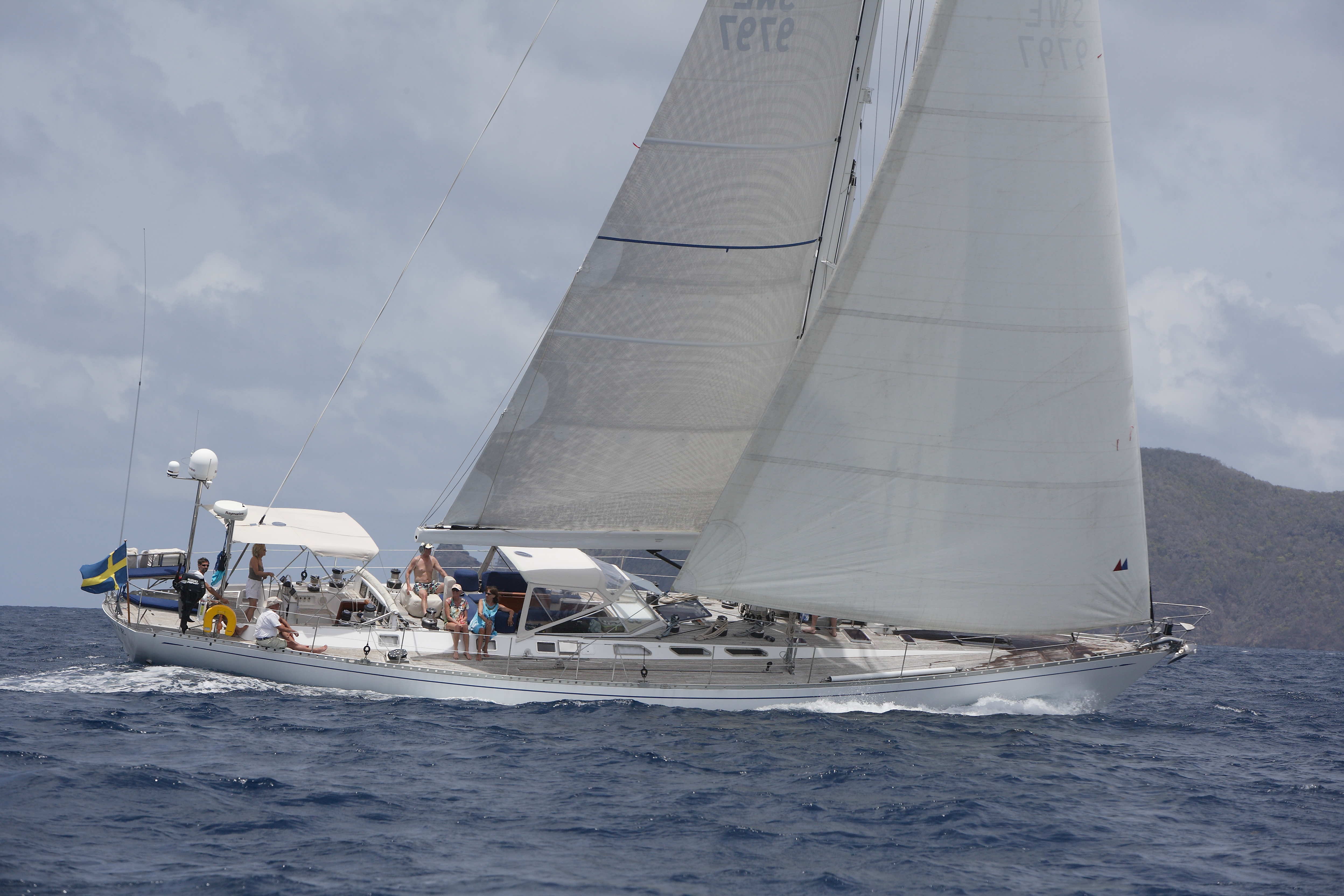
ADRIENNE II is a modified Swan 651, lengthened to 70 feet with an extended transom, upgraded fin keel, carbon-fiber rig, and a Hallberg-Rassy-style glass windshield. Chartered by 59º North from owner Gurra Krantz (noted for the TV show Över Atlanten), she will be used for trans-Atlantic voyages in 2025. Only 19 Swan 651s were built (1982–1991) as successors to the S&S Swan 65, offering more interior space and family cruising features. More info and photos: 59-north.com/swan-70.
Swan 59
'
ICEBEAR
'
🇬🇧
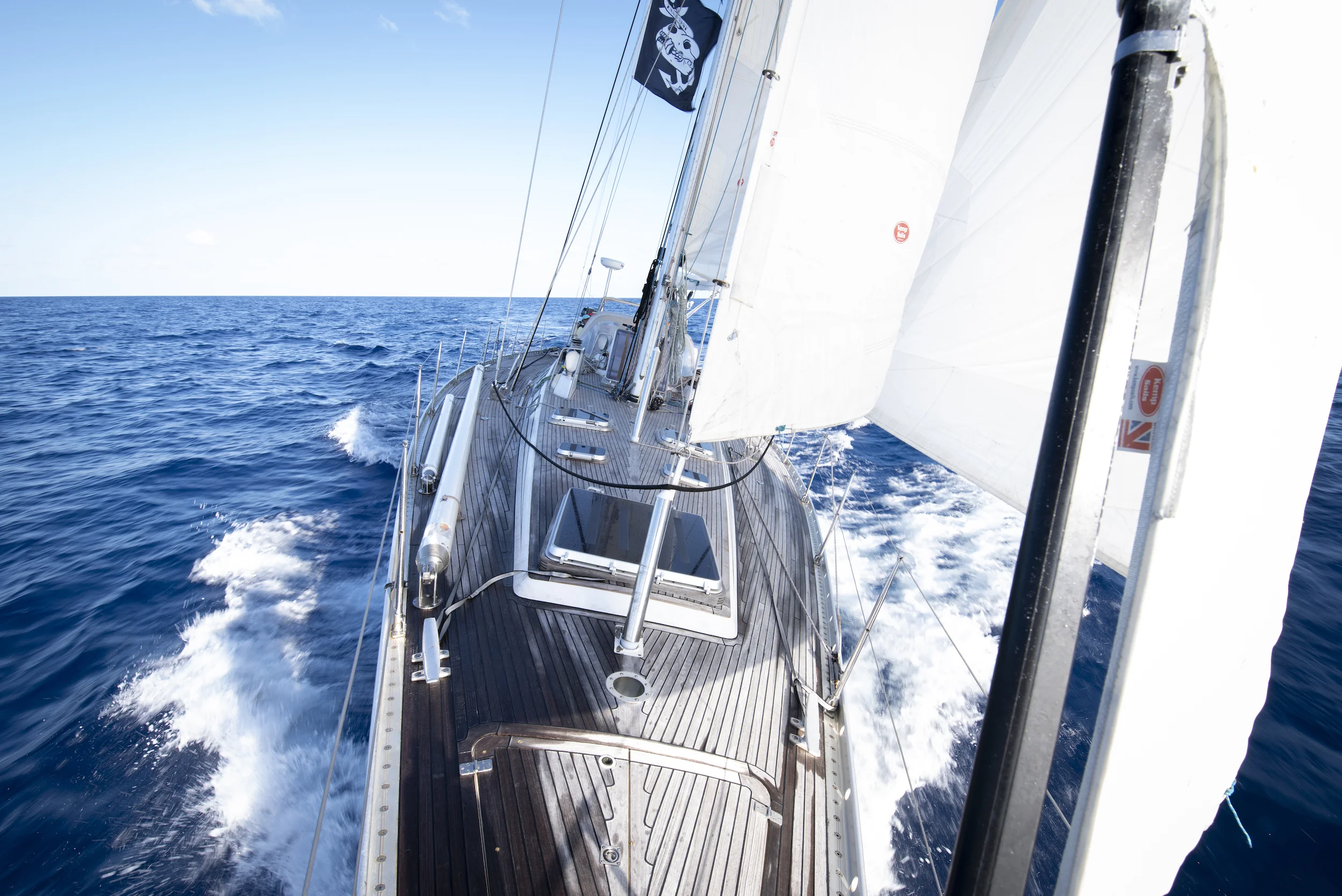
After nearly four years and 42,000+ miles, ICEBEAR, a 1986 Swan 59 offshore sailing yacht, has left the 59º North fleet. Originally purchased in 2019, ICEBEAR underwent extensive upgrades and is now one of the best-equipped Swan 59s. The boat has a unique history, including a modified builder’s plaque and previous Swedish ownership.