
2027-3 | ISBJORN | Faroe - Lofoten
From the remote and windswept Faroes, we head northeast into the Norwegian Sea, bound for one of the most stunning archipelagos in the world: the Lofoten Islands. This passage is a serious offshore undertaking, and a journey that takes us into the cold waters above the Arctic Circle. The passage can be both demanding and deeply rewarding. You will learn a lot about weather forecasting and -routing as you time your departure and set your course through the weather systems of the Norwegian Sea. Landfall in Lofoten is unforgettable. Jagged granite peaks rise straight from the sea, snow still lingering on their summits even in late May. High-latitude sailing at its very best. This voyage combines the raw thrill of offshore passage-making with the reward of arriving in one of the most spectacular sailing destinations on Earth. If you are looking to challenge yourself and earn serious sea miles while also experiencing the beauty of Arctic Norway, this is it.
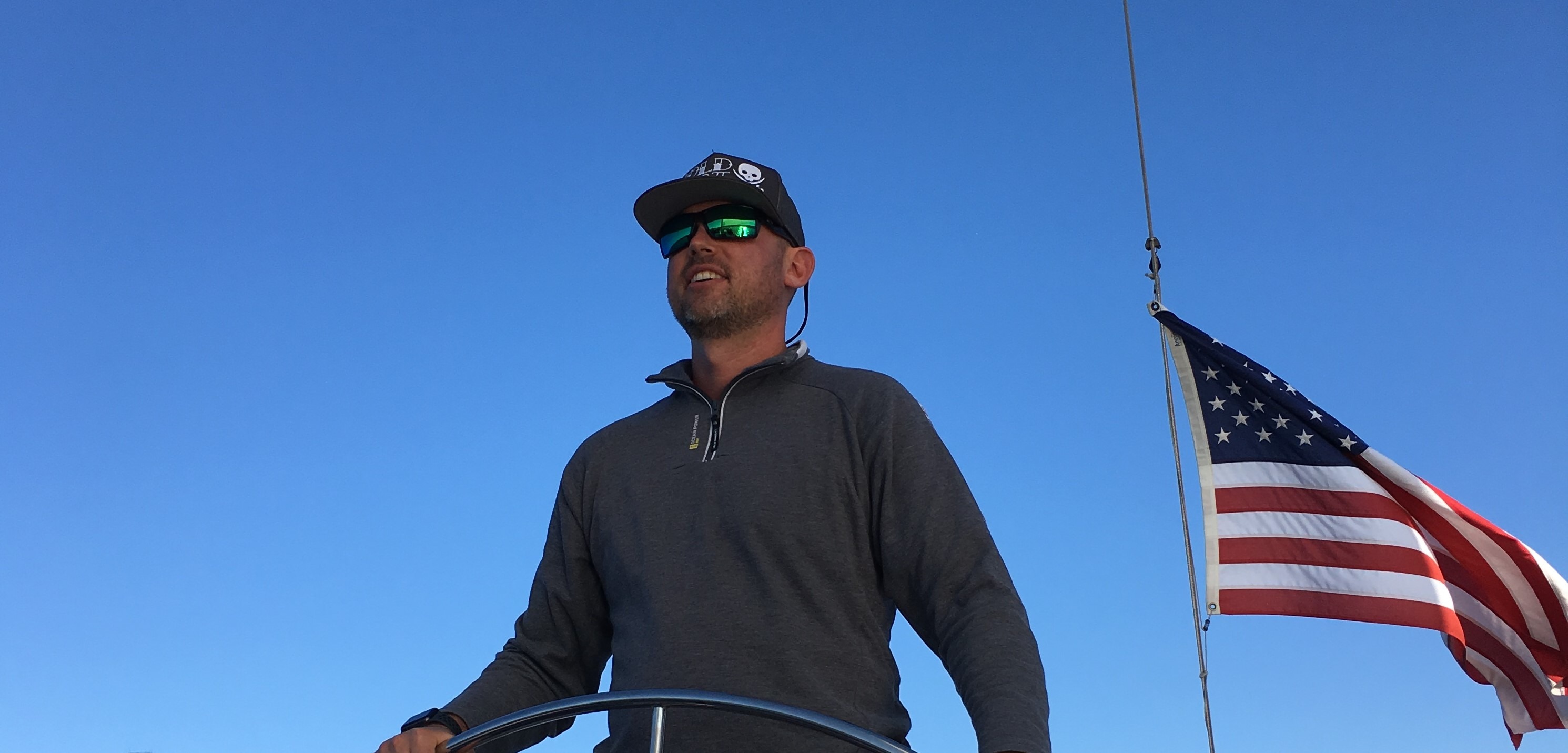
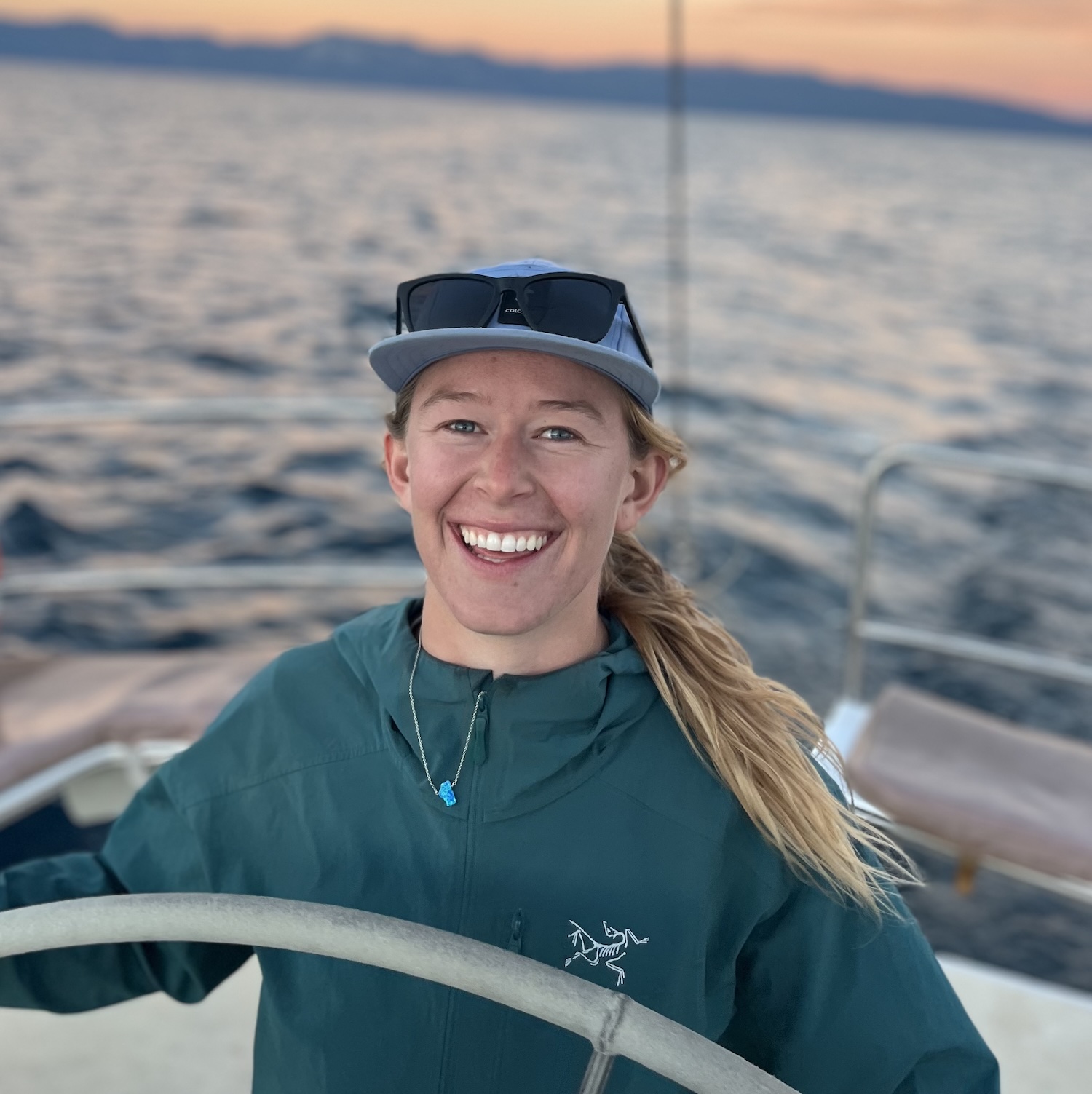
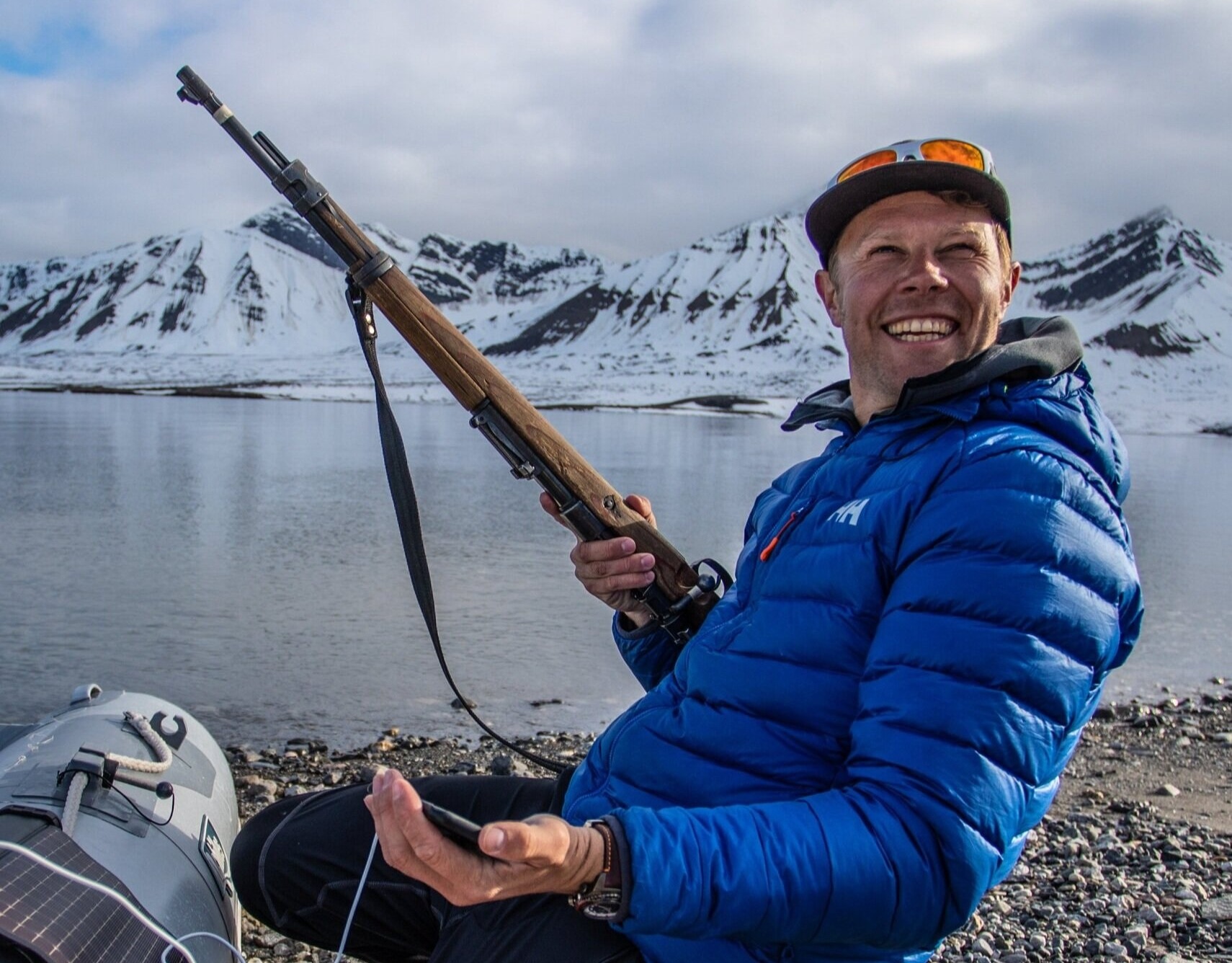
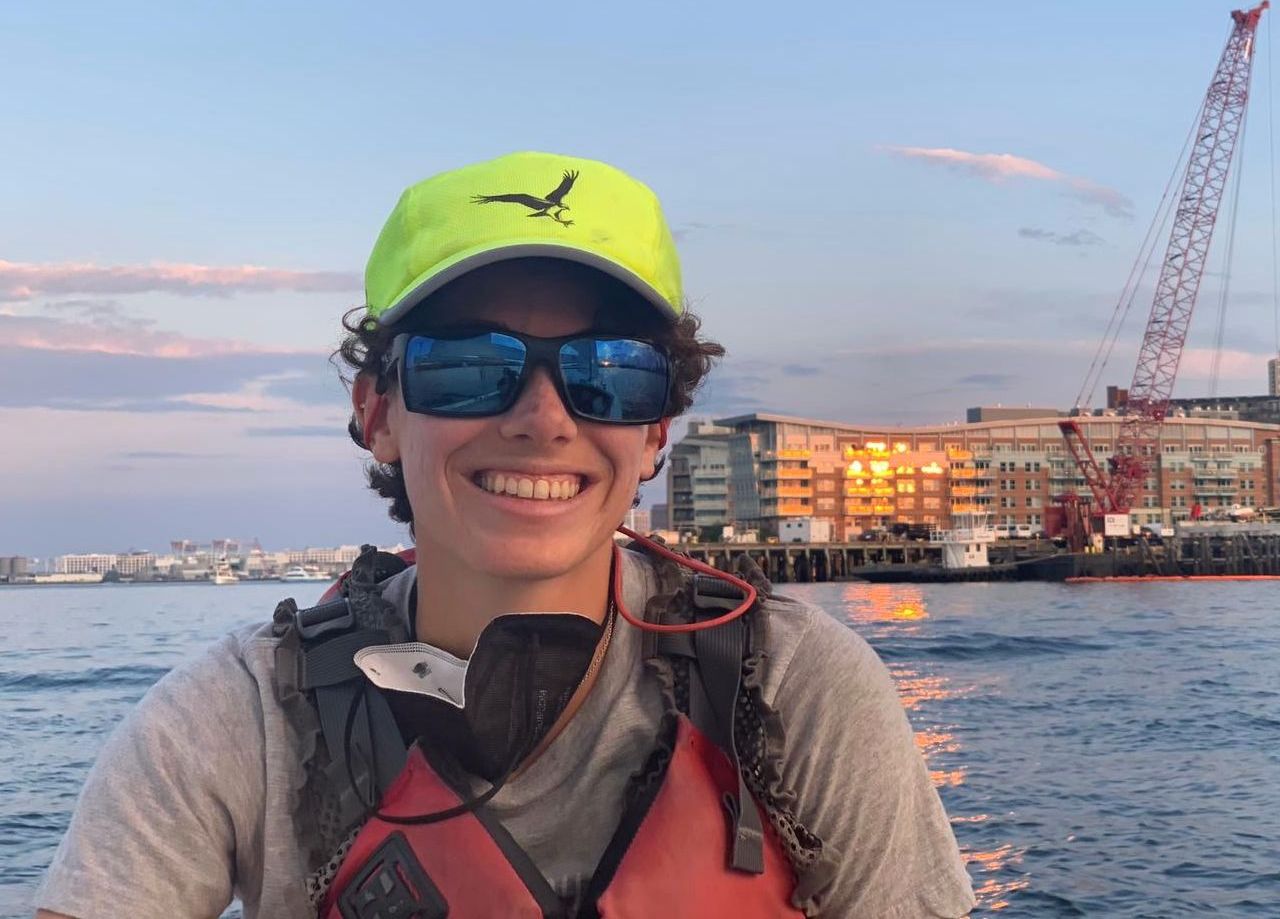
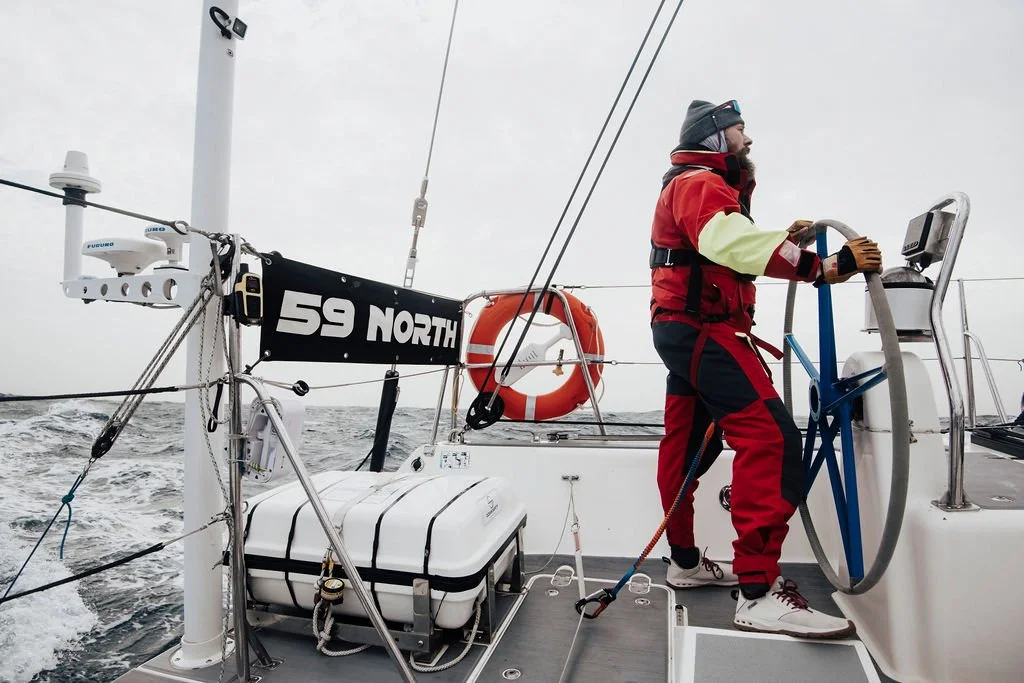
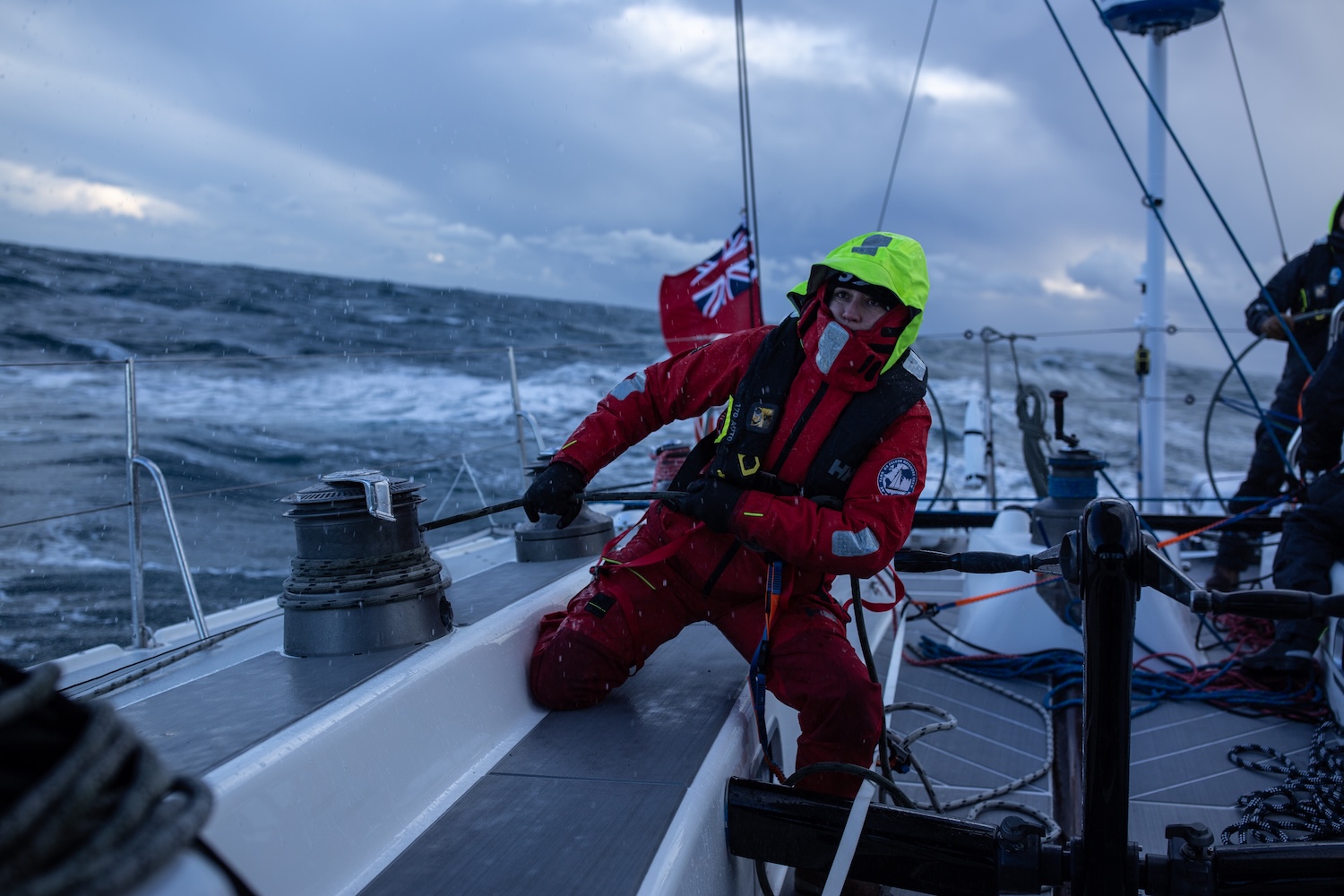
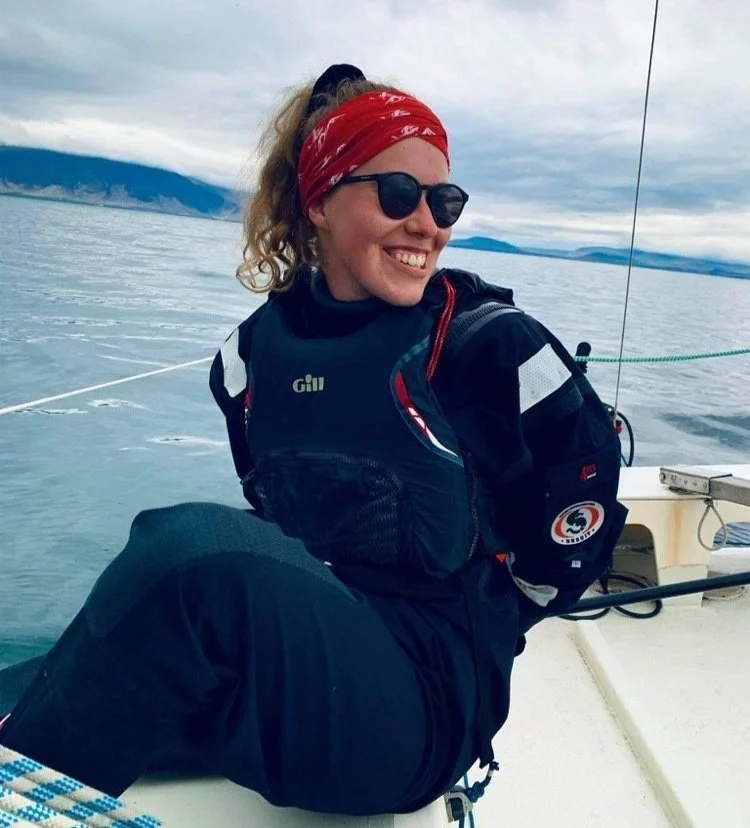
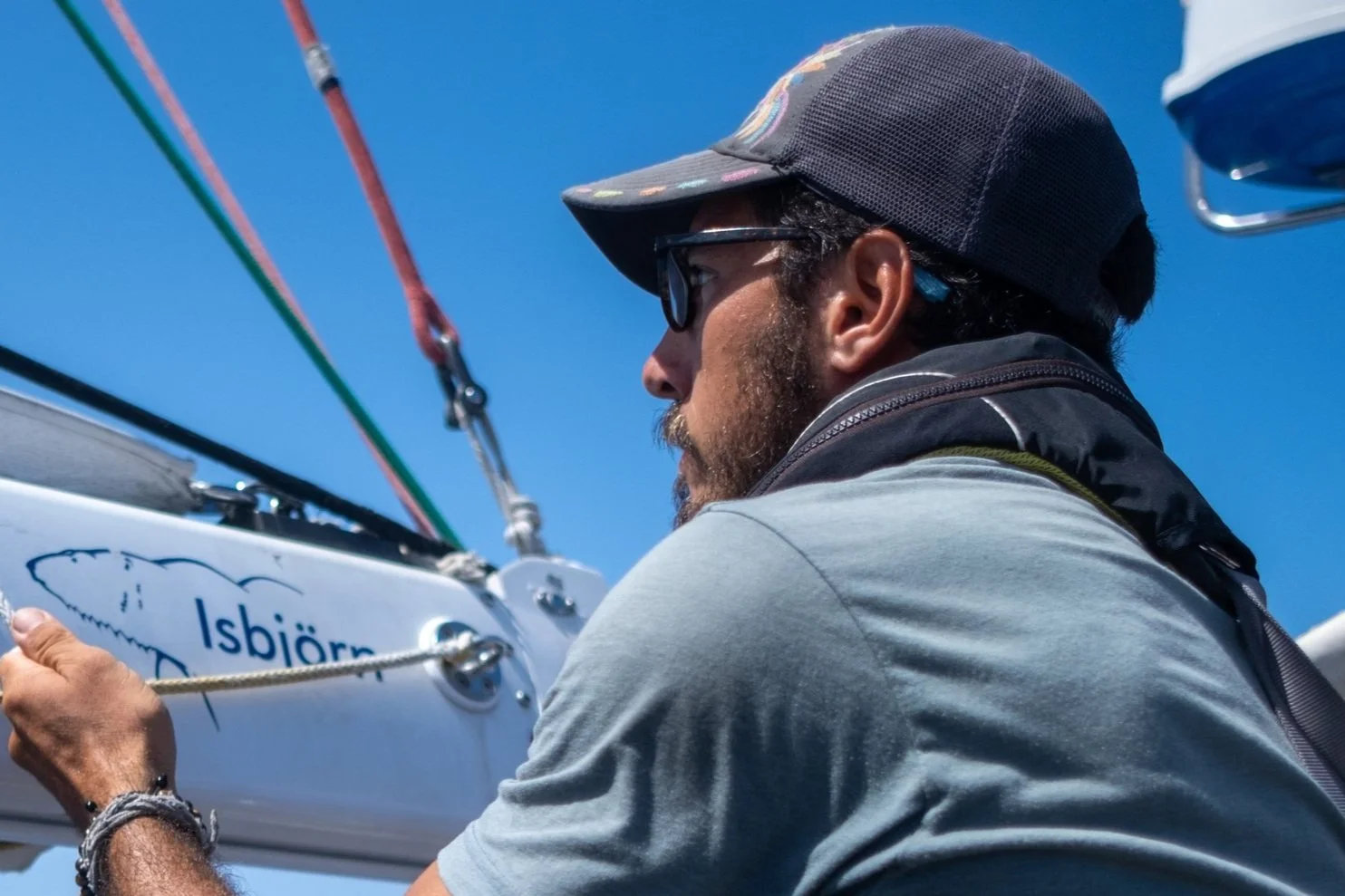
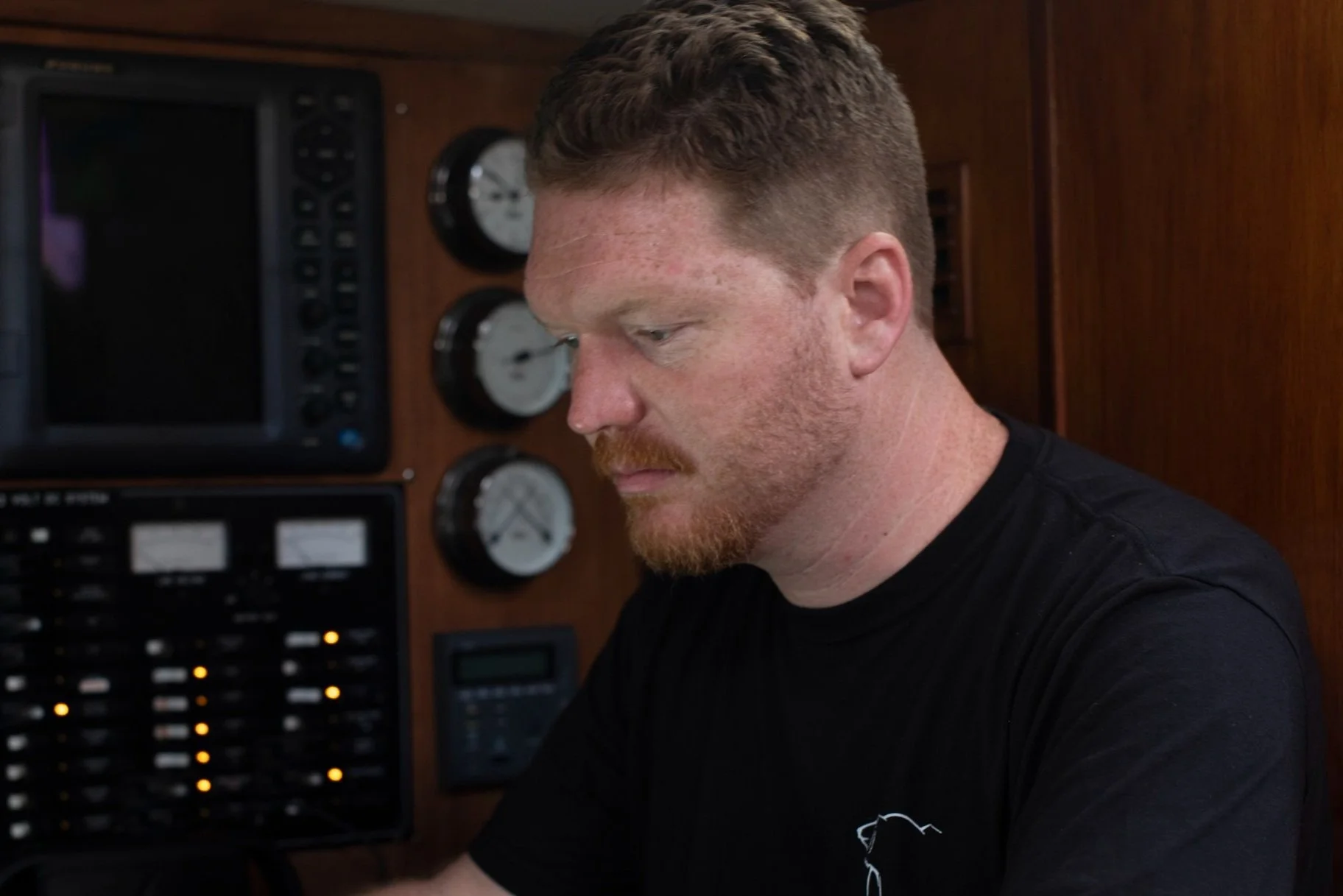
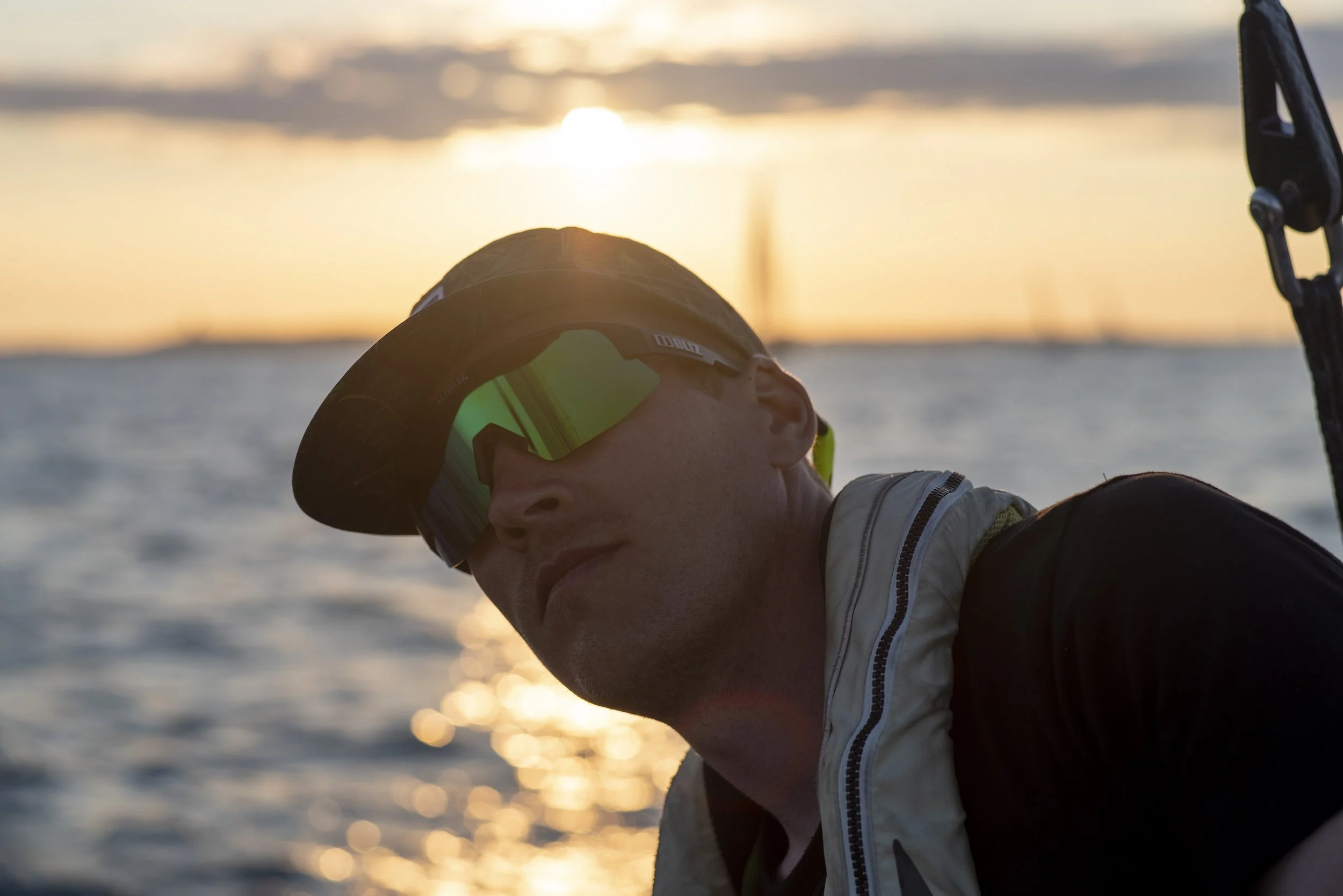
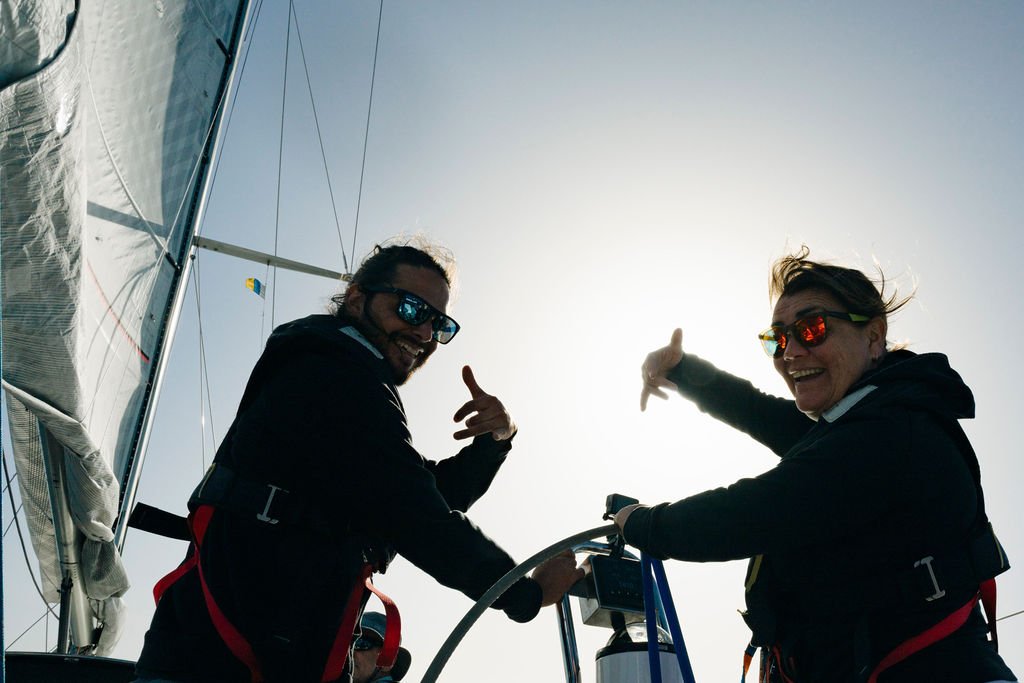
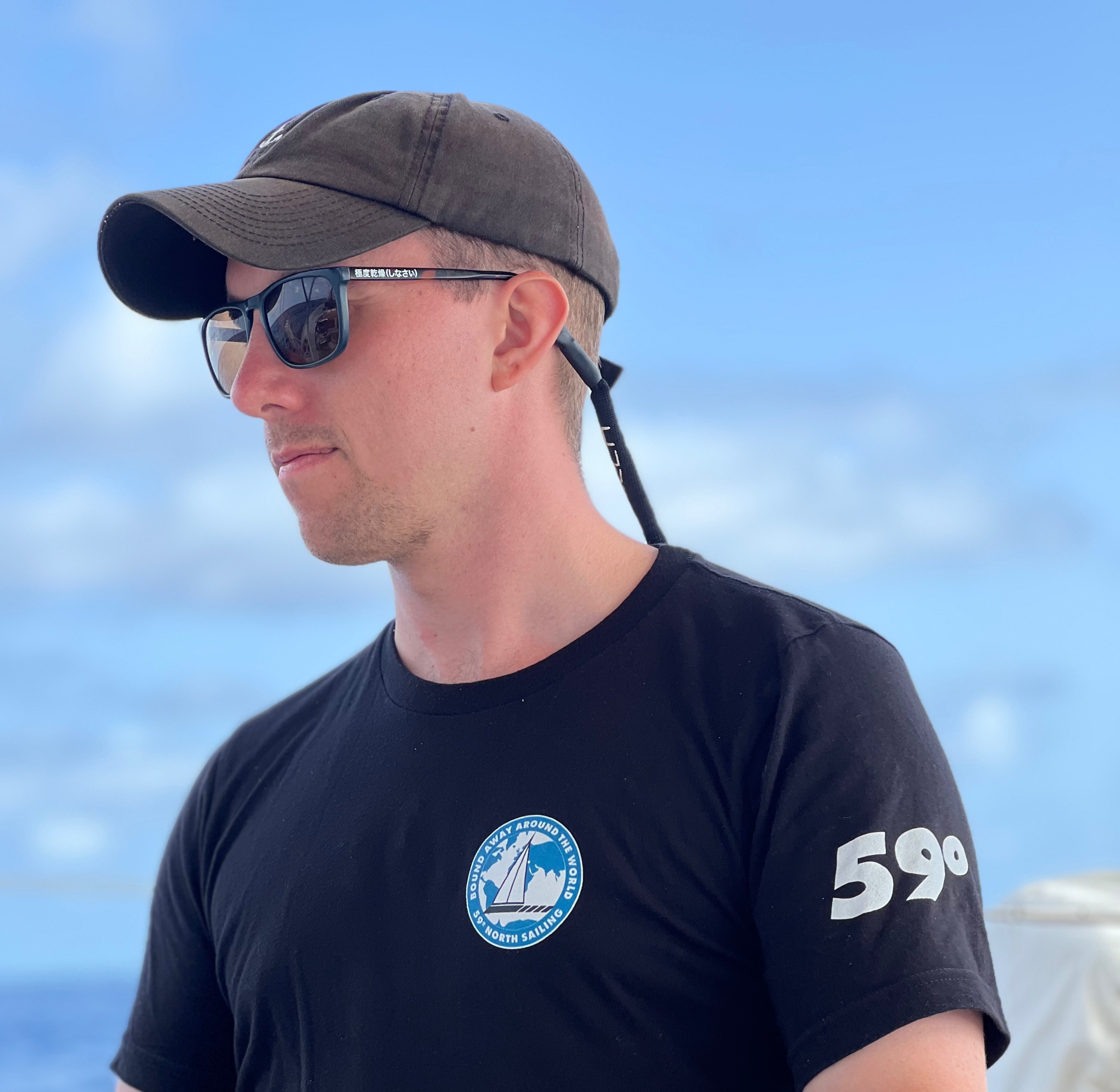
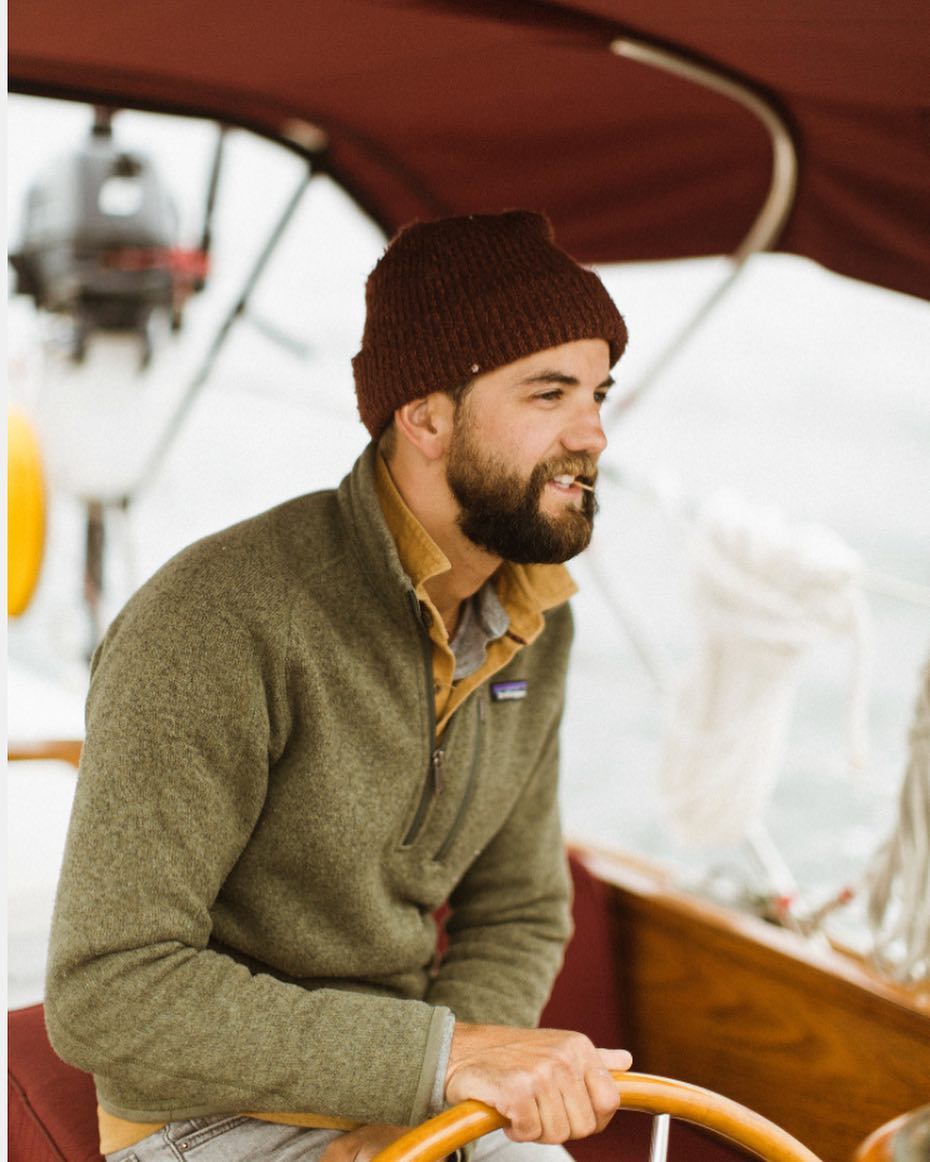
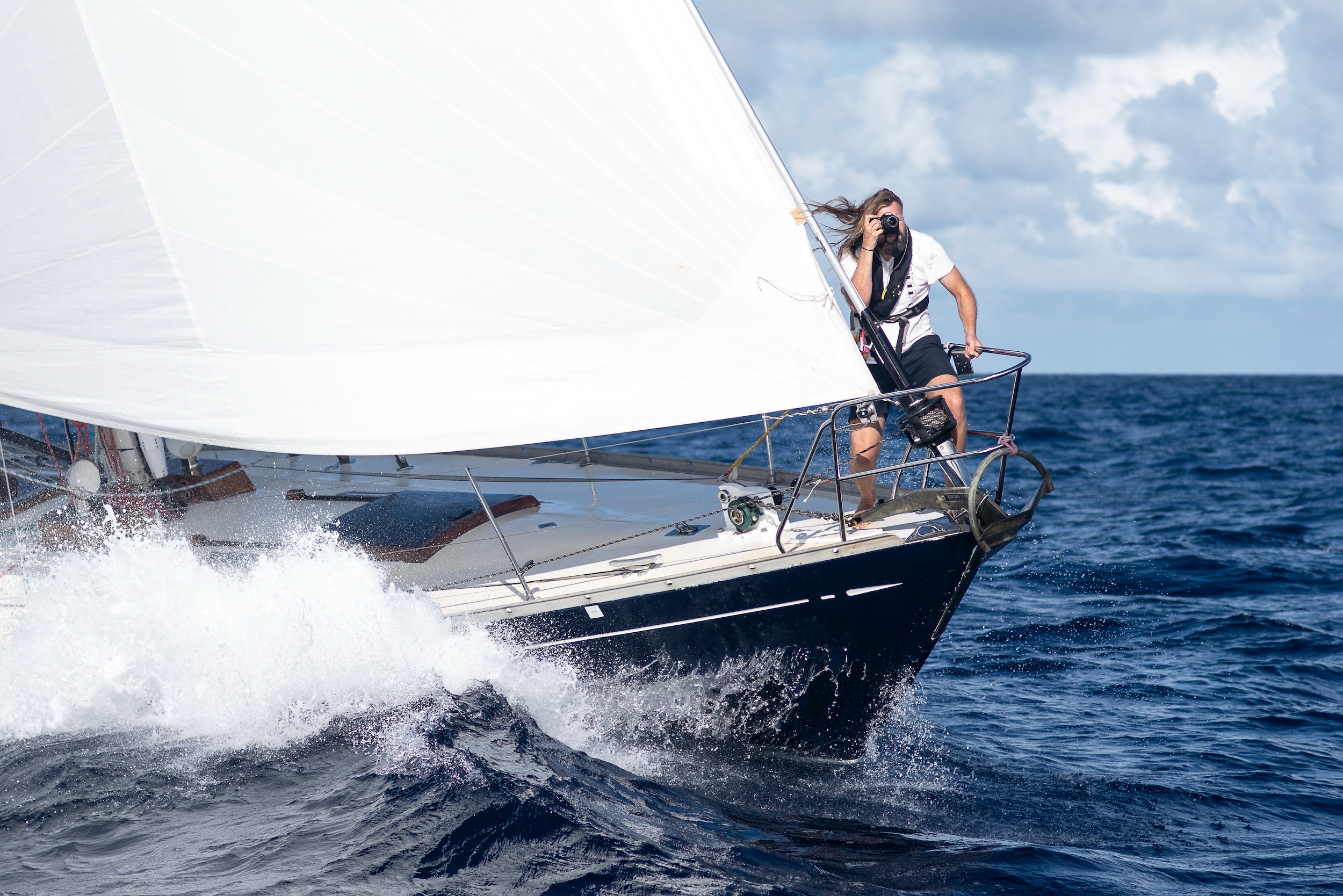
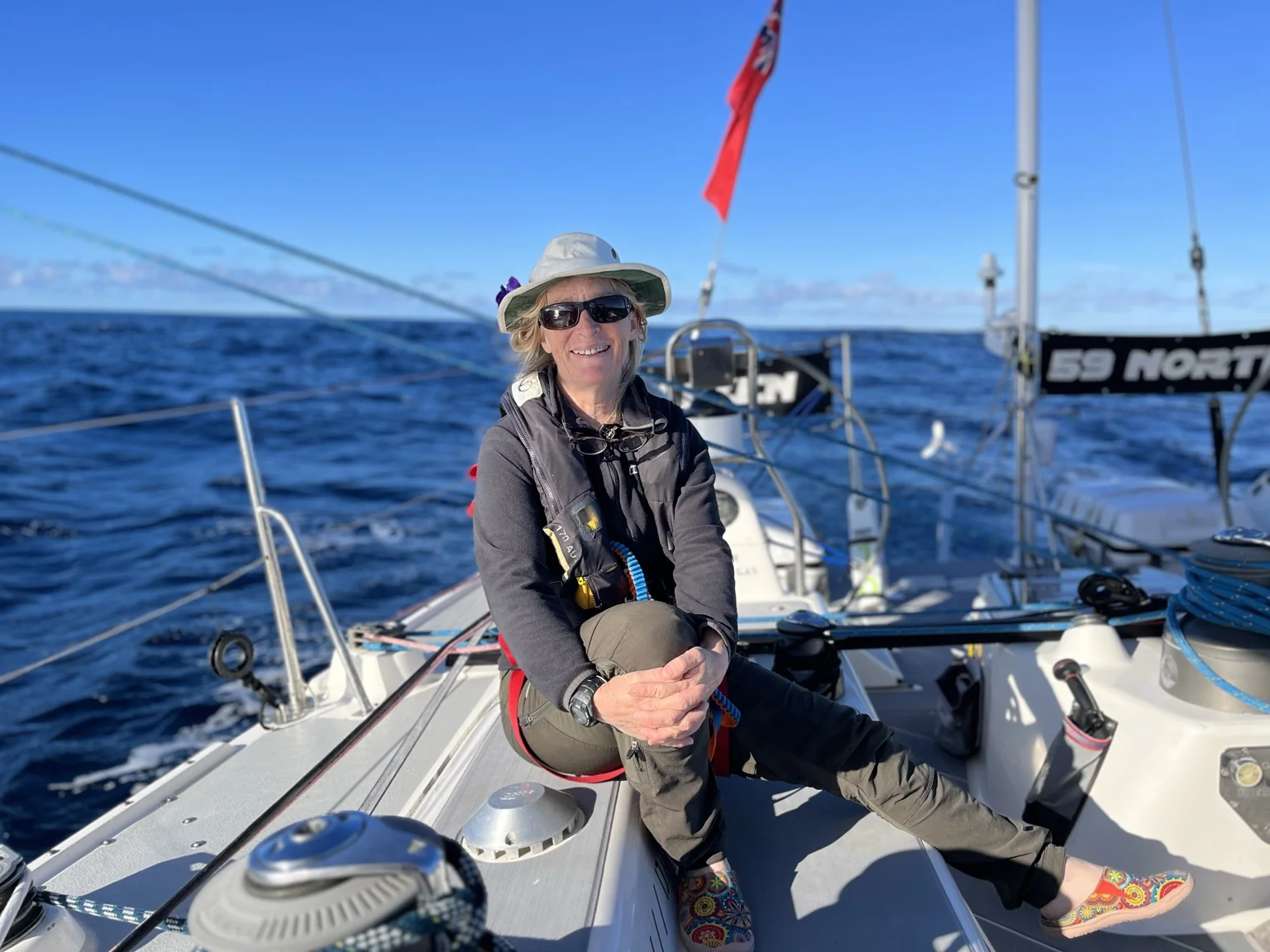
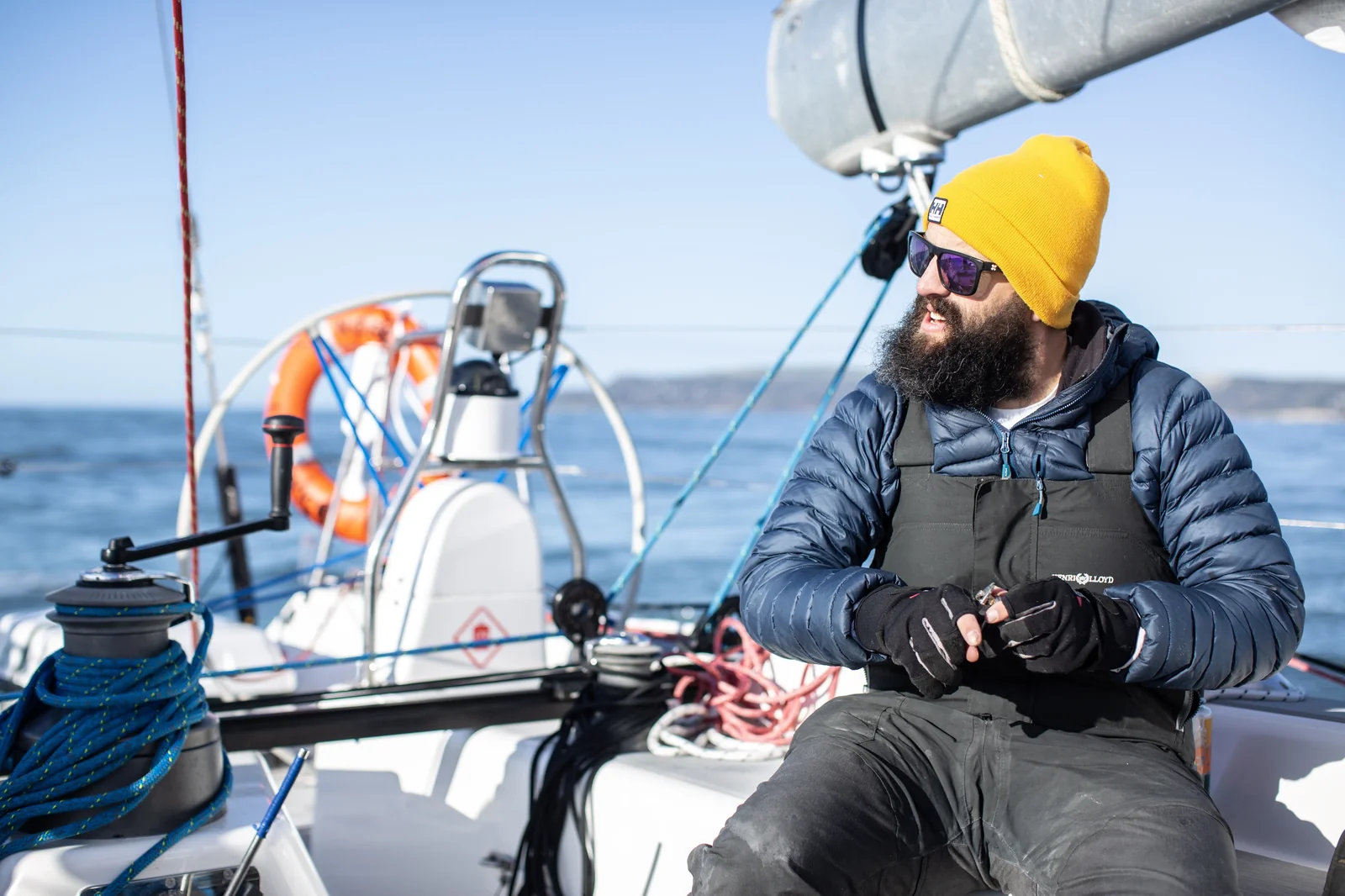
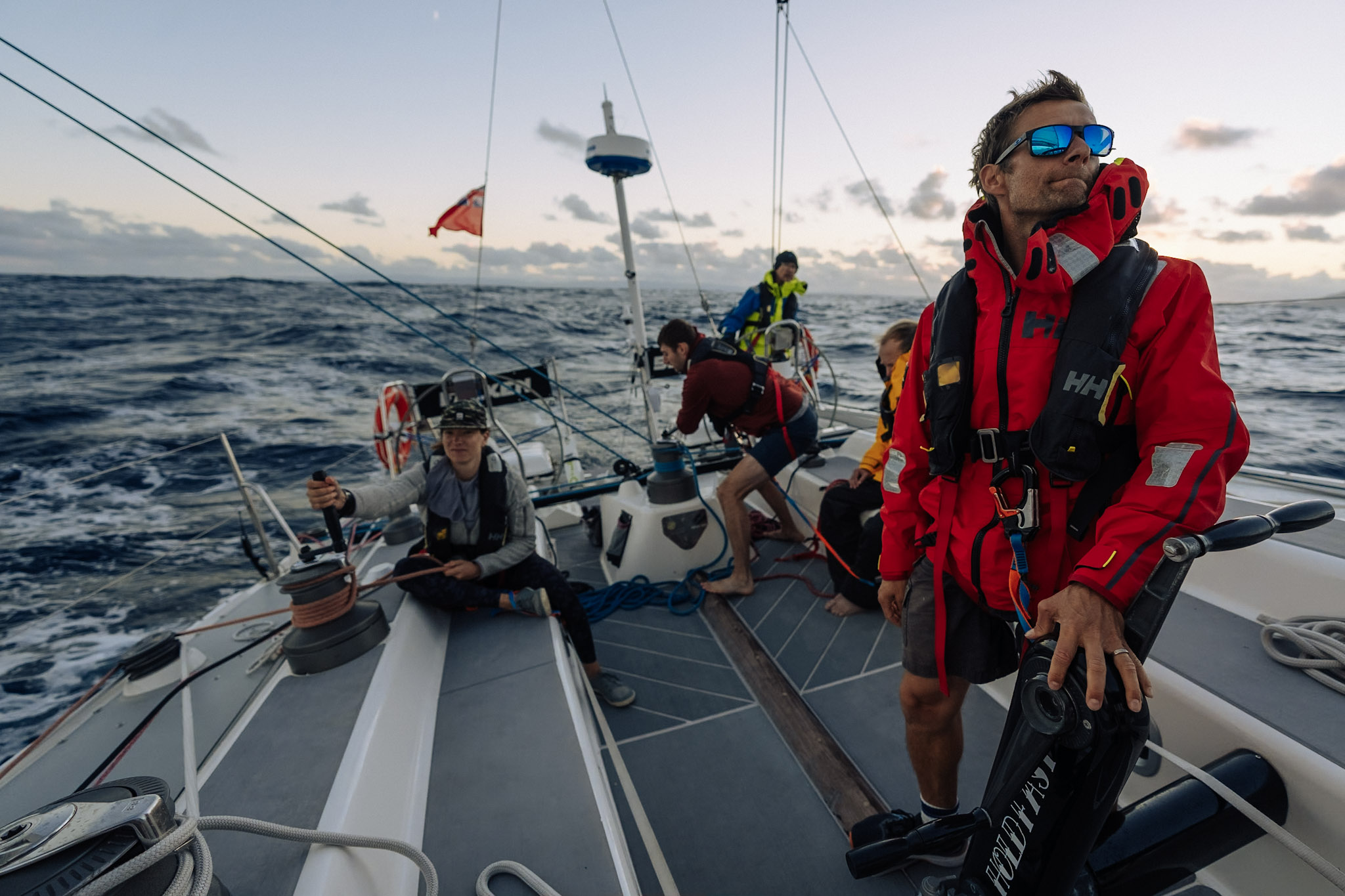
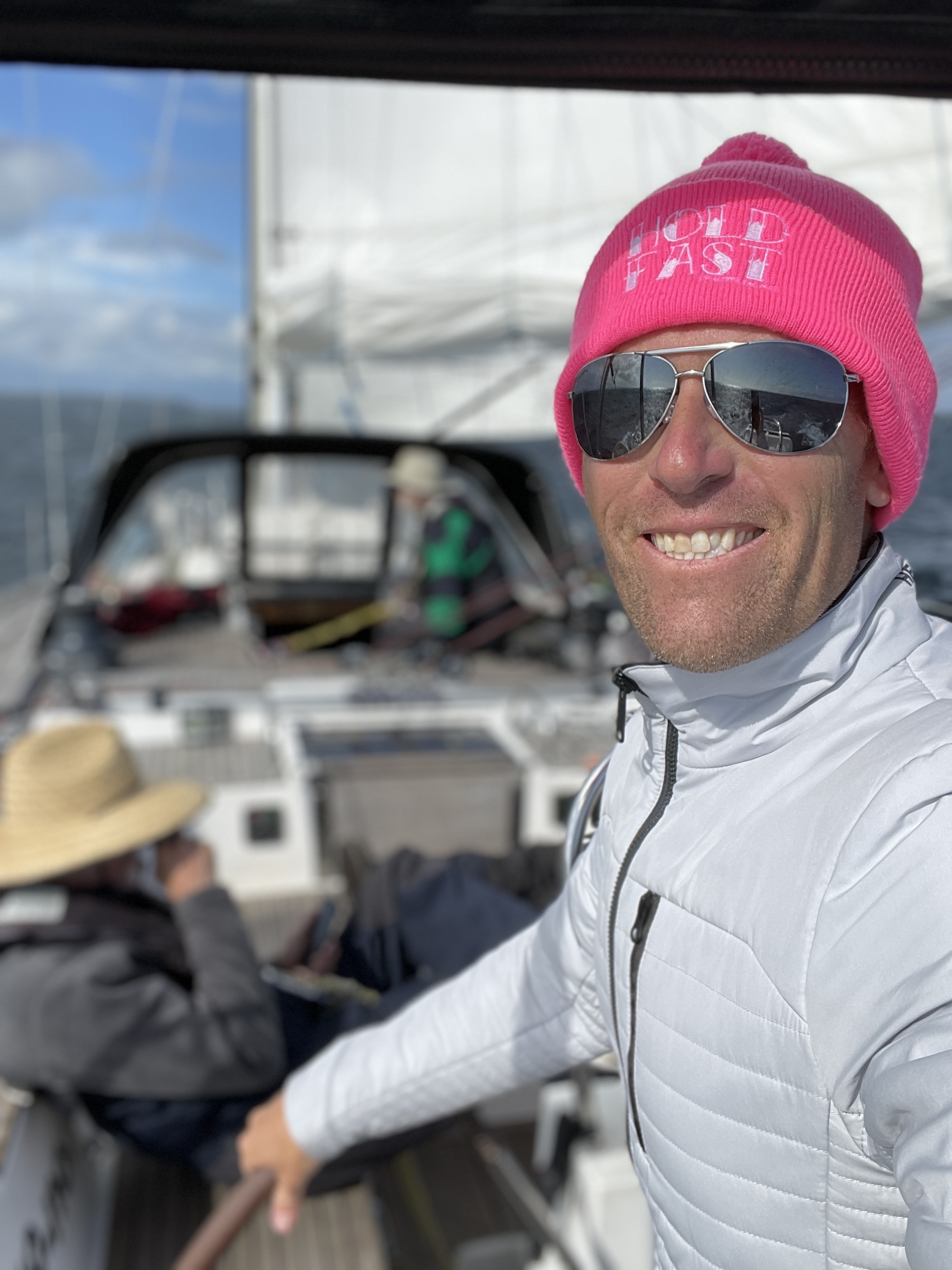
SAILING STAFF




.jpeg)
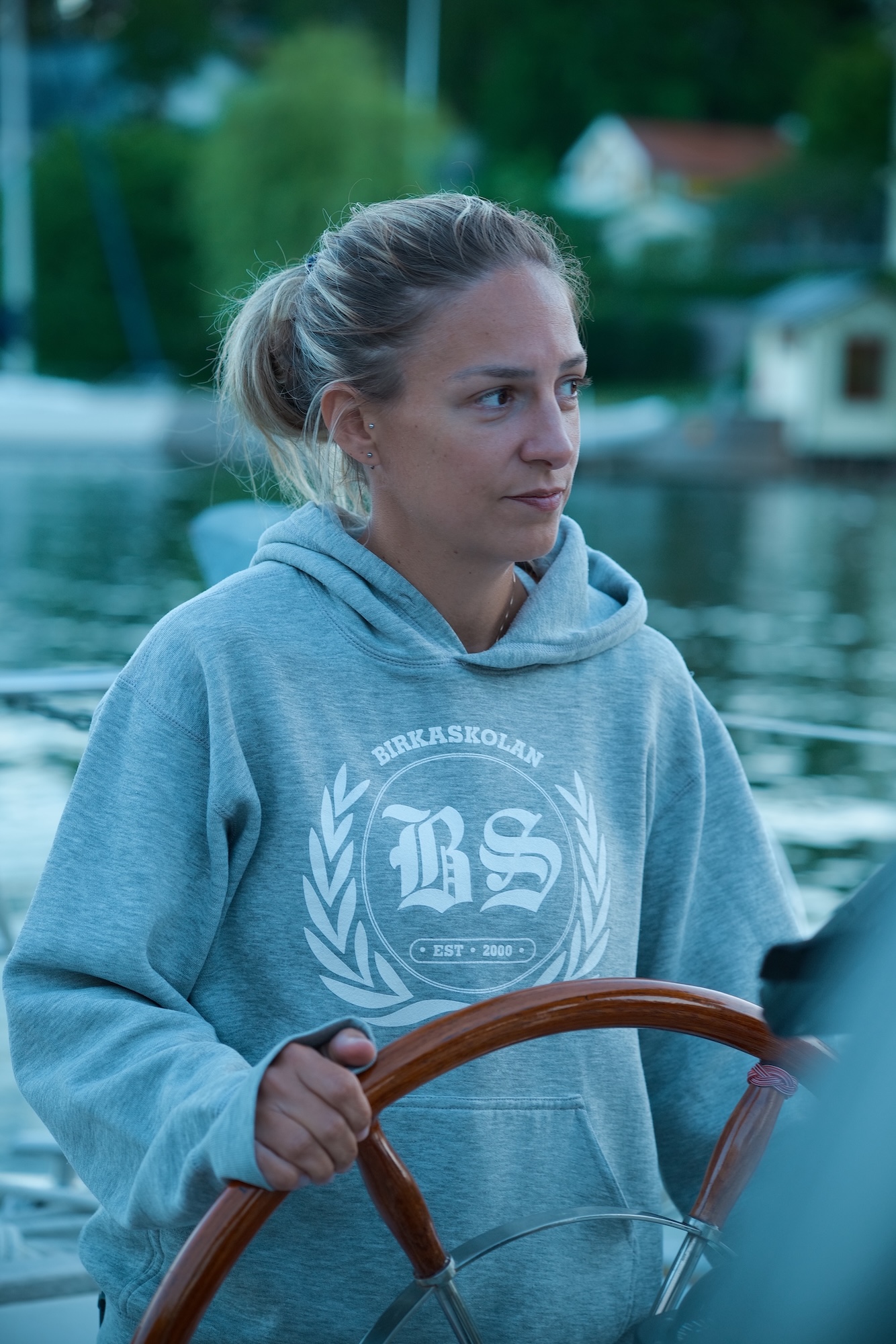

The Passage
Rough itinerary
All 59º North passages are very much subject to weather. We pick our routes based on the "correct" time of year to be sailing in the different regions we visit, and we always build-in enough time to give us some margin for weather windows. The skipper has final say on departure dates and weather windows, but generally speaking, the intinerary for this passage will look like this:
May 15, 2027
Crew arrive to ISBJØRN at in Torshavn, Faroe Islands. ISBJØRN orientation followed by crew dinner. All crew stay onboard ISBJØRN.
Prep Days
Between the joining and departure dates, all pre-passage preparation, provisioning, and safety briefings will be completed. The specific pre-departure schedule will be outlined and posted onboard ISBJØRN by the skipper.
May 17, 2027
Scheduled departure, weather dependent.
May 25, 2027
Latest date (12:00 noon) for crew to depart ISBJØRN from Lofoten, Norway.
TRAVEL LOGISTICS
Torshavn
Lofoten
Weather conditions
Expect a cool, lively passage with plenty of wind and a restless sea—classic North Atlantic sailing, where you'll want your foulies handy, but the long spring days and dramatic landfalls make every bouncy mile worth it.
In-depth analysis, by WRI

WHY 59º NORTH?
ambitious sailing schedule
The best boats
WOMEN BUNKS GUARANTEED
Professional, well-paid staff
knowledge & community
Why it costs what it costs...
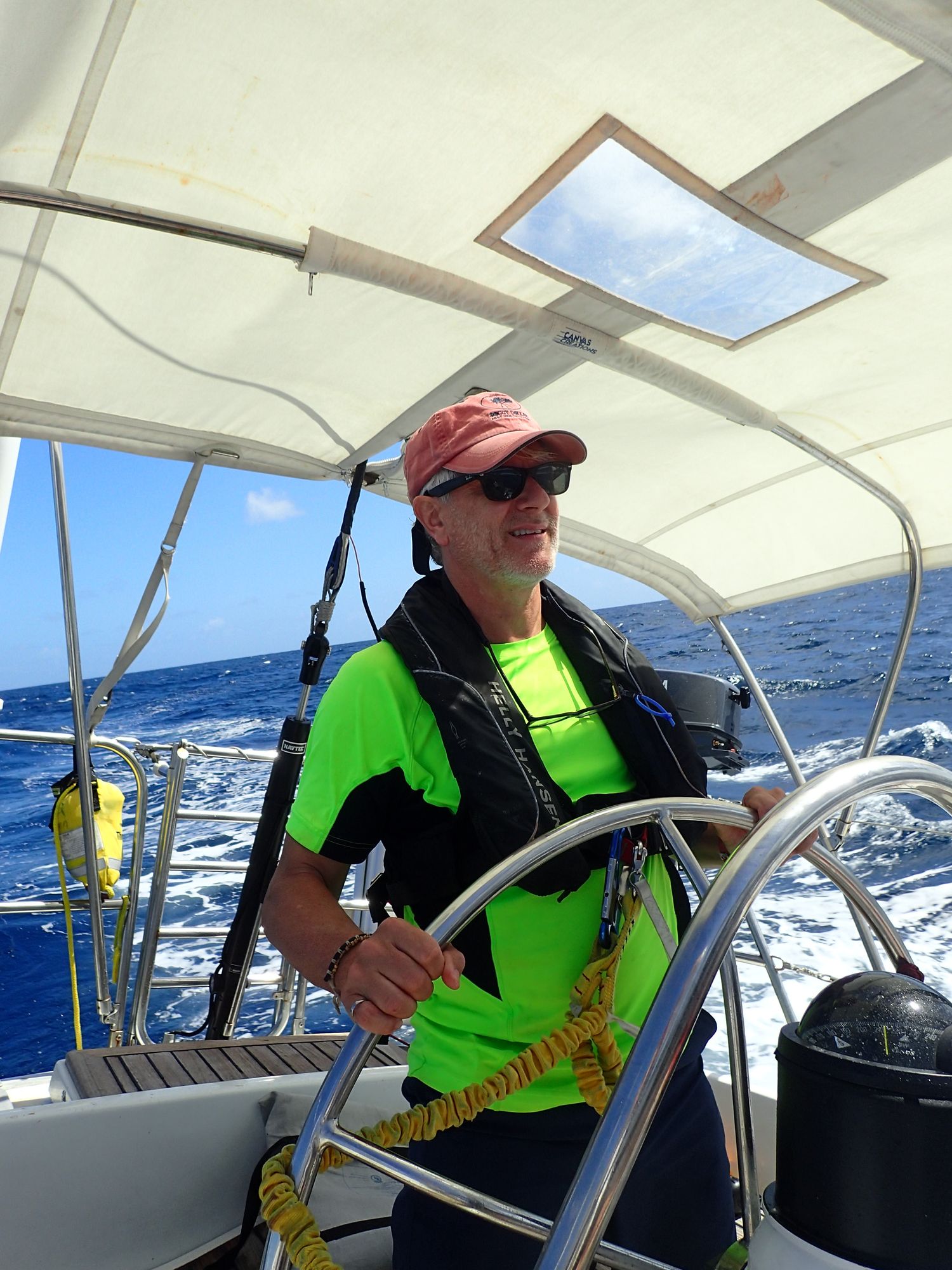
"I highly recommend the experience of doing a passage on ISBJØRN. I gained valuable offshore experience on a fine boat, learned how Andy and Mia competently manage their boat, learned about celestial navigation, and had a great time doing it. Completing ISBJØRN's first back-to-back 200 mile day passage was a smokin' fast bonus!"


"I have been on two 59º North voyages—Antigua to Cartagena on FALKEN and Sail Training Camp on ISBJØRN in Norway last May 19-26. What I love about sailing is the absolute focus and concentration required for those fleeting moments of joy when it all comes together perfectly. Fair winds, good sails, a sturdy boat are all I want—the rest is a distraction."

"I sailed on ISBJØRN in March 2024 from Bergen to Tromsø and it was fantastic. 59º North truly lived up to expectations—Mia and August were always helpful, and our skipper Jon Amtrup did a fantastic job, balancing safety with giving everyone the right tasks and space. We had incredible anchorages, great sailing, fun dinners, and unforgettable experiences under the stars on the North Sea. ISBJØRN is a wonderful boat with character, and I highly recommend the trip."
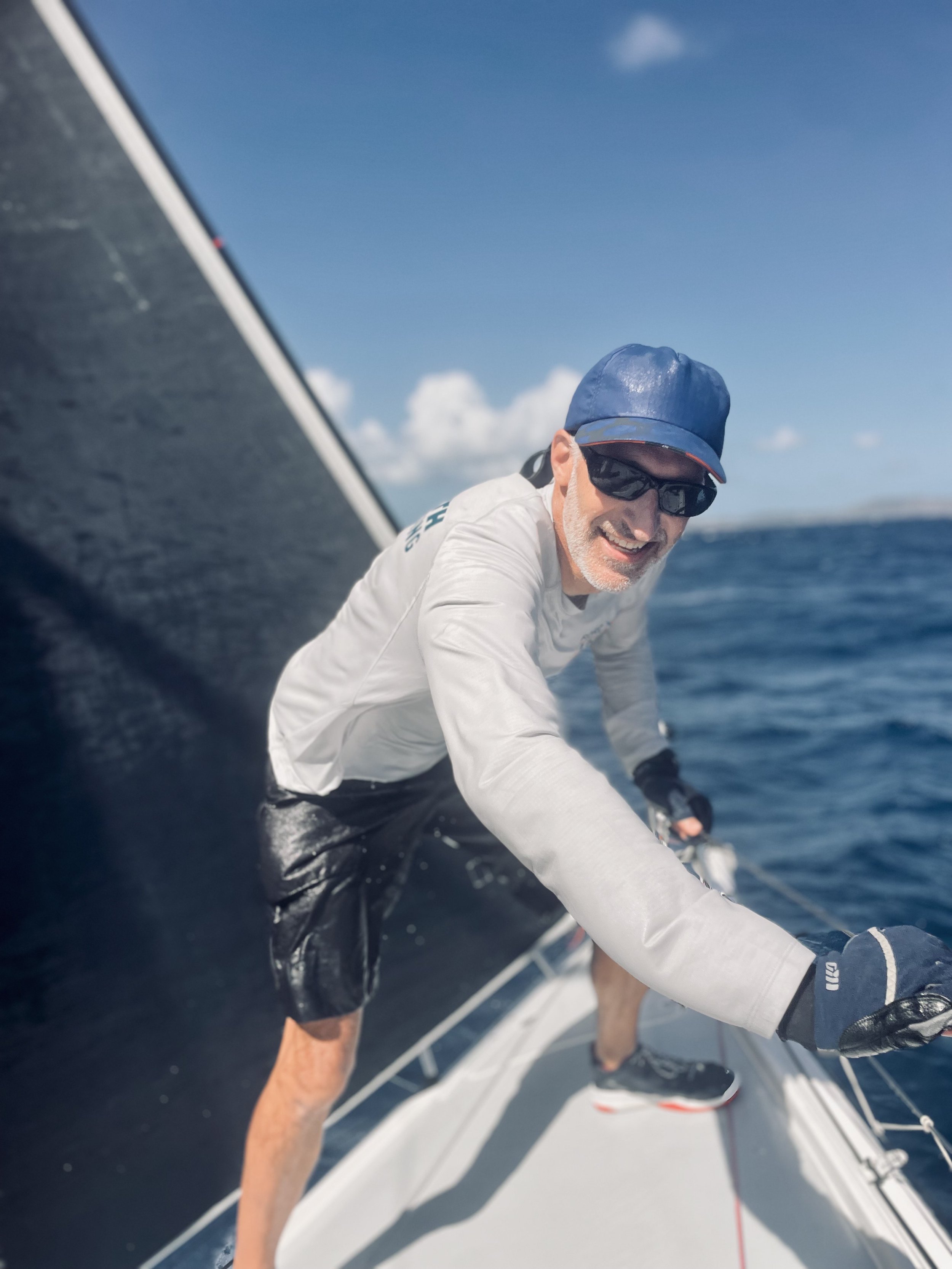
"Cruelling and unforgettable! I knew I would be inspired by Nikki and Alex—true professionals—but it was the inspiration I took from my crewmates that will stay with me for a lifetime. As a blue water cruiser, this experience definitely made me a better ocean sailor!"
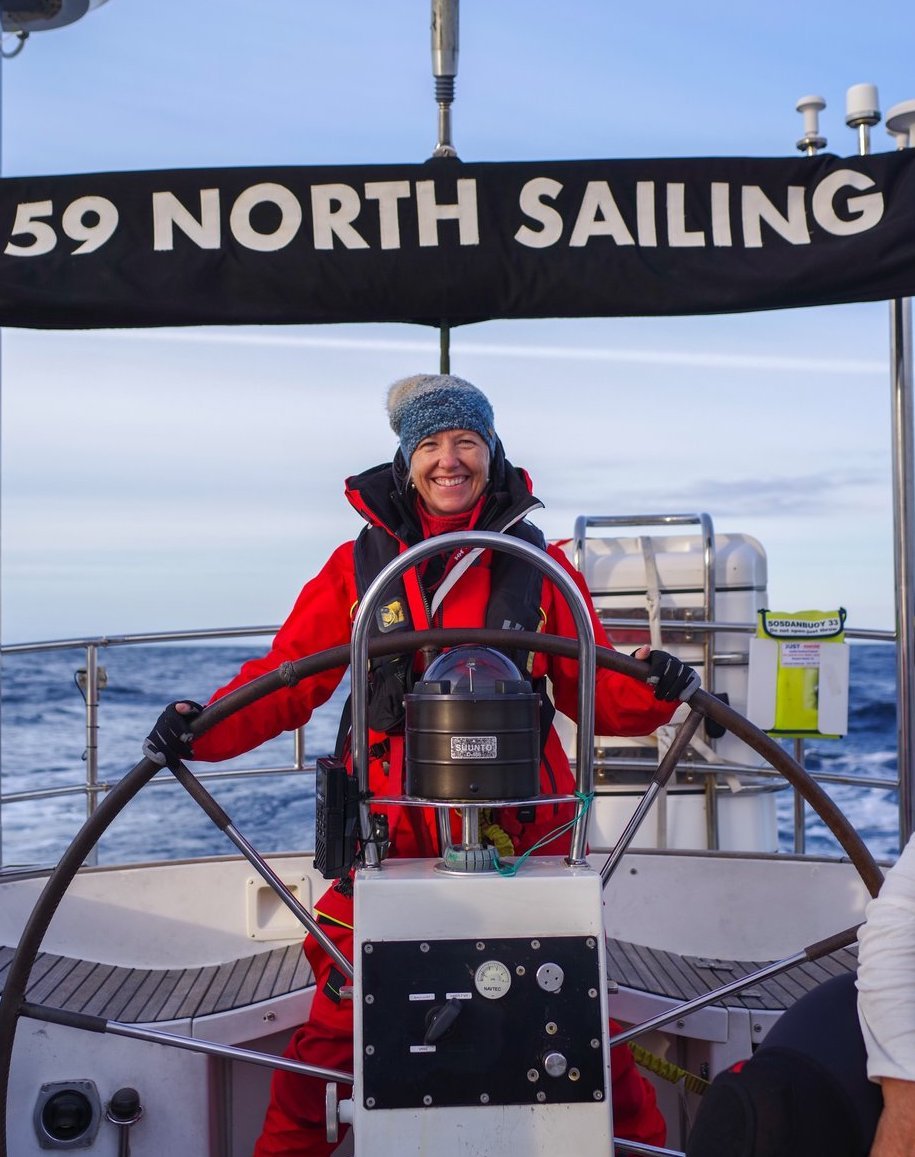
"The trip delivered on all my expectations and more. I wanted to experience sailing beyond my current boundaries, apply my skills, and learn from those around me. I felt able to embrace the whole experience because we had an excellent 59º North team that shaped us into a great crew on a well-prepared boat. If you are seeking ocean wisdom, you could not be in better hands."
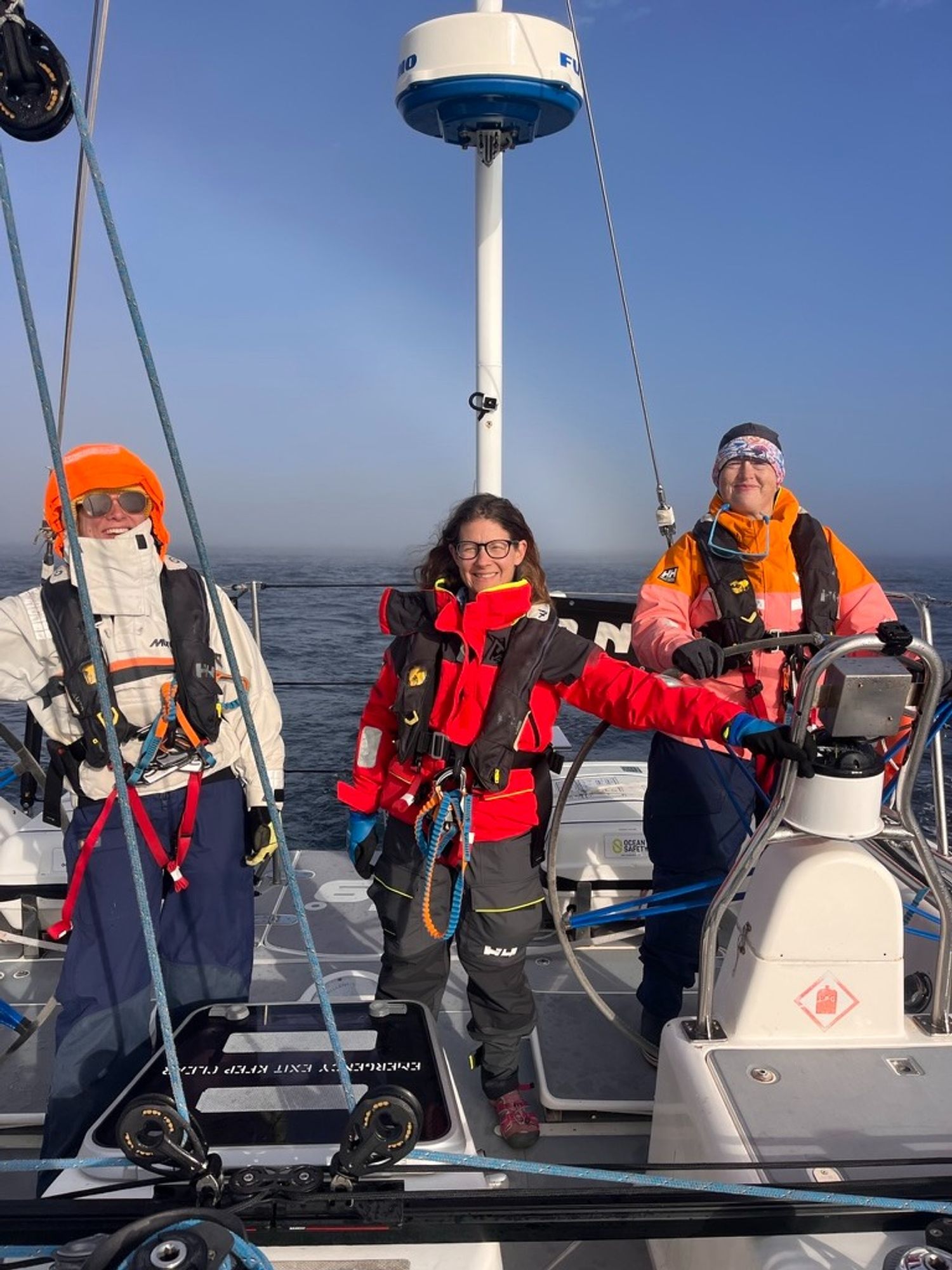
"To be surrounded by strong, intelligent women sailing leaders provided a safe and inclusive learning opportunity. This was exactly the environment I was looking forward to, and it met and exceeded my goals."
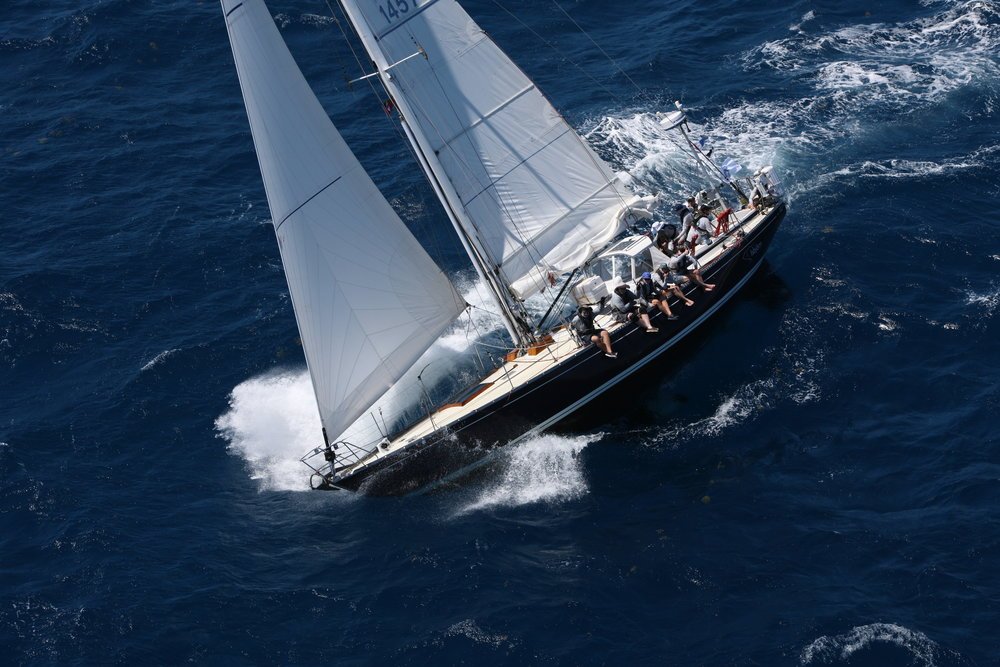
"Andy & Paul were amazing from the practice sails to the race itself; I never thought I'd be able to participate in such an exciting event. I'd also like to thank Liz & Lee, your first mates, who were always on hand to encourage us, teach us, and swap stories. I came away with tremendous respect for ISBJØRN, her captain, and the excellent crew she attracts. I'm definitely coming back."
THE BOAT
S&S Swan 48
'
ISBJØRN
'
🇳🇴
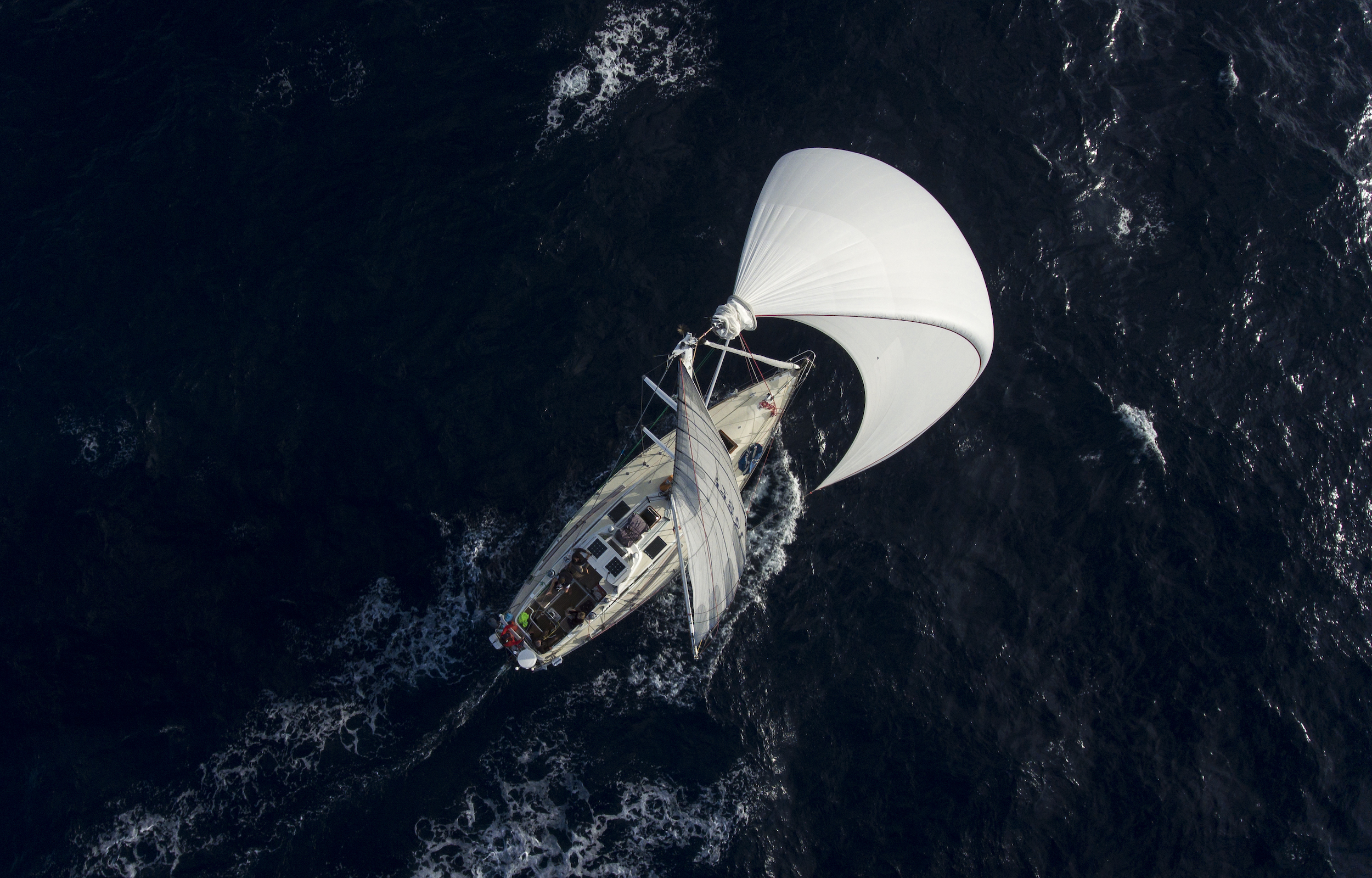
ISBJØRN is the "OG" 59º North boat, the classic S&S Swan 48 that we started the business with back in 2015. She's considered an all-time great ocean cruising boat - built like a tank in Finland to the highest standards and with a modern but conservative hull shape making for fast & comfortable passages offshore in any weather. ISBJØRN sails with 5 crew plus a Skipper, and each person has their own dedicated sea berth & storage locker.
packing lists & notes
Packing Notes
Start here when planning your packing for sailing with 59º North. This list includes the general basics for all of our passages. The passage-specific packing lists offer more details.
Cold | Chilly Packing List
Weather-wise, expect chilly to cold conditions (not Arctic-level cold, but cold enough to need boots, hats & gloves, especially at night). On sunny, calmer days, it might be warm enough for shorts and t-shirts, so on these types of trips you kinda need one of everything! Check the packing list for specific details.