
2027-2 | ISBJORN | Bergen - Faroe
(Note that we offer a % discount if you pay by cash/bank transfer.)
This voyage begins in Bergen, Norway - the gateway to the fjords - and sets a course west across the North Sea towards the Faroe Islands. The Faroes are one of the North Atlantic’s last truly wild archipelagos, a place where sea cliffs tower over 800 meters, seabirds darken the sky, and remote villages cling to green valleys carved by glaciers. A proper offshore challenge with a most rewarding landfall.
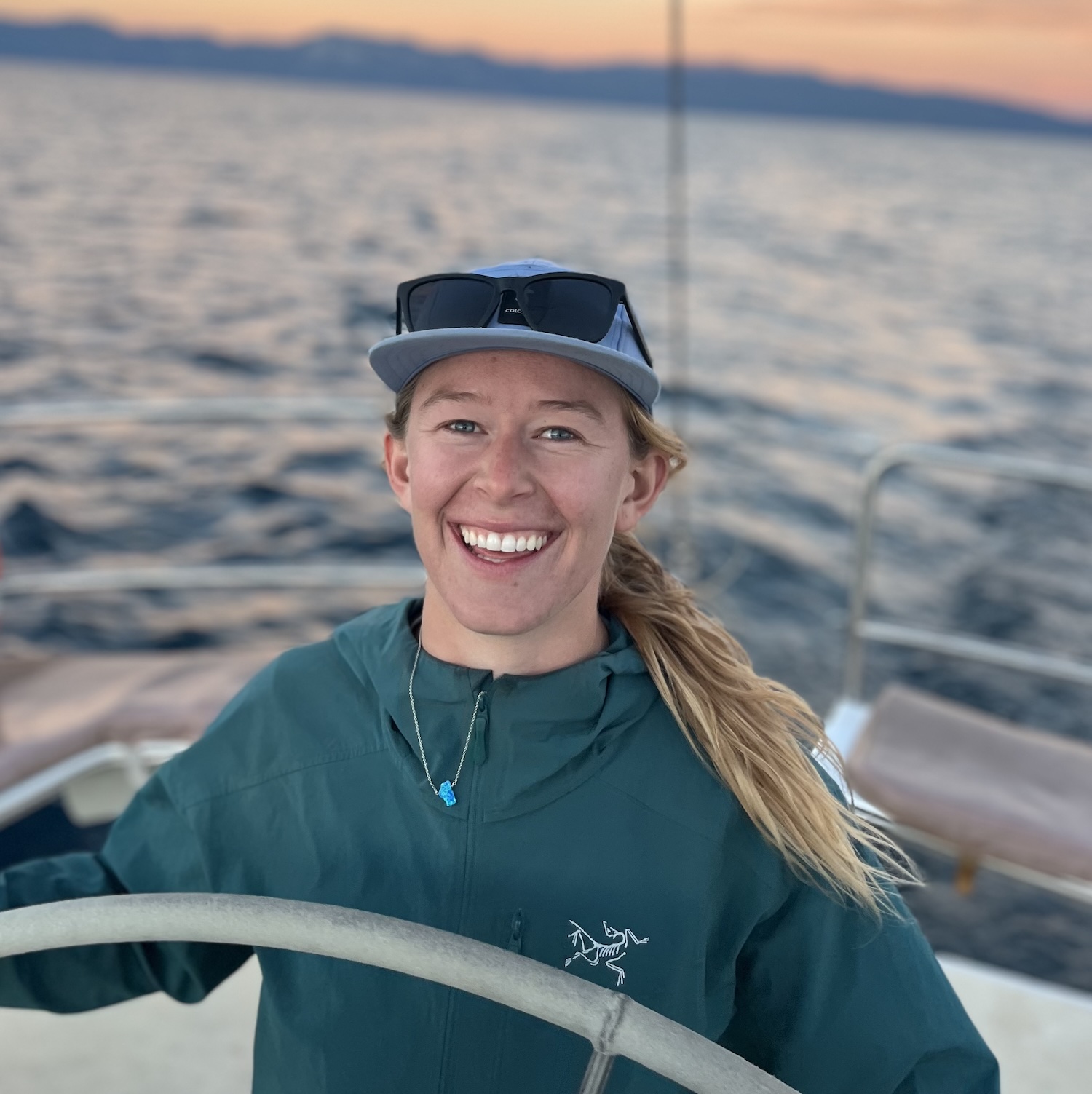
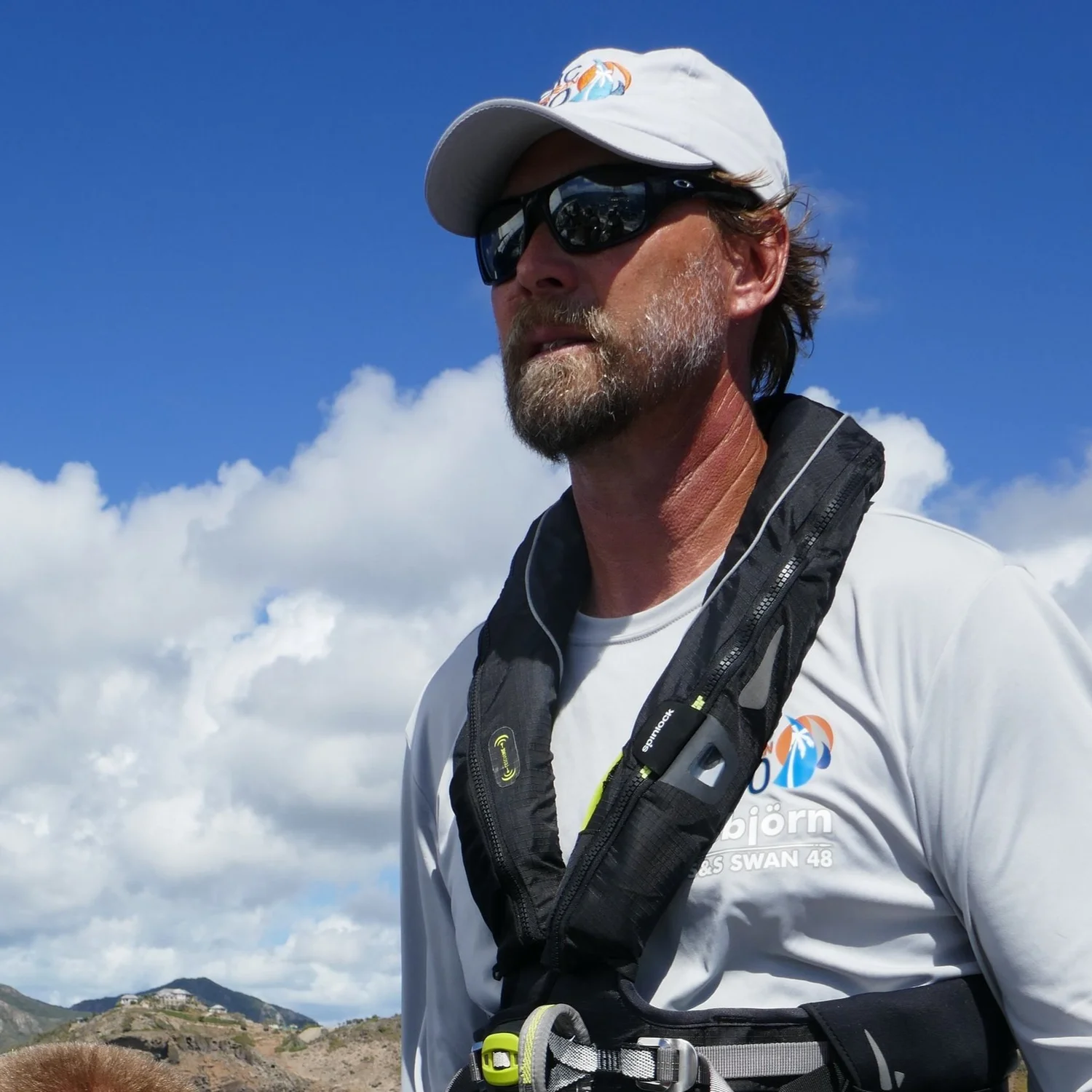
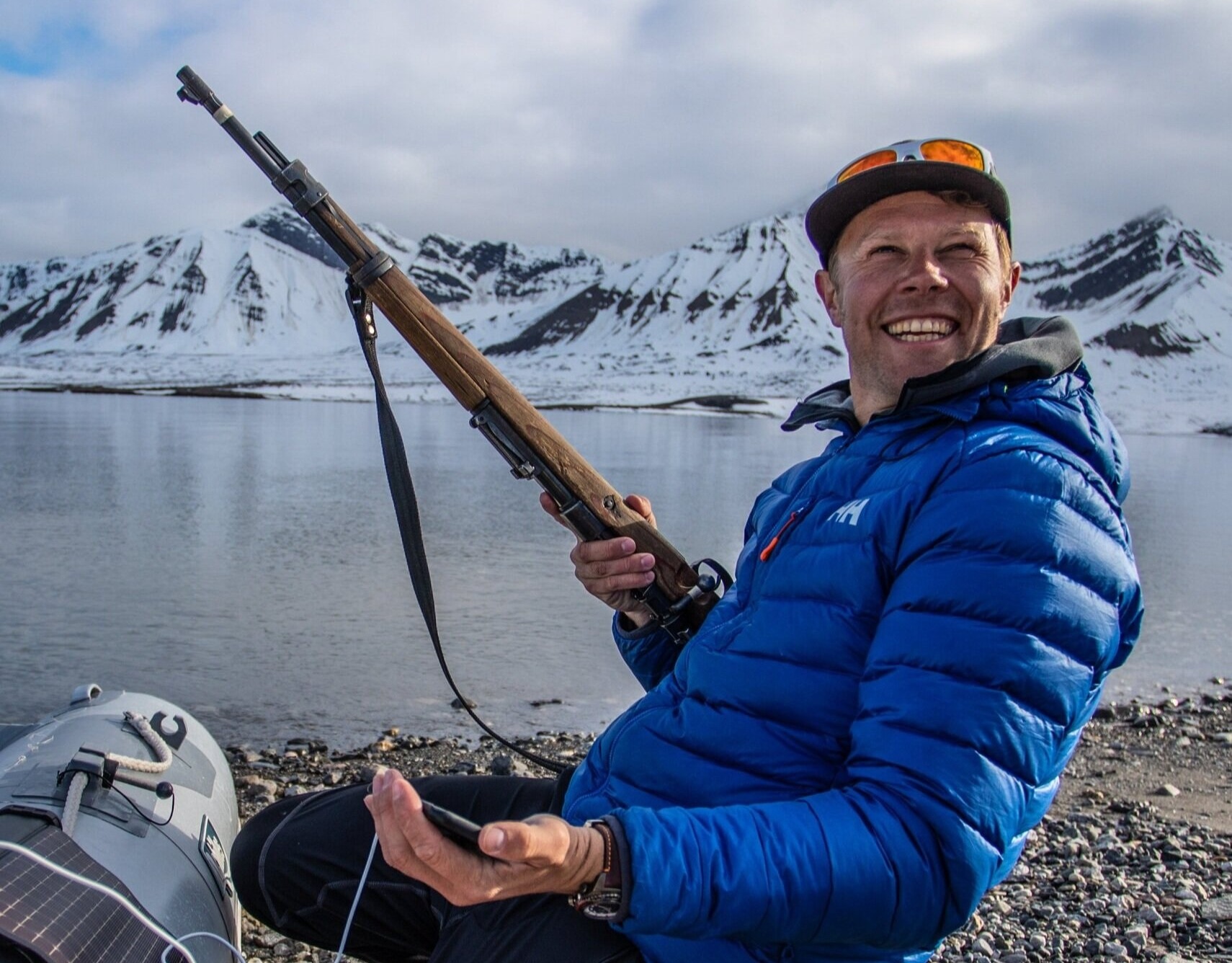
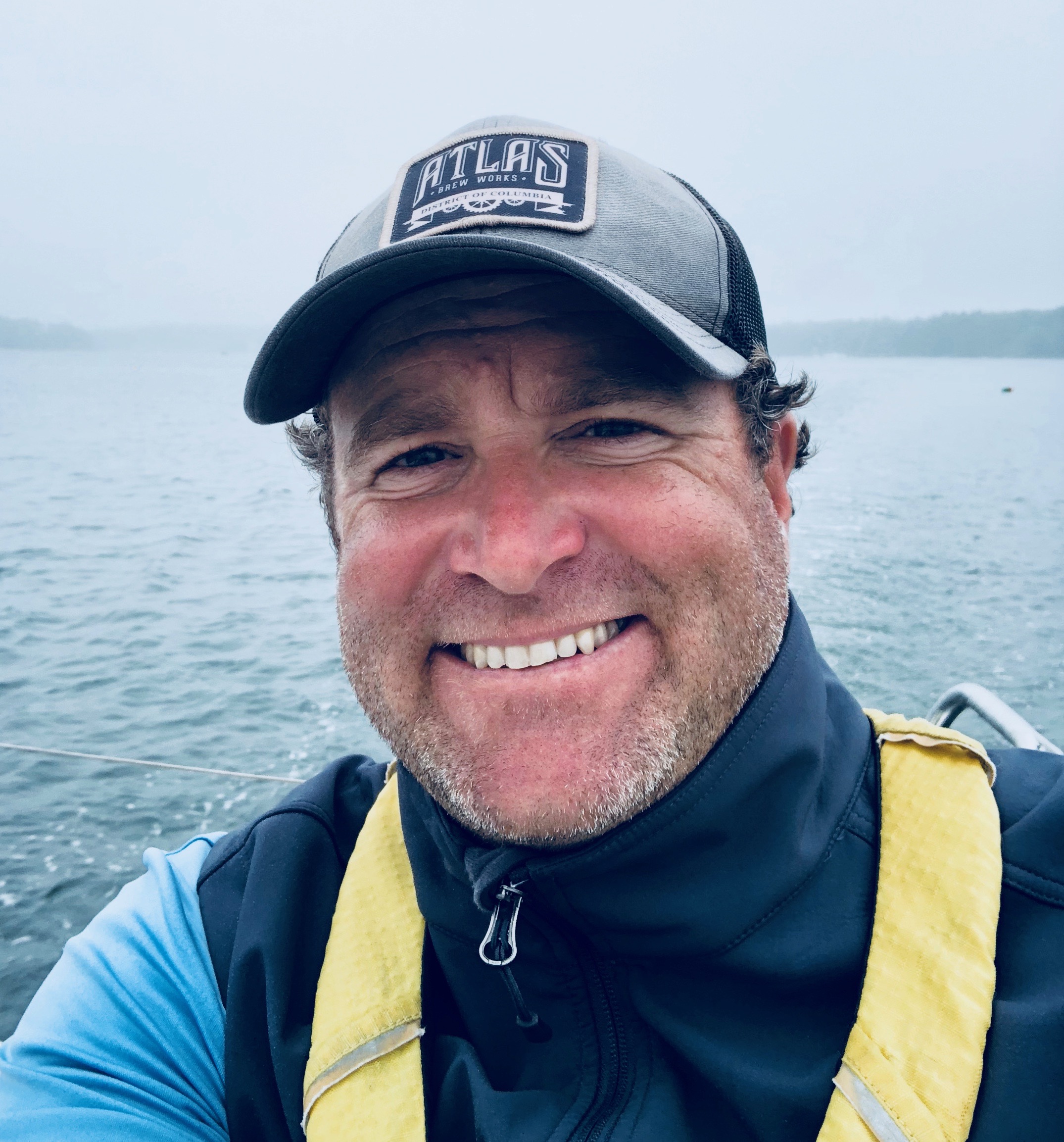
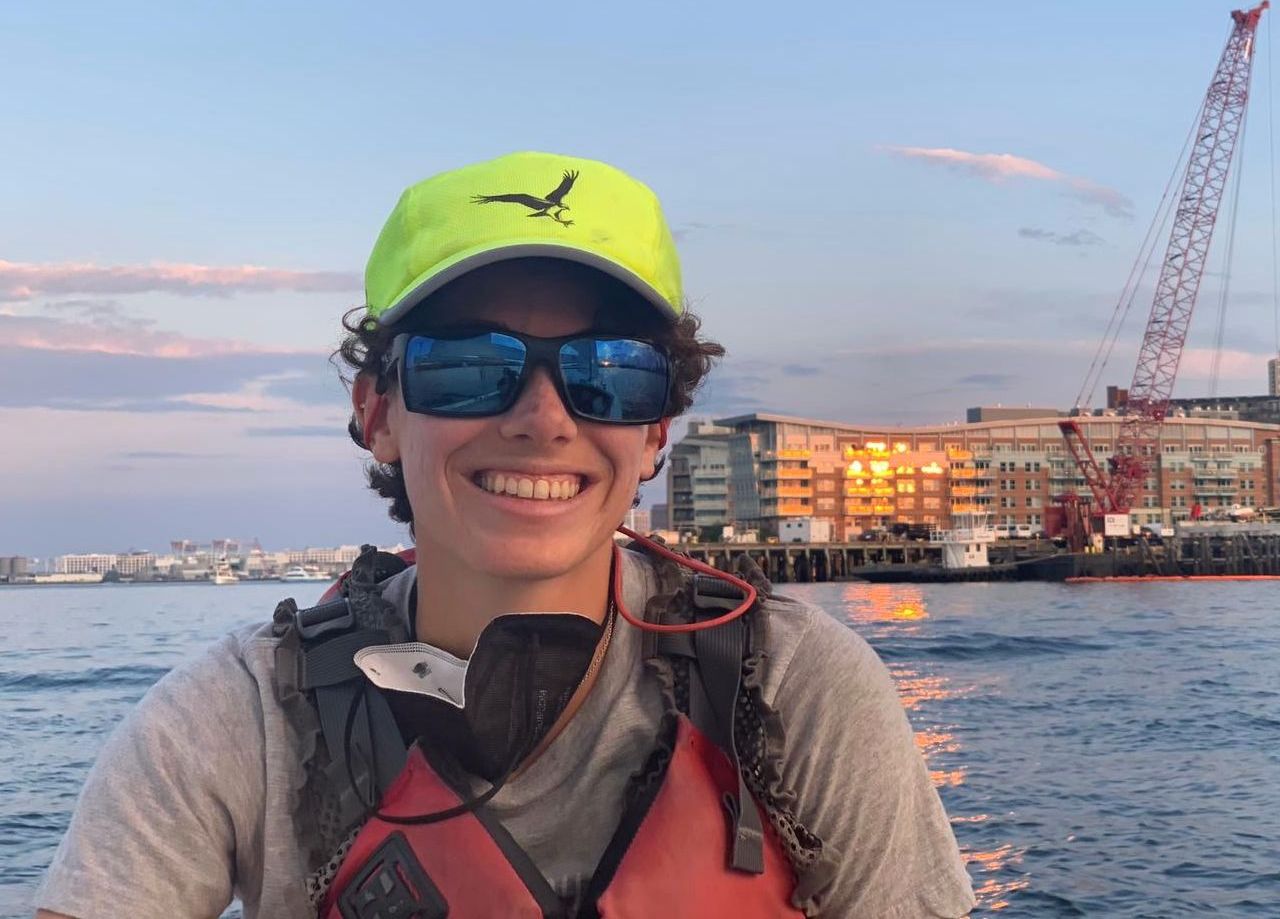
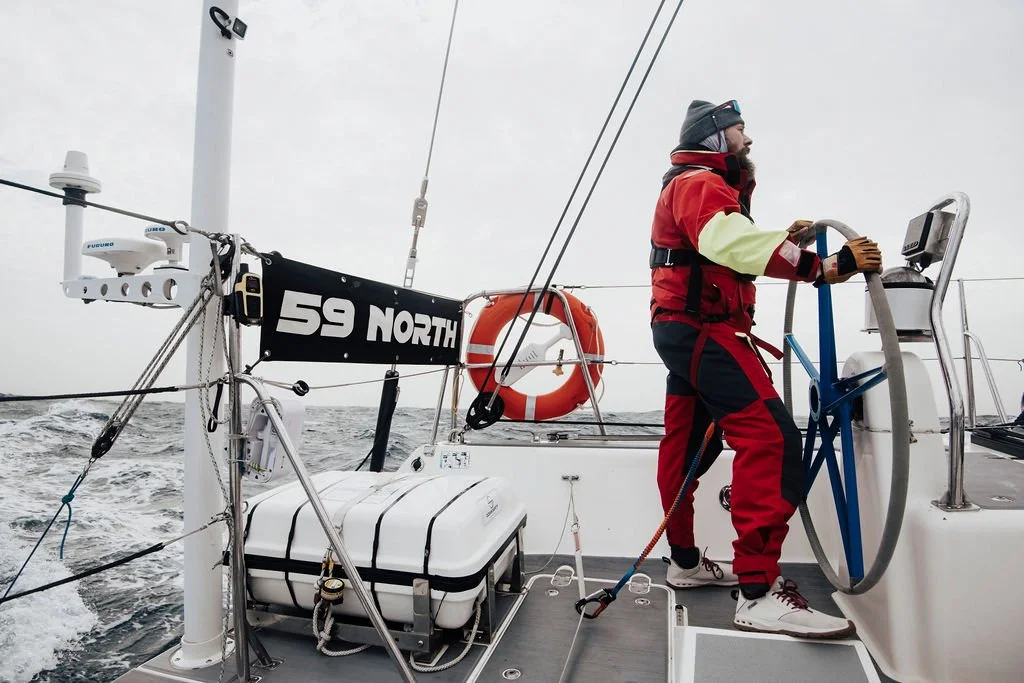
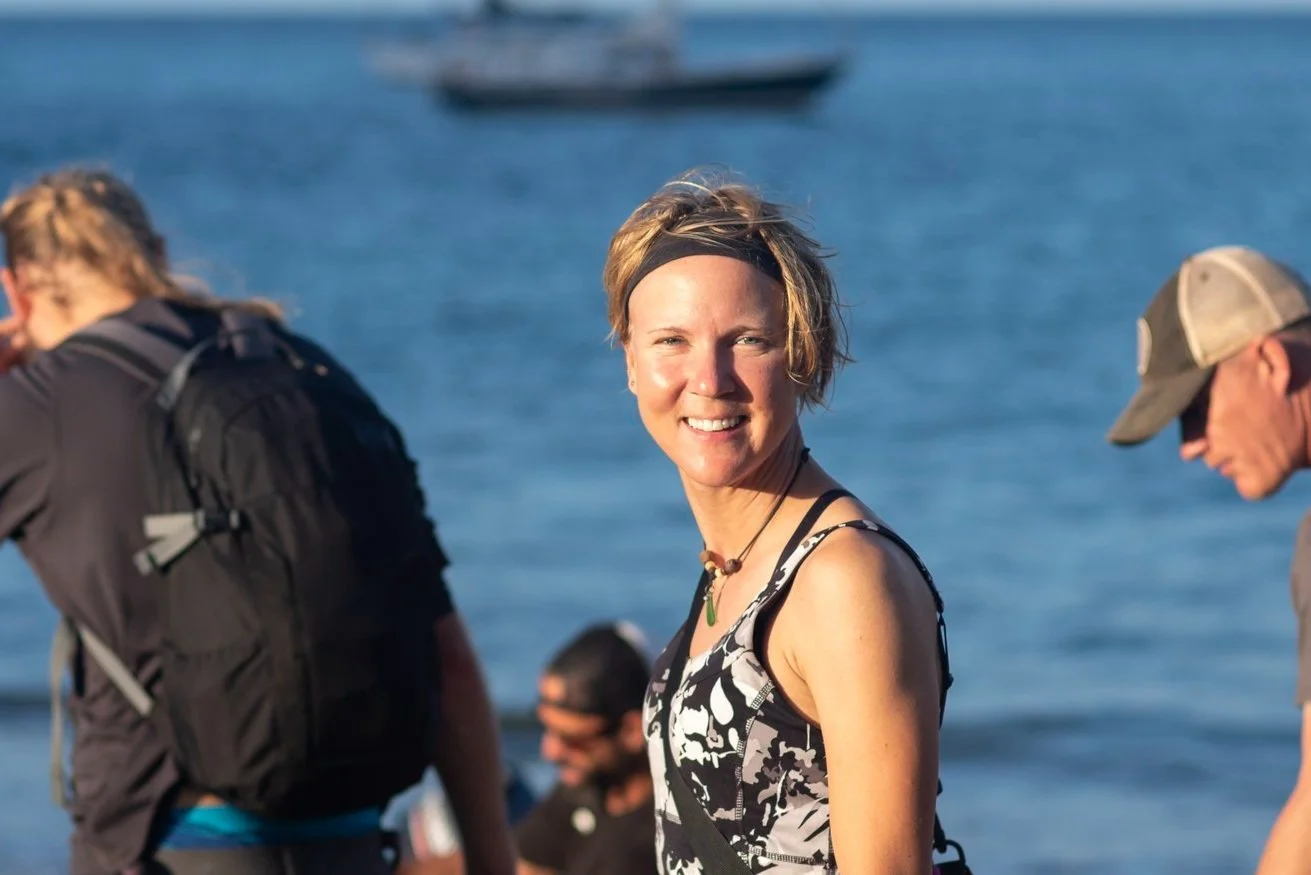
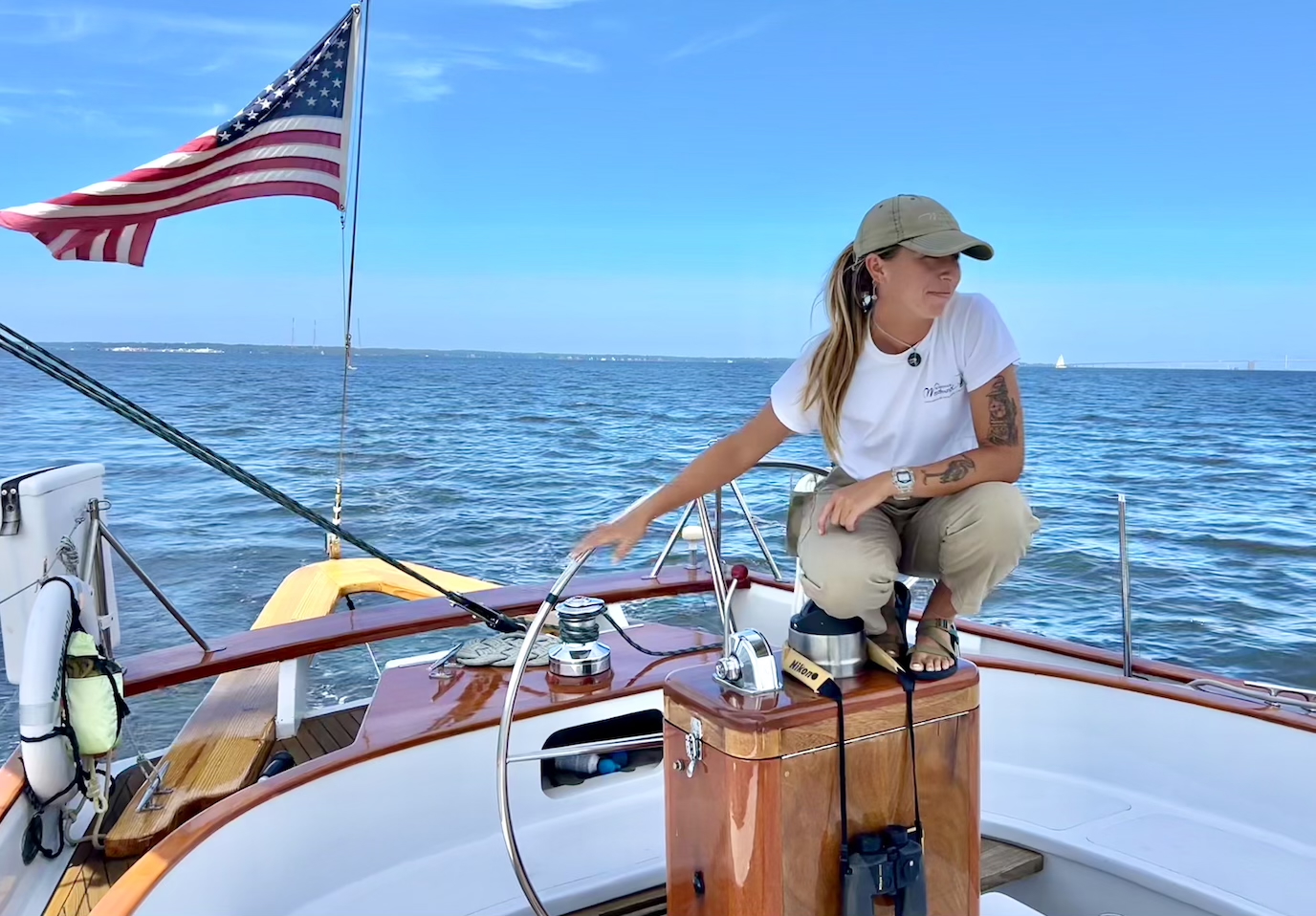
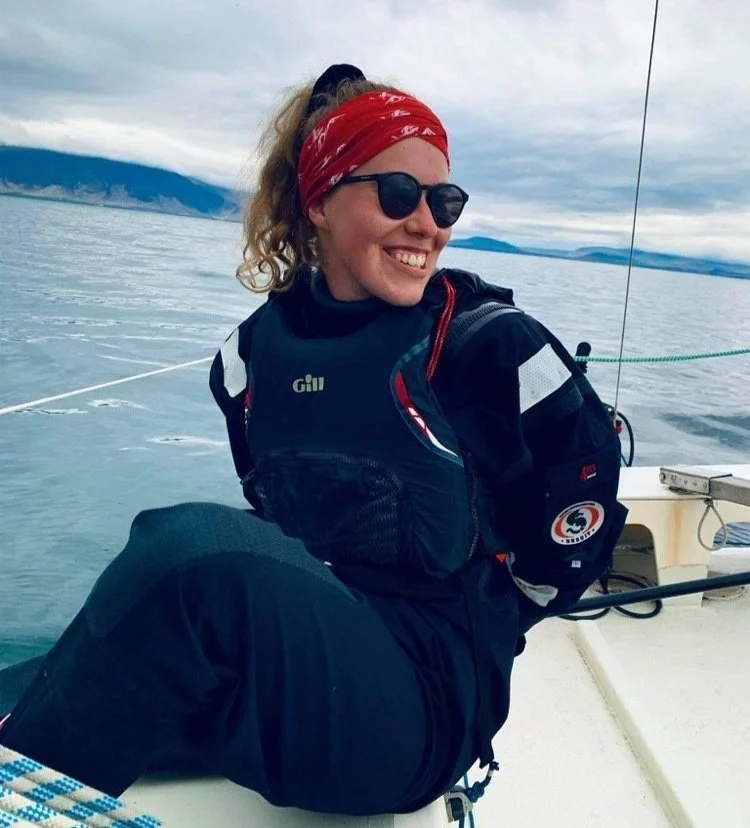
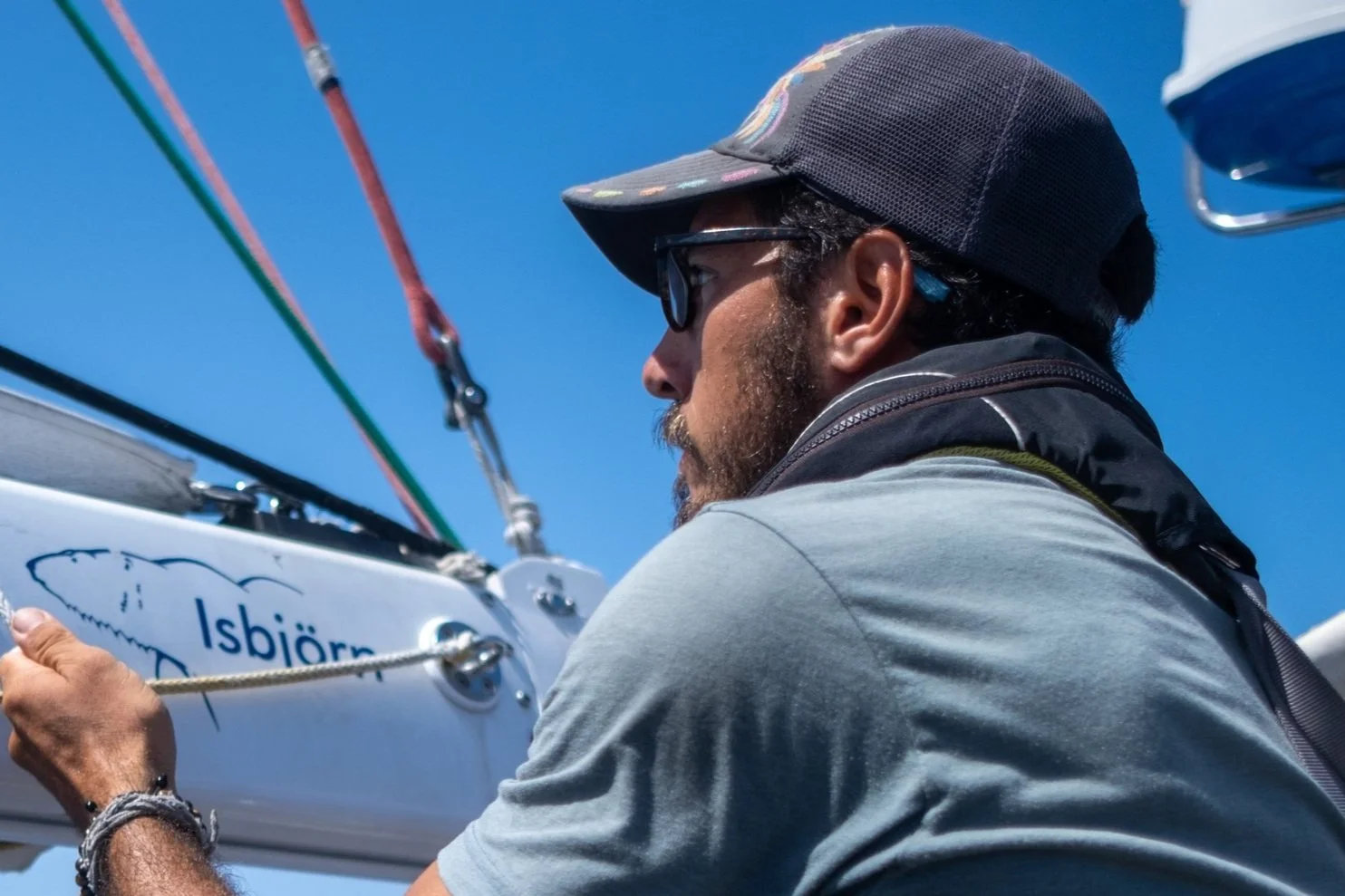
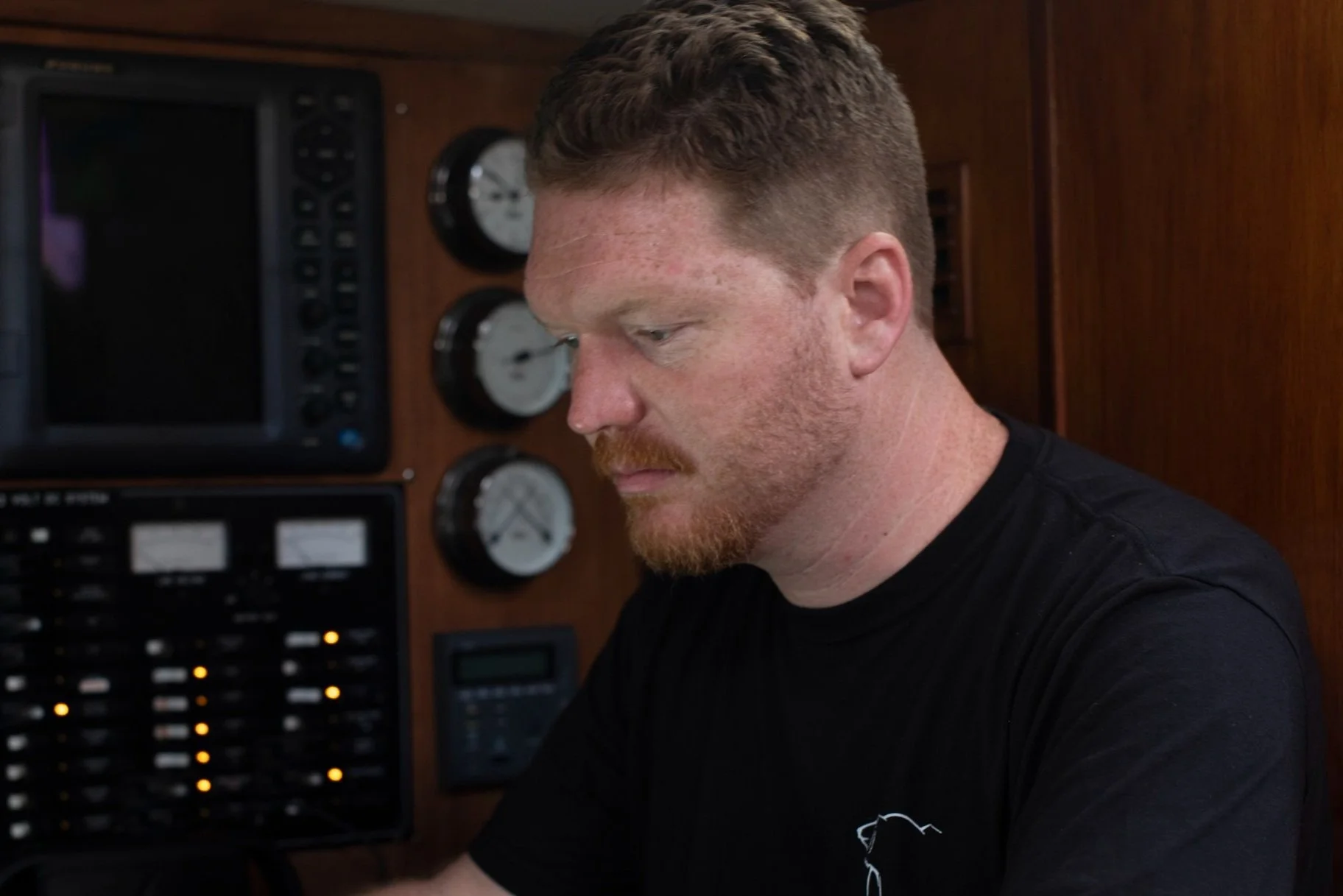
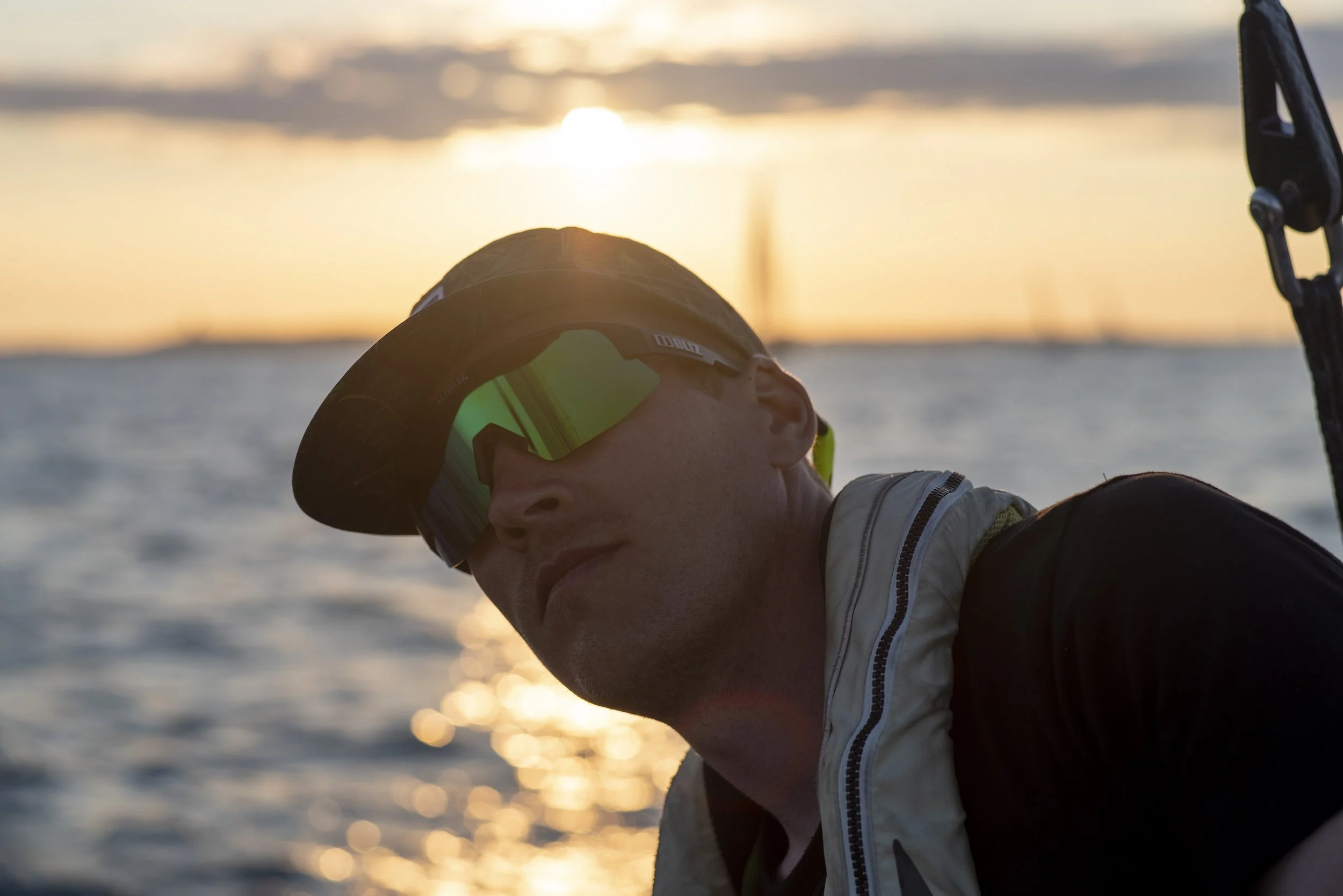
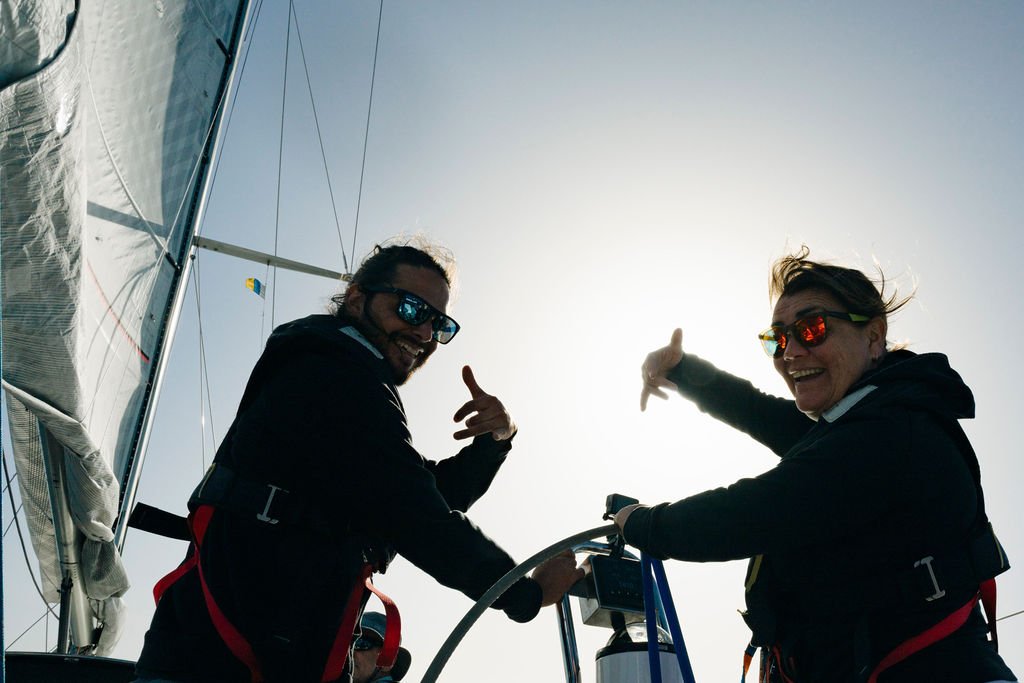
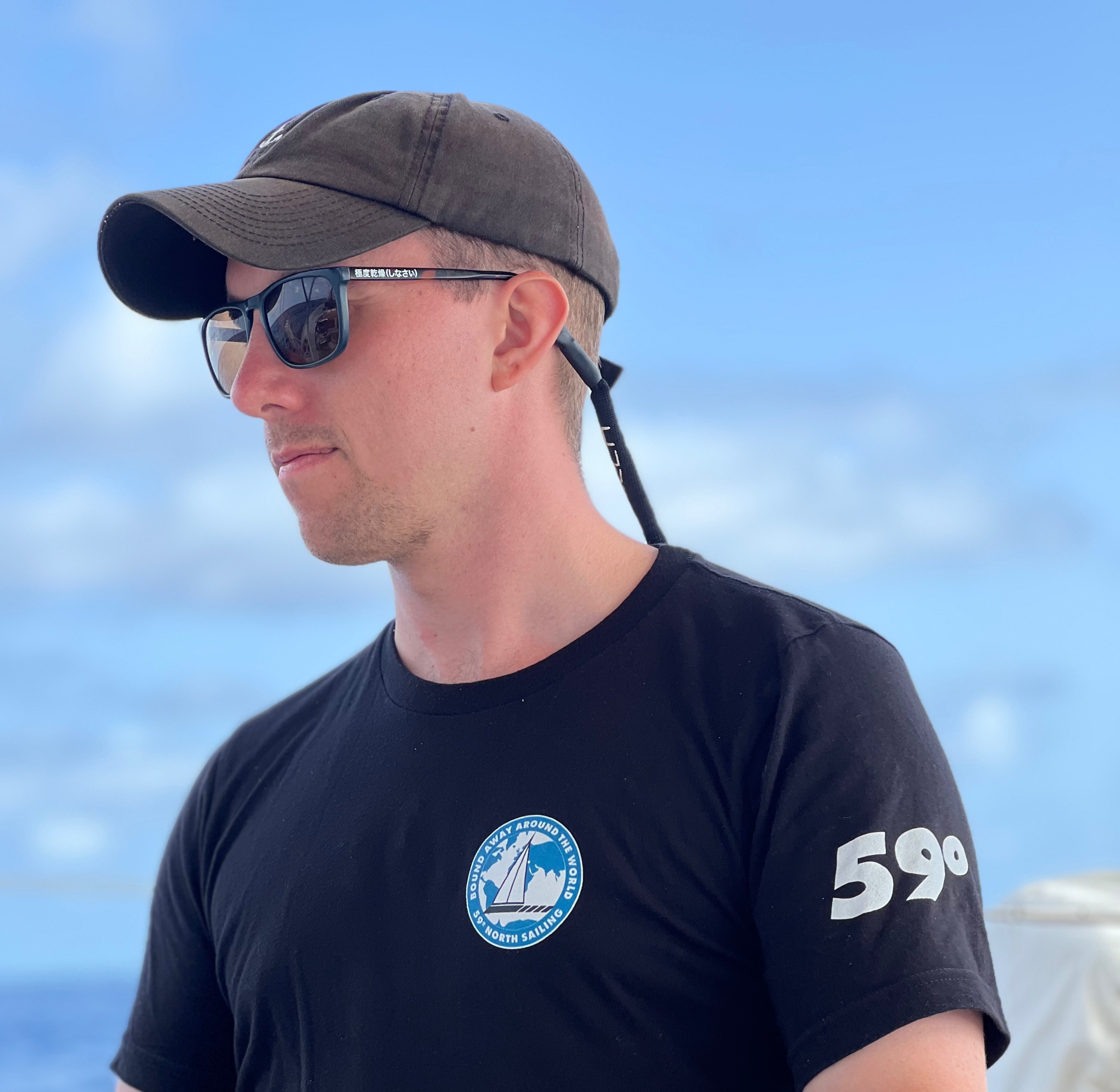
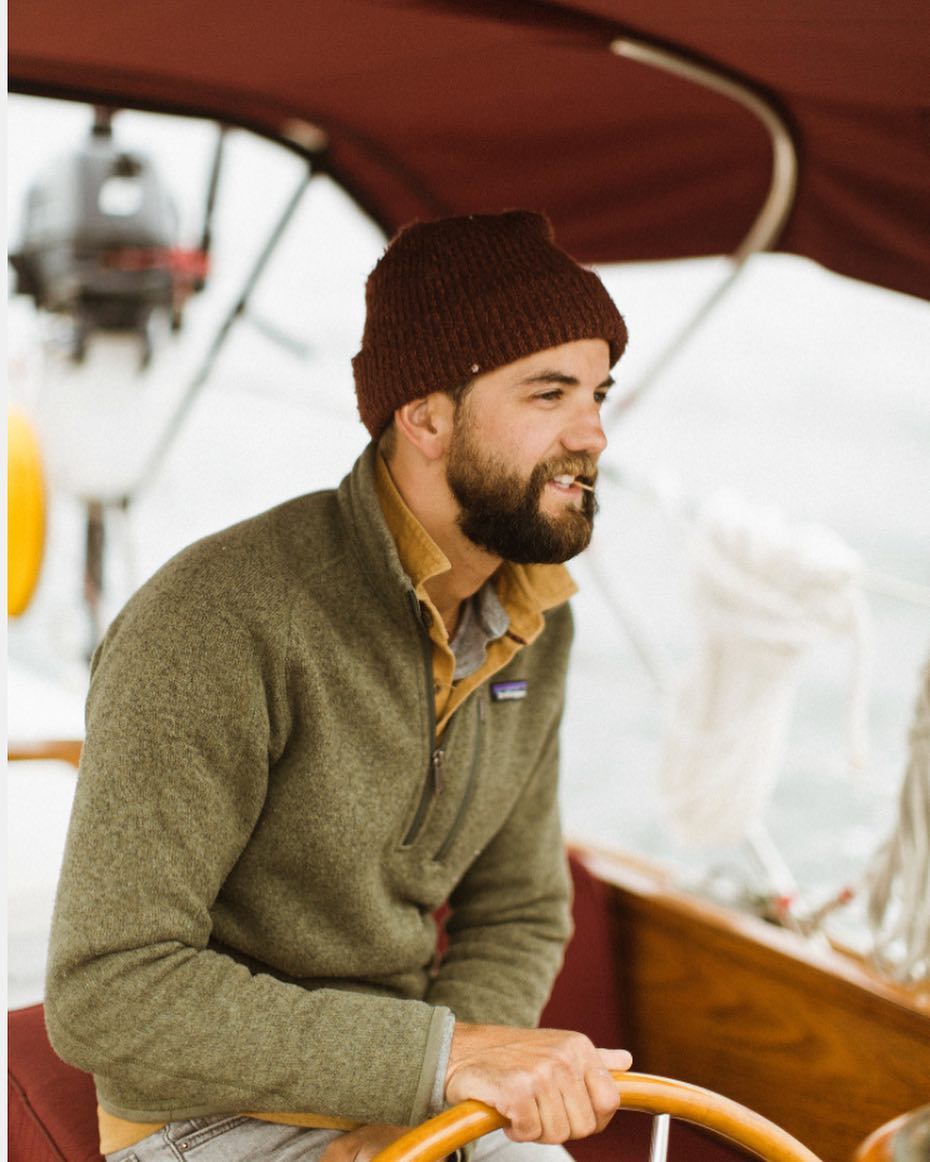
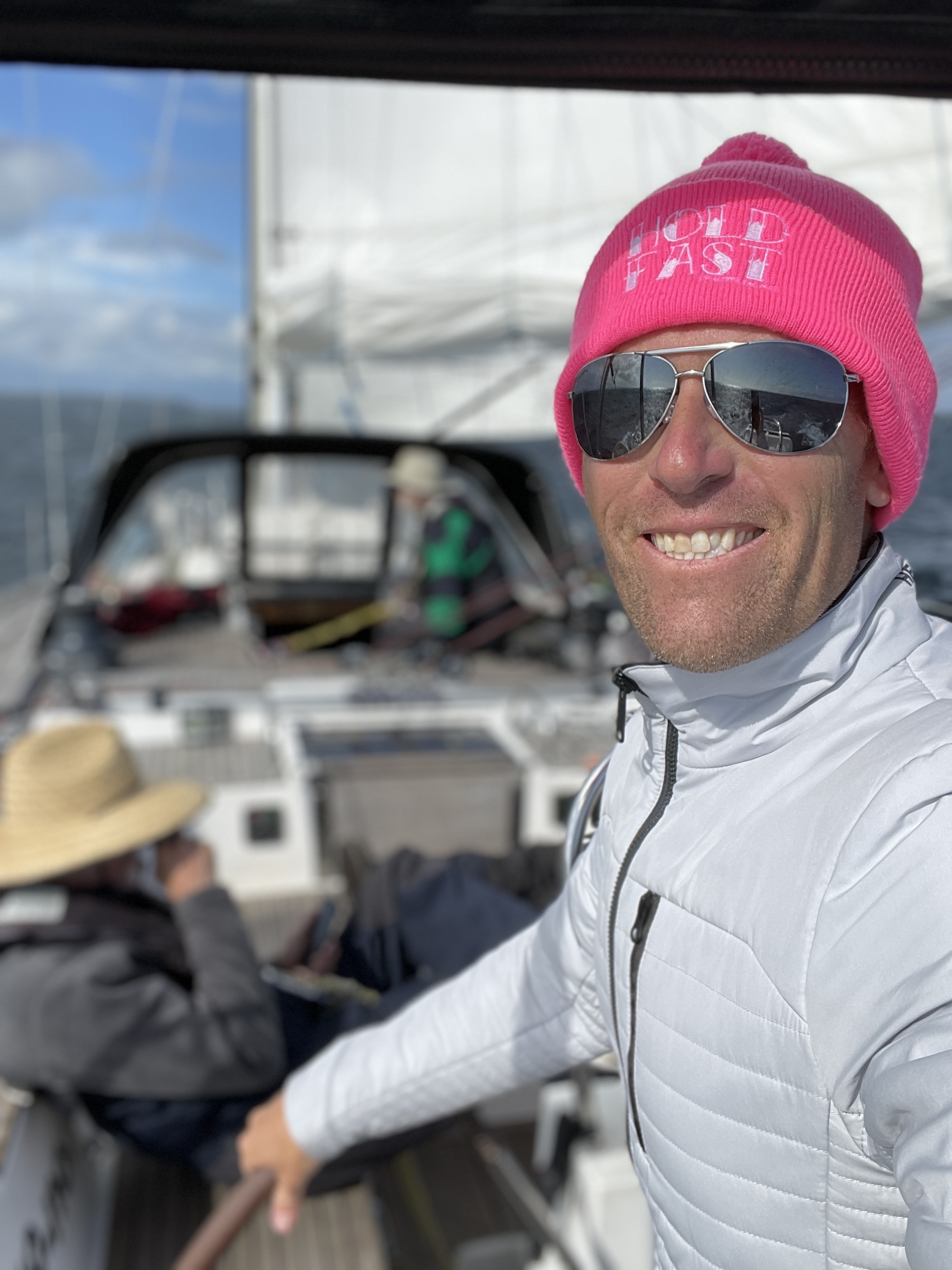
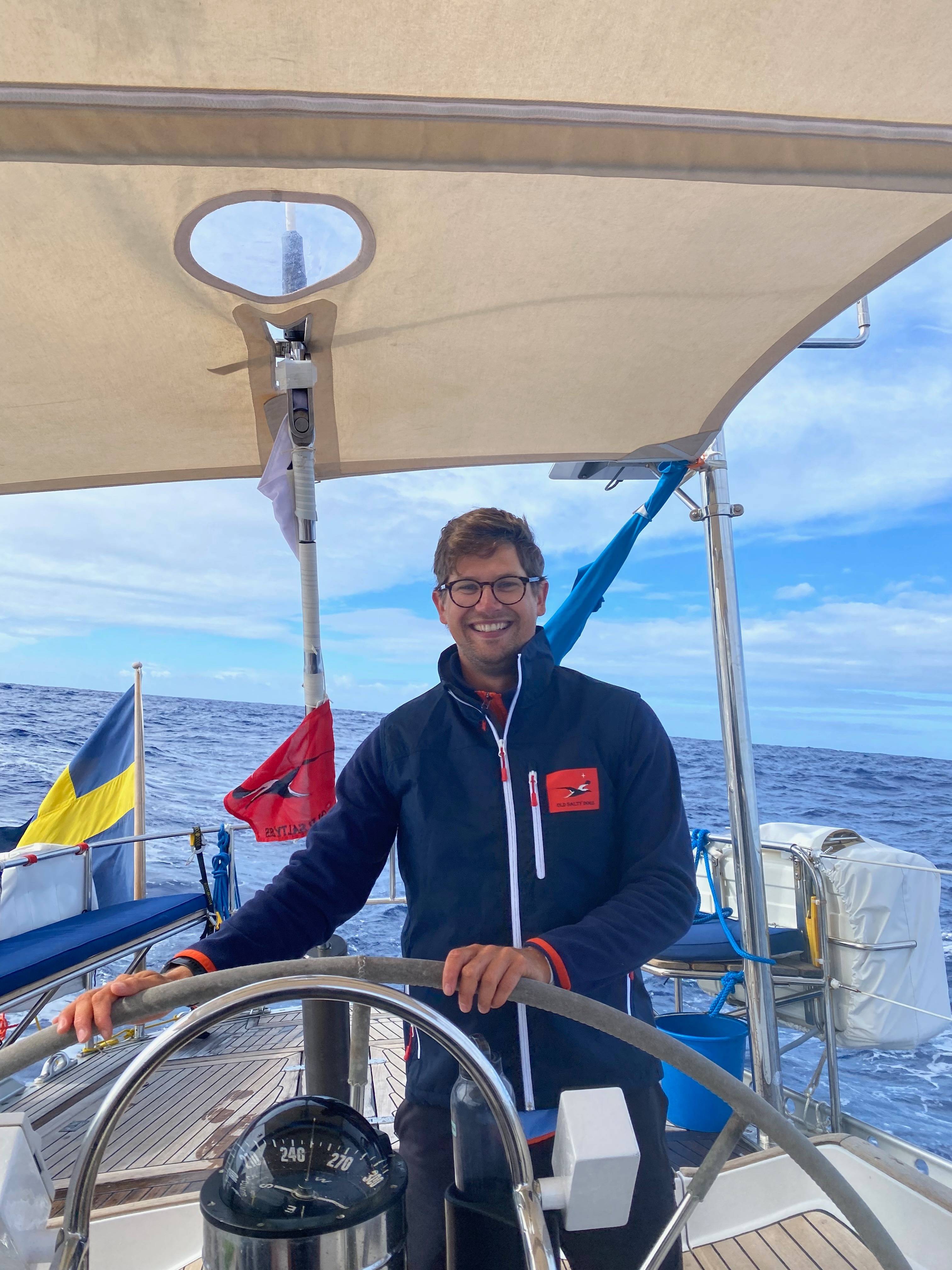
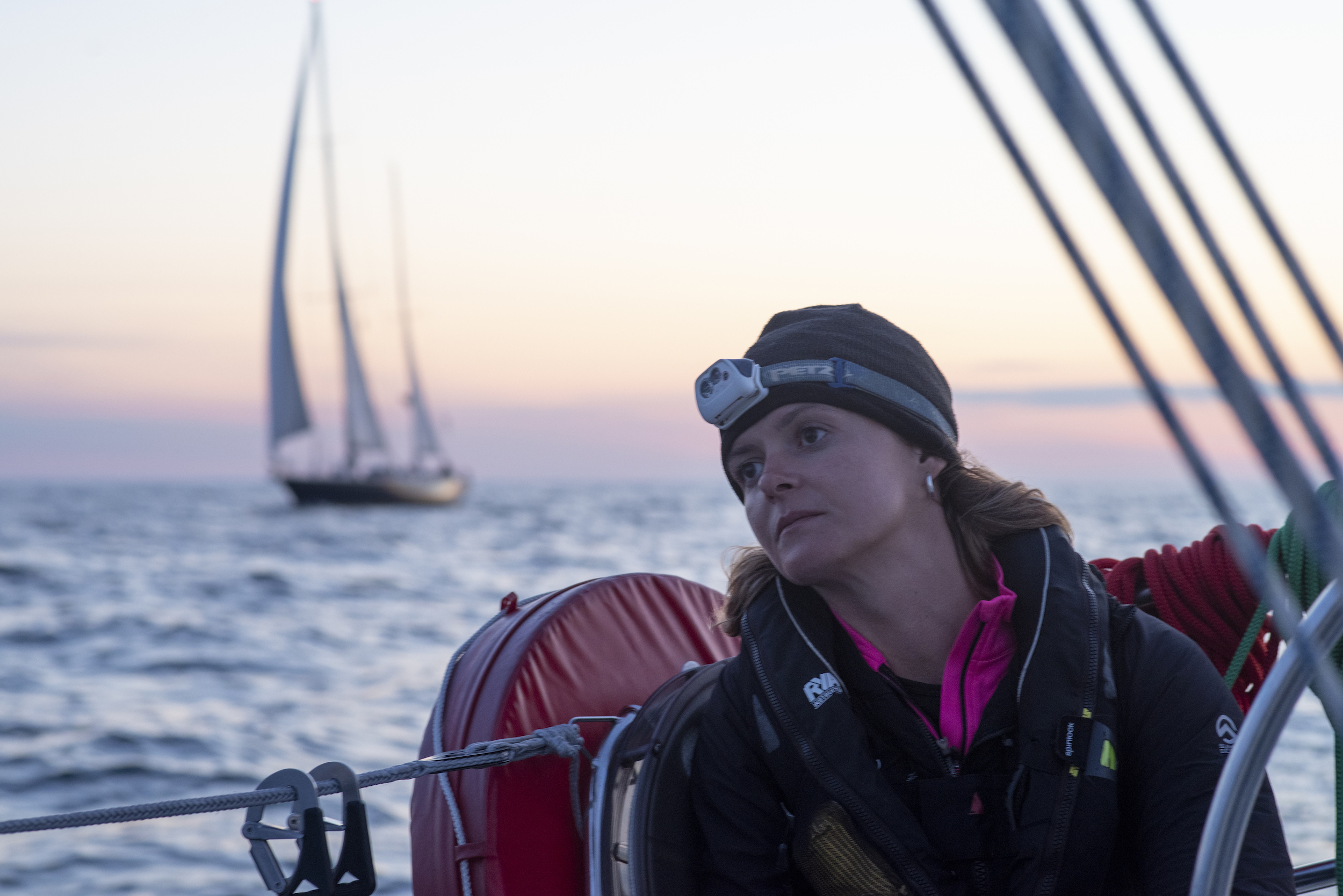
SAILING STAFF

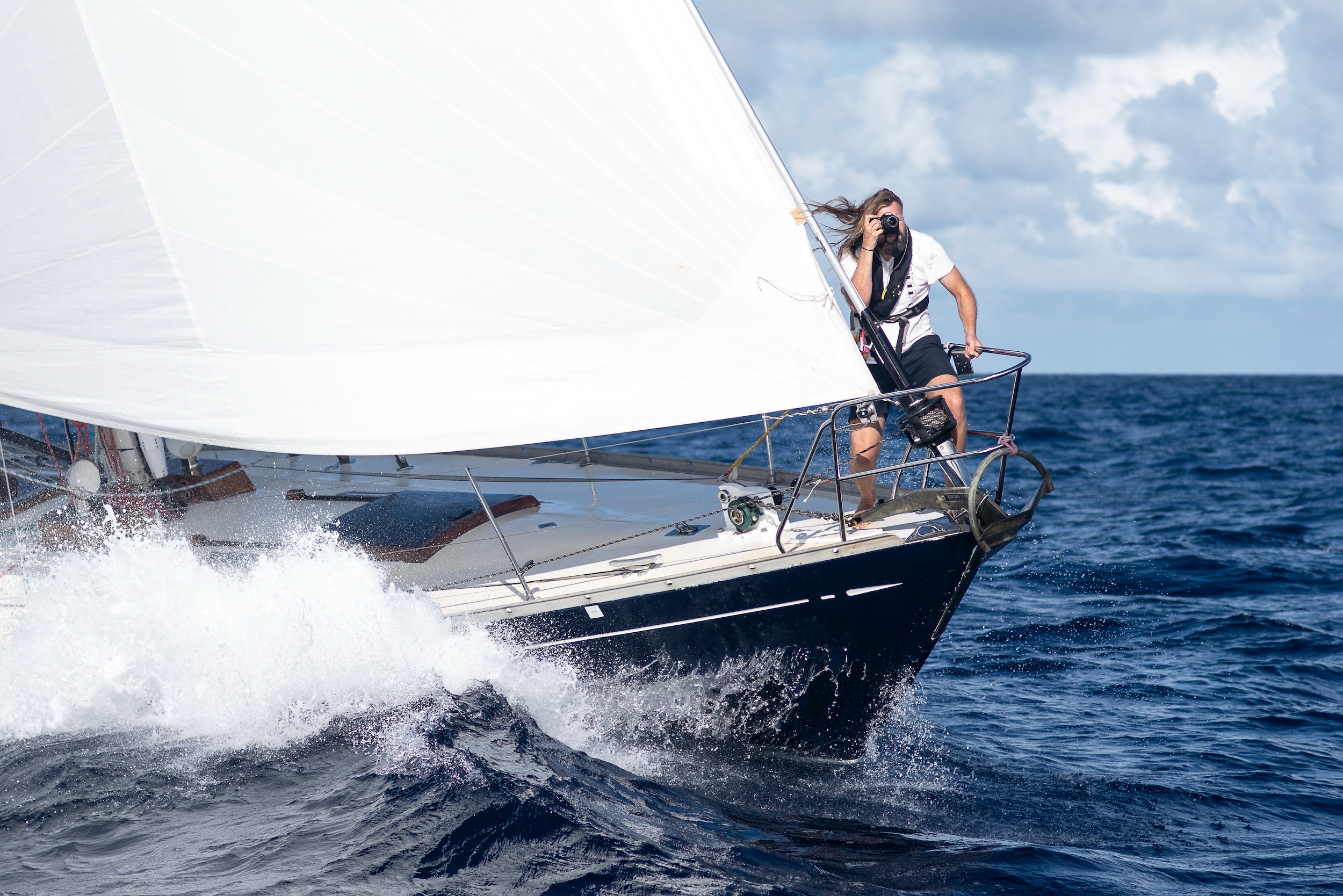
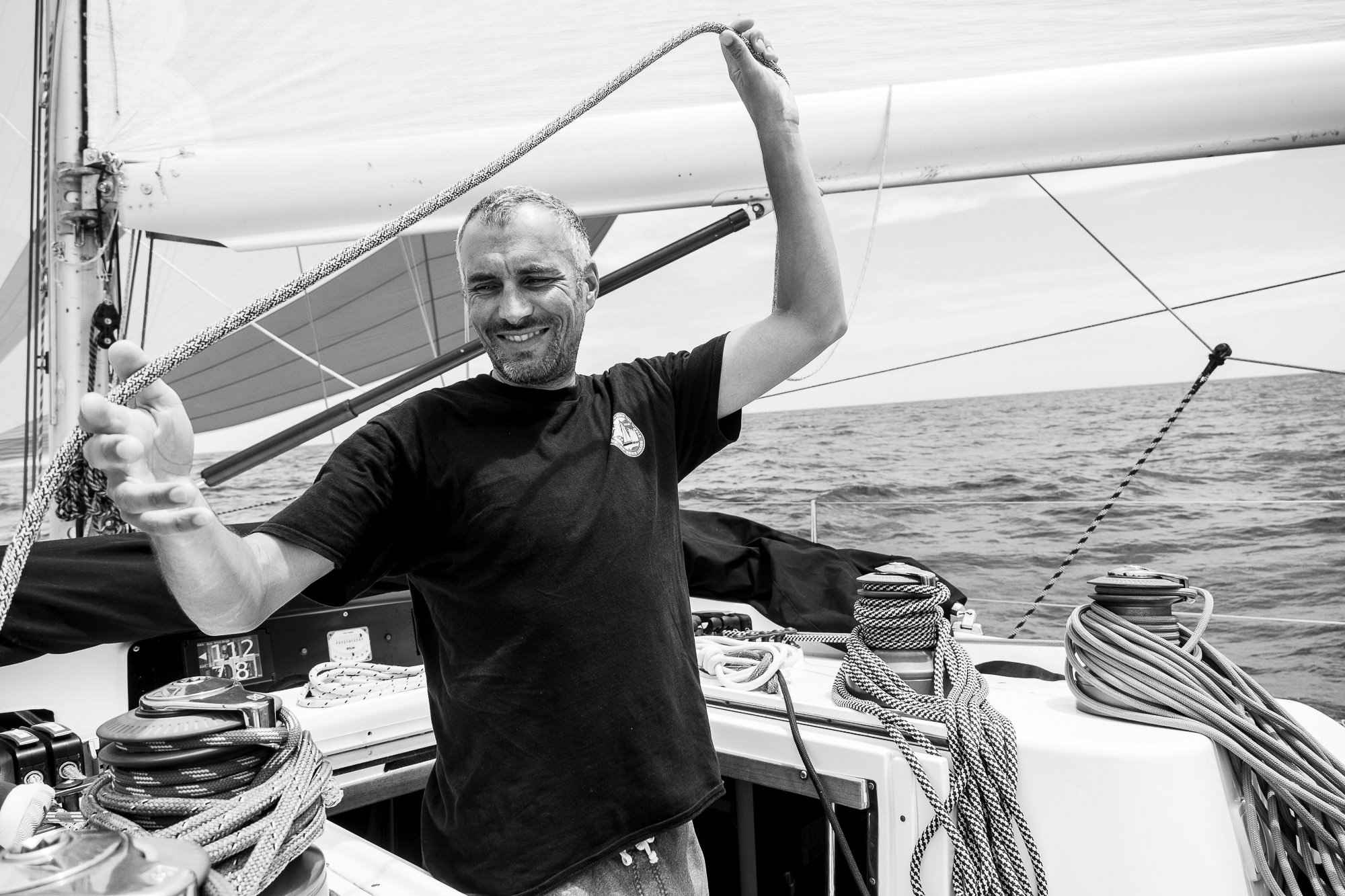
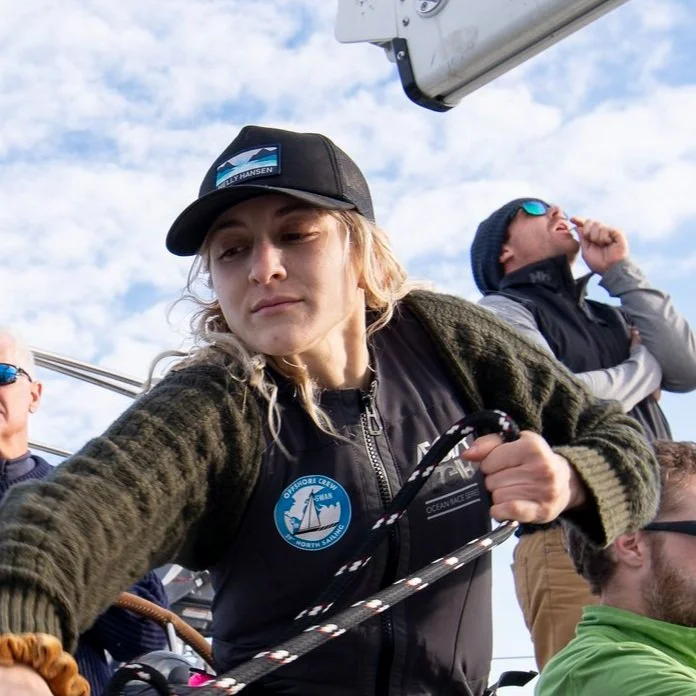
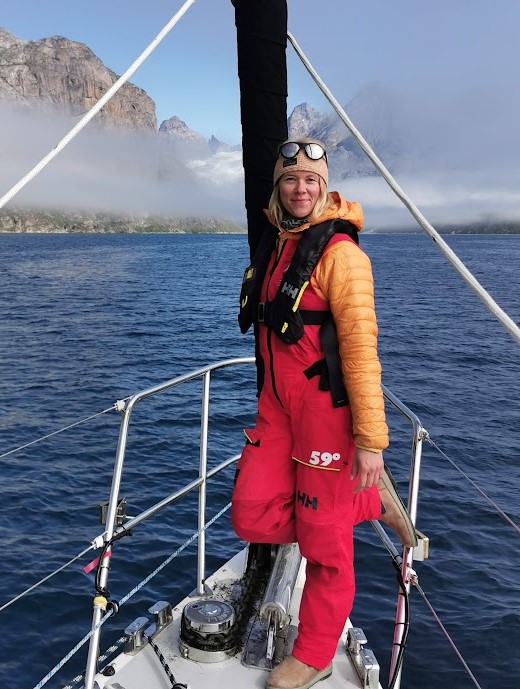
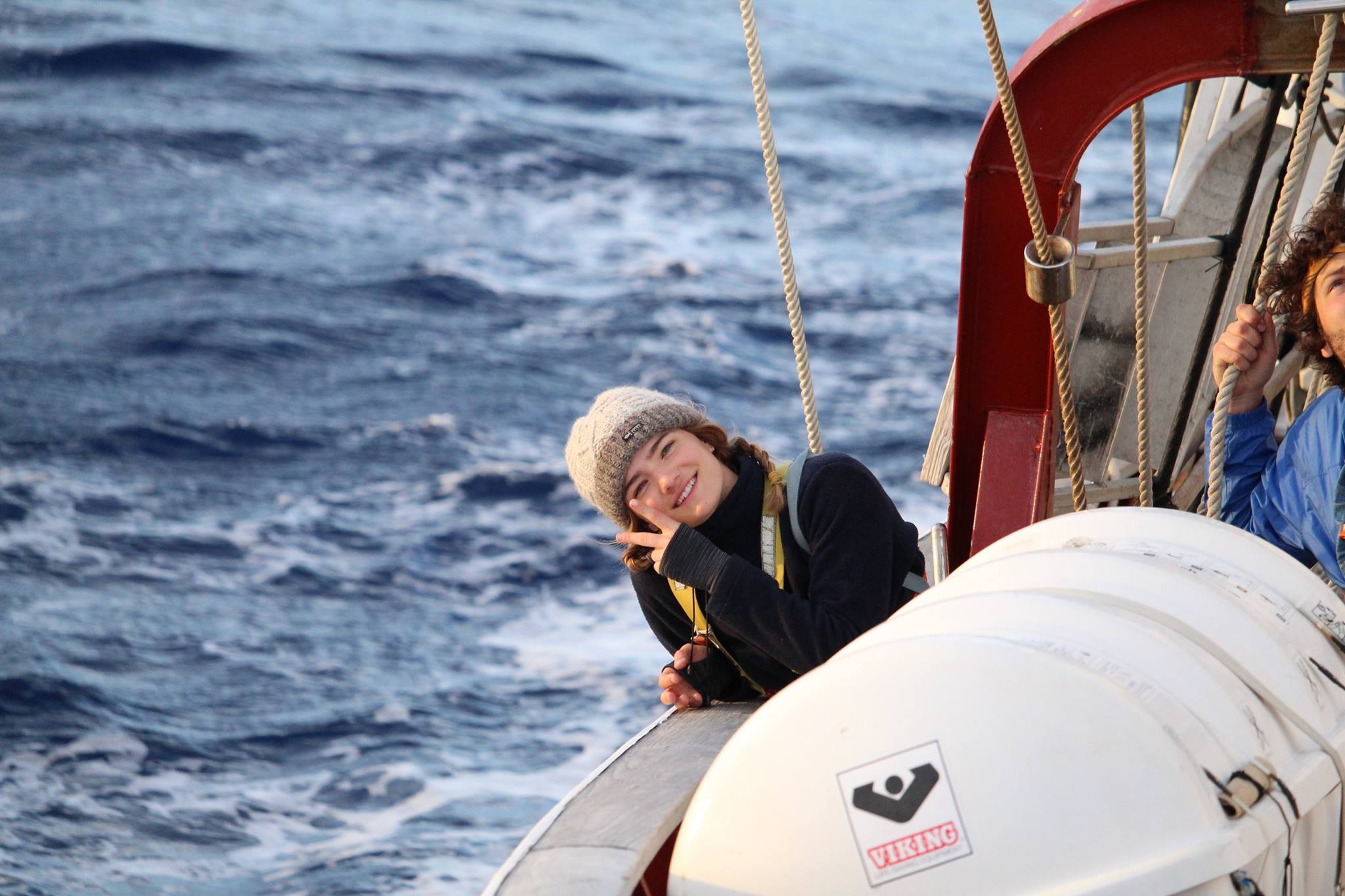
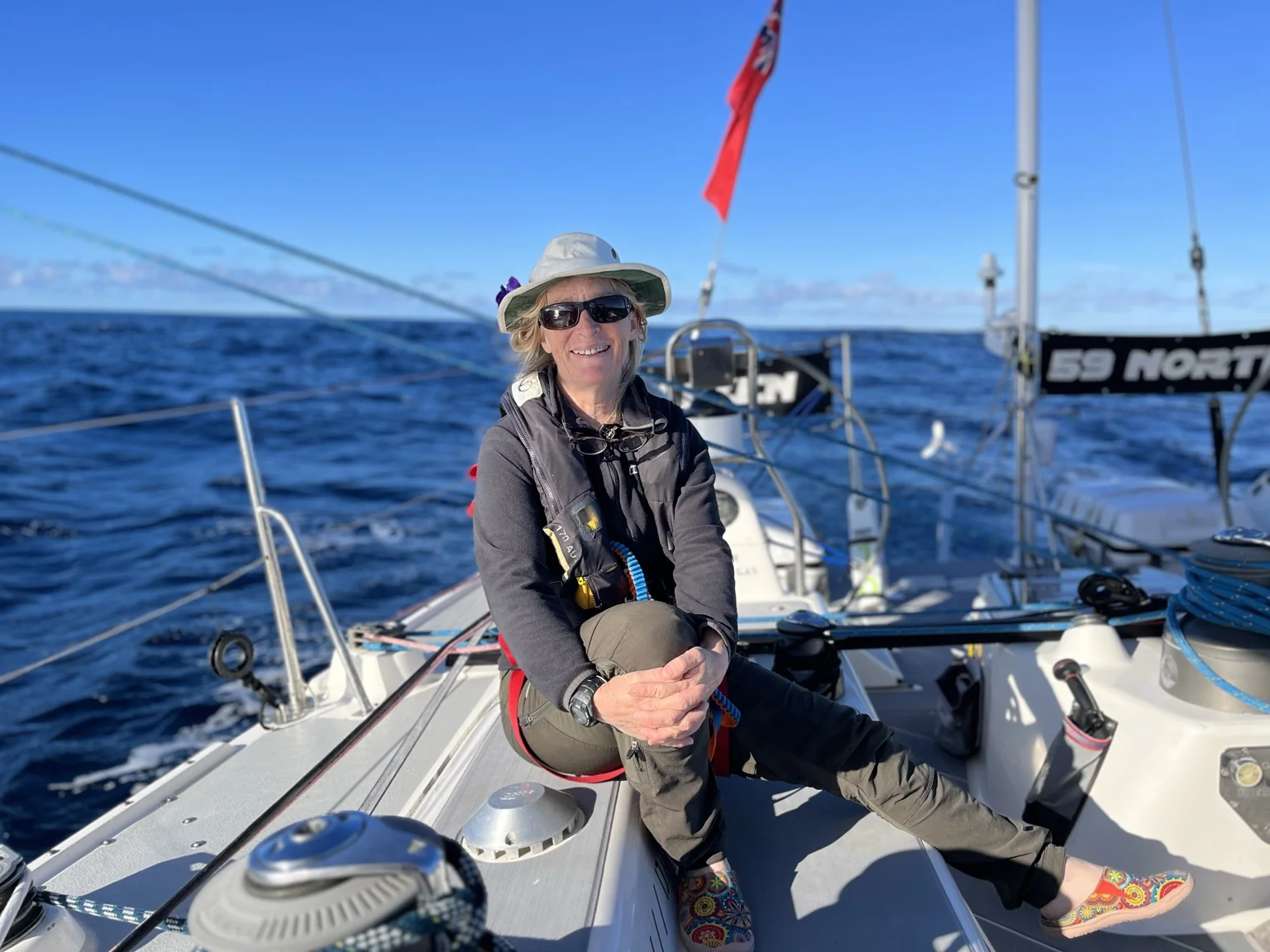
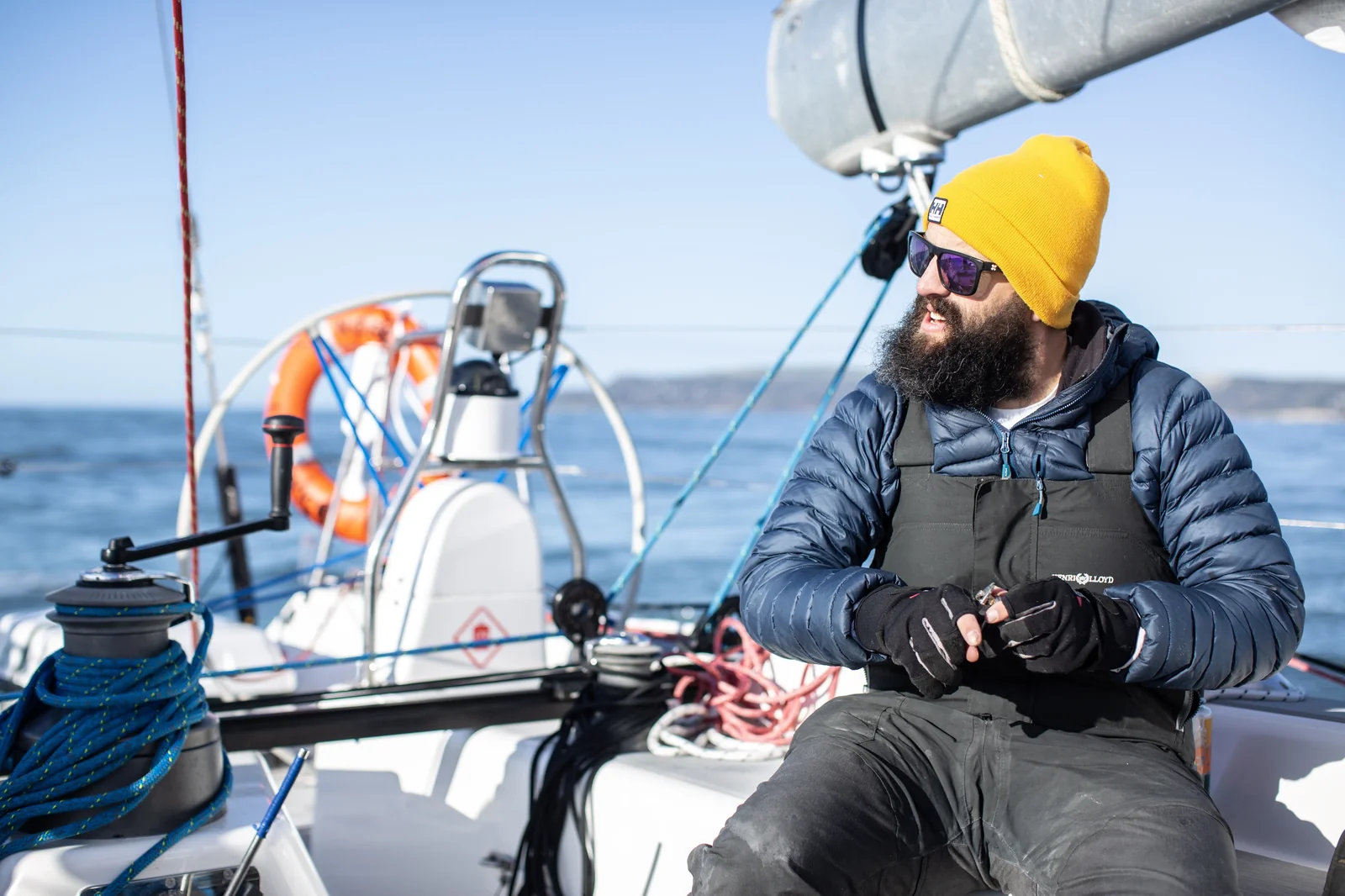
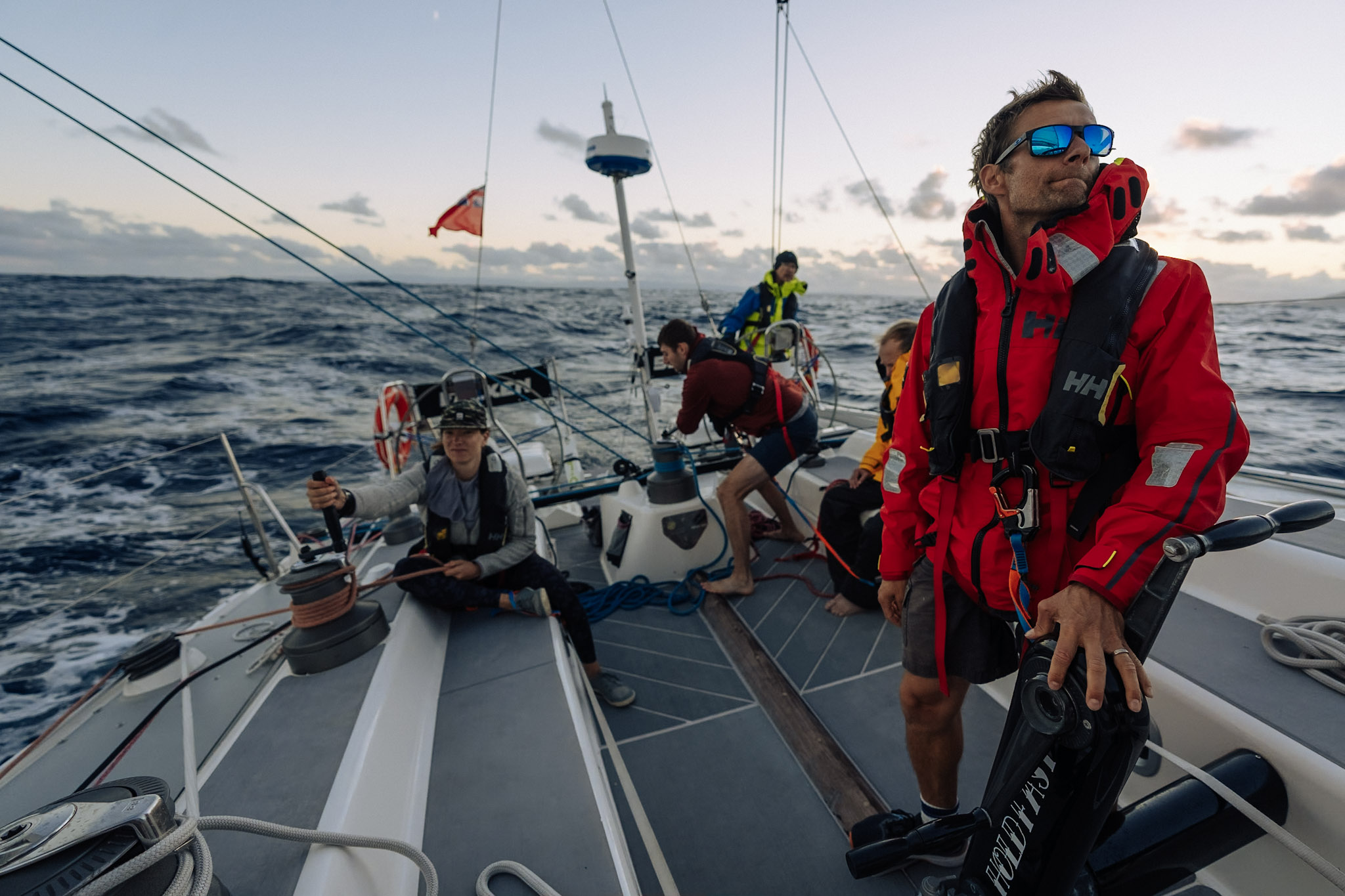

.jpeg)

The Passage
Rough itinerary
All 59º North passages are very much subject to weather. We pick our routes based on the "correct" time of year to be sailing in the different regions we visit, and we always build-in enough time to give us some margin for weather windows. The skipper has final say on departure dates and weather windows, but generally speaking, the intinerary for this passage will look like this:
May 1, 2027
Crew arrive to ISBJØRN at in Bergen, Norway. ISBJØRN orientation followed by crew dinner. All crew stay onboard ISBJØRN.
Prep Days
Between the joining and departure dates, all pre-passage preparation, provisioning, and safety briefings will be completed. The specific pre-departure schedule will be outlined and posted onboard ISBJØRN by the skipper.
May 3, 2027
Scheduled departure, weather dependent.
May 9, 2027
Latest date (12:00 noon) for crew to depart ISBJØRN from Torshavn, Faroe Islands.
TRAVEL LOGISTICS
Bergen
Torshavn
Weather conditions
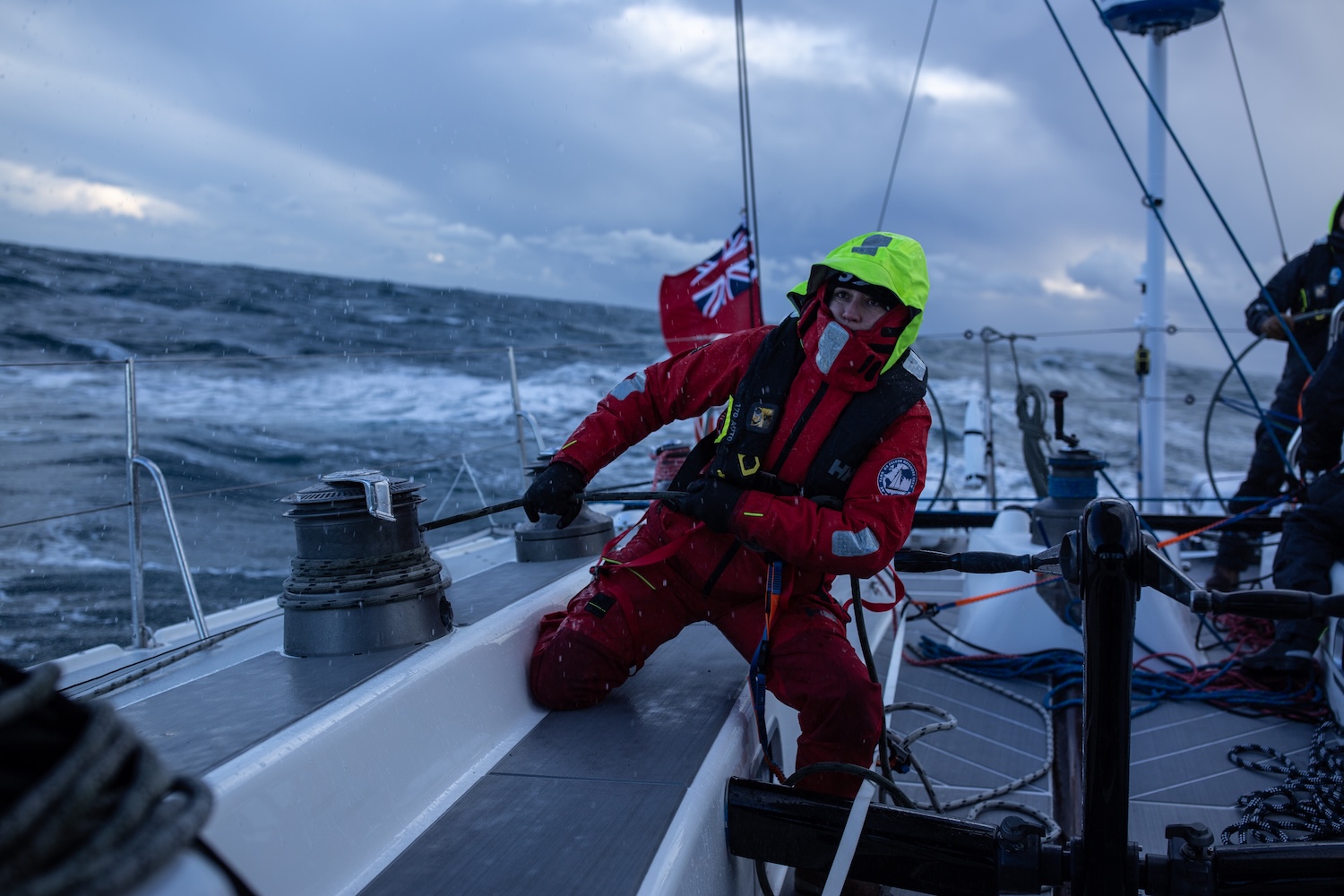
Expect a cool, brisk passage across the open North Atlantic—generally unsettled and lively at sea, with the boat working through swell and shifting breeze, so dress warm, settle into the motion, and enjoy the wild, moody beauty of these northern waters.
In-depth analysis, by WRI

WHY 59º NORTH?
ambitious sailing schedule
The best boats
WOMEN BUNKS GUARANTEED
Professional, well-paid staff
knowledge & community
Why it costs what it costs...
"Adventure, education, majesty... I can't imagine a better pair to introduce people to the sublime enterprise of offshore sailing. This trip will always live amongst my cherished memories. Thank you!"

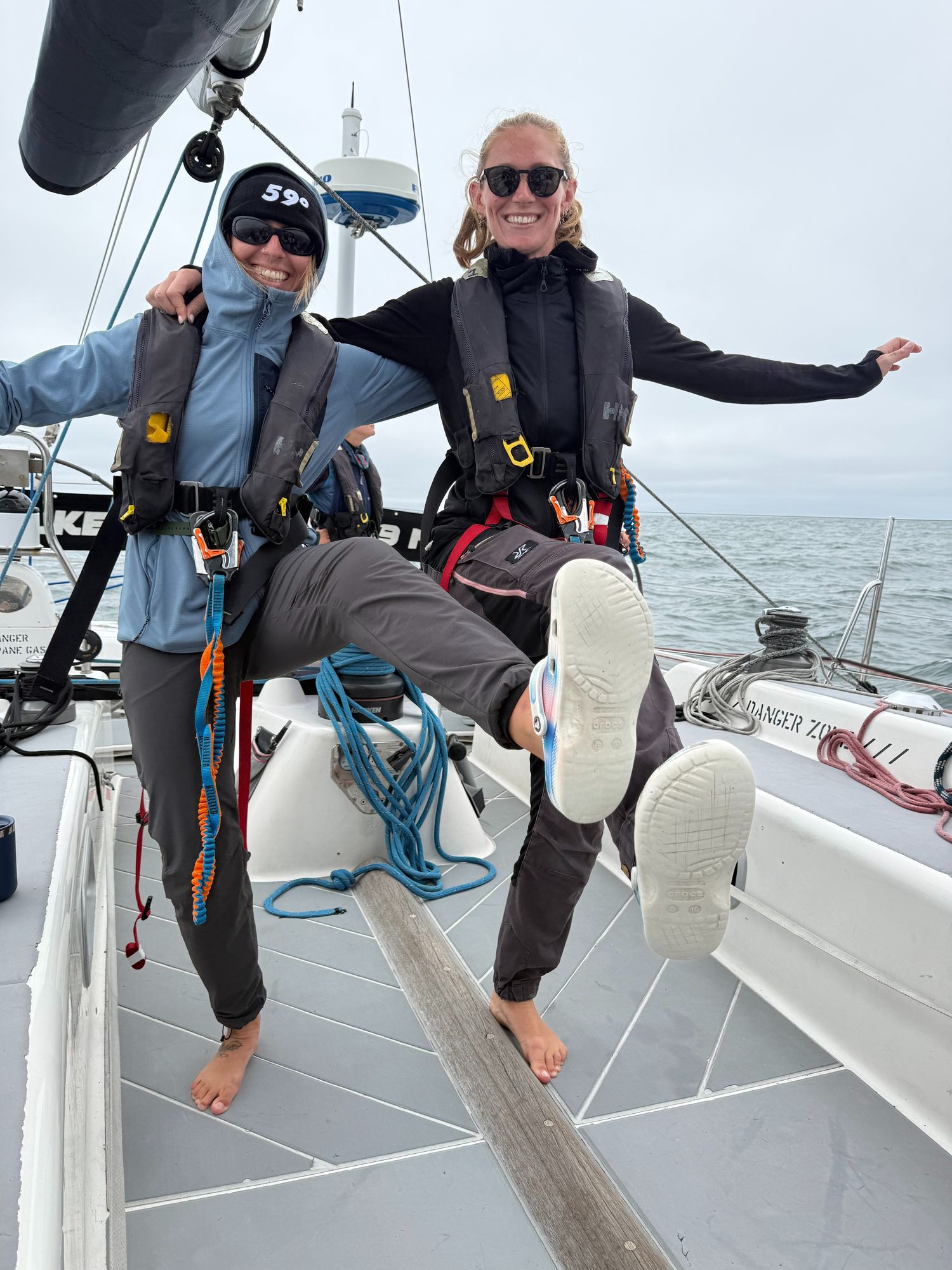
"I have so many great memories from this sailing experience, and so much of that was because of our skipper, Mary, and first mate, Delaney. Mary was incredible: approachable, present, knowledgeable, and always calm, with a quiet confidence that made everyone feel safe and comfortable. She frequently studied the GRIB files and always considered the best course of action to keep her crew happy and safe. She kept us informed each day with clear explanations of passage changes and weather. She never wavered in providing gentle reminders about safety on board. It never once crossed my mind that we were not in good hands. Delaney was equally wonderful. She and Mary were perfectly in sync as leaders, communicating calmly, respectfully, and often with great humor. Delaney was always smiling, quick to laugh, and showed clear respect for Mary’s decision-making while bringing her own steady presence to the crew. Virginia, our intern, and I spent less time together due to our shifts. However, in the few interactions we had, we shared some amazing life perspectives that I will always remember. Together, they created the full offshore sailing experience I hoped for: a combination of education, safety, leadership, and kindness. The only problem is that they have now set a very high bar for future sailing experiences. When I reflect back on the passage, I have no ‘glums’ at all."
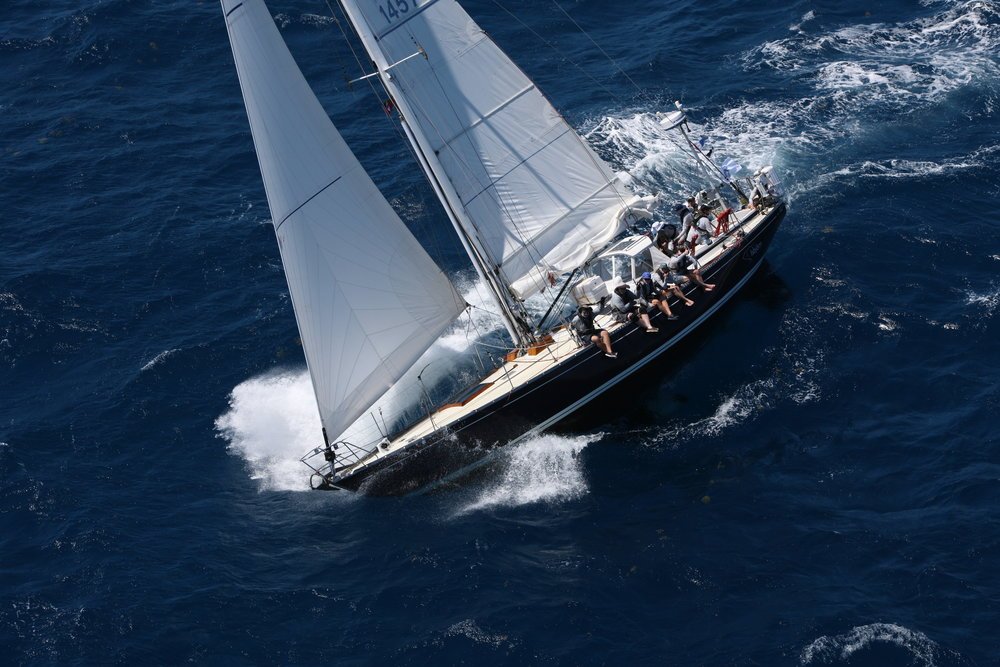
"Andy & Paul were amazing from the practice sails to the race itself; I never thought I'd be able to participate in such an exciting event. I'd also like to thank Liz & Lee, your first mates, who were always on hand to encourage us, teach us, and swap stories. I came away with tremendous respect for ISBJØRN, her captain, and the excellent crew she attracts. I'm definitely coming back."
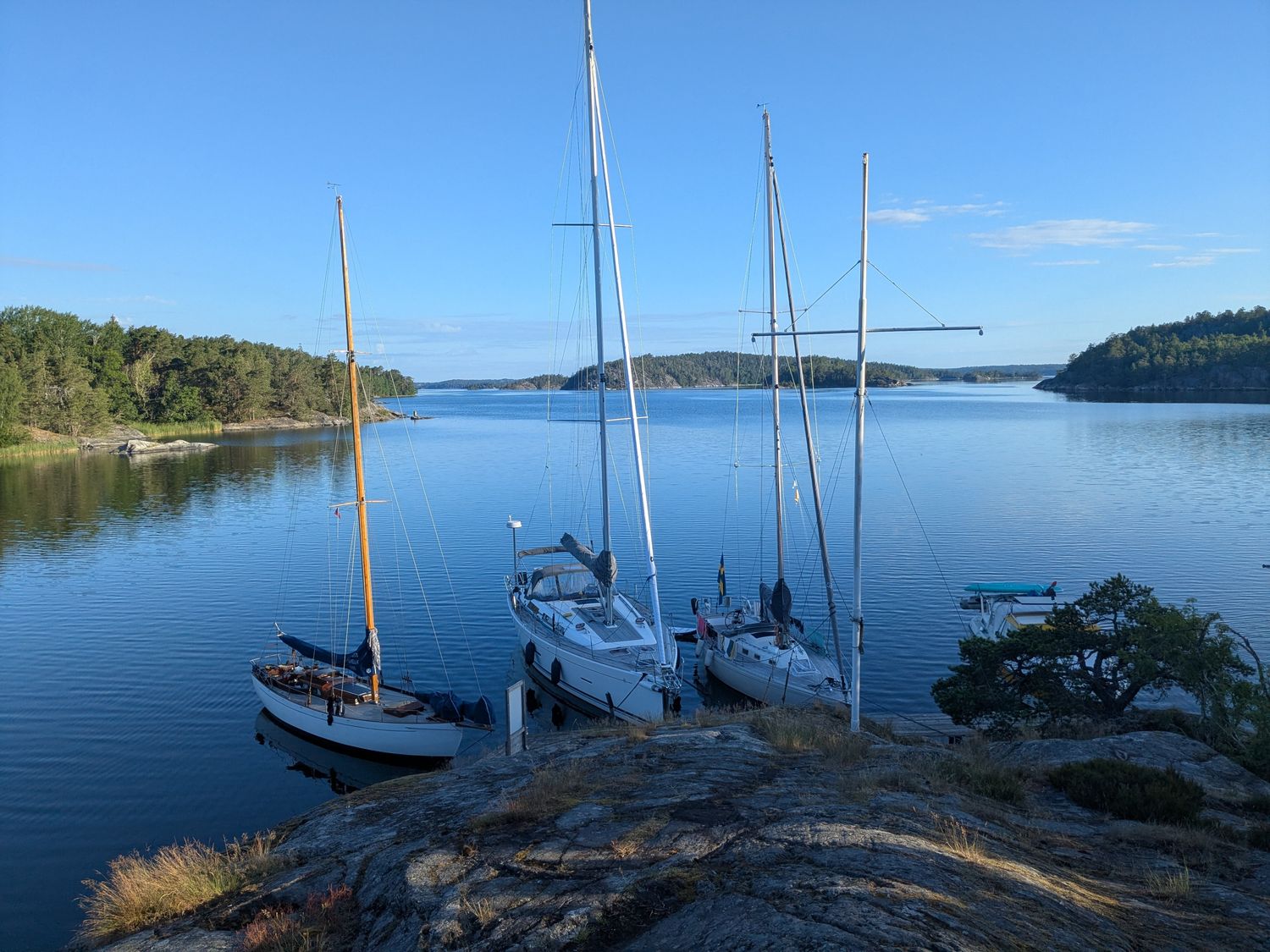
"A fairytale on top of the world, traveling from charming island to island on our trusty steed and home, SPICA. Andy will need to get a wizard's hat for the next voyage."
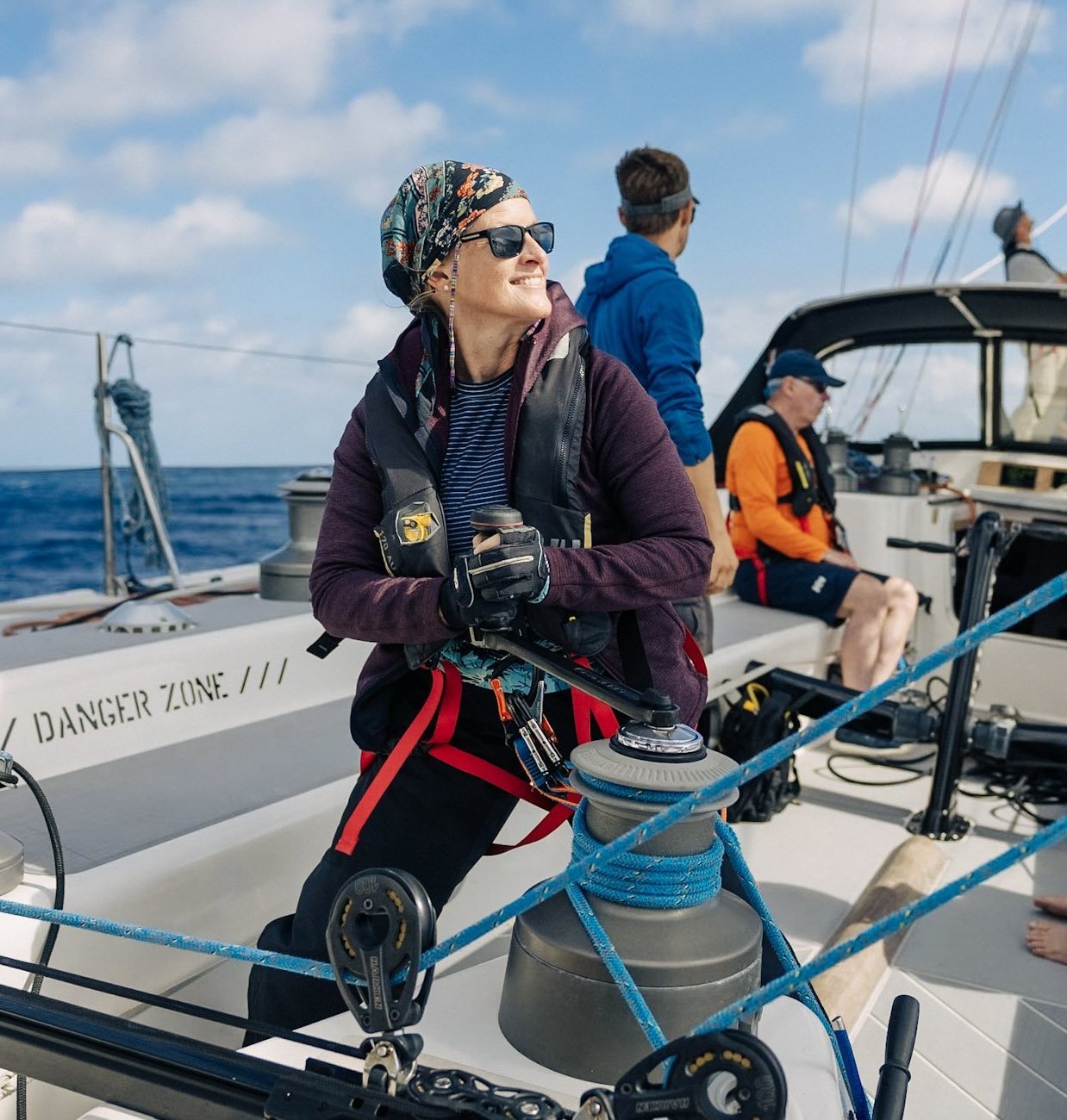
"As this was my first major passage, I wasn't sure what to expect. You have to have a lot of respect for people who choose offshore sailing for their profession. Erik and Ben were top-notch professionals, and my experience with 59º North was great!"
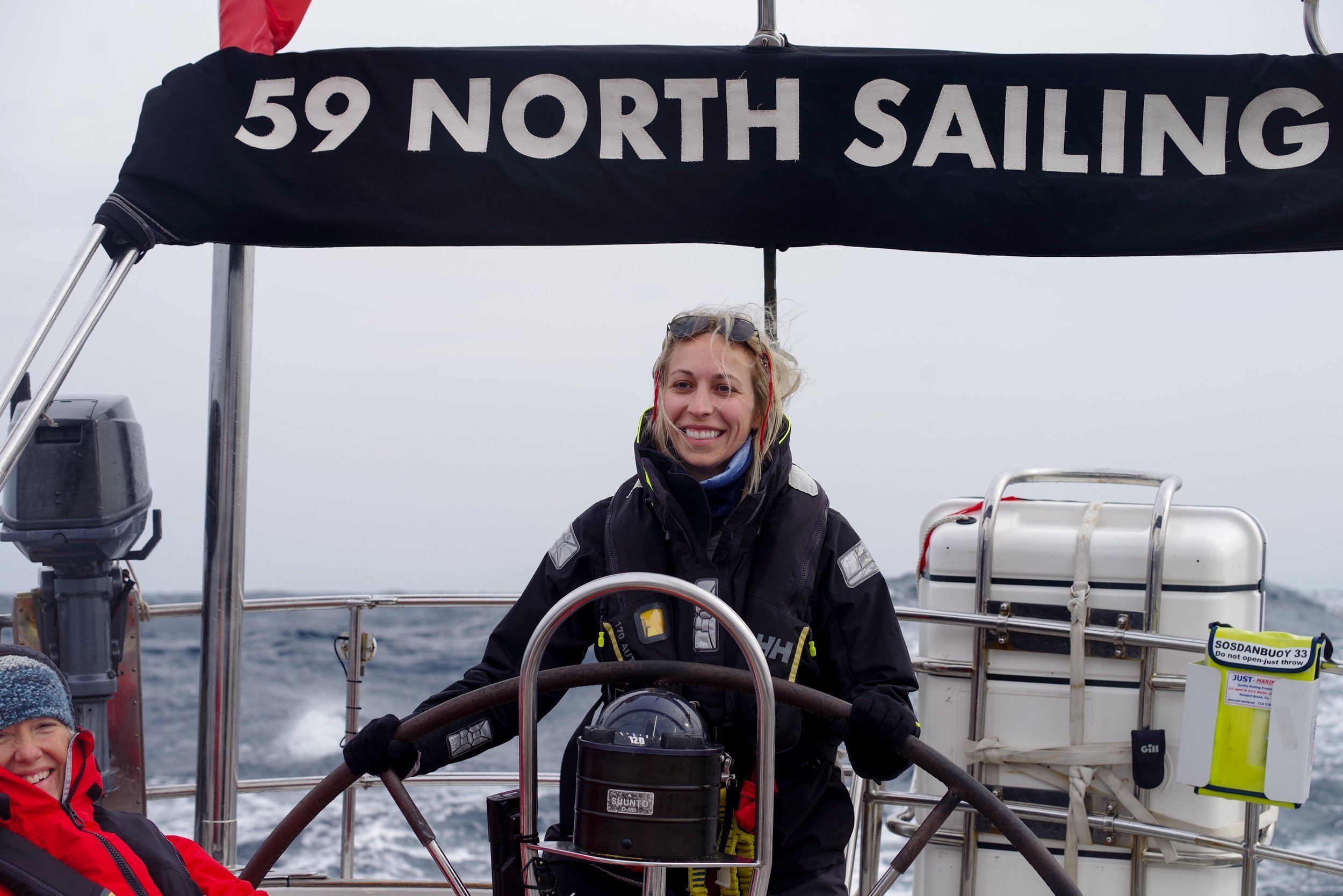
"When I think back to my trip across the North Sea on ICEBEAR, the memories uplift me and fill me with warmth and gratitude. Unplugging from the corporate world and embracing the beauty the ocean has to offer with 59º North molded me into a slightly different version of myself, in the most magical ways. I went home after 11 days with a more courageous yet humbled energy, realizing how capable and excited I am to take on new challenges."
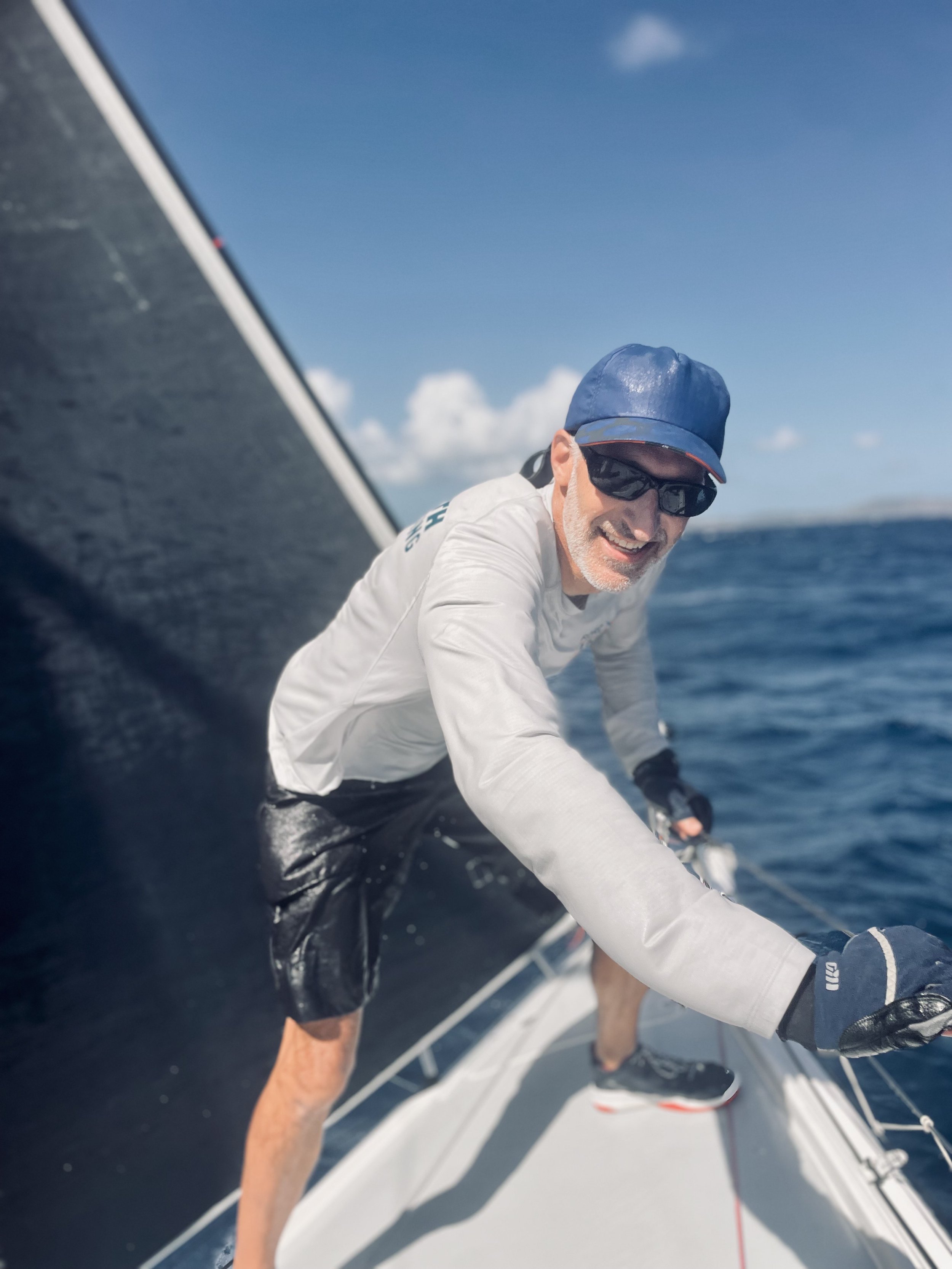
"Cruelling and unforgettable! I knew I would be inspired by Nikki and Alex—true professionals—but it was the inspiration I took from my crewmates that will stay with me for a lifetime. As a blue water cruiser, this experience definitely made me a better ocean sailor!"
THE BOAT
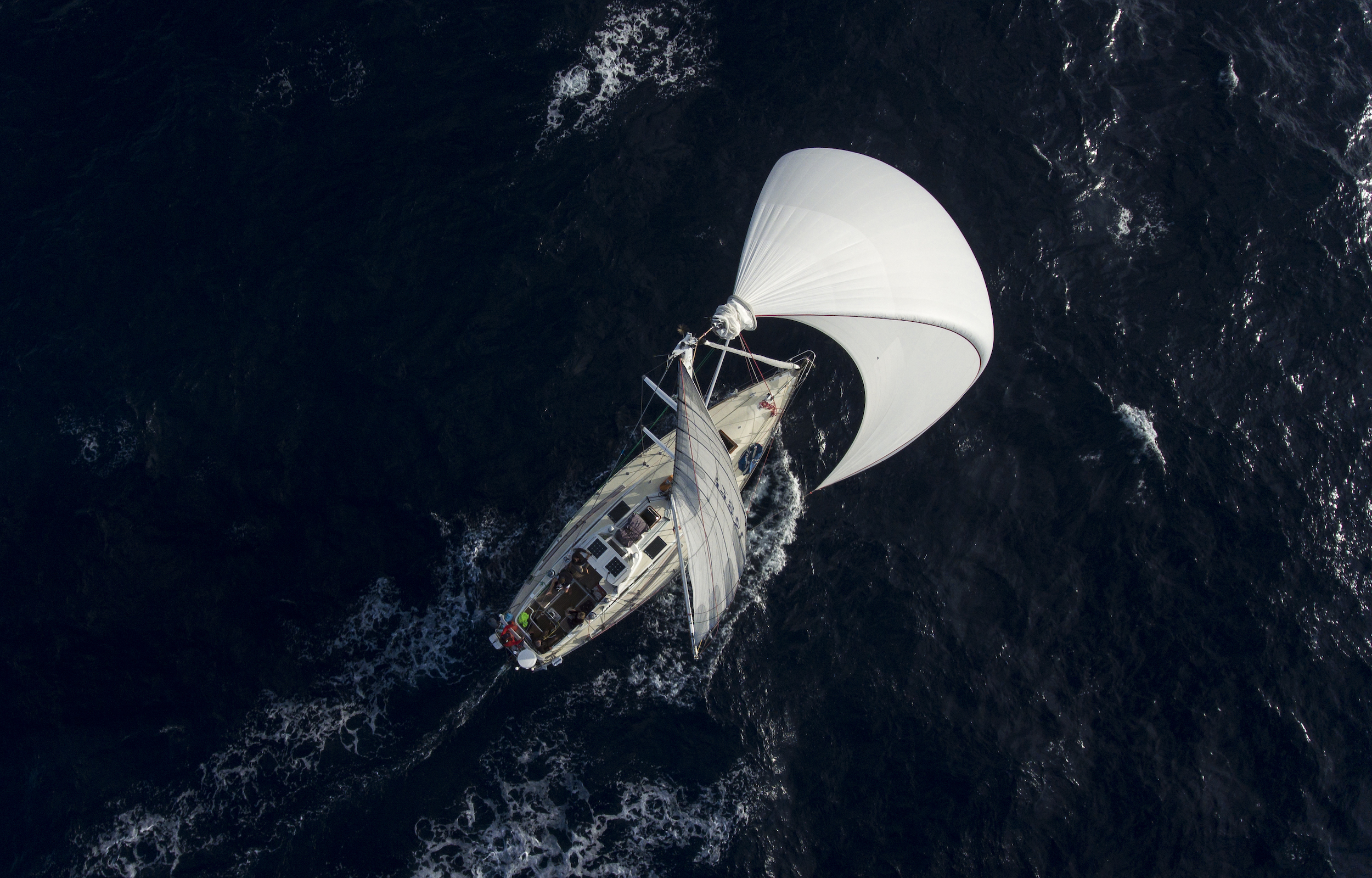

S&S Swan 48
'
ISBJØRN
'
🇳🇴
ISBJØRN is the "OG" 59º North boat, the classic S&S Swan 48 that we started the business with back in 2015. She's considered an all-time great ocean cruising boat - built like a tank in Finland to the highest standards and with a modern but conservative hull shape making for fast & comfortable passages offshore in any weather. ISBJØRN sails with 5 crew plus a Skipper, and each person has their own dedicated sea berth & storage locker.
packing lists & notes
Packing Notes
Start here when planning your packing for sailing with 59º North. This list includes the general basics for all of our passages. The passage-specific packing lists offer more details.
Cold | Chilly Packing List
Weather-wise, expect chilly to cold conditions (not Arctic-level cold, but cold enough to need boots, hats & gloves, especially at night). On sunny, calmer days, it might be warm enough for shorts and t-shirts, so on these types of trips you kinda need one of everything! Check the packing list for specific details.