
2026-1A | ISBJORN | Sail Training Camp #1A Bonus
(Note that we offer a % discount if you pay by cash/bank transfer.)
Join ISBJØRN in Bergen, Norway for an intensive week of sail training! We will sail the fjords, archipelagos and the open ocean around Bergen, practicing sail trim, helmsmanship, heavy-weather sailing, piloting & navigation, instruments, downwind sailing, and more, depending on what opportunities the weather prepares for us. We'll end most days at a new and gorgeous harbour or anchorage, of which we will have an inexhaustible supply. The difference between a dedicated "Sail Training Camp”, and any of our more standard 'Point A to Point B' passages is the breadth of teaching we can accomplish. When sailing from A to B, we have to work within the bounds of the weather - if it's an upwind passage, you won't get to learn any spinnaker sailing, for example. On a dedicated sail training trip, we can guarantee you'll get education on all points of sail. Plus more docking, more sail changes, etc. In short, these trips are more specifically about learning than our more adventure-focused passages. But fear not, you will have plenty of adventure as well!
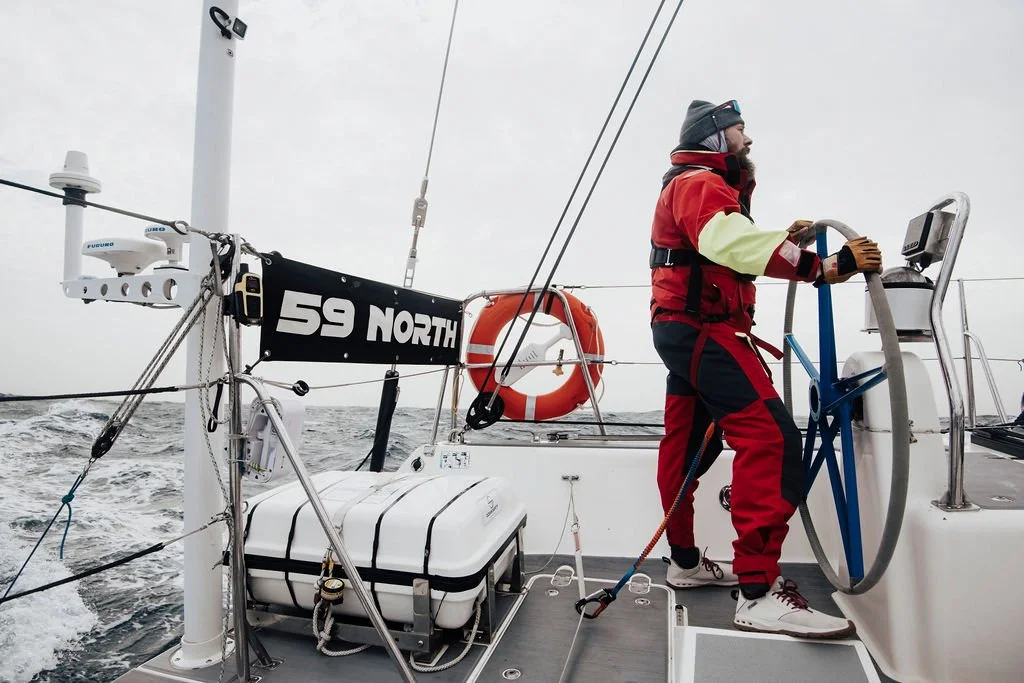
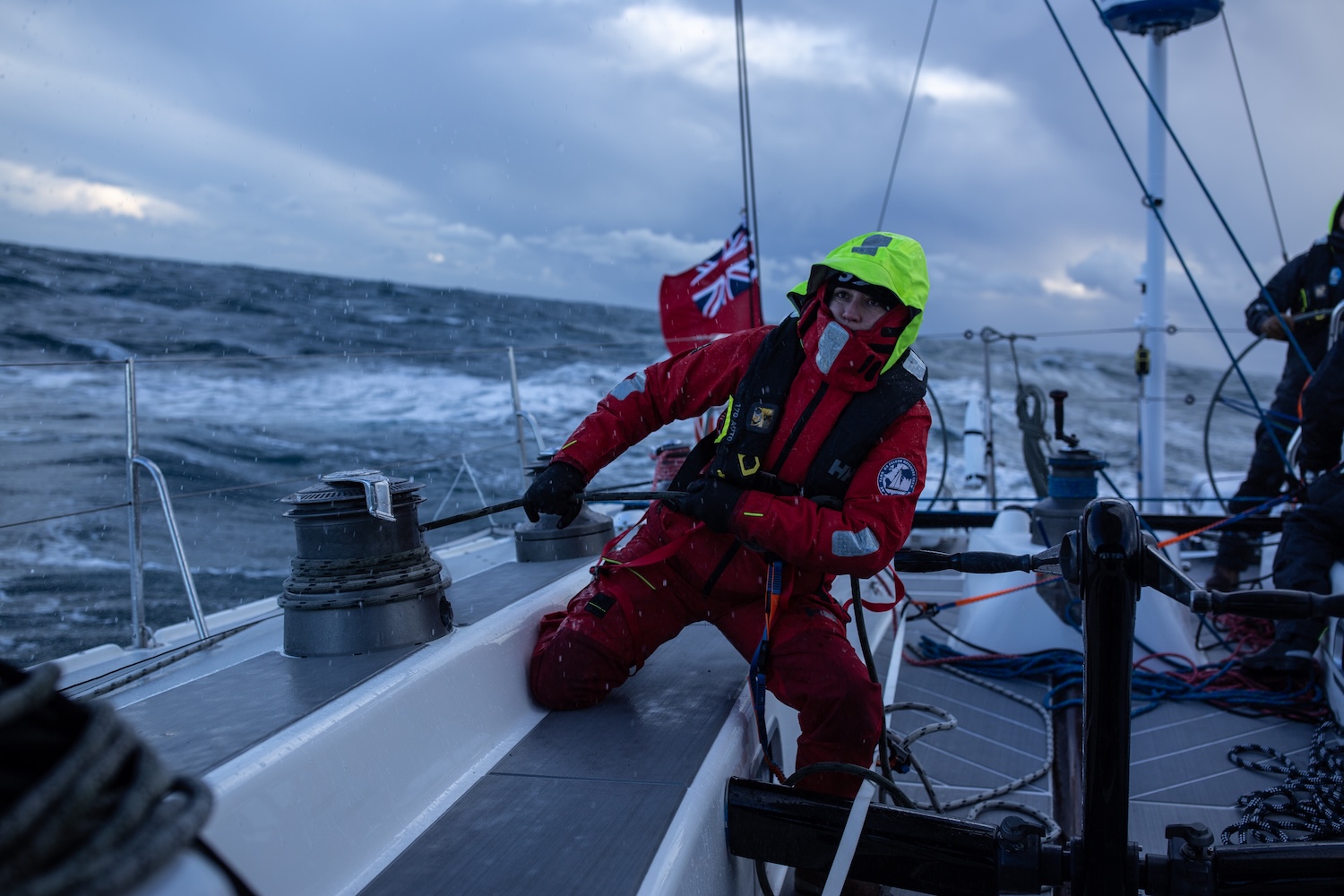
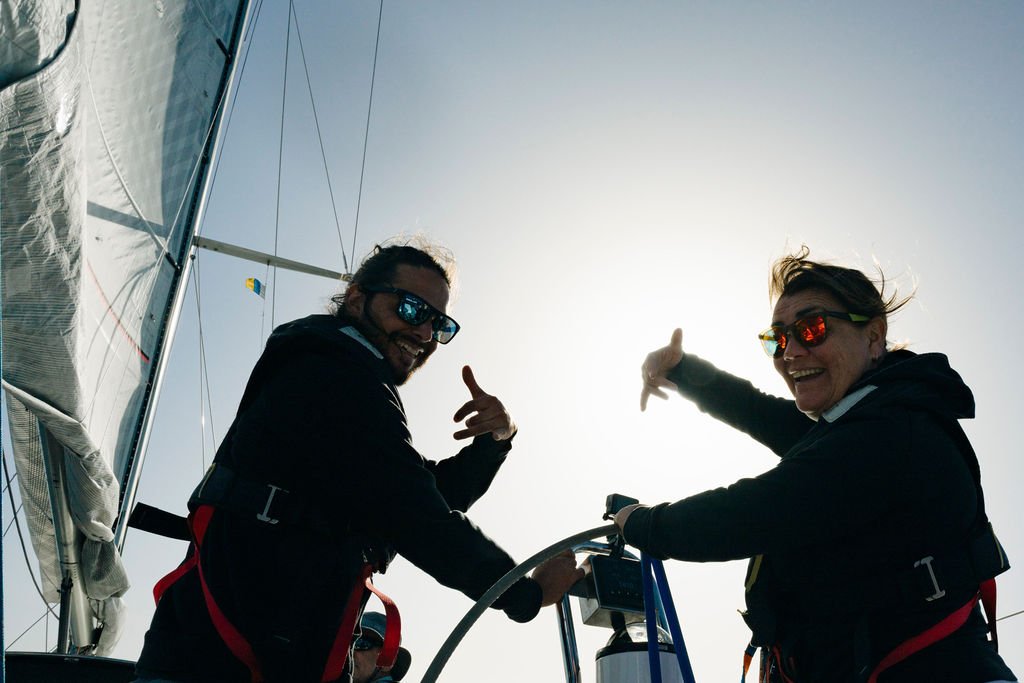
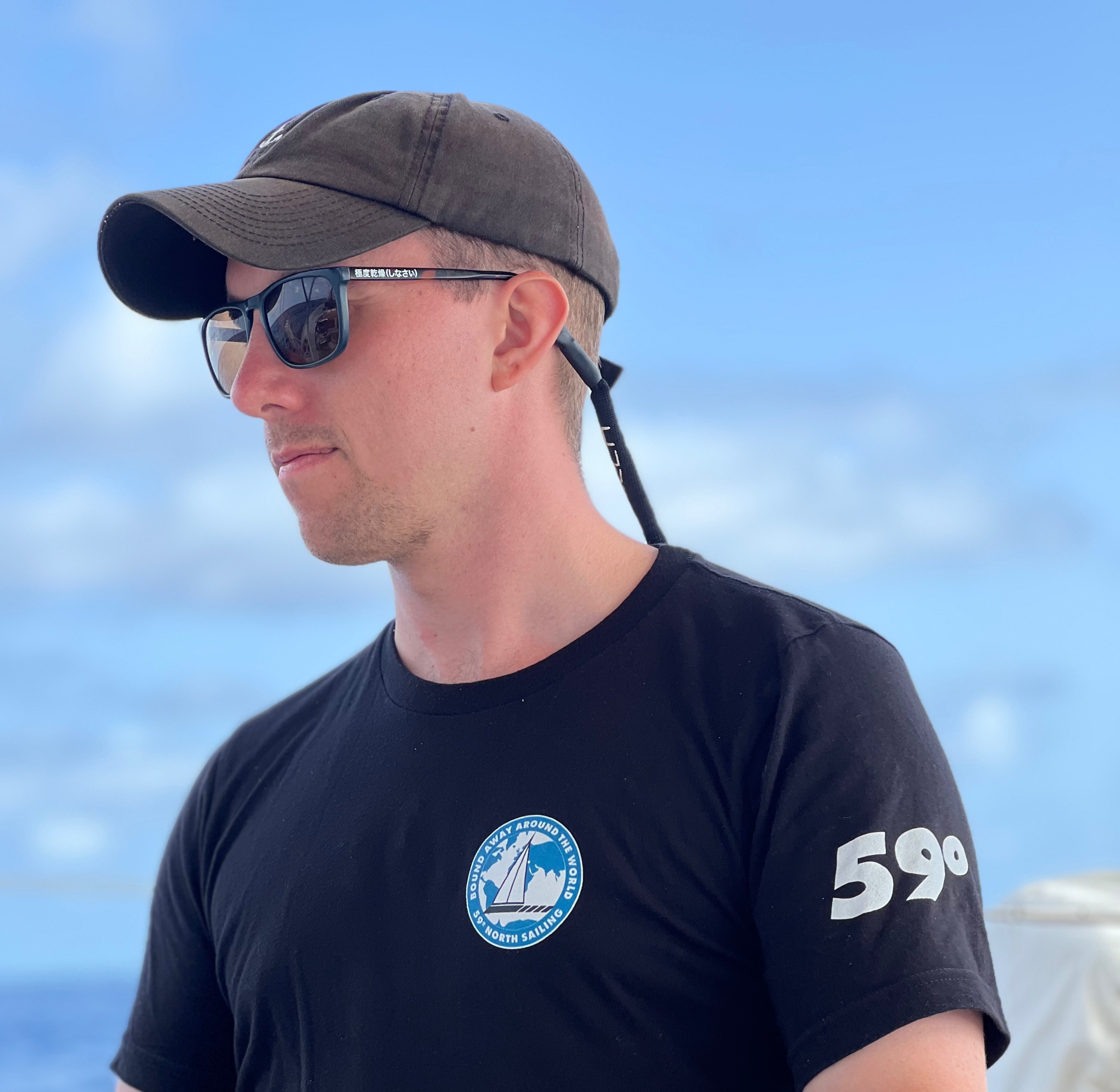
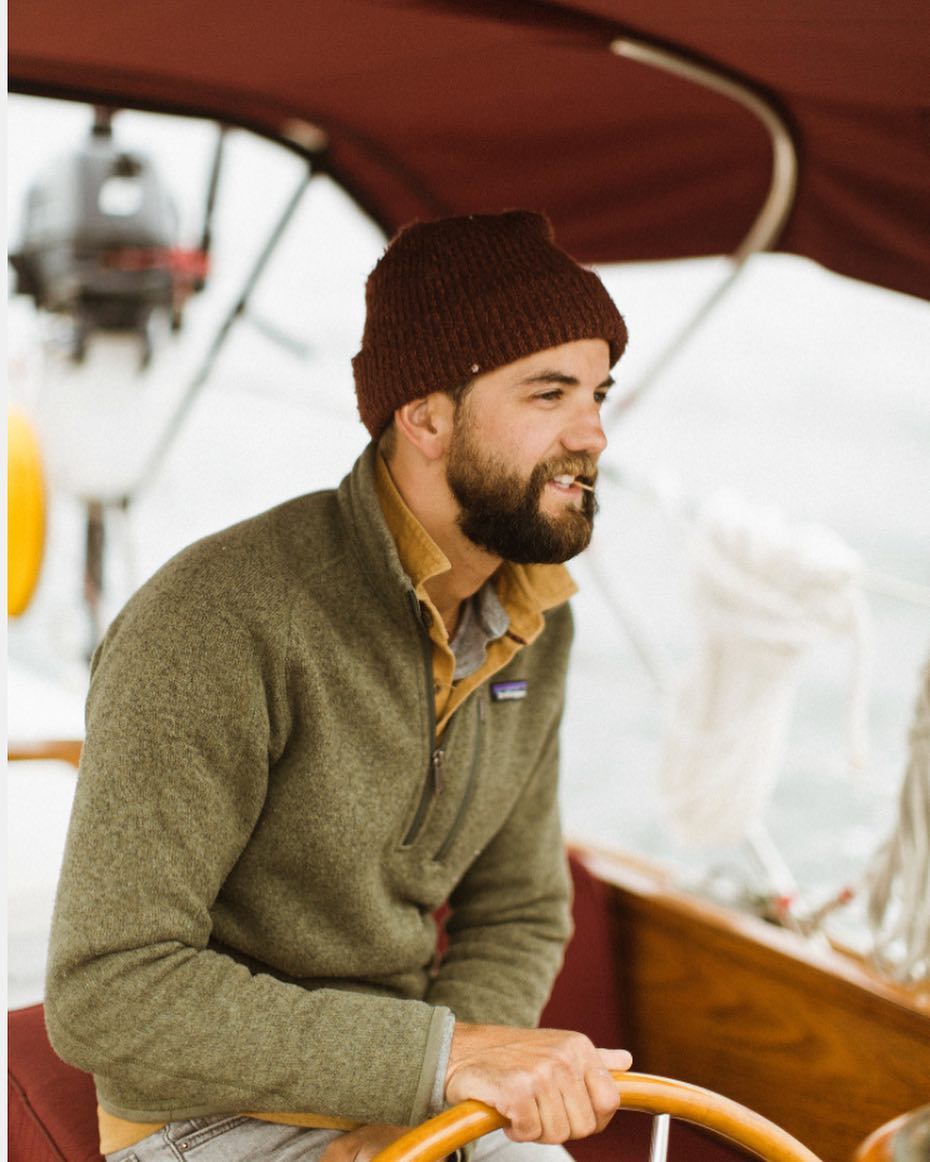
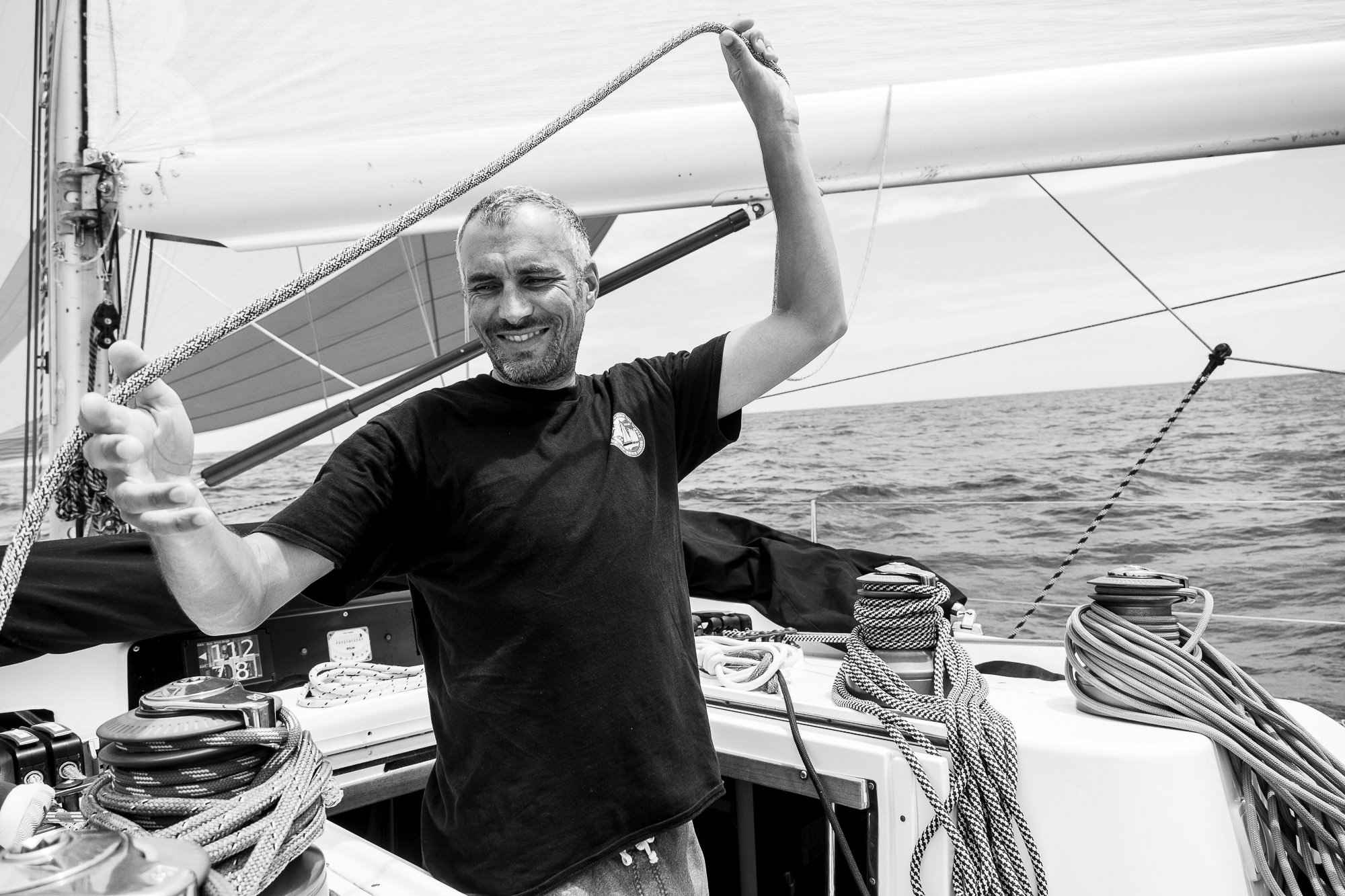
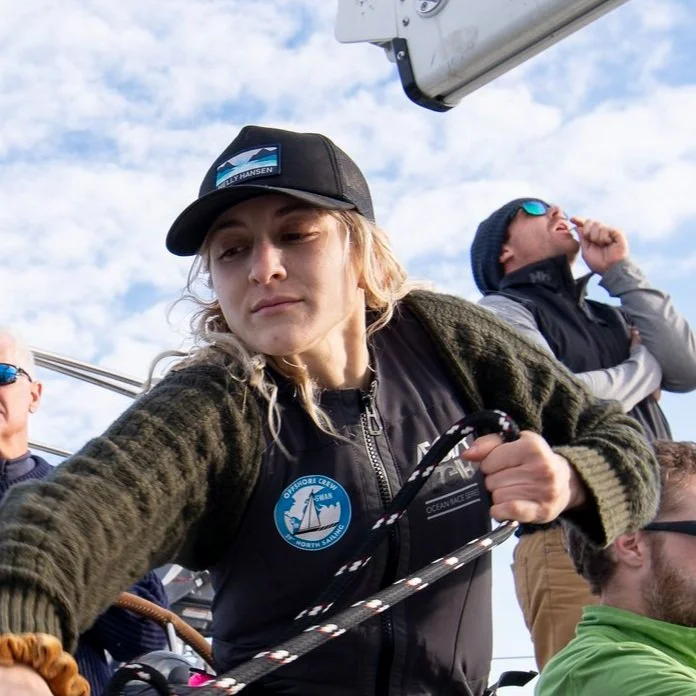
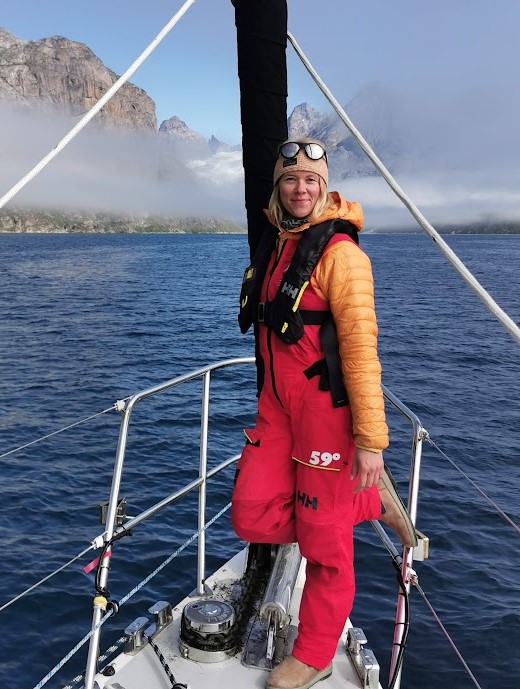
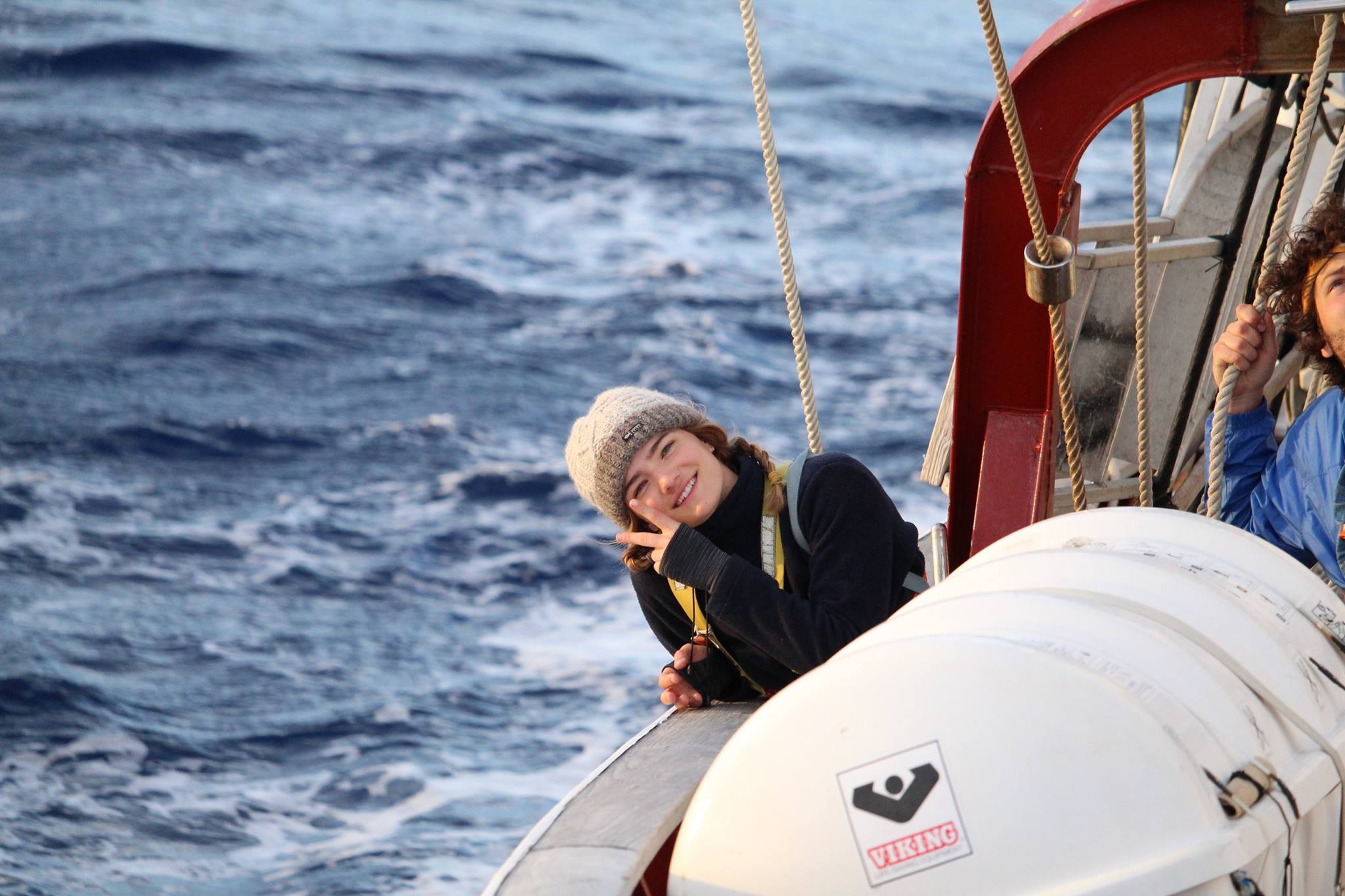
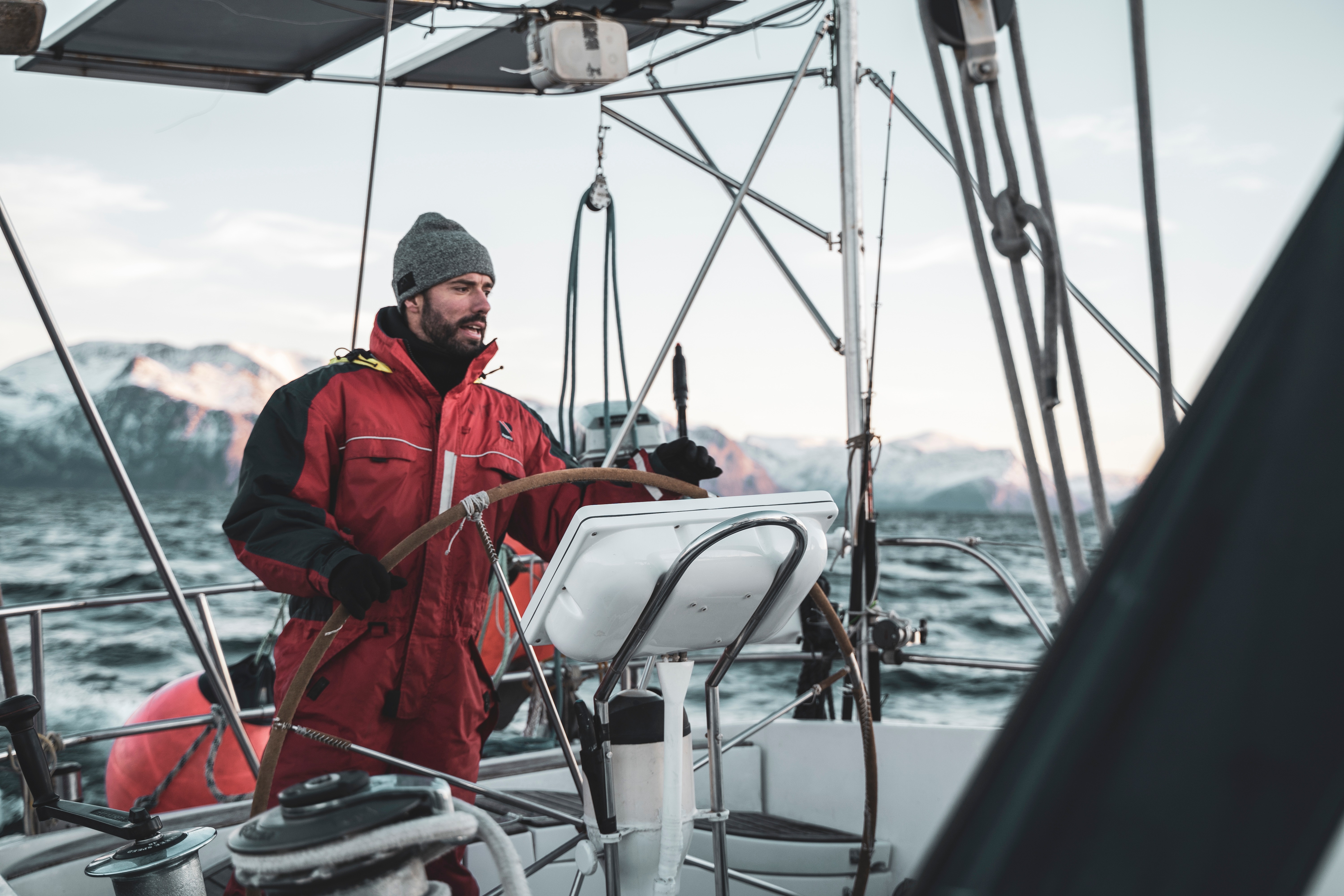
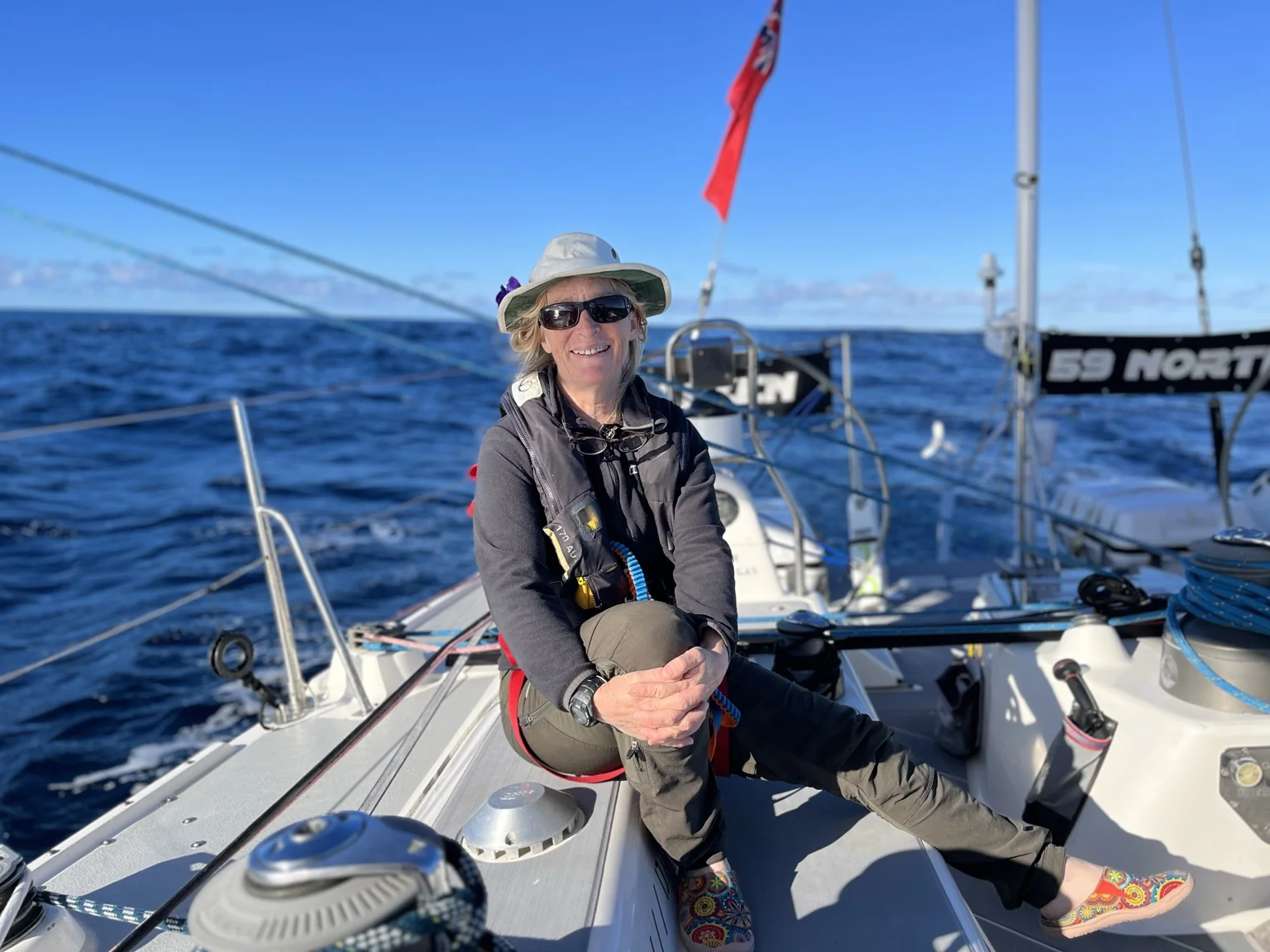
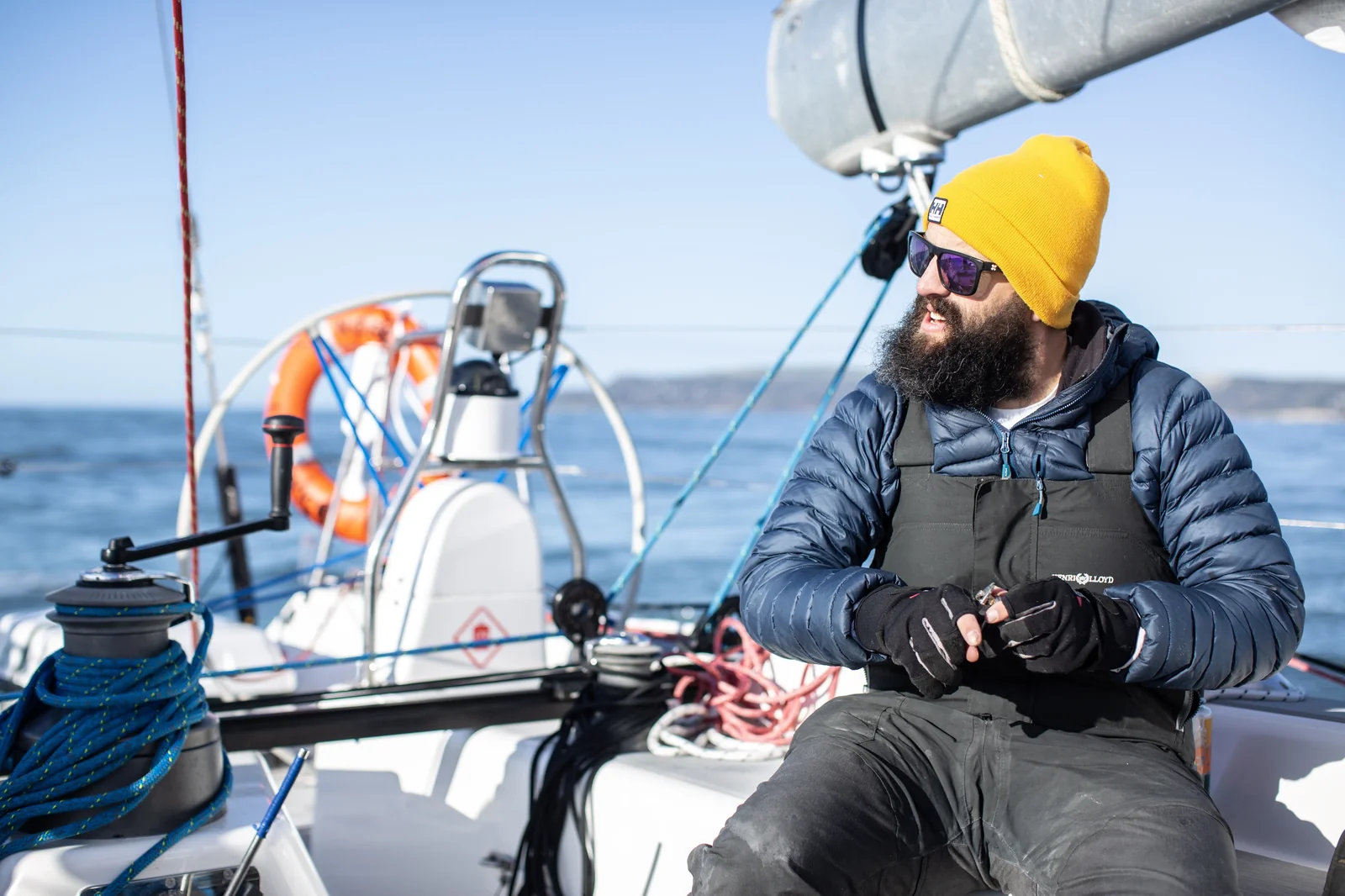
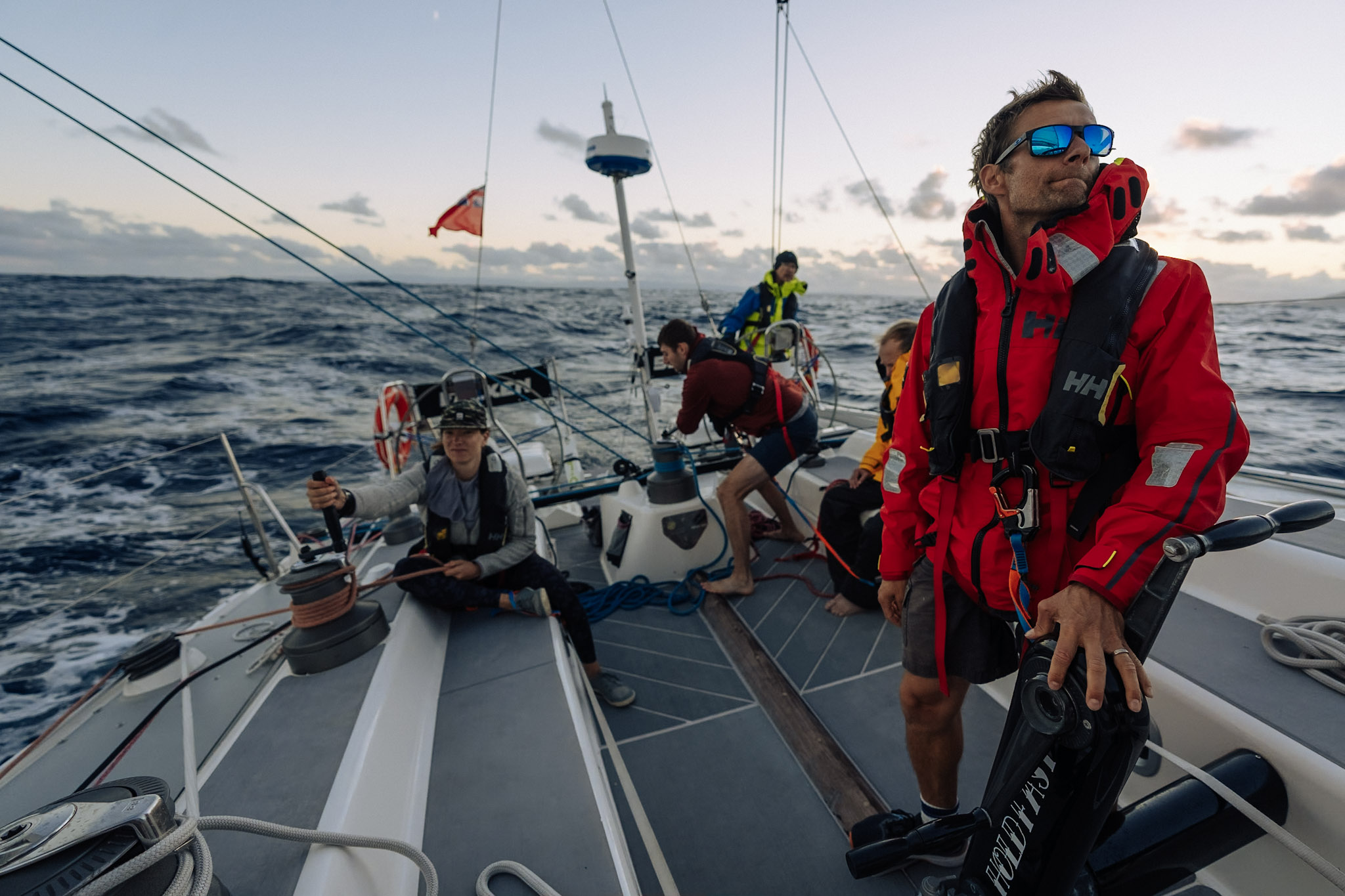
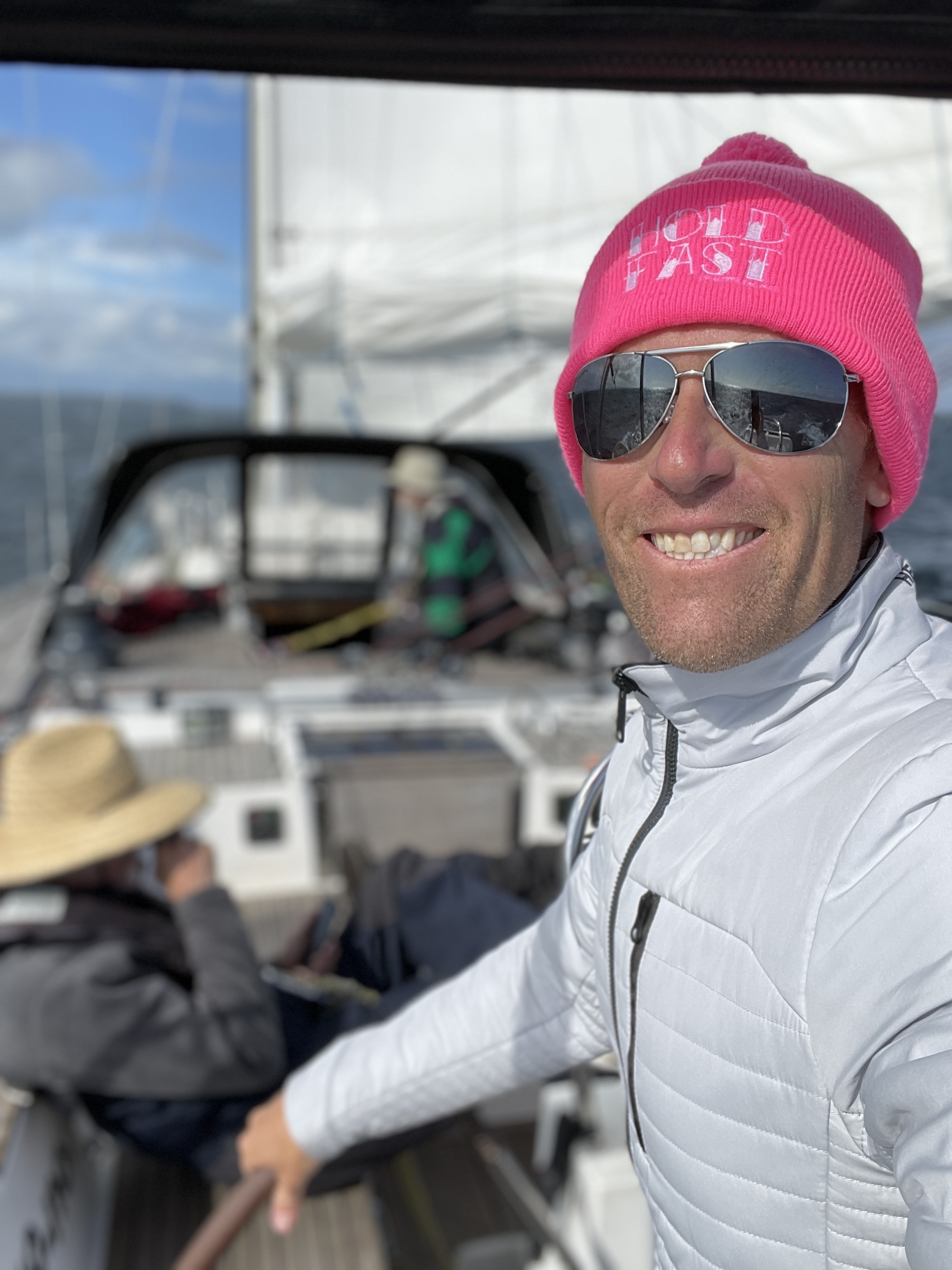
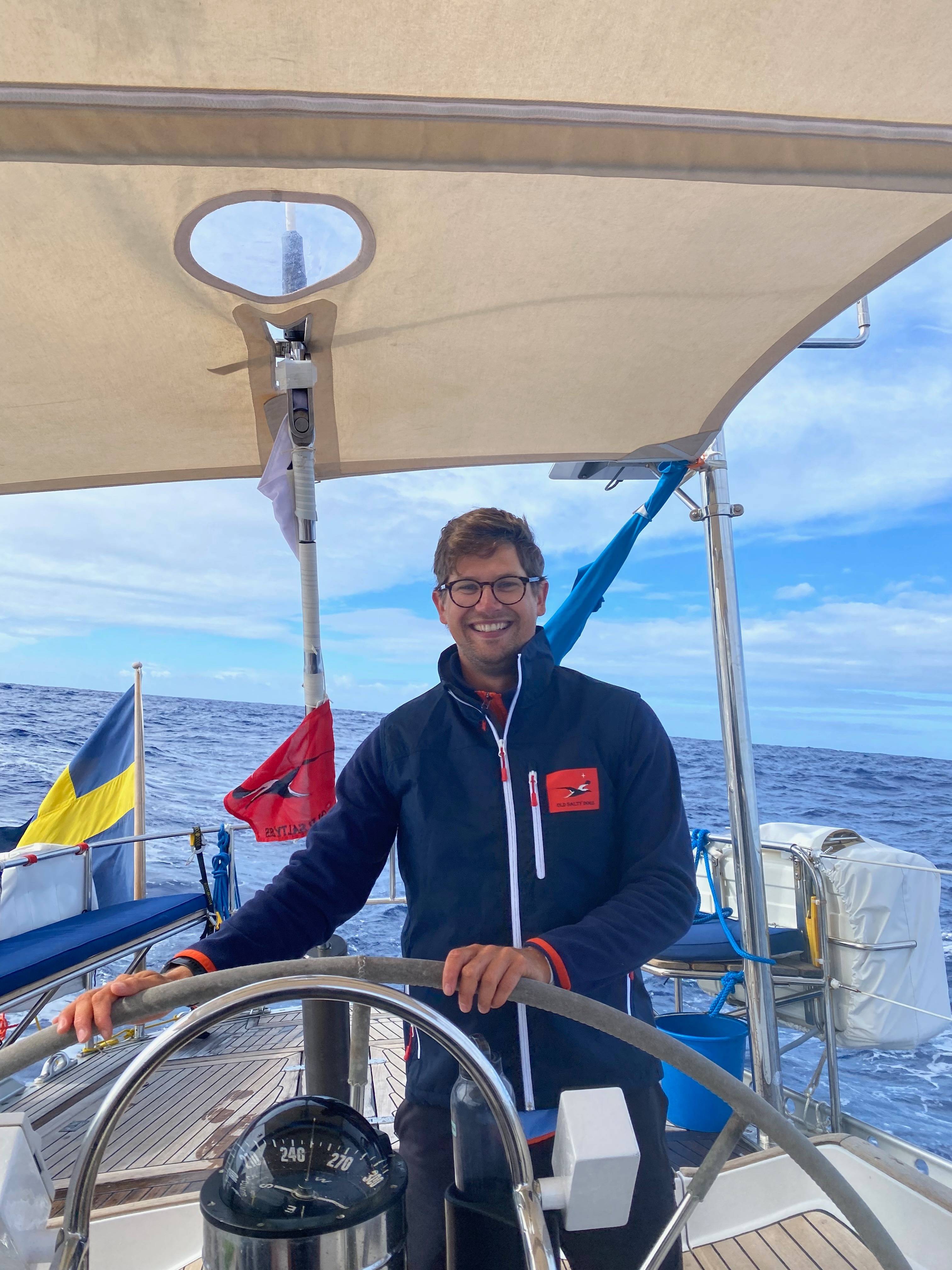
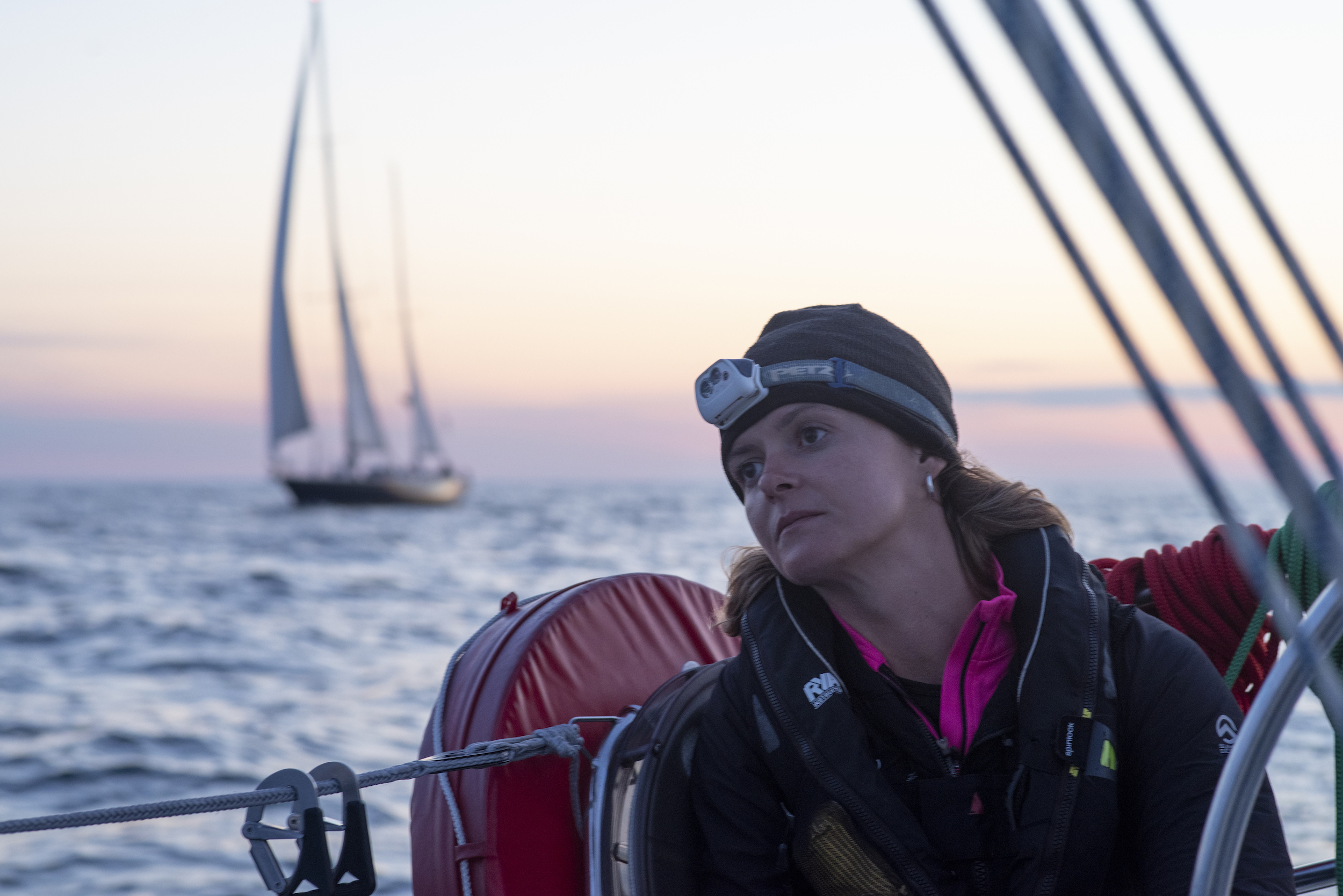
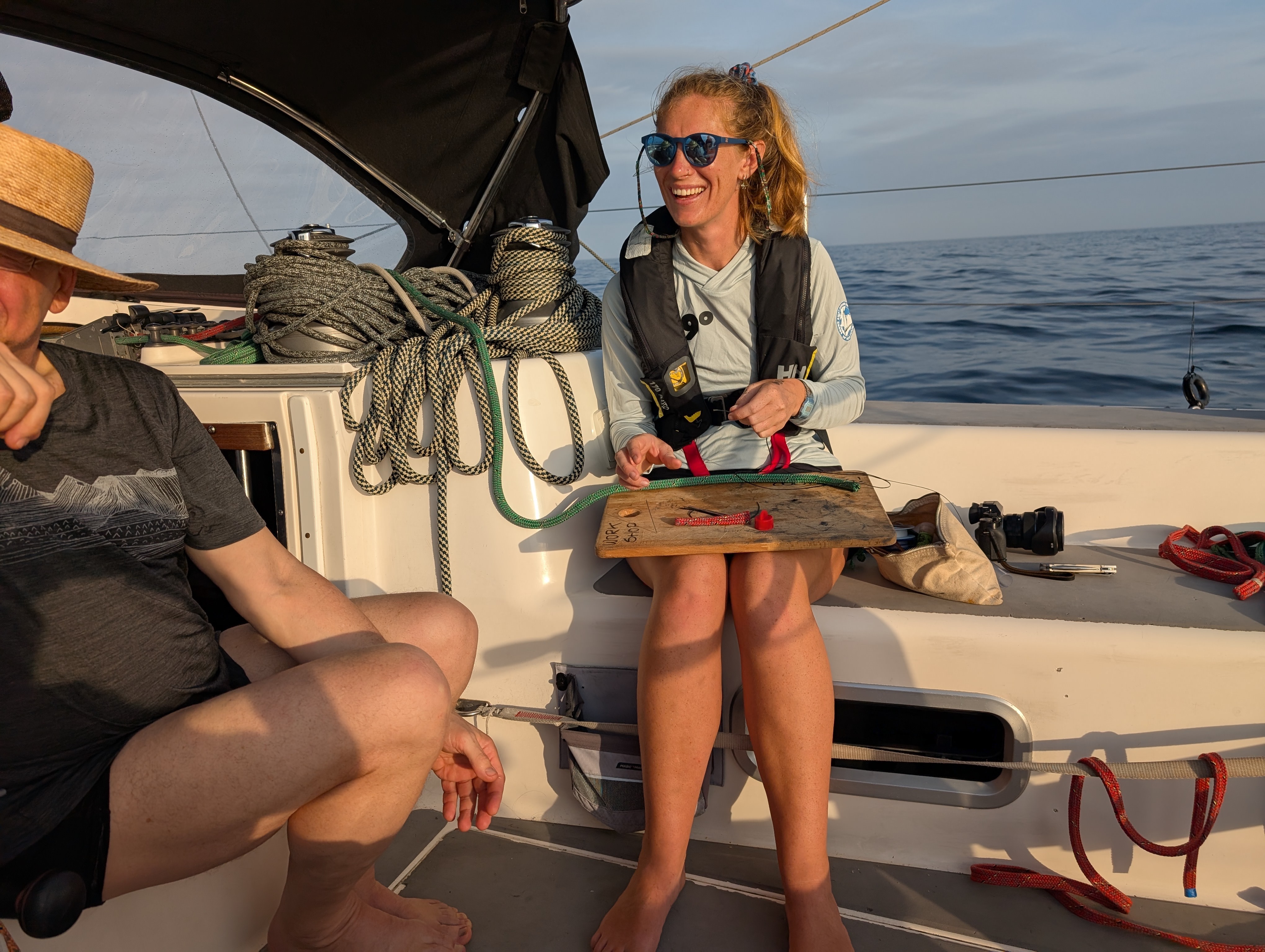
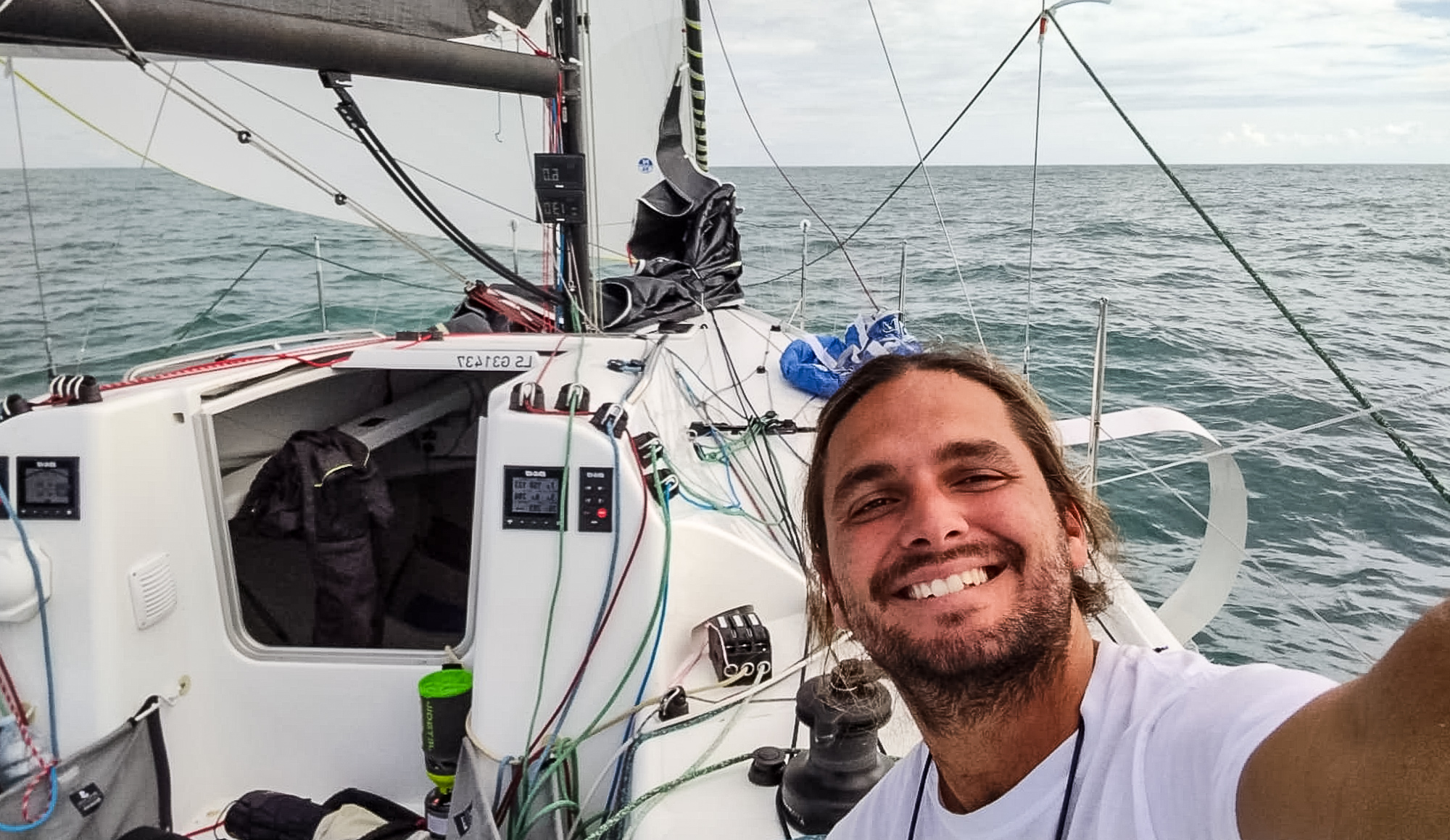
SAILING STAFF
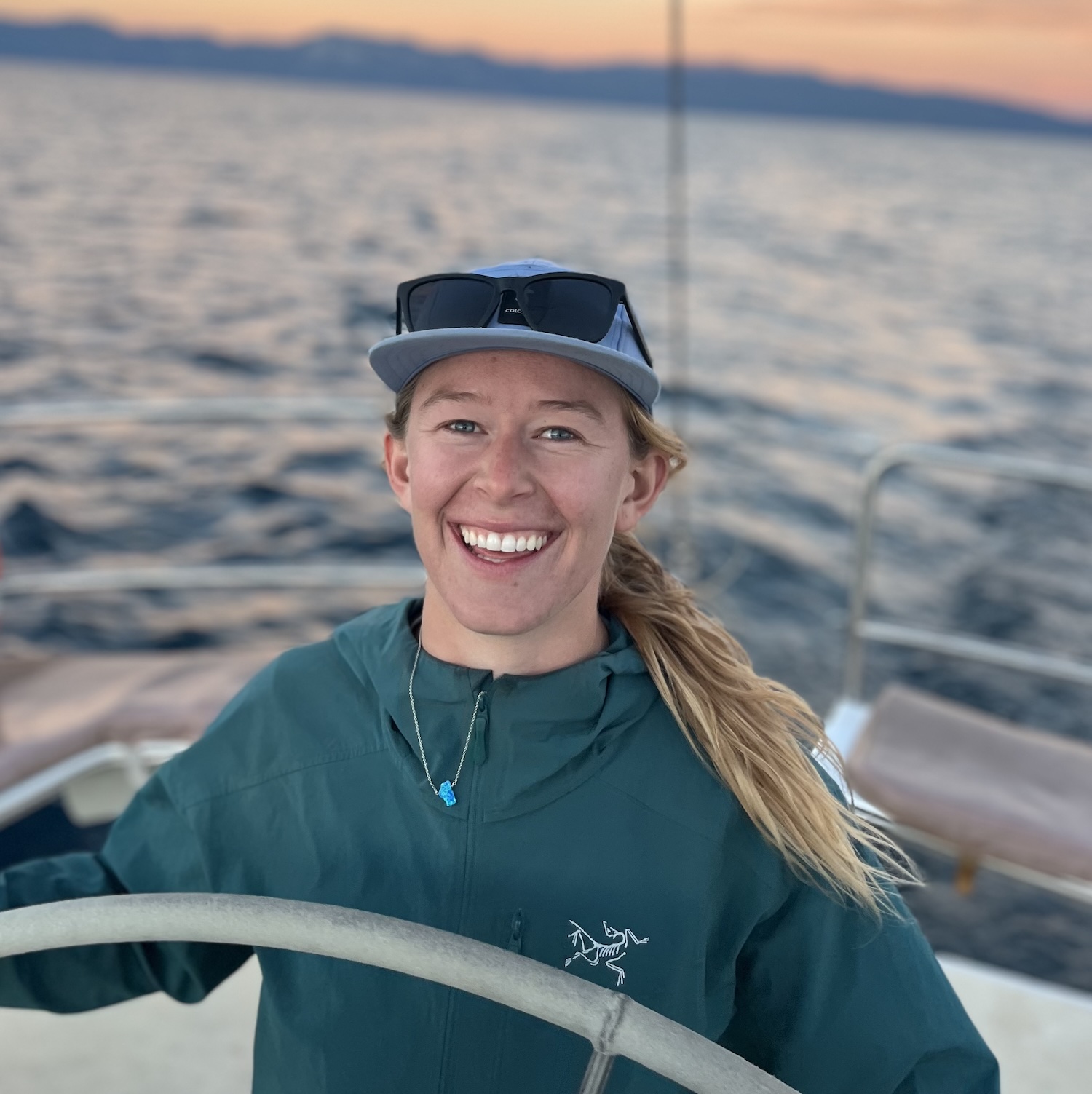

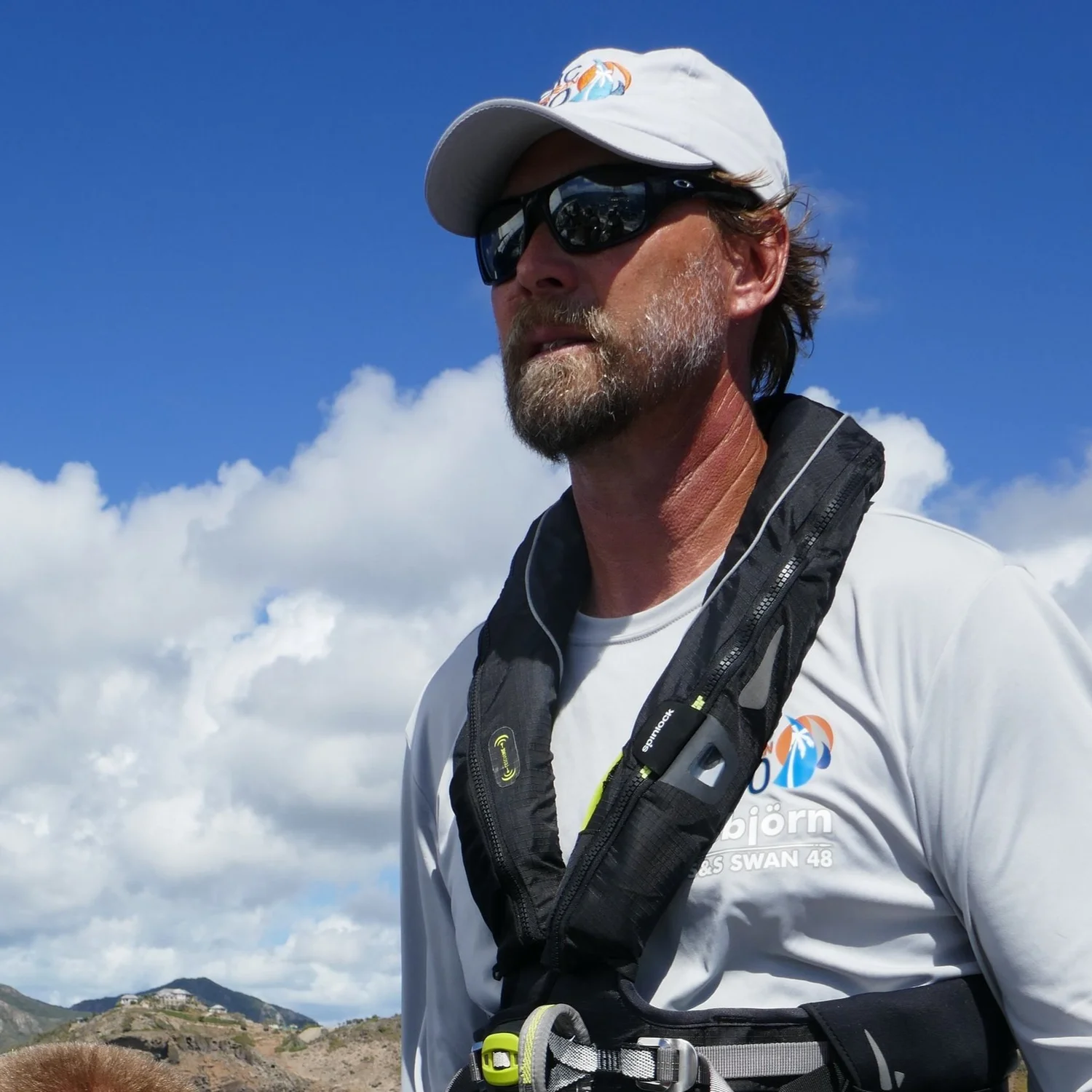
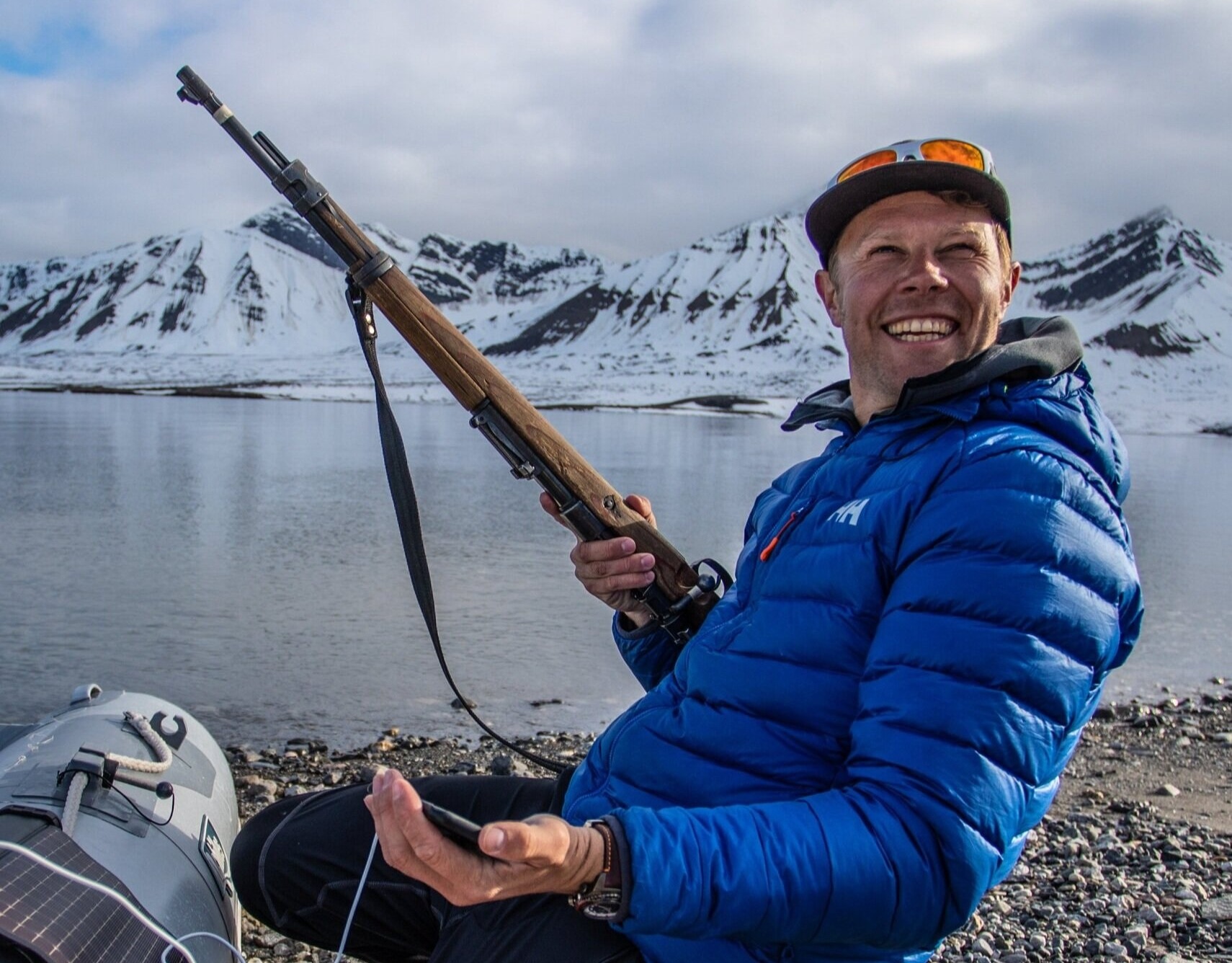

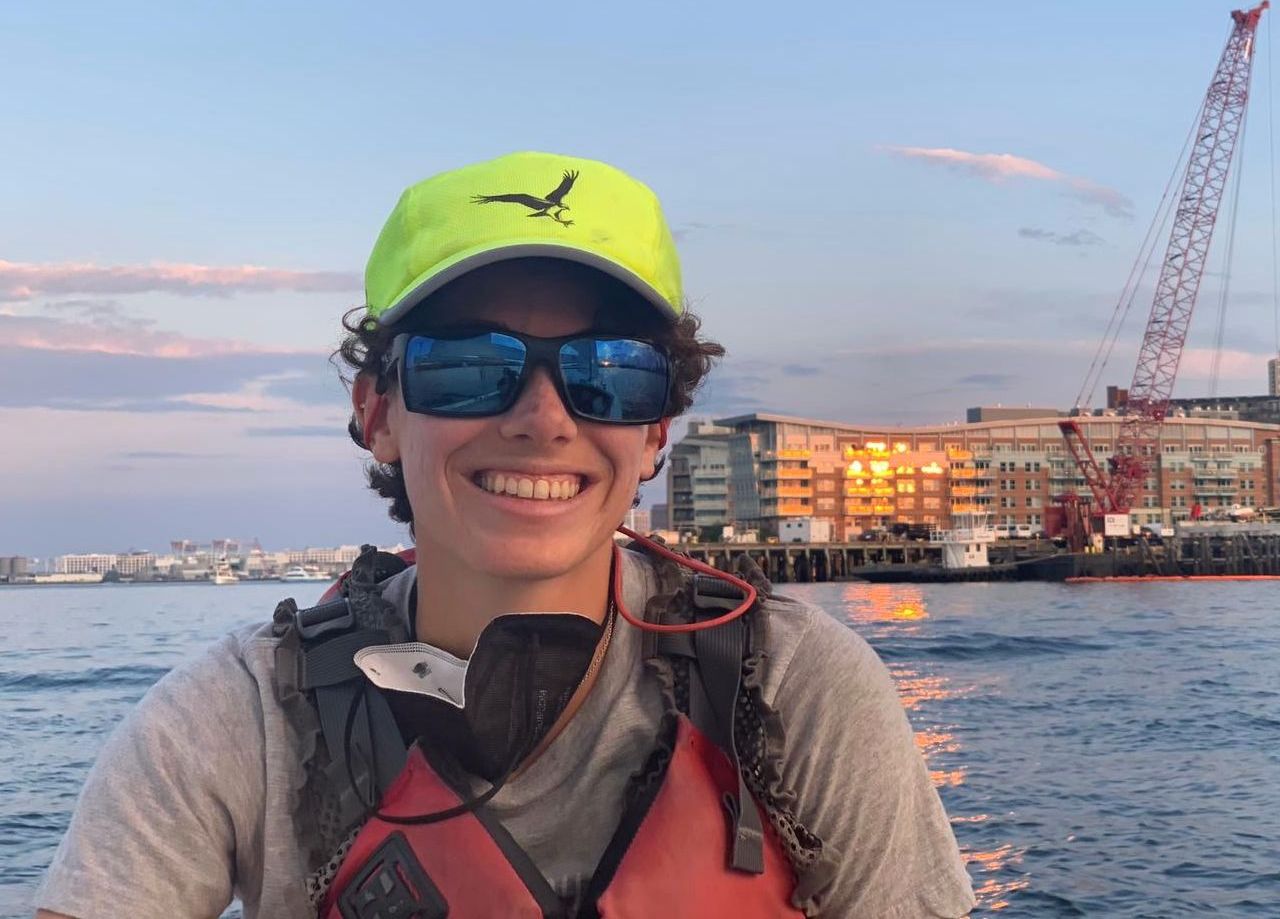
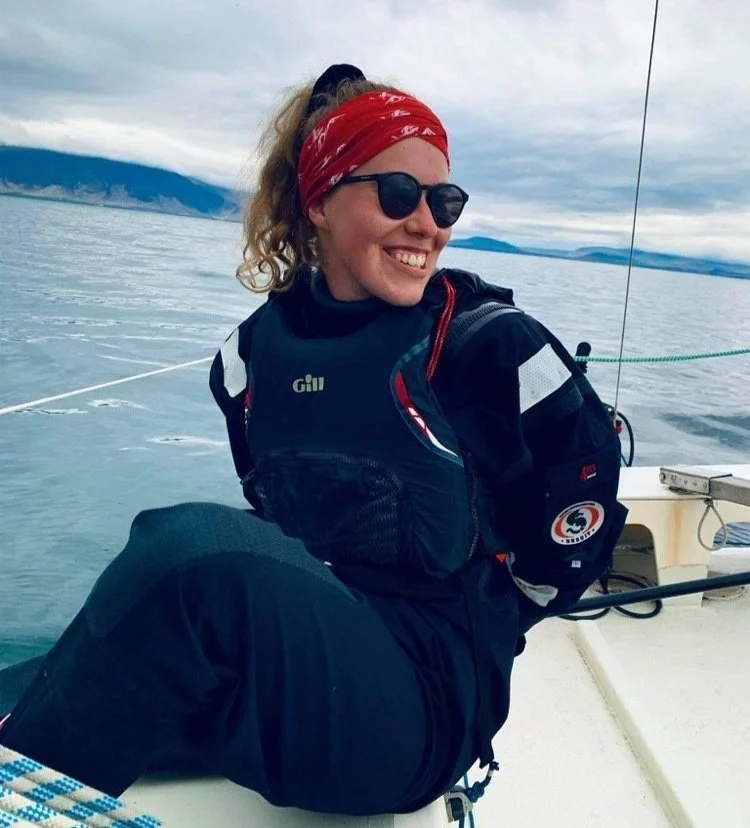
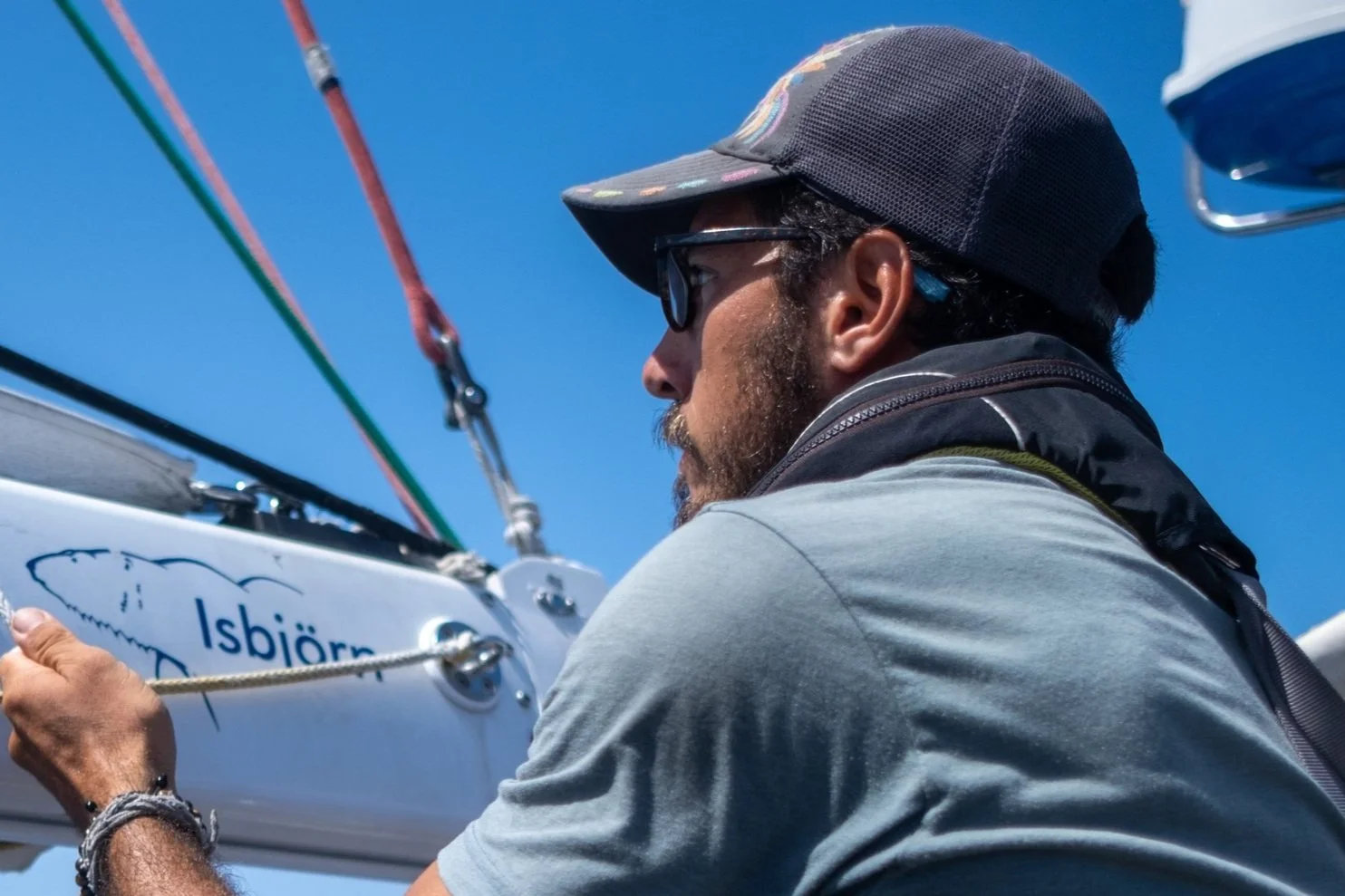
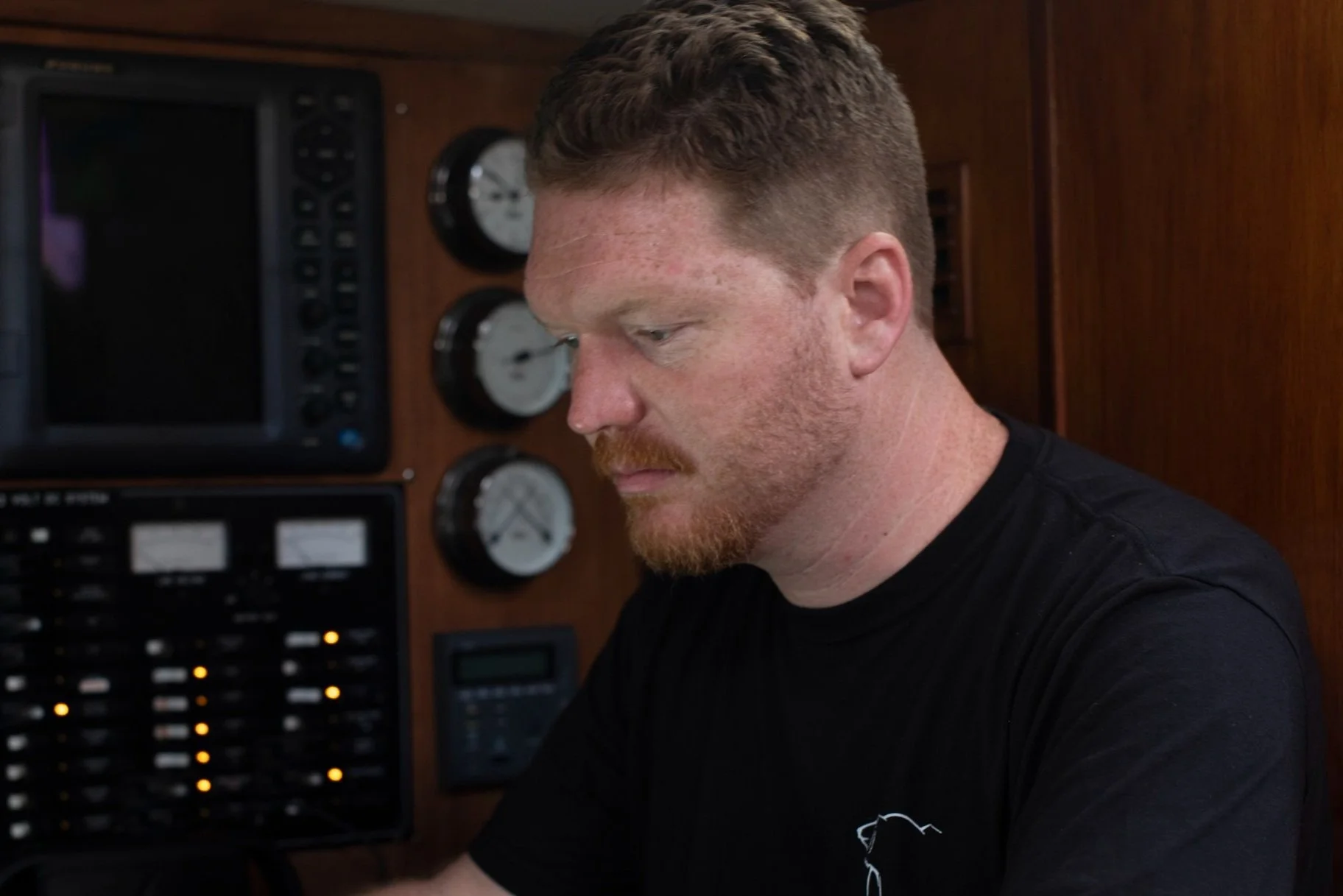
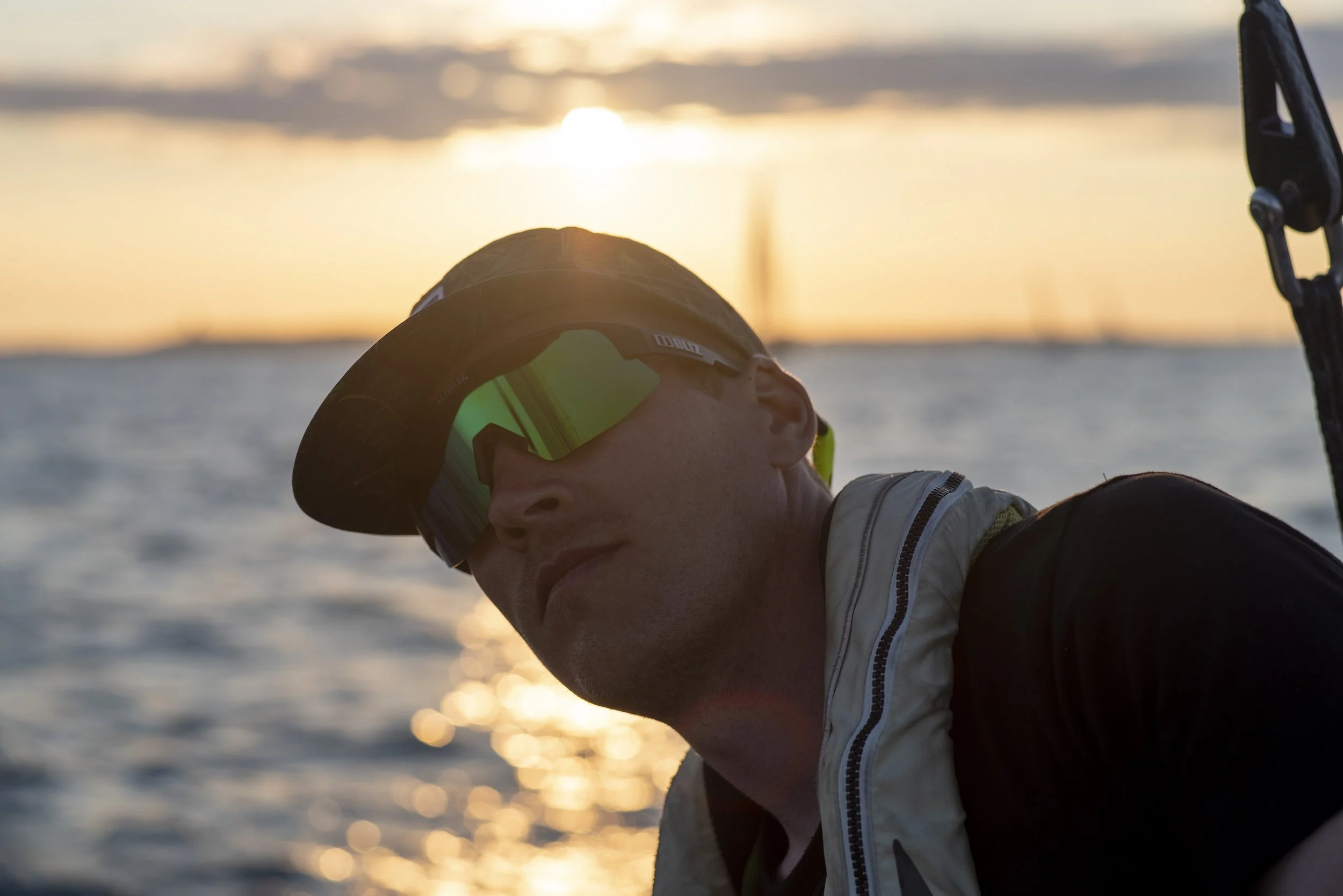

.jpeg)

The Passage
Rough itinerary
All 59º North passages are very much subject to weather. We pick our routes based on the "correct" time of year to be sailing in the different regions we visit, and we always build-in enough time to give us some margin for weather windows. The skipper has final say on departure dates and weather windows, but generally speaking, the intinerary for this passage will look like this:
May 6, 2026
Crew arrive to ISBJØRN at 13.00 in Bergen, Norway. ISBJØRN orientation followed by crew dinner. All crew stay onboard ISBJØRN.
Prep Days
Between the joining and departure dates, all pre-passage preparation, provisioning, and safety briefings will be completed. The specific pre-departure schedule will be outlined and posted onboard ISBJØRN by the skipper.
May 6, 2026
Scheduled departure, weather dependent.
May 13, 2026
Latest date (12:00 noon) for crew to depart ISBJØRN from Bergen, Norway.
PASSAGE DETAILS
Our sail training camps are slightly different than our 'normal' A to B passages, we have the luxury to not have a set route in advance and can plan the week according to the weather. We may leave the dock the same evening you arrive, or stay for the night and prep the boat for a departure the next day. This week is all about being flexible, so we can get the most out of it
TRAVEL LOGISTICS
Bergen
Weather conditions
Expect a cool, crisp spring passage along this rugged coast, with changeable skies and a fair share of brisk, lively breezes—the kind of unsettled, ever-shifting weather that keeps you on your toes and grateful for good foulies.
In-depth analysis, by WRI

WHY 59º NORTH?
ambitious sailing schedule
The best boats
WOMEN BUNKS GUARANTEED
Professional, well-paid staff
knowledge & community
Why it costs what it costs...
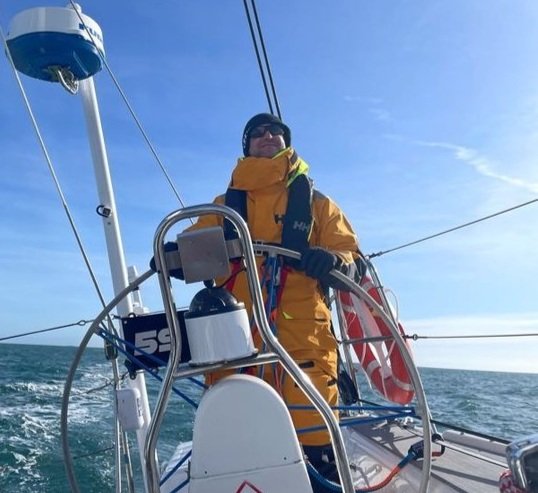
"59º North runs the most professional offshore training program you can find, and it shows in their professionalism, leadership, skill, and service. I felt honored to be part of the maiden voyage of FALKEN—she's a beauty, and the 59º North refit crew did an amazing job! Shout out to Nikki Henderson (Captain) and Alex Laline (Mate) for inspiring, knowledgeable, and caring leadership. I can't imagine having a better experience with any other."

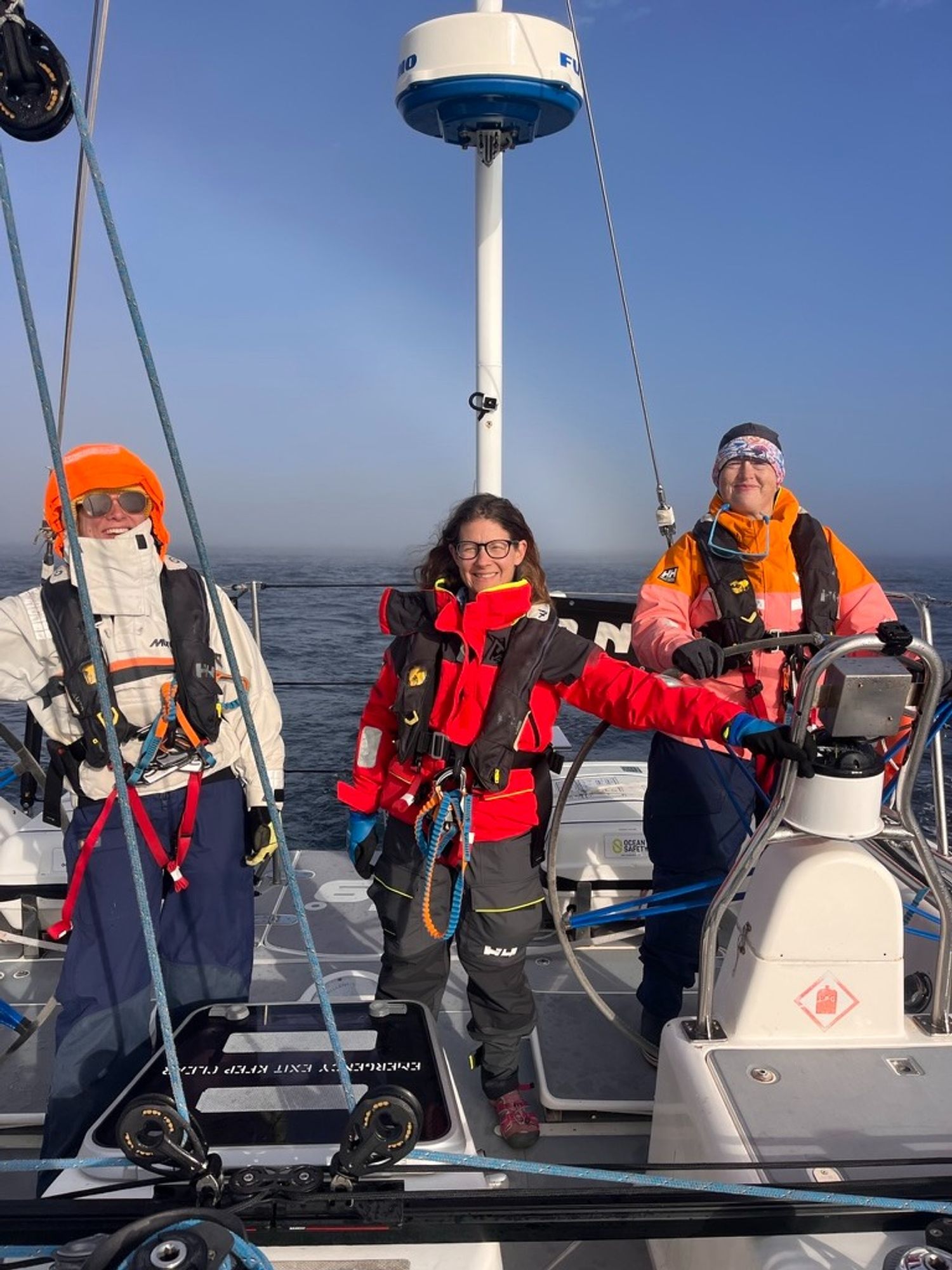
"To be surrounded by strong, intelligent women sailing leaders provided a safe and inclusive learning opportunity. This was exactly the environment I was looking forward to, and it met and exceeded my goals."
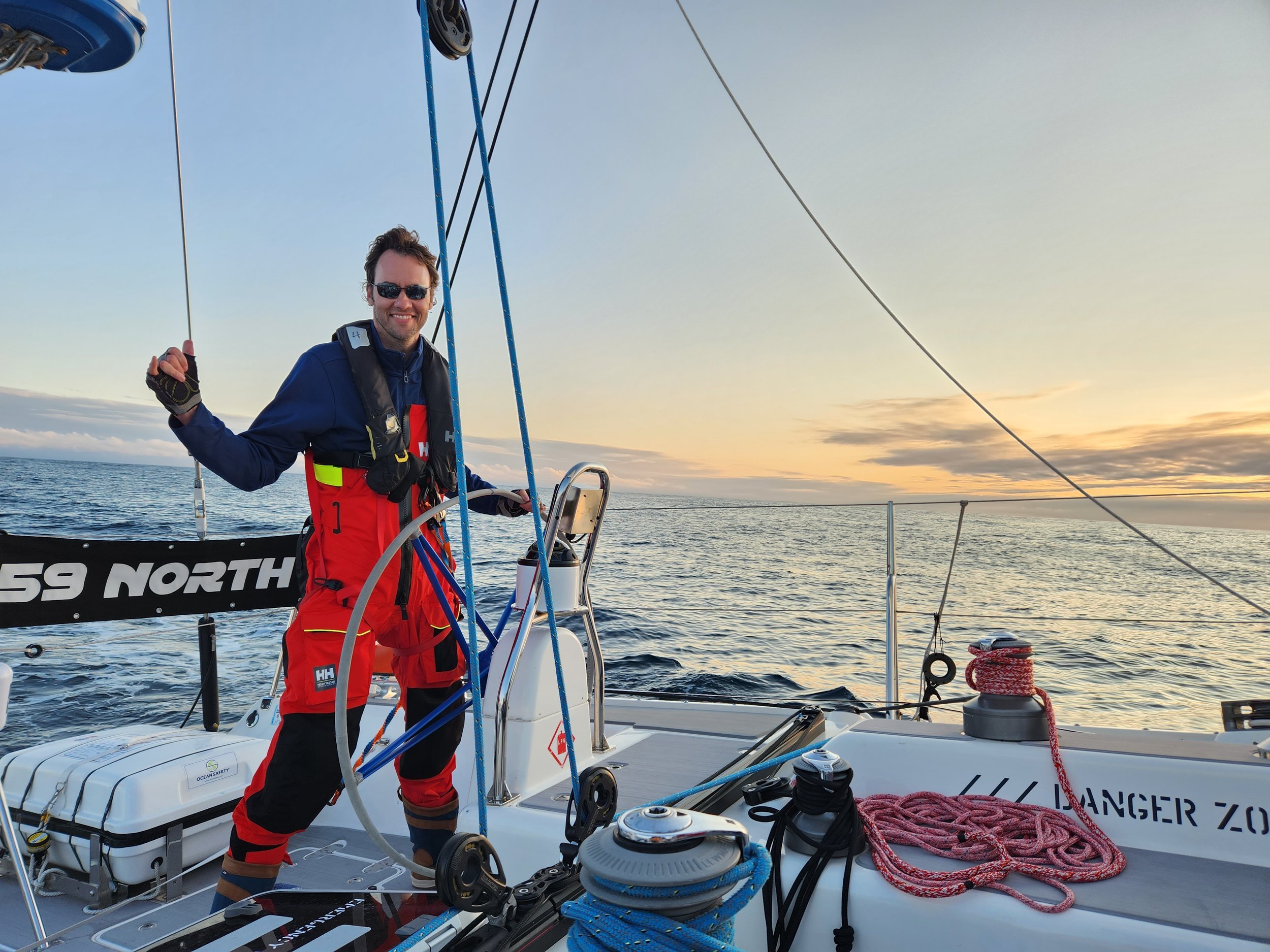
"59º North made my dream come true to cross an ocean via sailboat. Andy and Vilma taught me little lessons and big lessons of the sea, pushing me out of my comfort zone, which is exactly what I was hoping for. Thank you Andy and Mia for letting me, a rookie ocean sailor, live the experience of a lifetime and fueling future dreams. I hope to be crew on FALKEN once again and to keep learning."
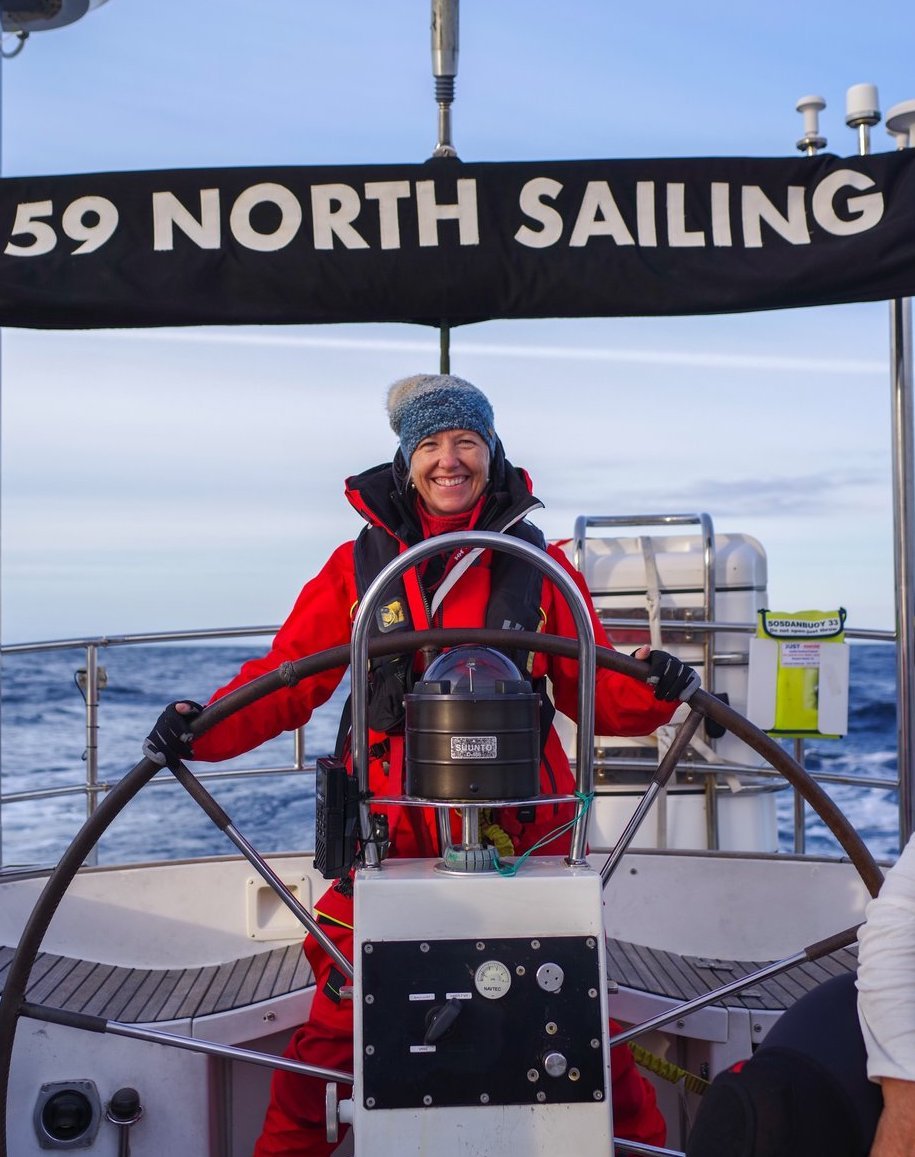
"The trip delivered on all my expectations and more. I wanted to experience sailing beyond my current boundaries, apply my skills, and learn from those around me. I felt able to embrace the whole experience because we had an excellent 59º North team that shaped us into a great crew on a well-prepared boat. If you are seeking ocean wisdom, you could not be in better hands."
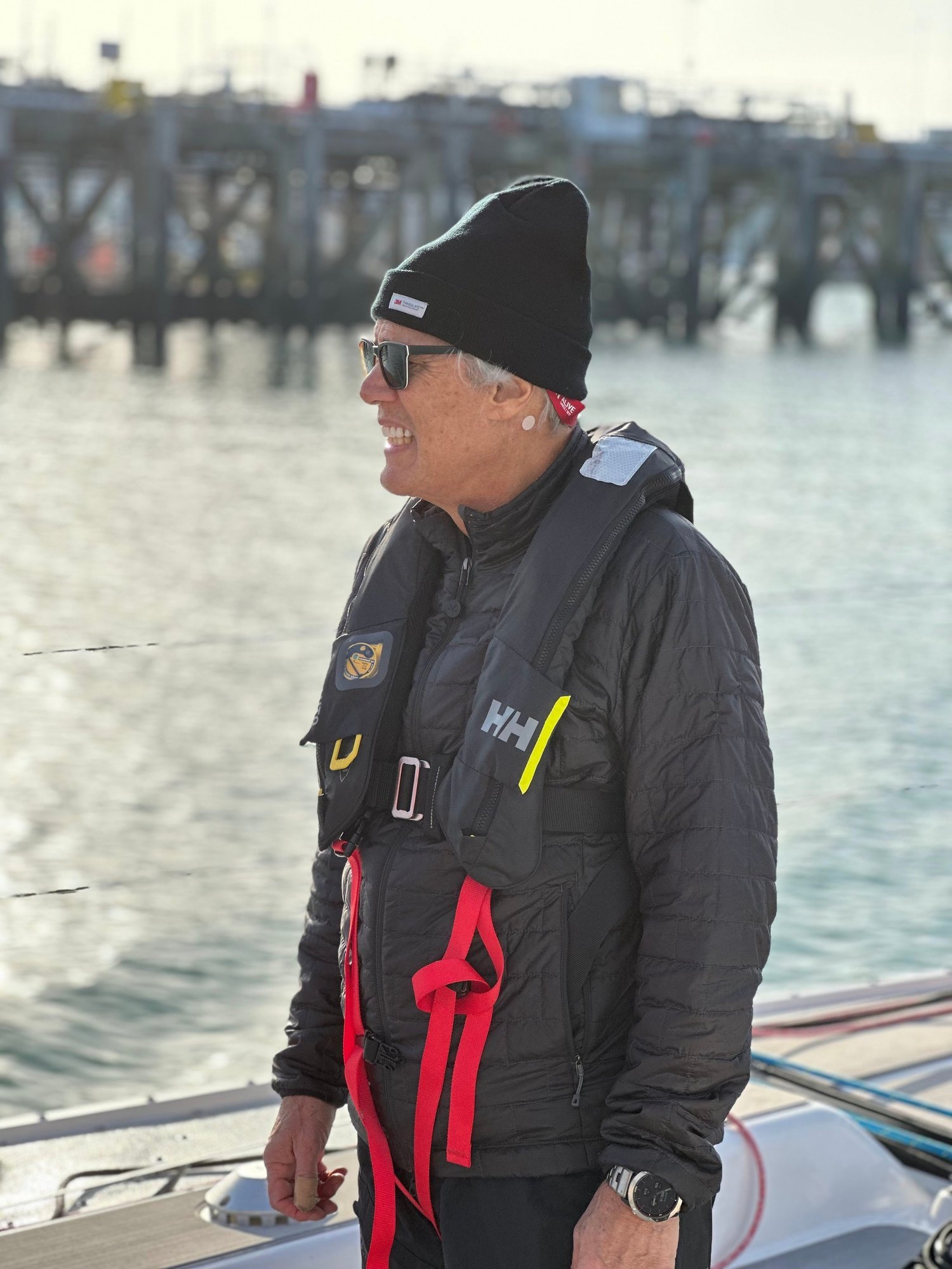
"It was an honor to be onboard FALKEN for her crewed maiden voyage. We sailed in challenging conditions on our 5-day romp in the English Channel, with the crew rising to the occasion inspired by our skipper, Nikki, and first mate, Alex. If you want to experience real-world offshore life under expert supervision with like-minded folks, look no further than 59º North."
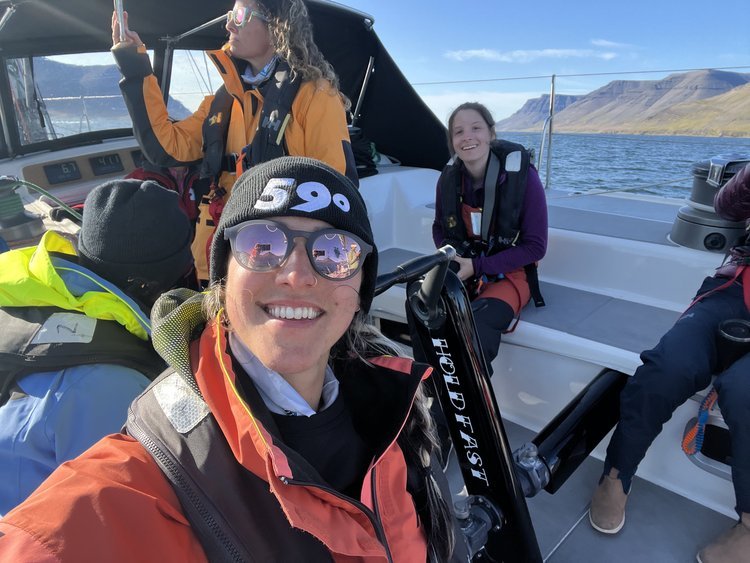
"Gathering with 10 other like-minded women aboard FALKEN was amazing! I learned more than I ever expected from Nikki and Emma. Being 'allowed' to mess up and actually learn from your mistakes without anyone getting stressed was freeing! I'd recommend this trip to any women with a desire to sail."

"This passage was literally my first time sailing. My goal was to get as far as possible from my daily life and desk-bound comfort zone, and Andy assured me I would be looked after. I could not have asked for a better skipper (thank you, Jon), better crew mates, or a more enjoyable passage. The expression 'life-changing experience' is thrown around too loosely, but this one was for me. I'll be forever grateful to 59º North for this opportunity and I hope to sail with them again soon."
THE BOAT

S&S Swan 48
'
ISBJØRN
'
🇳🇴
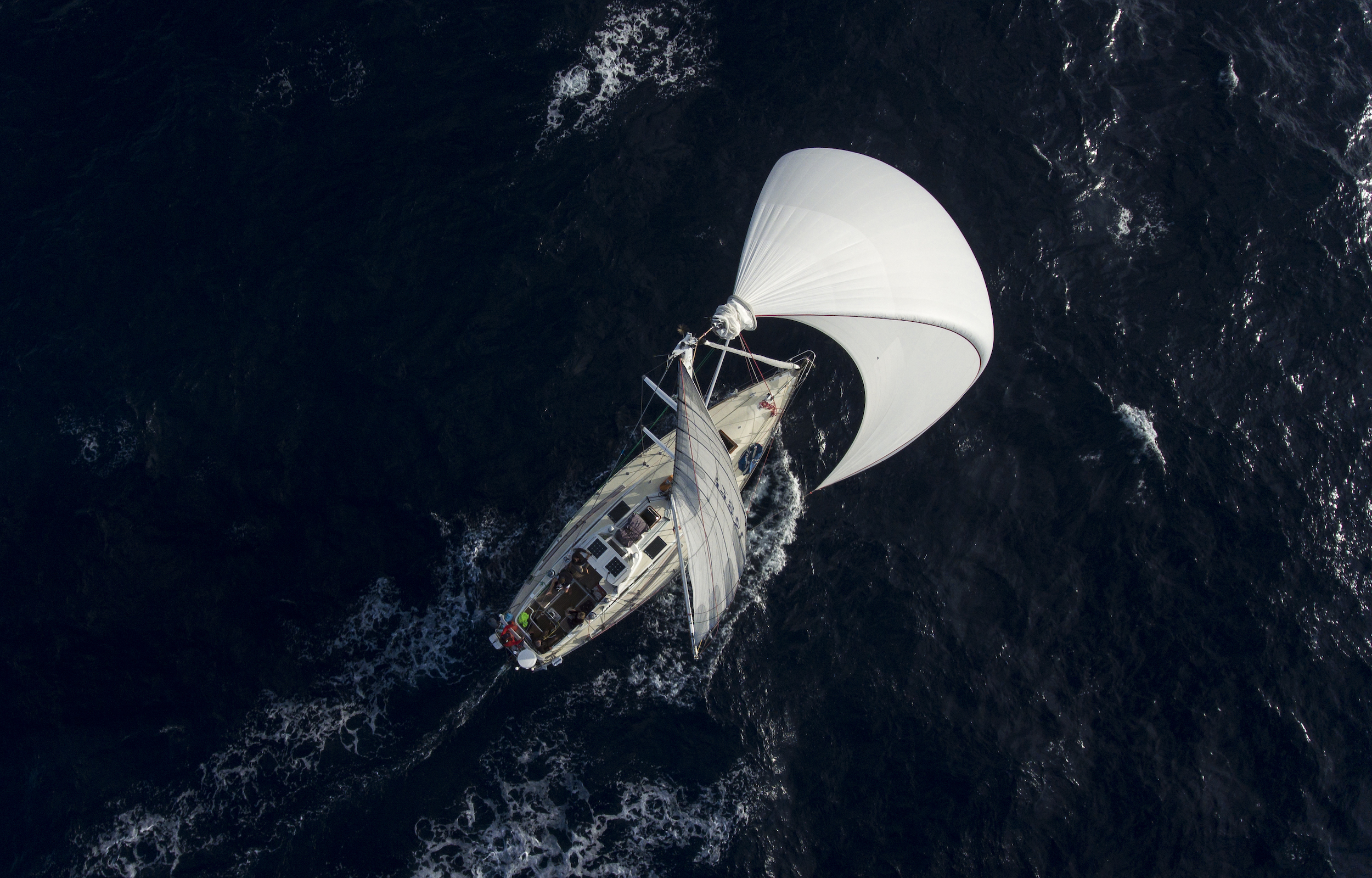
ISBJØRN is the "OG" 59º North boat, the classic S&S Swan 48 that we started the business with back in 2015. She's considered an all-time great ocean cruising boat - built like a tank in Finland to the highest standards and with a modern but conservative hull shape making for fast & comfortable passages offshore in any weather. ISBJØRN sails with 5 crew plus a Skipper, and each person has their own dedicated sea berth & storage locker.
packing lists & notes
Packing Notes
Start here when planning your packing for sailing with 59º North. This list includes the general basics for all of our passages. The passage-specific packing lists offer more details.
Cold | Chilly Packing List
Weather-wise, expect chilly to cold conditions (not Arctic-level cold, but cold enough to need boots, hats & gloves, especially at night). On sunny, calmer days, it might be warm enough for shorts and t-shirts, so on these types of trips you kinda need one of everything! Check the packing list for specific details.