2026-4 | ISBJORN | Bergen - Fair Isle - Faroe Islands
(Note that we offer a % discount if you pay by cash/bank transfer.)
Join ISBJØRN in her home port of Bergen, Norway, for a spring crossing of the North Sea! We’ll start the journey in the heart of the city, and set sail westward for the gorgeous islands of the Norwegian Sea, just like the Vikings did a thousand years ago. With a fast boat and plenty of time, we’ll have some great cruising options for our passage. Depending on weather strategy, we’ll add a stop in the Orkney’s, the Shetland Islands, or even the Hebrides. And if conditions allow, we’ll go for the connoisseur’s choice: Fair Isle. We’ll continue on north and westwards until enormous cliffs rise out of the ocean, swaddled by waterfalls and puffins. Welcome to the mystical Faroe Islands.
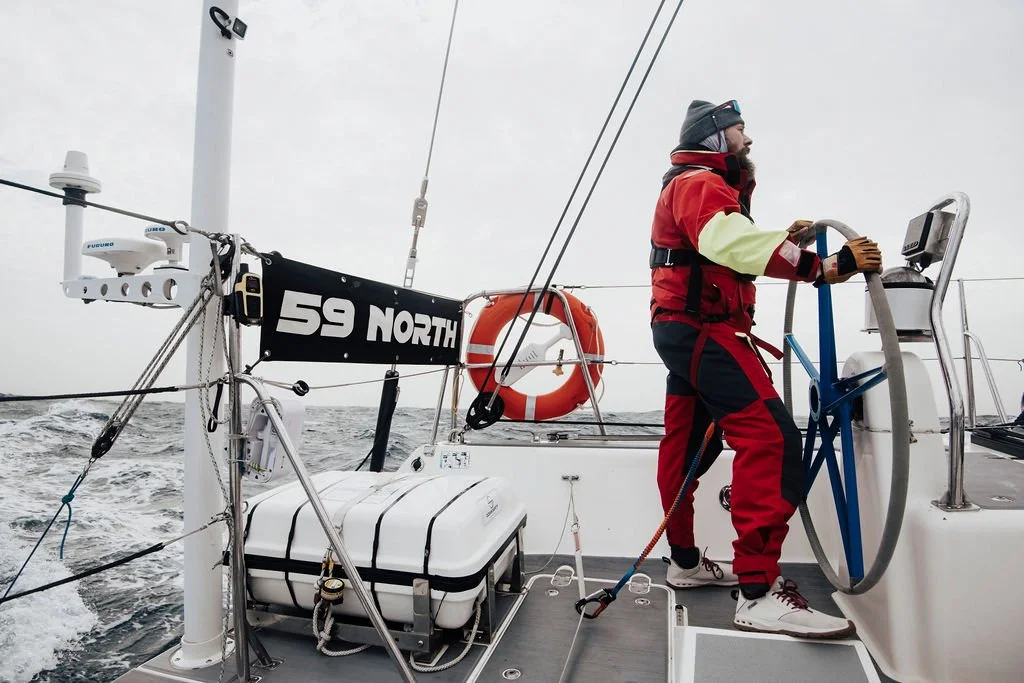
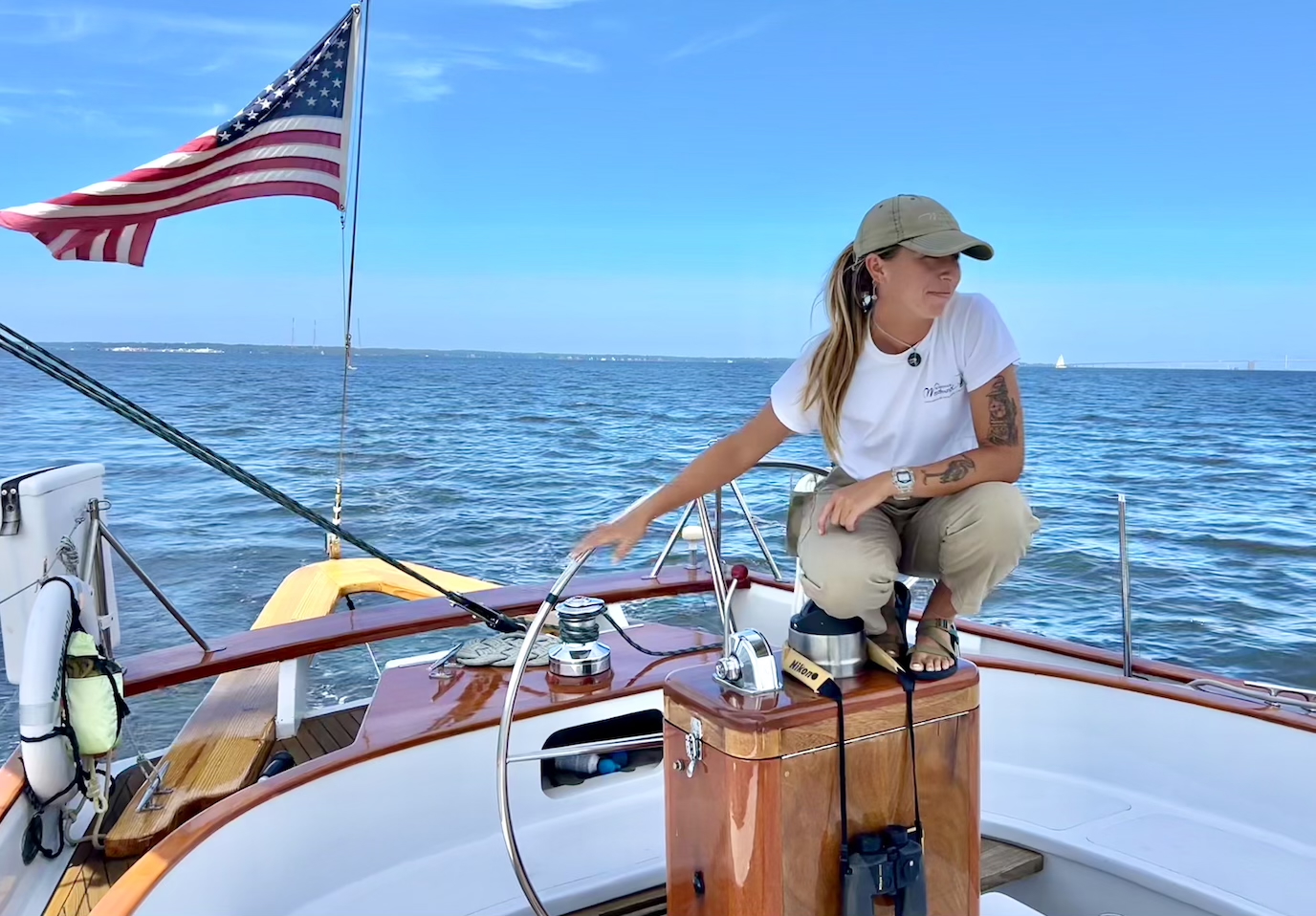
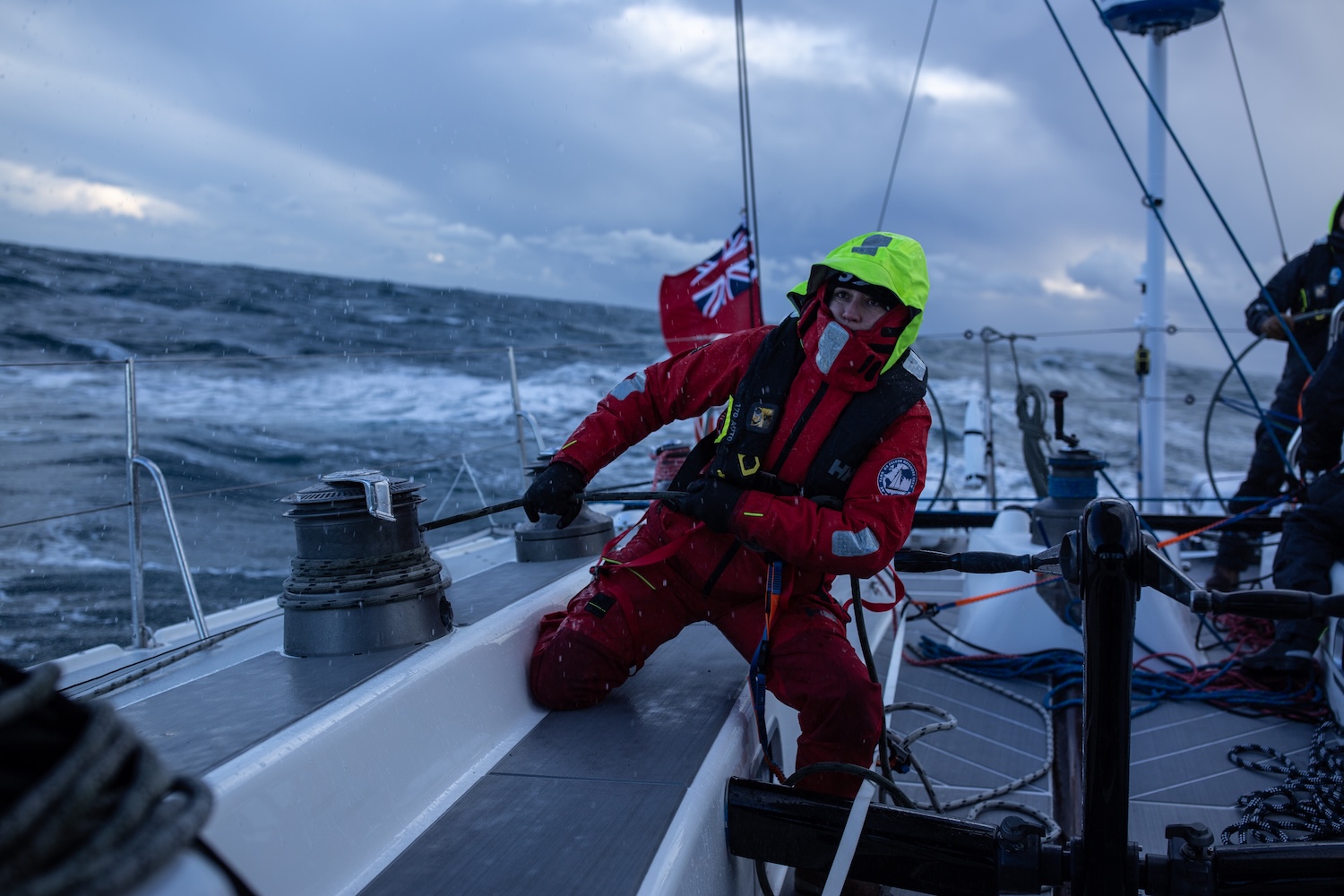
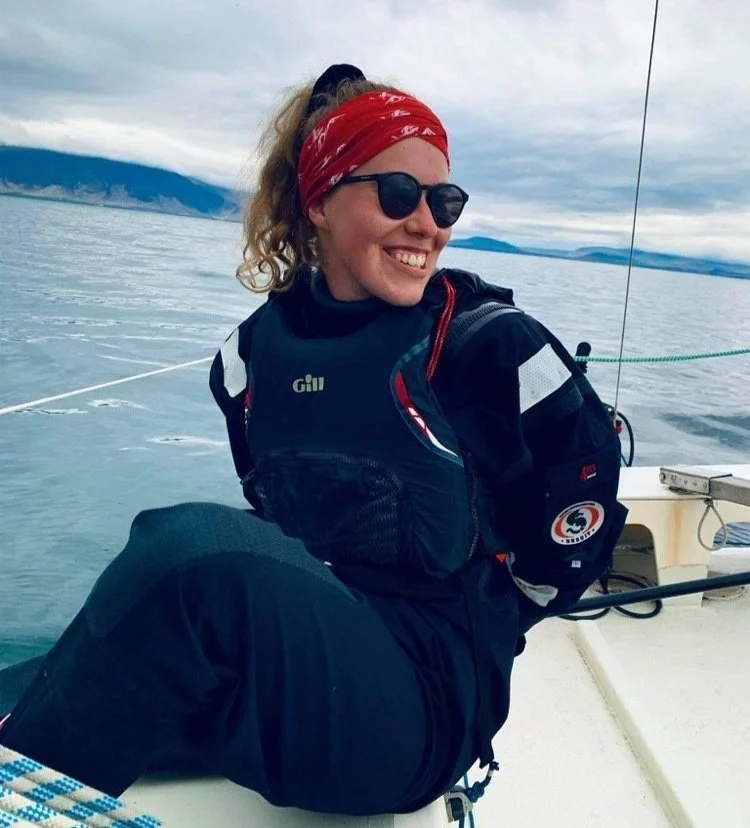
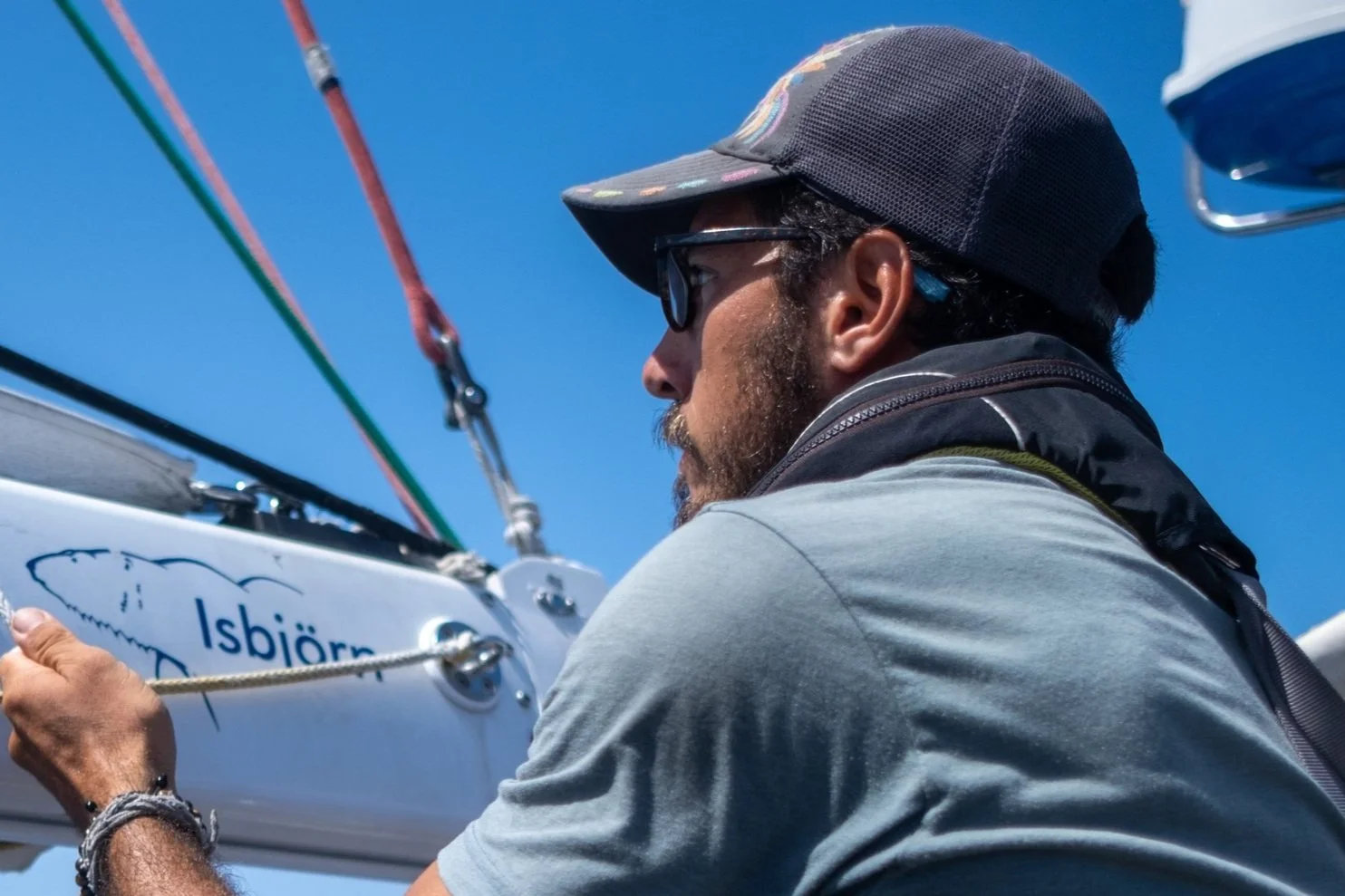
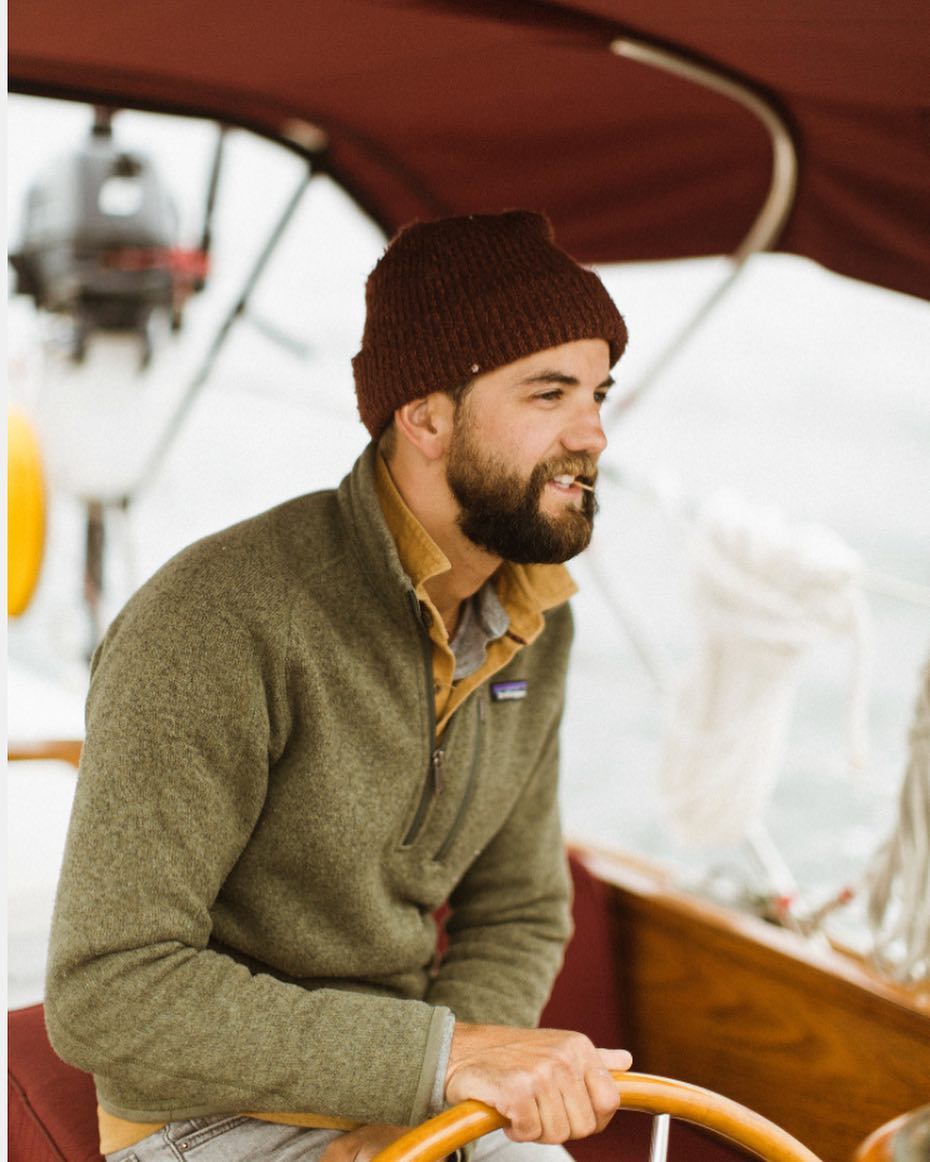
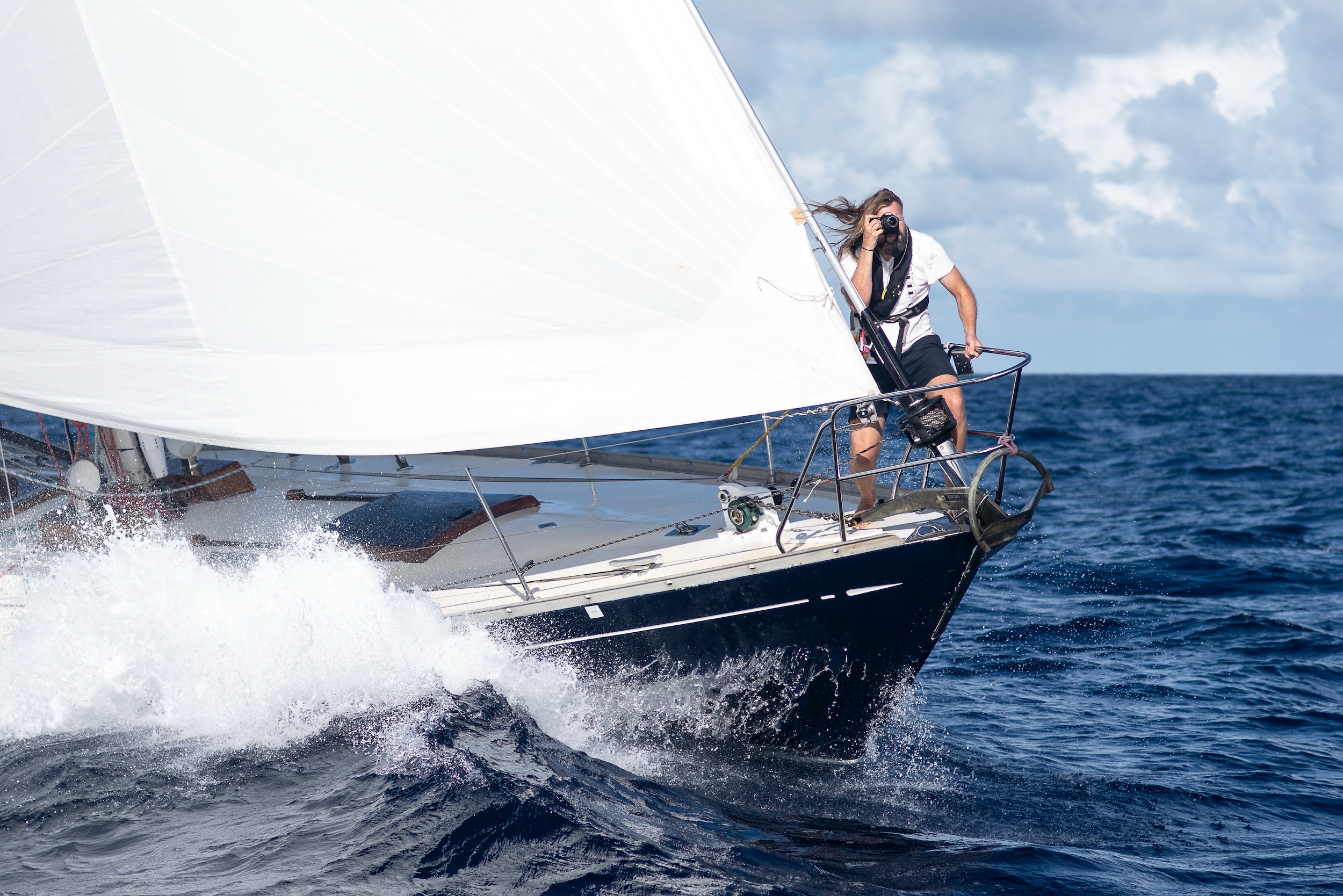
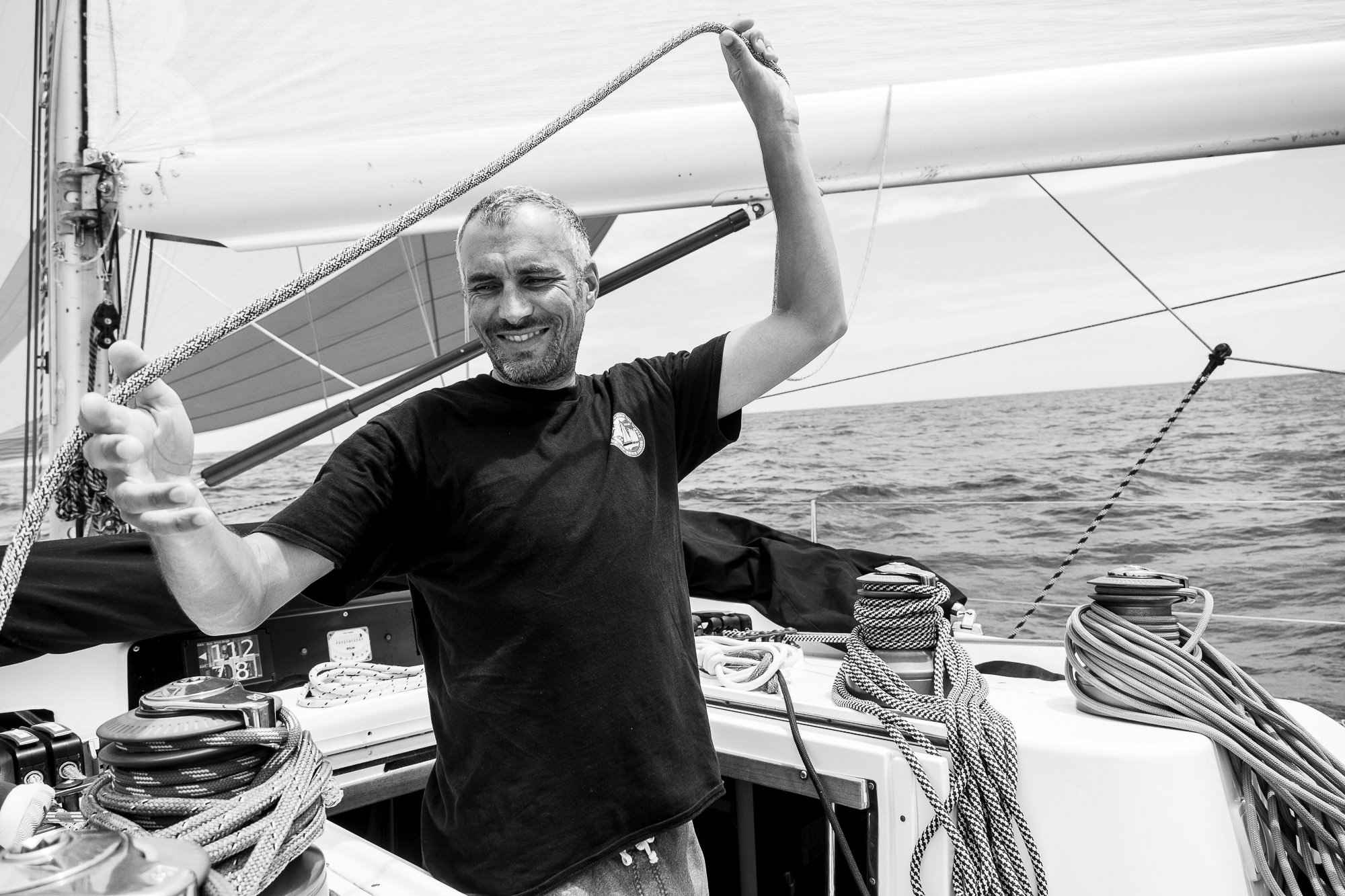
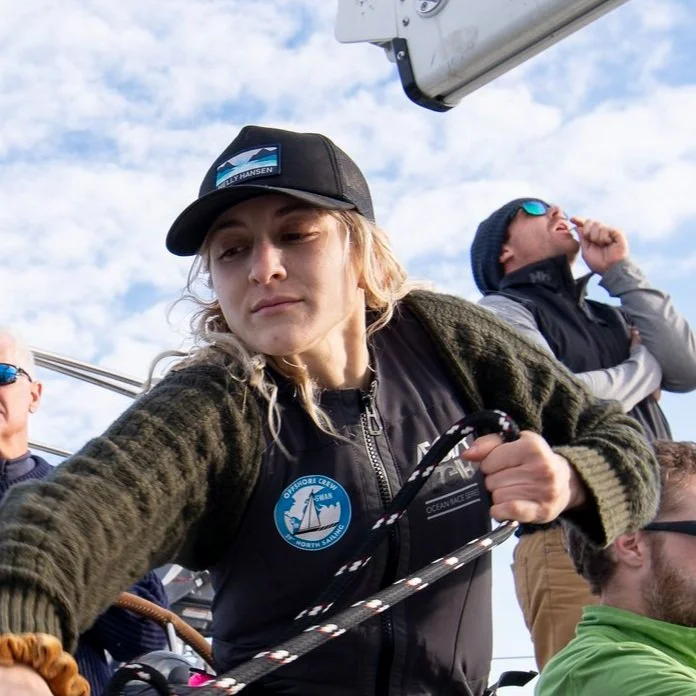
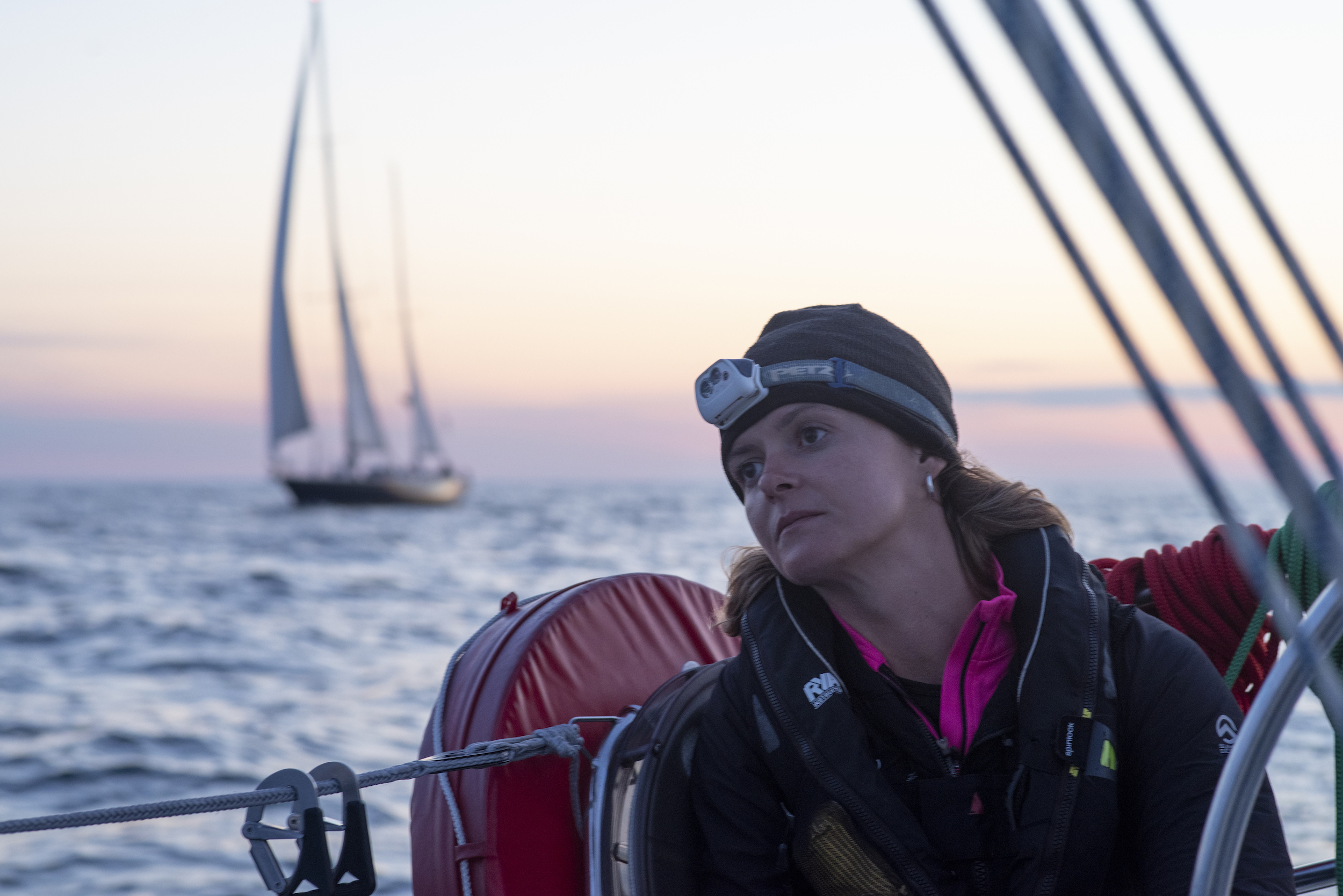
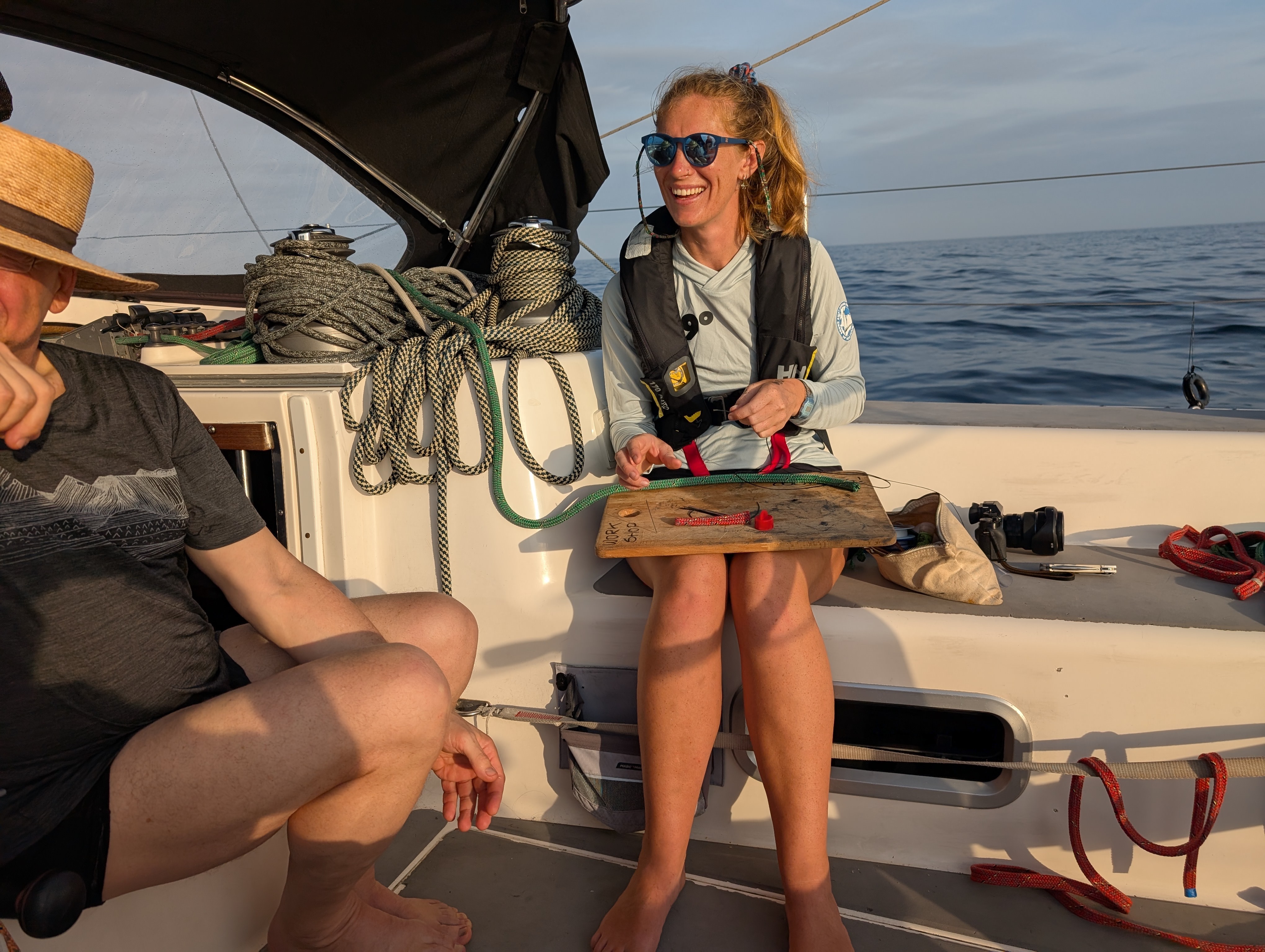
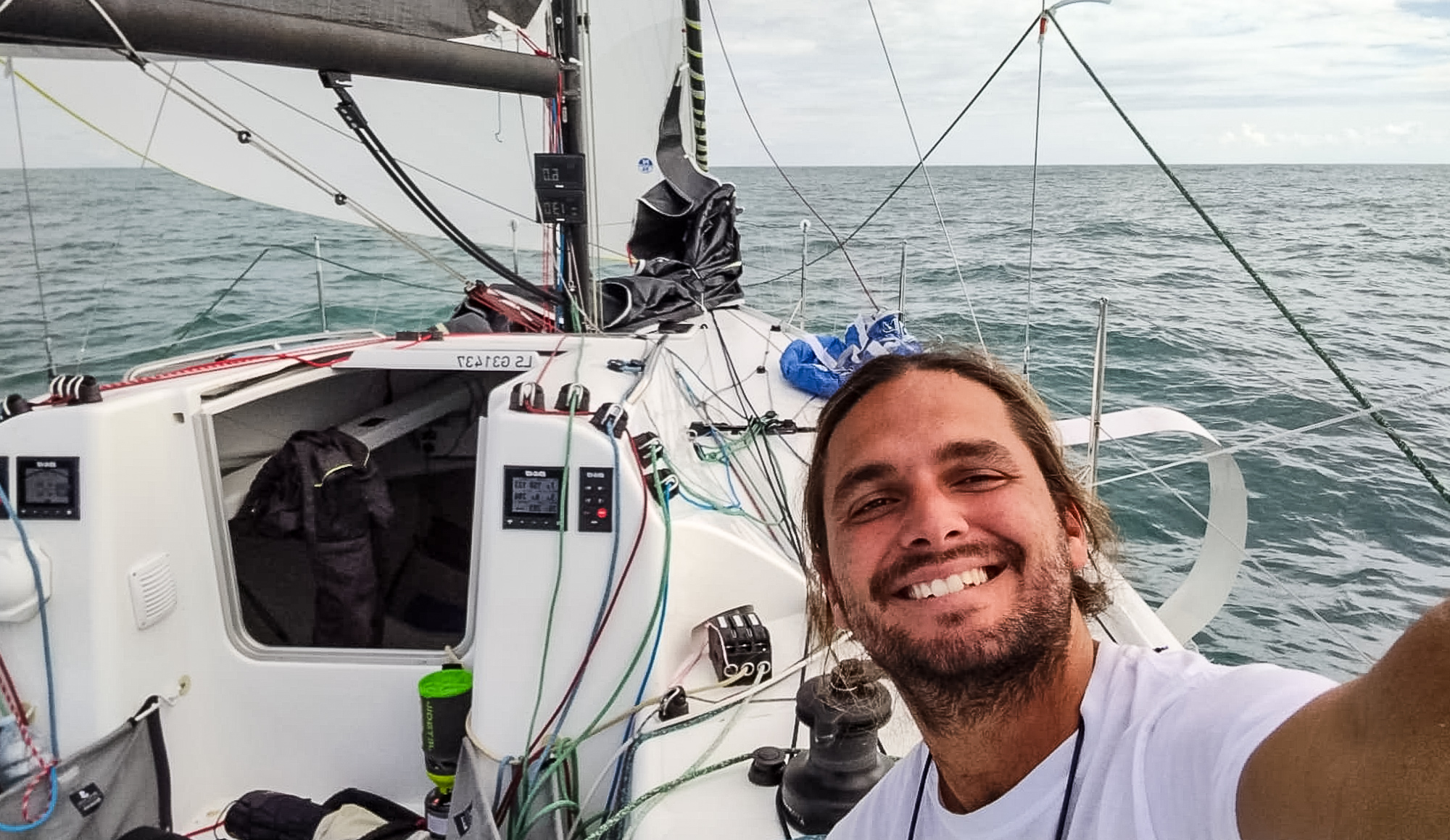
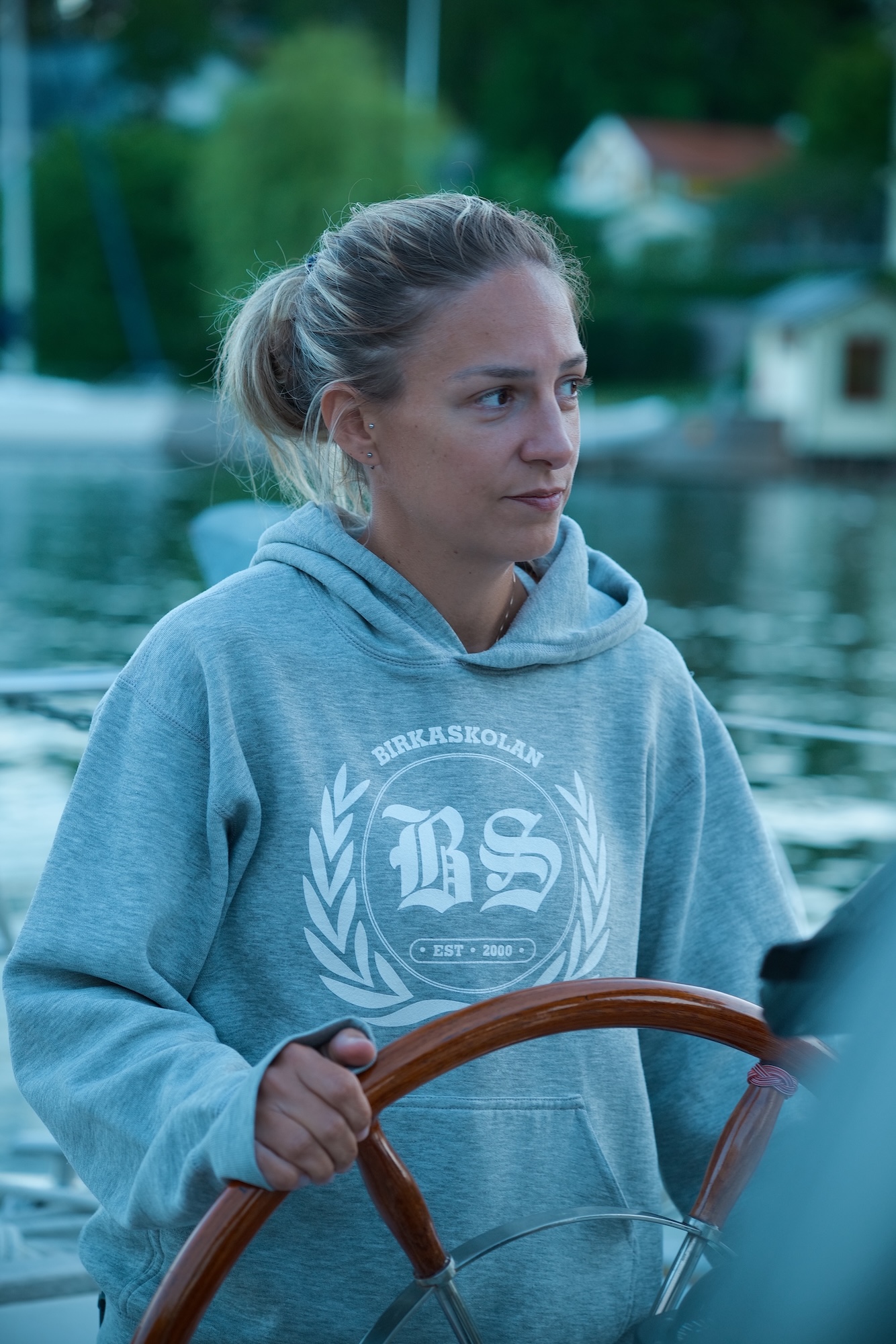
SAILING STAFF

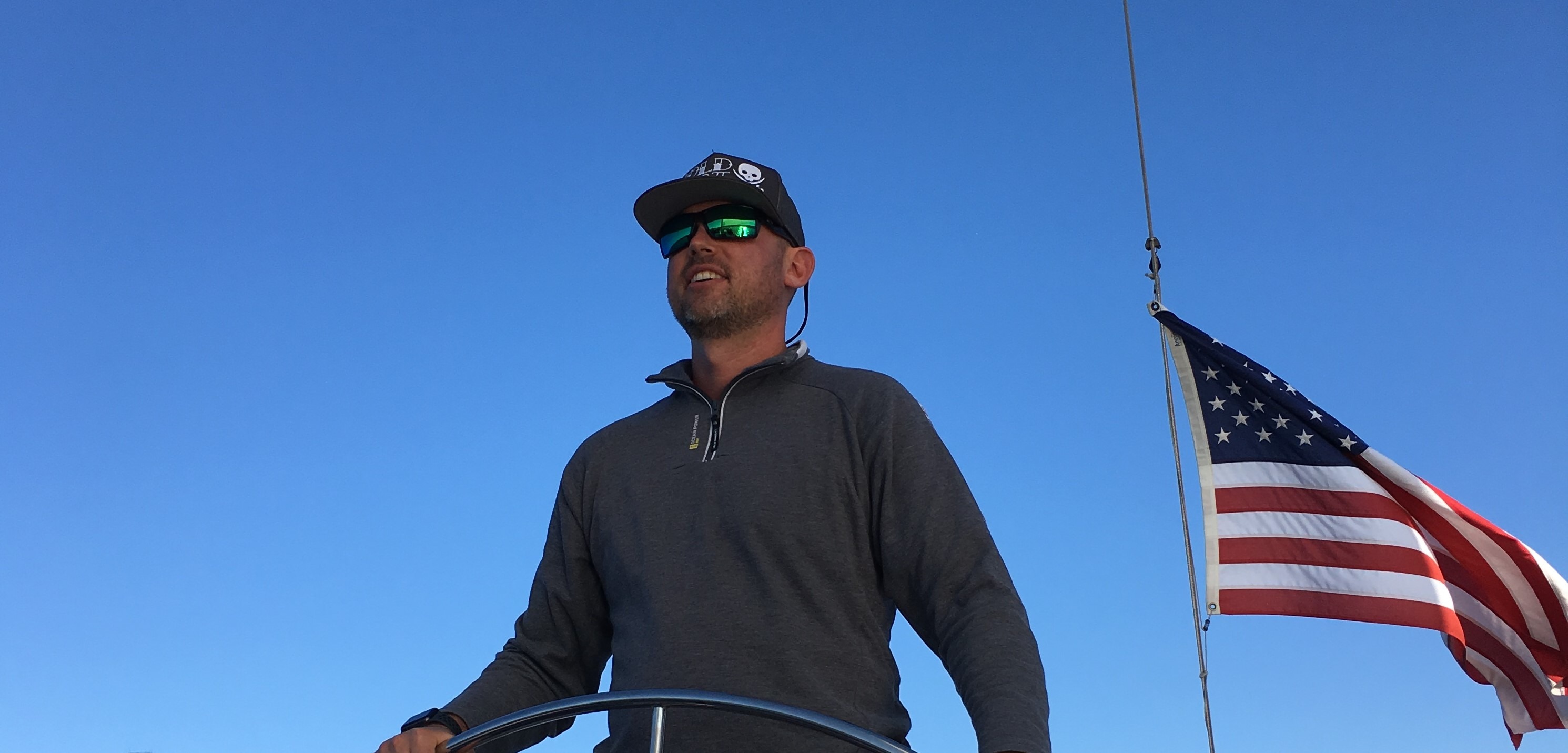
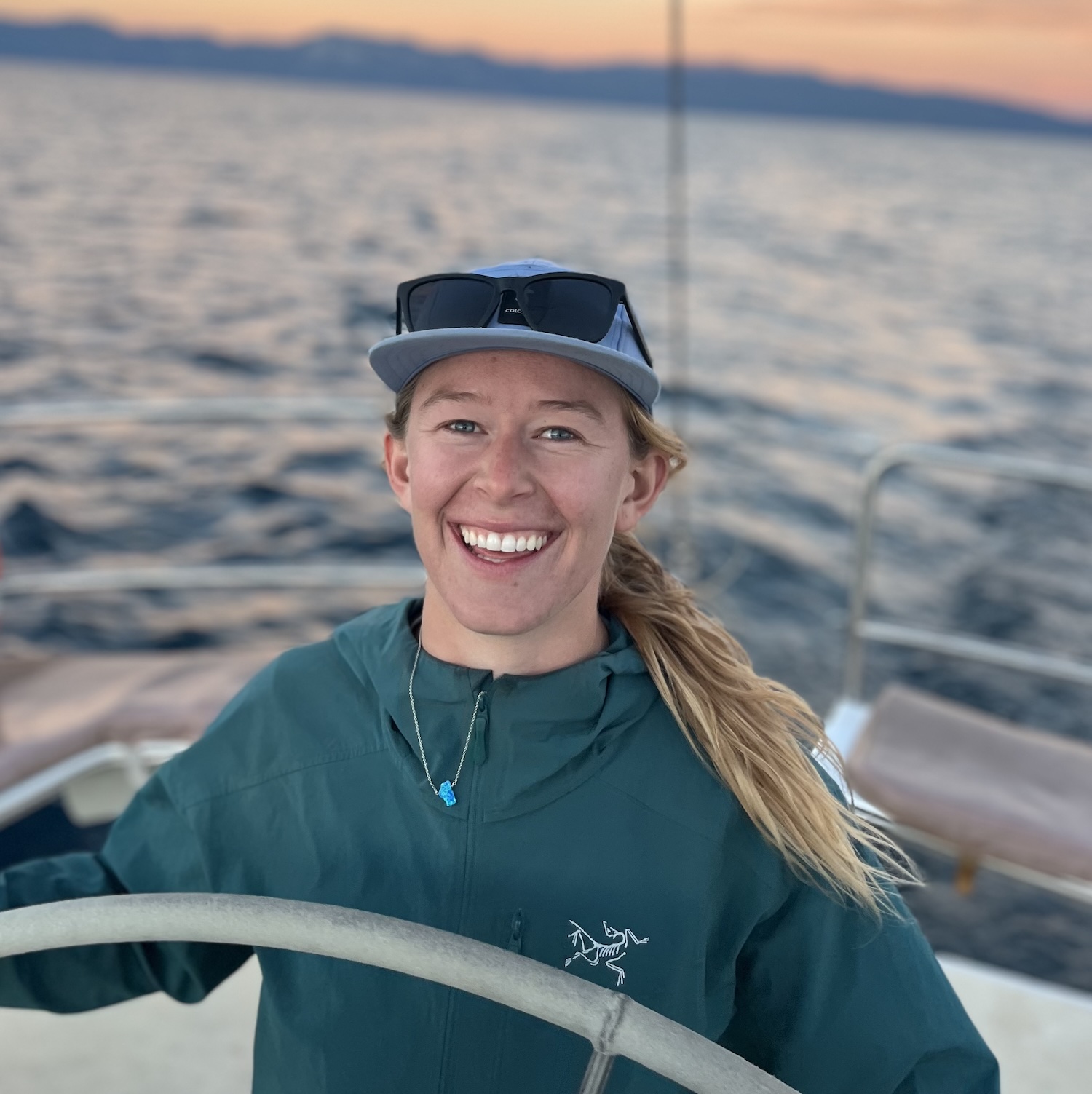

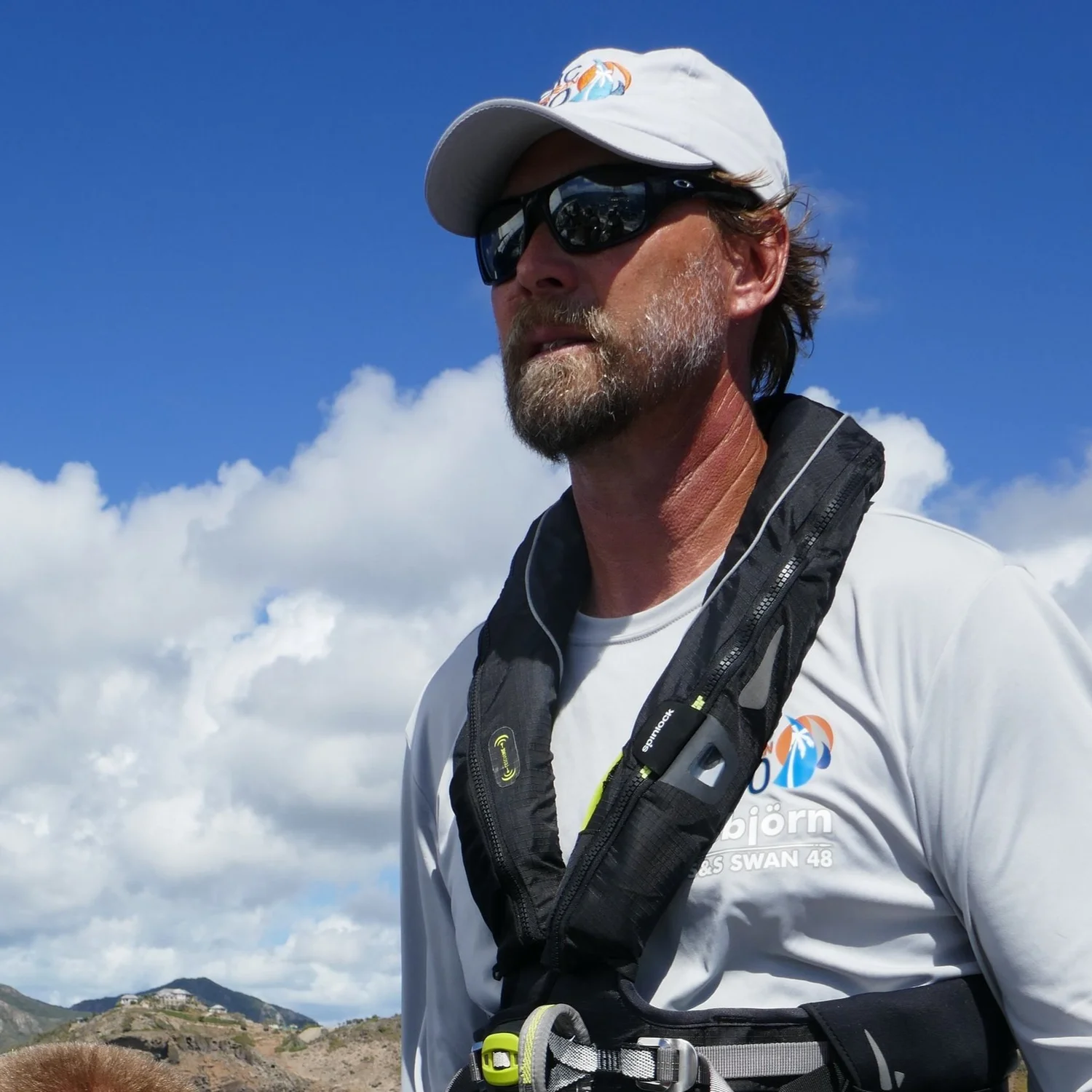
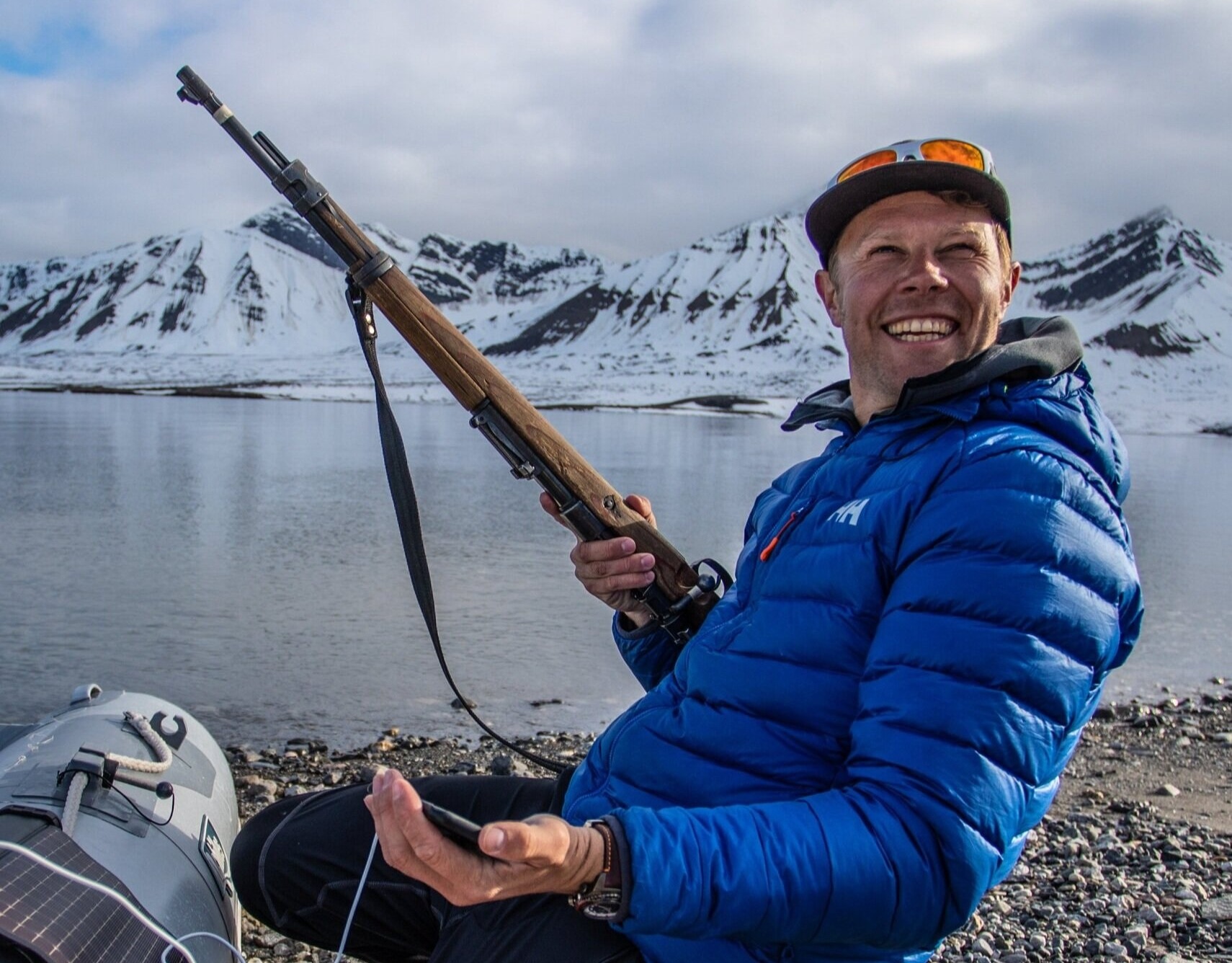
.jpeg)

The Passage
Rough itinerary
All 59º North passages are very much subject to weather. We pick our routes based on the "correct" time of year to be sailing in the different regions we visit, and we always build-in enough time to give us some margin for weather windows. The skipper has final say on departure dates and weather windows, but generally speaking, the intinerary for this passage will look like this:
July 10, 2026
Crew arrive to ISBJØRN at 13.00 in Bergen, Norway. ISBJØRN orientation followed by crew dinner. All crew stay onboard ISBJØRN.
Prep Days
Between the joining and departure dates, all pre-passage preparation, provisioning, and safety briefings will be completed. The specific pre-departure schedule will be outlined and posted onboard ISBJØRN by the skipper.
July 12, 2026
Scheduled departure, weather dependent.
July 21, 2026
Latest date (12:00 noon) for crew to depart ISBJØRN from Torshavn, Faroe Islands.
PASSAGE DETAILS
Join ISBJORN in Bergen, either downtown or at her summer berth just north of town (easy access via public bus or taxi). We’ll cross the North Sea and sailing past some amazing places, Shetland, Fair Isle and the Orkney Islands are all possible stopovers if the weather and / or timing allow. The trip ends in Tórshavn, Faroe Island. It’s a small town and ISBJORN will be docked in the main harbor.
TRAVEL LOGISTICS
Bergen
Torshavn
Weather conditions
Expect a cool, fresh passage across the open North Atlantic—likely breezy with a lively sea state and the typical North Sea mix of sun, cloud, and passing showers, so be ready for spirited sailing and dress warm.
In-depth analysis, by WRI

WHY 59º NORTH?
ambitious sailing schedule
The best boats
WOMEN BUNKS GUARANTEED
Professional, well-paid staff
knowledge & community
Why it costs what it costs...

"I truly enjoyed the entire experience. I went to gain confidence and understanding of offshore sailing, build my skills as a sailor, and have fun—this trip did not disappoint. Our captain, Paul Exner, had a relaxed and friendly coaching style, walking us through decision points and sharing his thought process, which was invaluable. I loved sailing on ISBJØRN; my only regret was that the trip had to end. Thanks to 59º North for such a dynamic experience!"

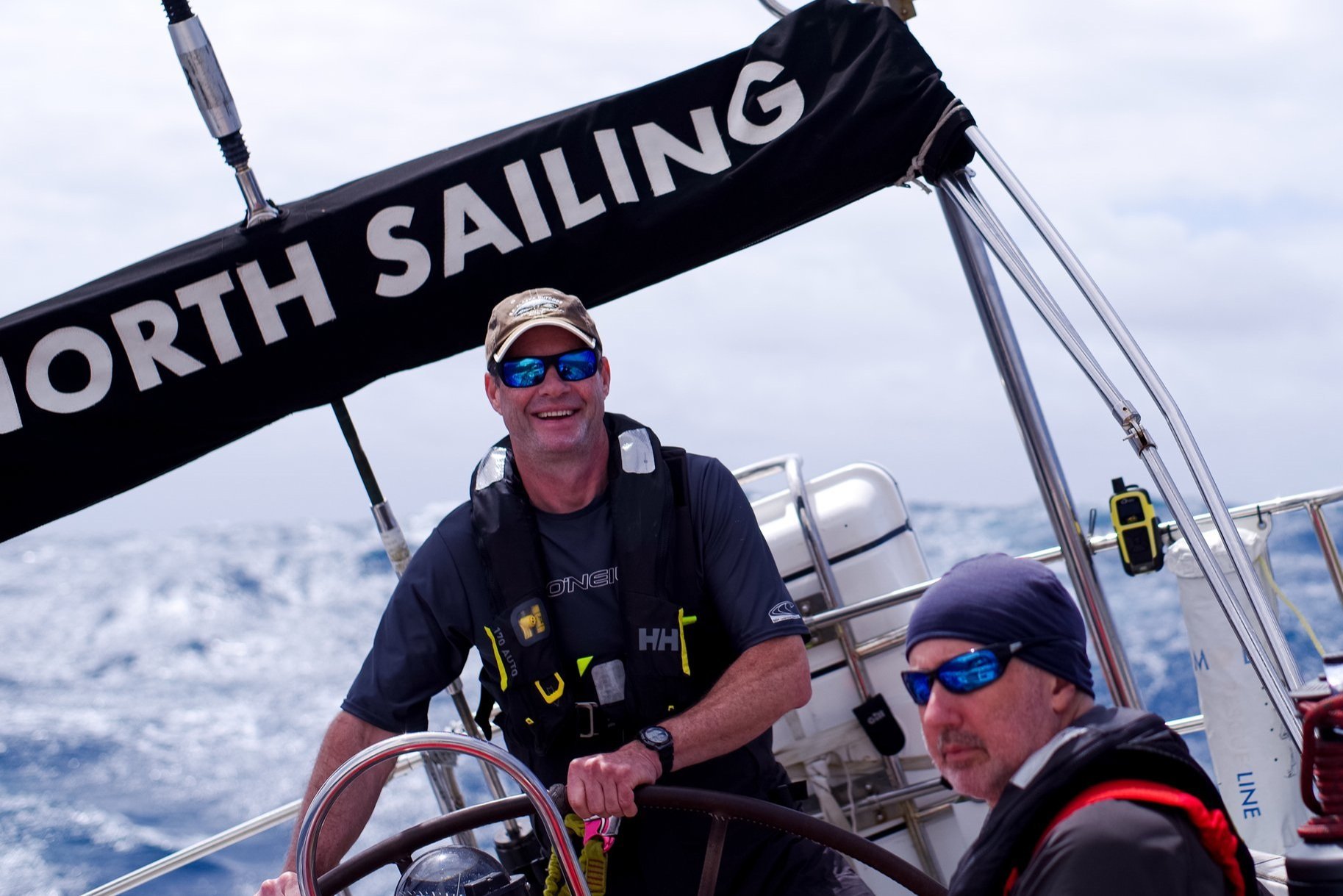
"Before 59º North I didn't know my bowsprit from my binnacle and suffered from low sailing esteem. After two weeks of 59º North, what a difference! As a longtime podcast listener, I arrived for my Bermuda to Horta transatlantic with high expectations, and they were all not just met but exceeded. I could not imagine a skipper and mate more professional and enthusiastic than Andy and Emma."
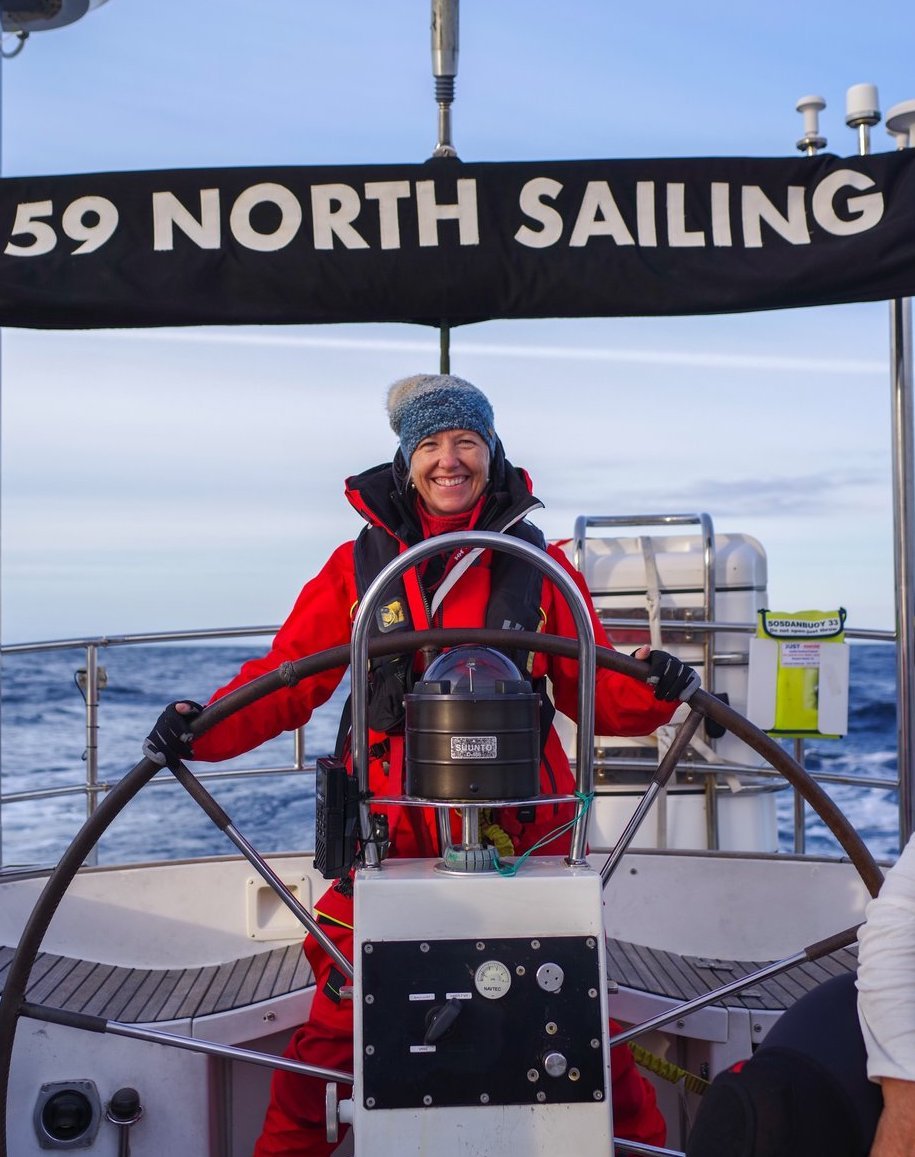
"The trip delivered on all my expectations and more. I wanted to experience sailing beyond my current boundaries, apply my skills, and learn from those around me. I felt able to embrace the whole experience because we had an excellent 59º North team that shaped us into a great crew on a well-prepared boat. If you are seeking ocean wisdom, you could not be in better hands."

"This trip across the North Sea from Bergen (Norway) to Oban (Scotland) was awesome! It offered hands-on learning about navigation, lots of sail handling, and a wide range of weather, wind (up to 35 knots!), and sailing conditions. Jon Amtrup is a highly experienced skipper—and he helped me fill in the gaps!"

"I signed up for this passage hoping to spend an extended period offshore, learn new skills, increase my competencies and confidence, and sail with amazing crew mates—and this passage completely exceeded my expectations. The 59º North team brings impressive skill, experience, wisdom, and fun to each passage and crew, which is a huge part of why I returned for this second passage in twelve months. I recommend 59º North to all of my sailing friends who want to learn about offshore passage-making in a thorough and hands-on way from true professionals."
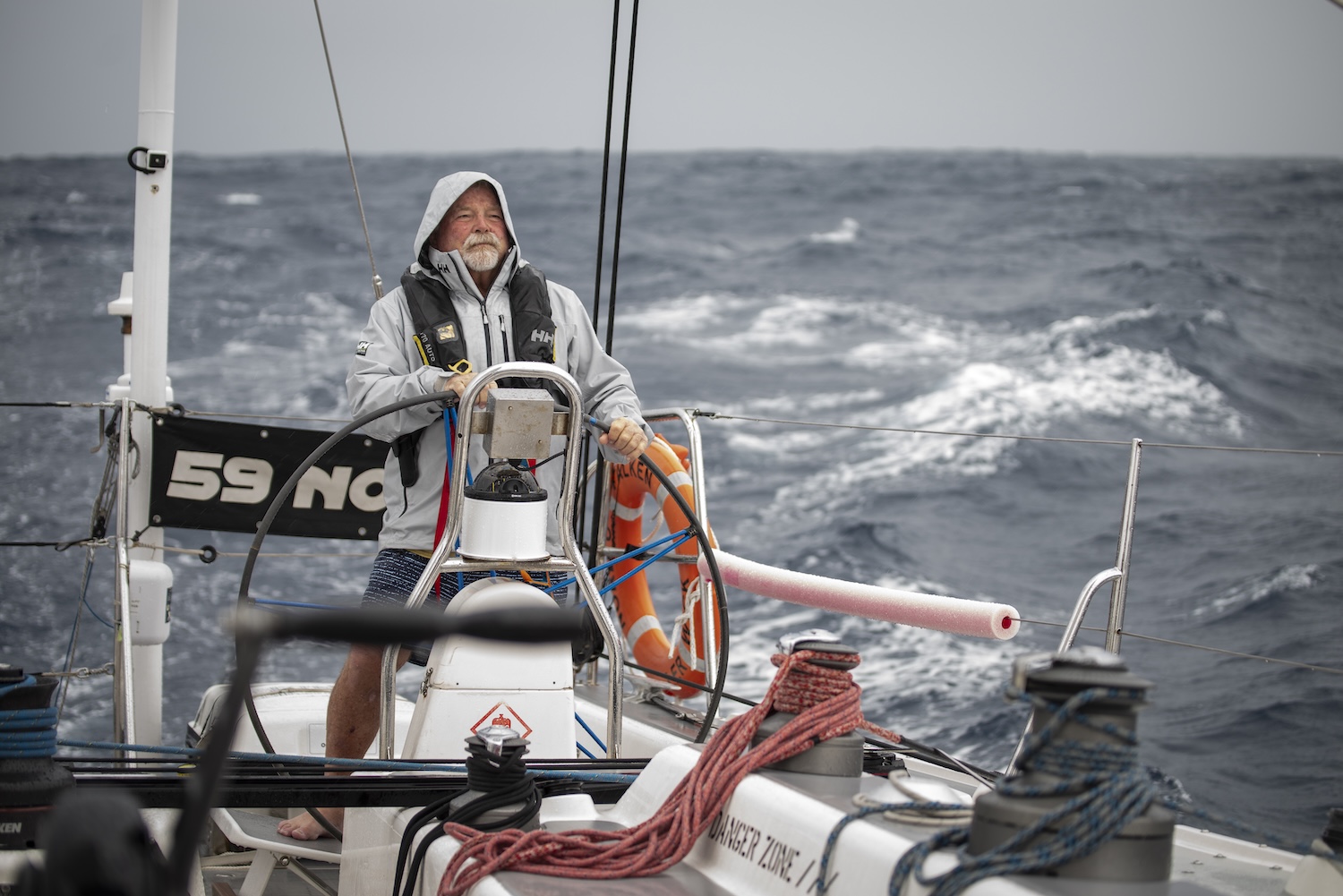
"I'm AKA Andy’s Dad, so my opinion of the skipper may be slanted a bit. I admit to being wrong on my initial reaction to FALKEN—at first sight she seemed like a hard-to-handle race boat, but she is easy to handle and shrinks once you get used to her. The refit work done below is flawless, with comfortable bunks, a spacious galley, and plenty of storage. A trip with 59º North on any of their boats is truly a life-changing experience. Highly recommended!"
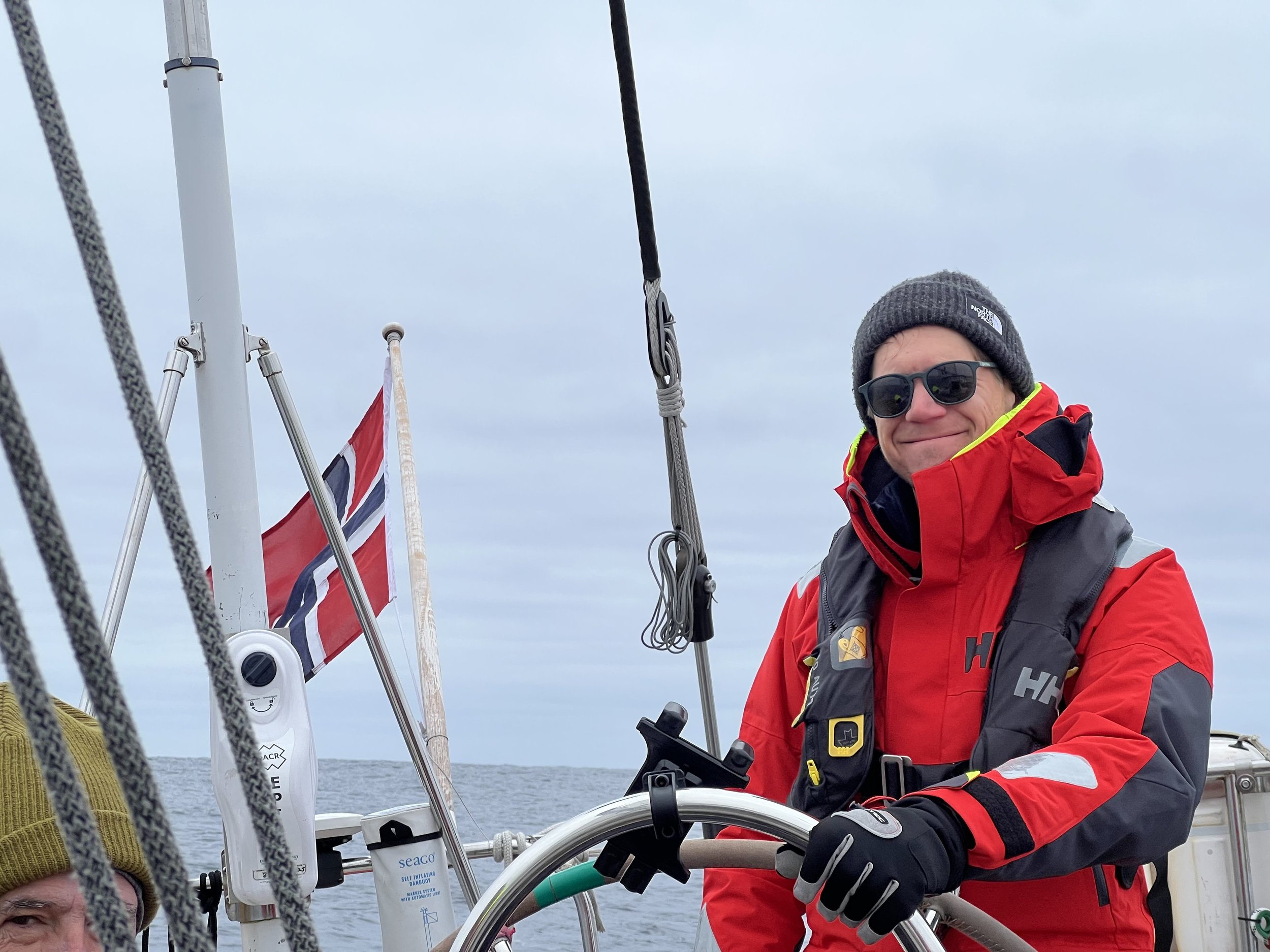
"This passage was literally my first time sailing. My goal was to get as far as possible from my daily life and desk-bound comfort zone, and Andy assured me I would be looked after. I could not have asked for a better skipper (thank you, Jon), better crew mates, or a more enjoyable passage. I'll be forever grateful to 59º North for this opportunity, and I hope to sail with them again soon."
THE BOAT
S&S Swan 48
'
ISBJØRN
'
🇳🇴
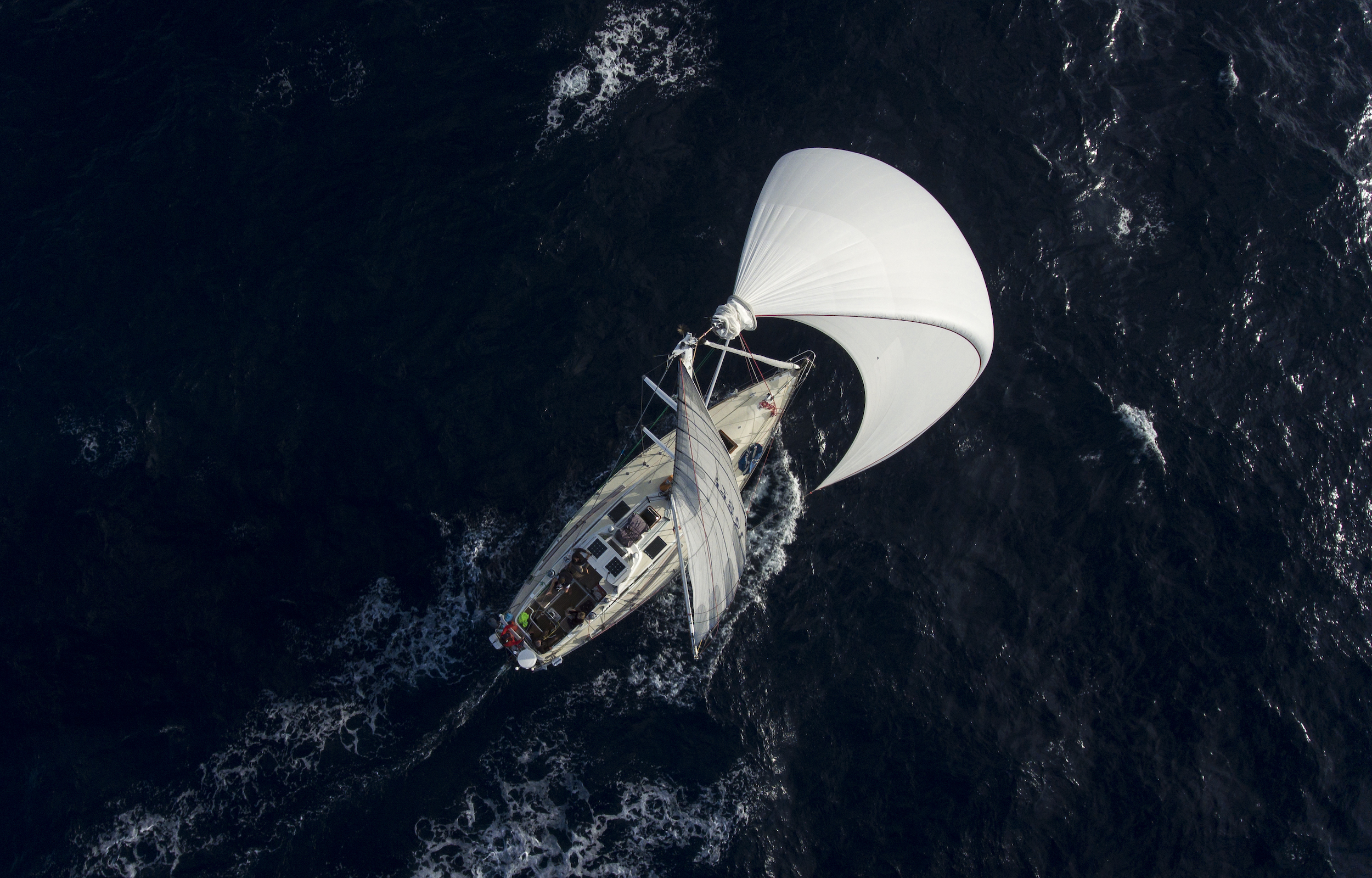
ISBJØRN is the "OG" 59º North boat, the classic S&S Swan 48 that we started the business with back in 2015. She's considered an all-time great ocean cruising boat - built like a tank in Finland to the highest standards and with a modern but conservative hull shape making for fast & comfortable passages offshore in any weather. ISBJØRN sails with 5 crew plus a Skipper, and each person has their own dedicated sea berth & storage locker.
packing lists & notes
Packing Notes
Start here when planning your packing for sailing with 59º North. This list includes the general basics for all of our passages. The passage-specific packing lists offer more details.
Cold | Warm Packing List
This will be a "transitional" passage, either starting in warmer climes and increasing in latitude until it's significantly cooler, or vice versa. Another one of those trips where you'll need to pack one of everything for changing conditions. See the packing list for specifics.