2026-7 | ISBJORN | Stornoway - GGR START
(Note that we offer a % discount if you pay by cash/bank transfer.)
Stornoway is just as epic as it sounds, and the perfect place to start any sailing adventure. And, it is right in the middle of the gorgeous Scottish Hebrides! A cockpit game of I-Spy might feature words like “castle”, “whale”, “distillery” and “puffin”, as we make our way south through the islands. Then, we'll have a tough weather decision—either to tackle the Irish Sea or make a right turn around the west coast of Ireland. The end port is Les Sables-d’Olonne, France, where the start of the Golden Globe Race is just a few days away! Sail in through the famous harbor entrance, and enjoy the spectacle of the GGR race village before giving the fleet a proper send off as they leave to circumnavigate the globe.
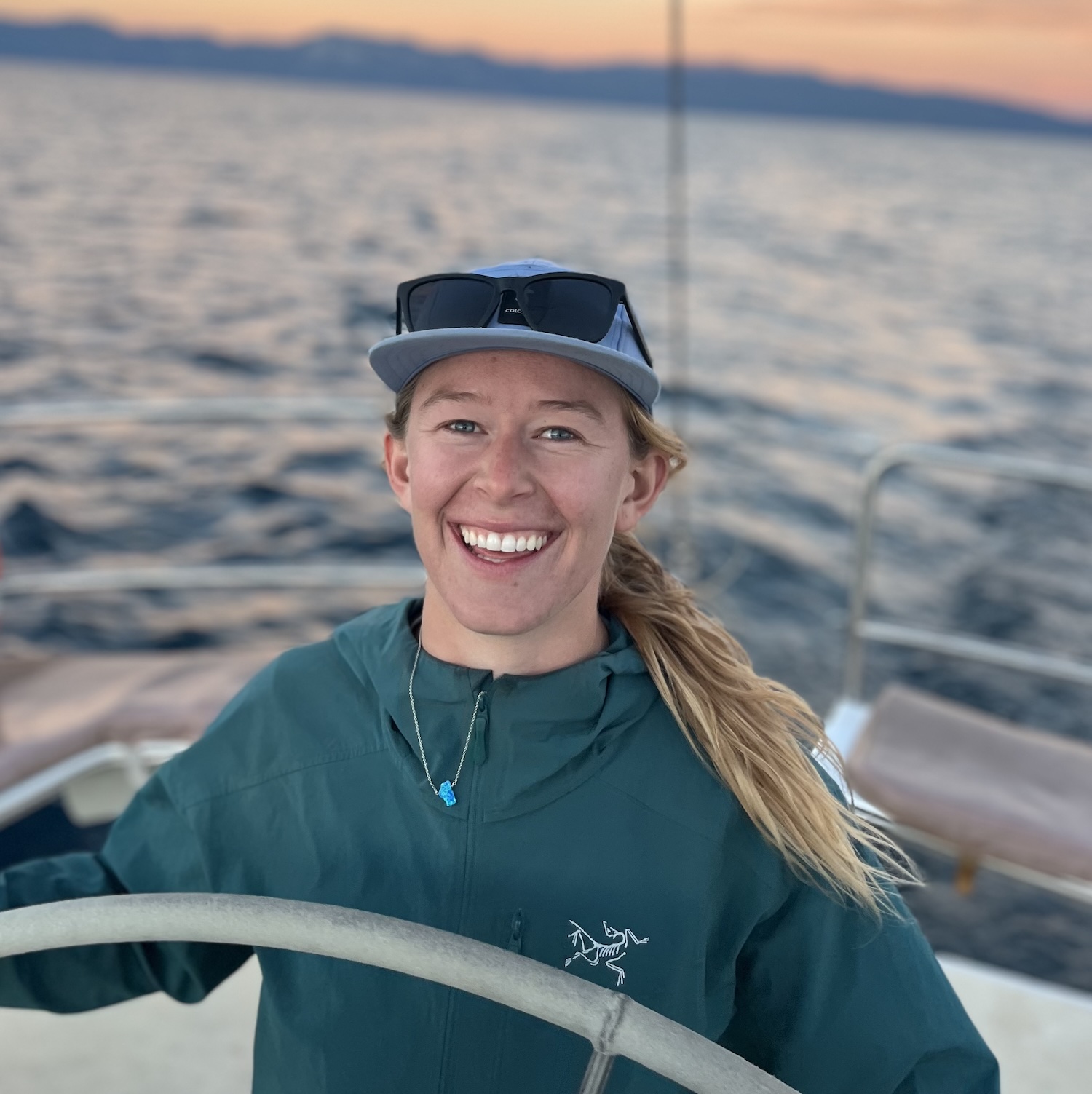
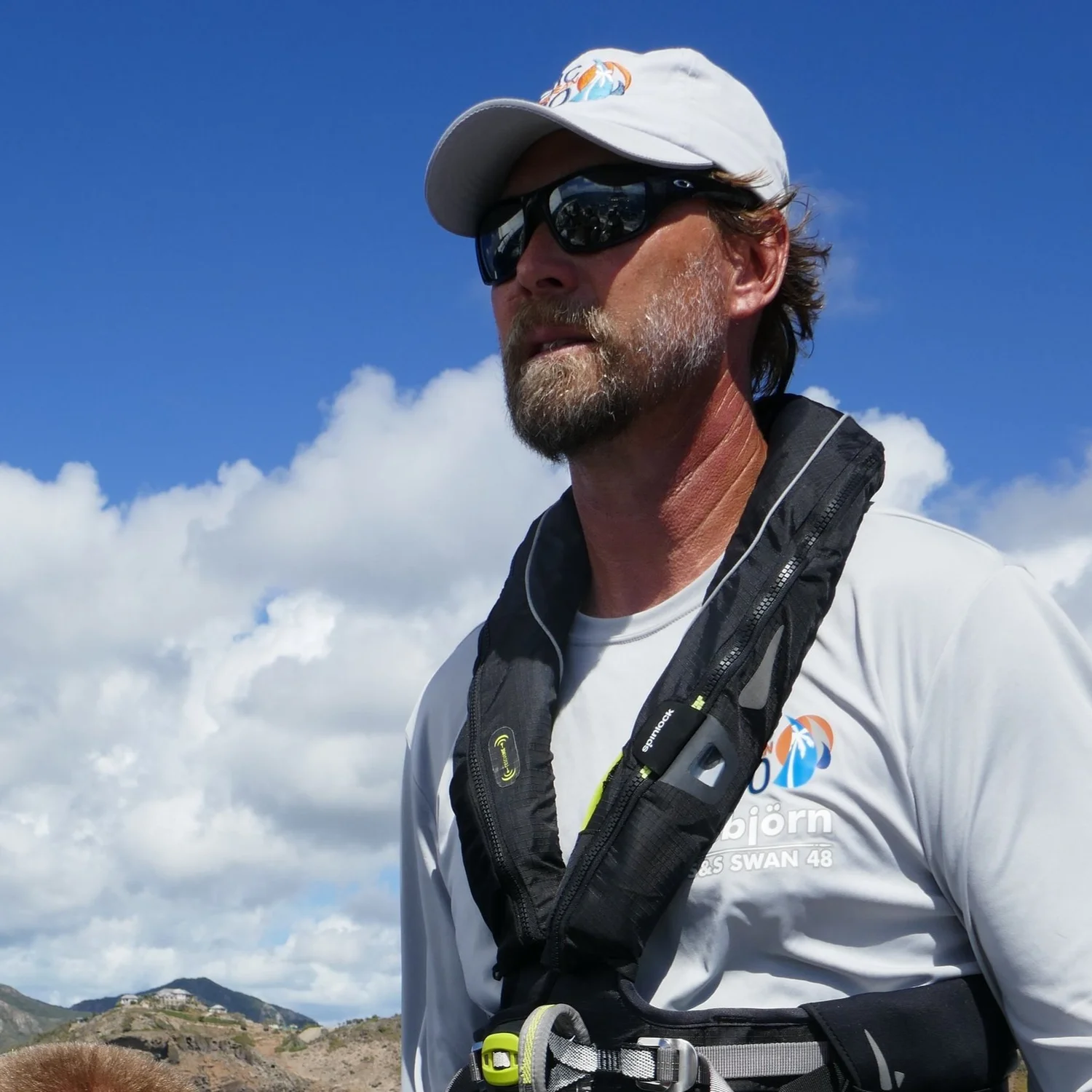
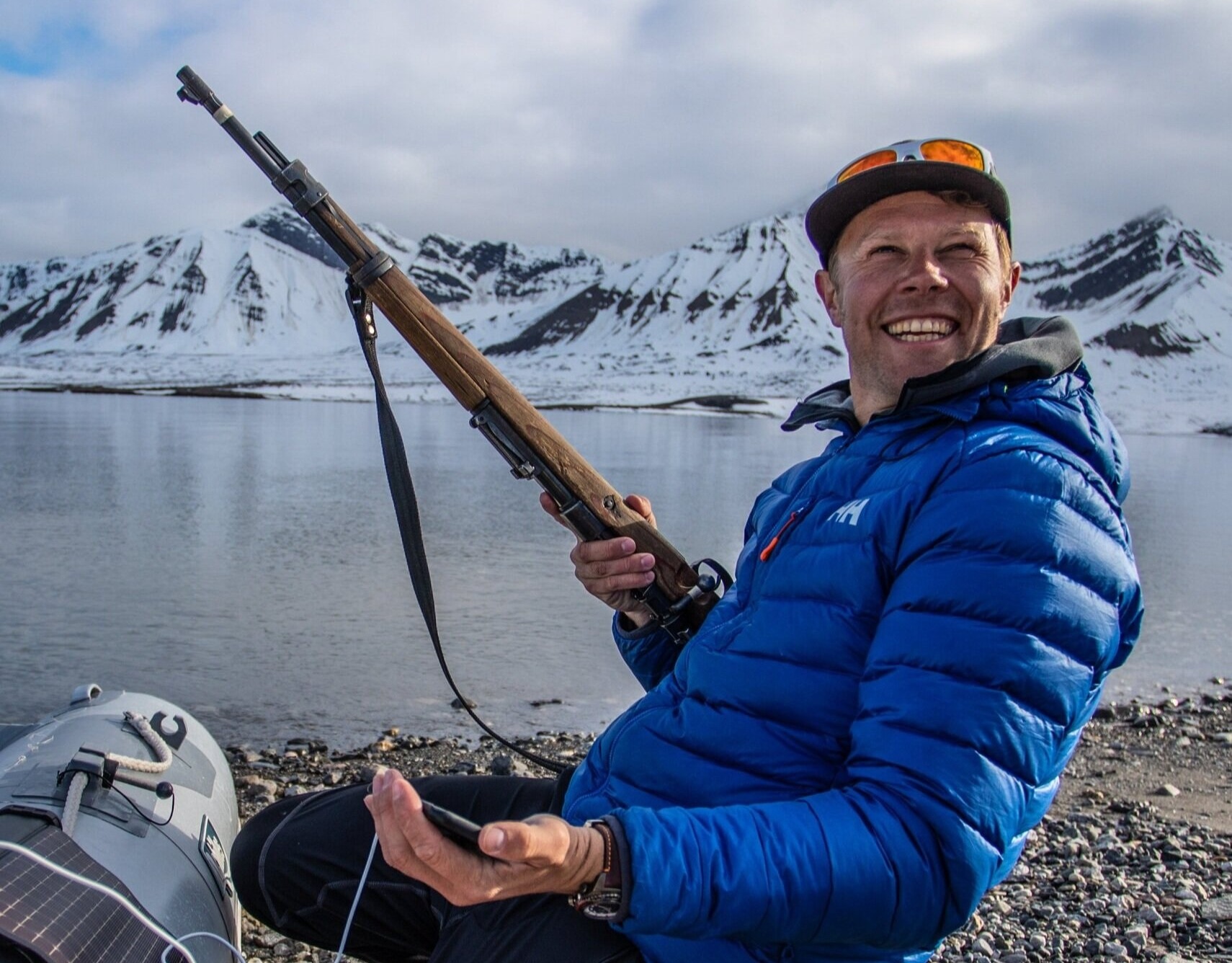
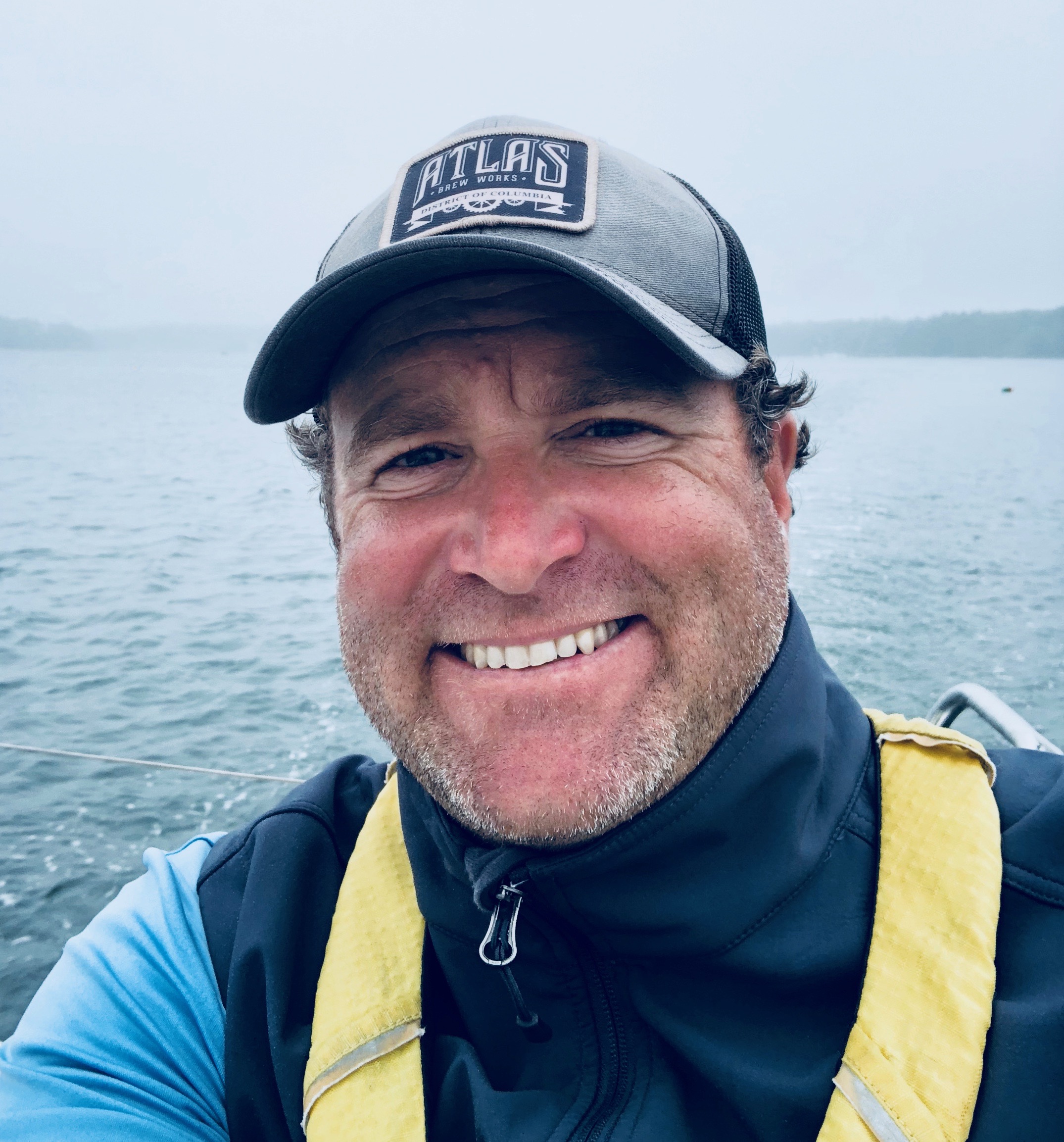
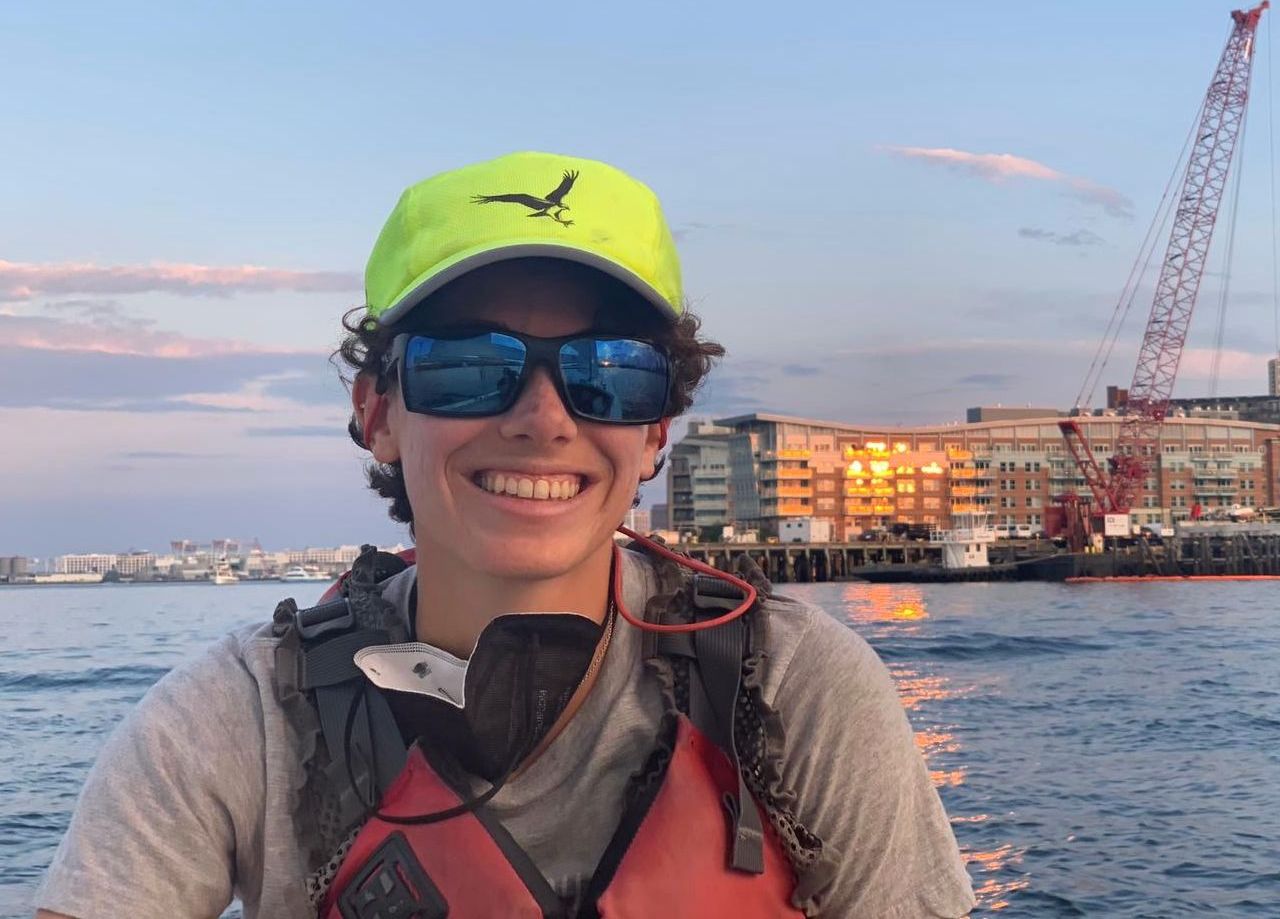
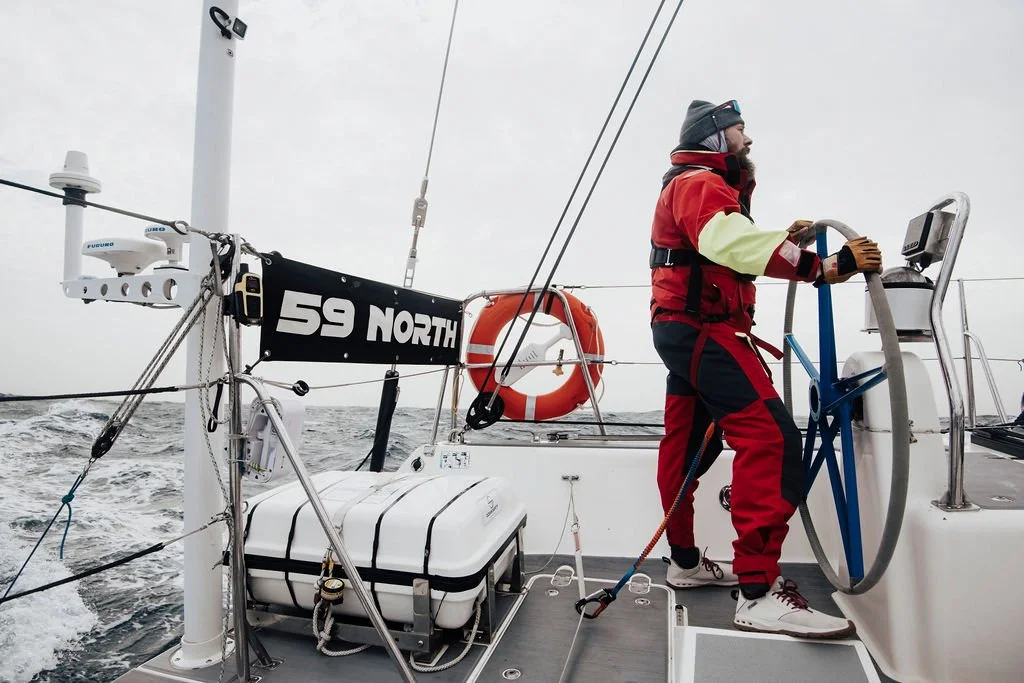
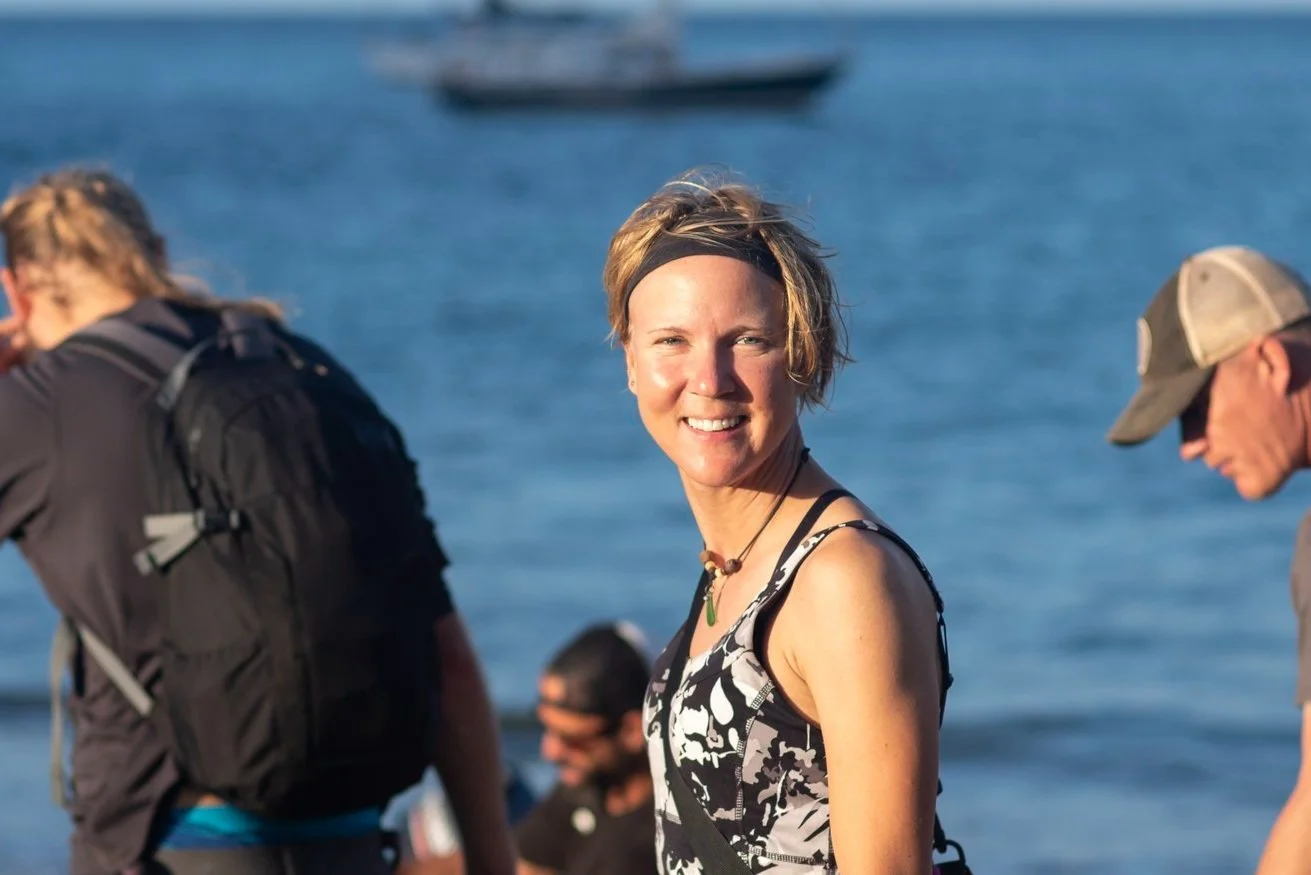
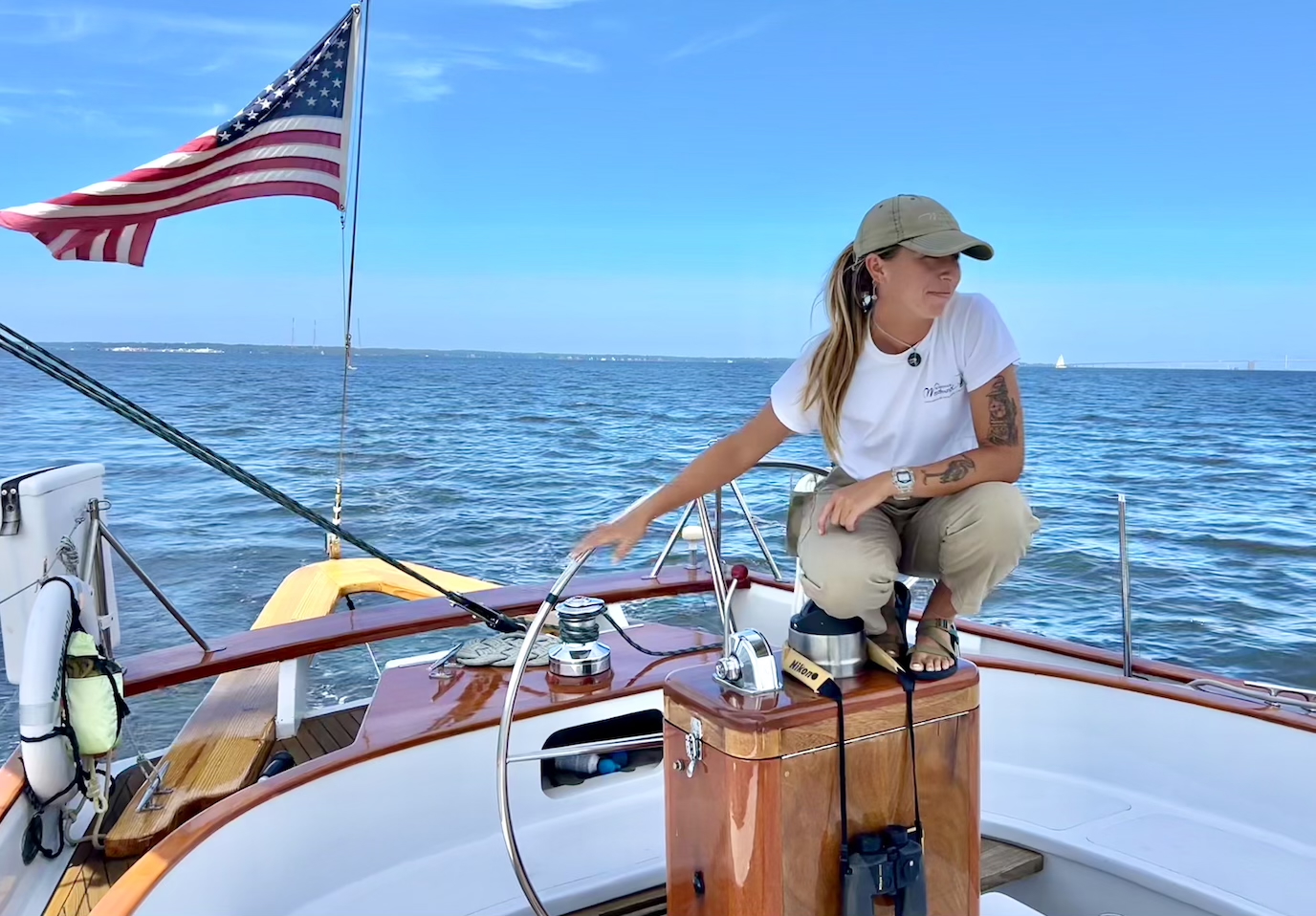
SAILING STAFF
.jpeg)

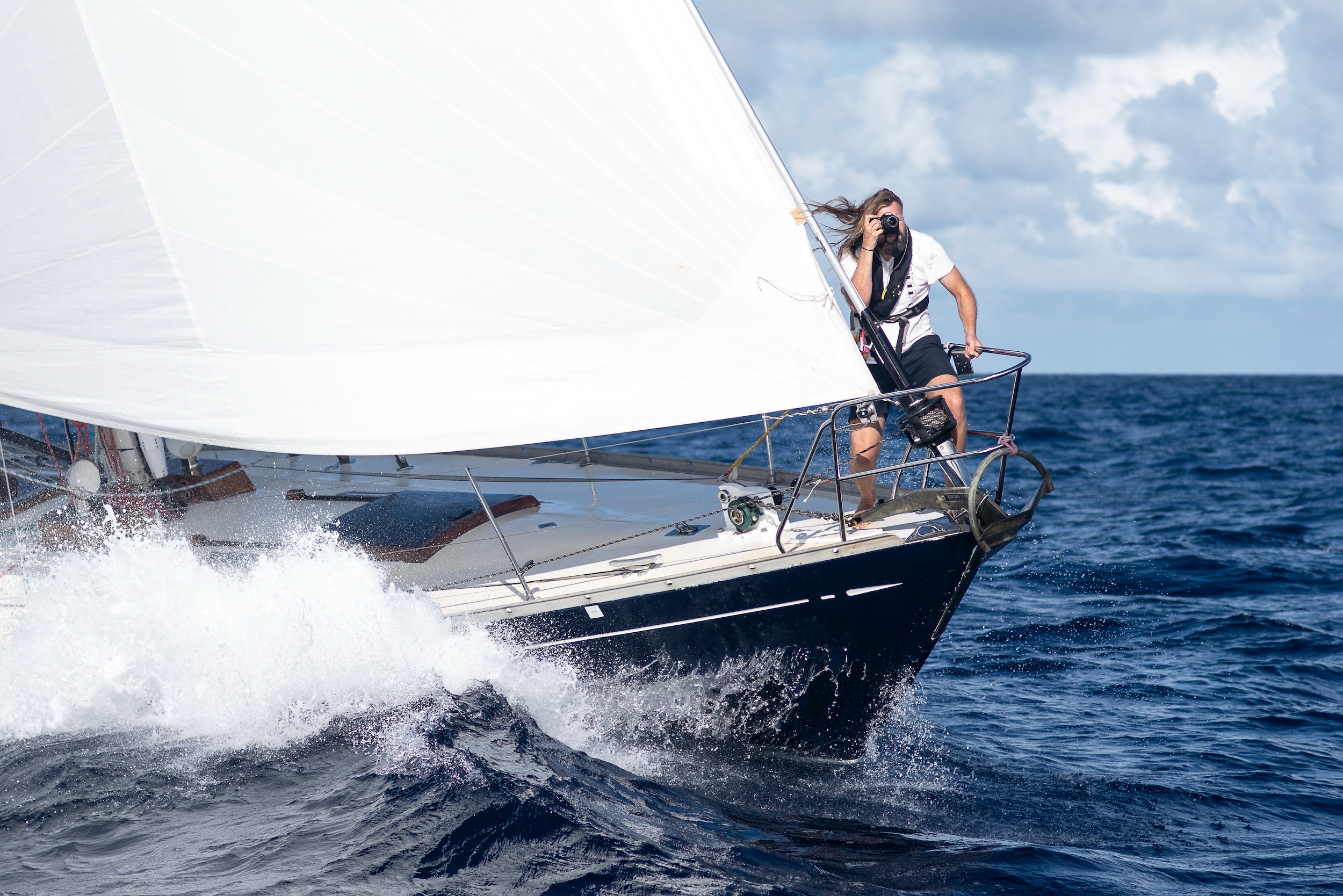
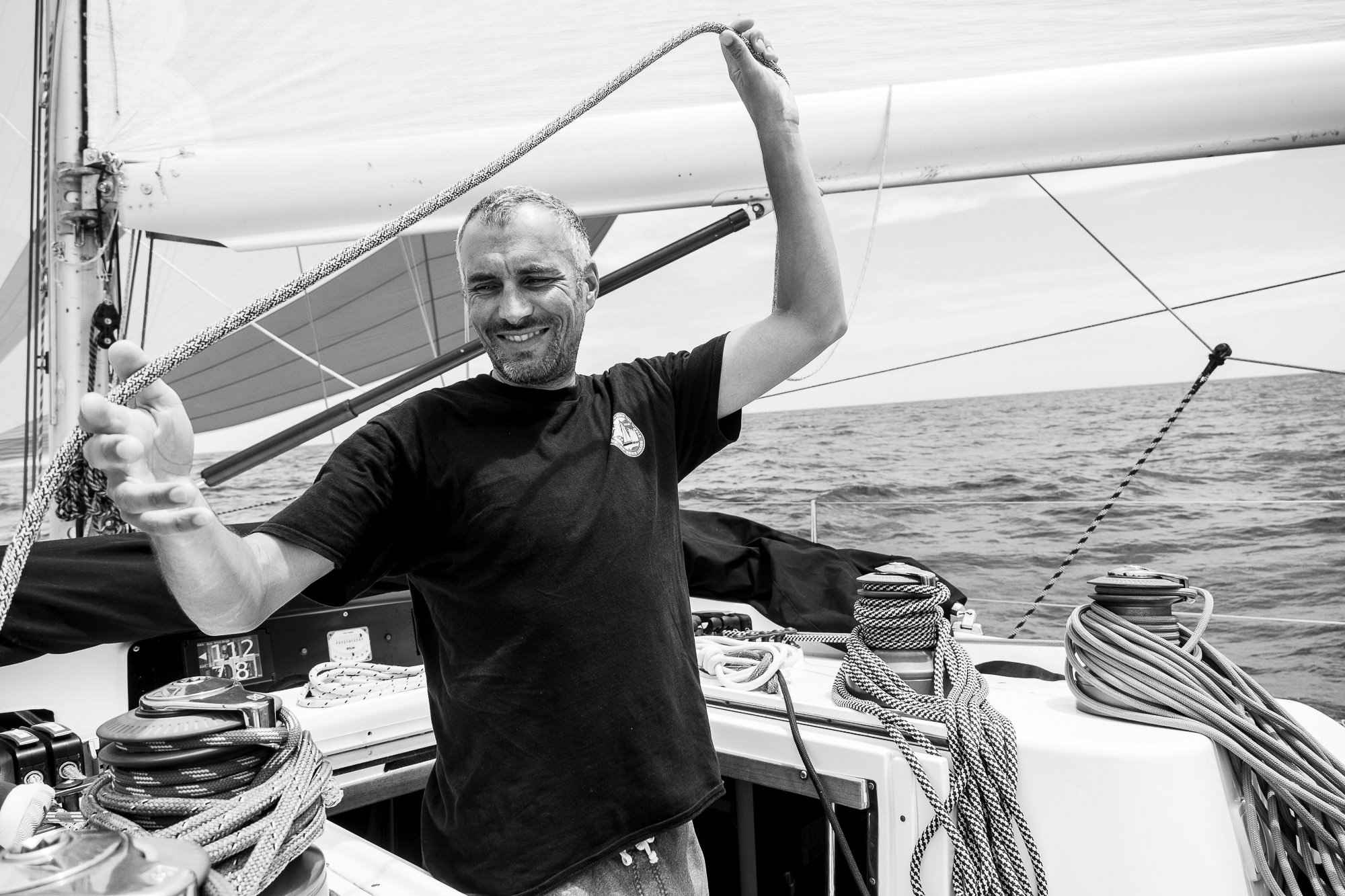
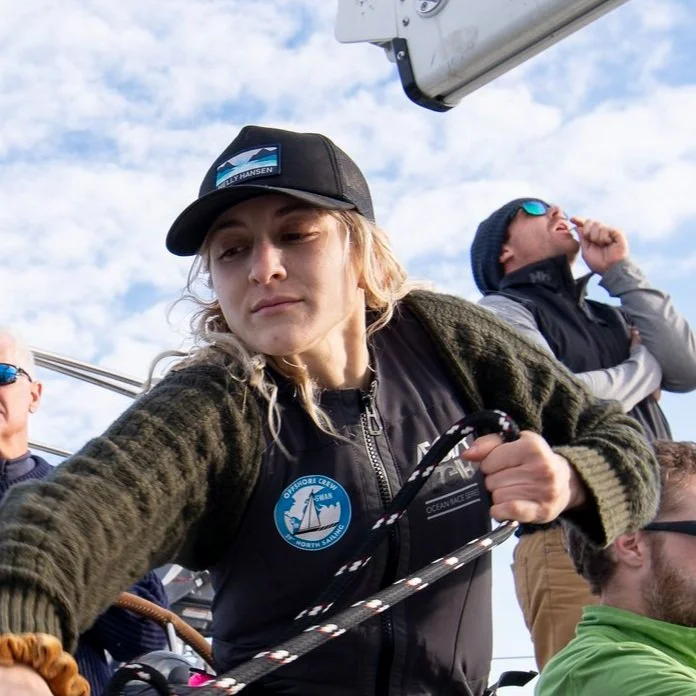
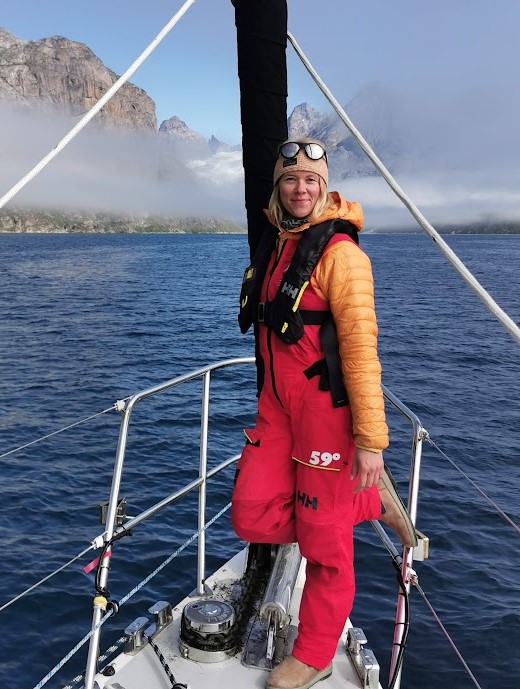


The Passage
Rough itinerary
All 59º North passages are very much subject to weather. We pick our routes based on the "correct" time of year to be sailing in the different regions we visit, and we always build-in enough time to give us some margin for weather windows. The skipper has final say on departure dates and weather windows, but generally speaking, the intinerary for this passage will look like this:
August 25, 2026
Crew arrive to ISBJØRN at 13.00 in Stornoway, Scotland. ISBJØRN orientation followed by crew dinner. All crew stay onboard ISBJØRN.
Prep Days
Between the joining and departure dates, all pre-passage preparation, provisioning, and safety briefings will be completed. The specific pre-departure schedule will be outlined and posted onboard ISBJØRN by the skipper.
August 27, 2026
Scheduled departure, weather dependent.
September 2, 2026
Latest date (12:00 noon) for crew to depart ISBJØRN from Les Sables d'Olonne, France.
PASSAGE DETAILS
Join ISBJORN in Stornoway and we plan on a non-stop passage to France. The route we take depends on the weather. The passage ends in Les Sables d'Olonne, France just a few days before the Golden Globe Race heads out on September 6. Stay ashore a few days after the passage to watch the start, but we'll feel the race nerves as we pull in!
TRAVEL LOGISTICS
Stornoway
Les Sables d'Olonne
Weather conditions
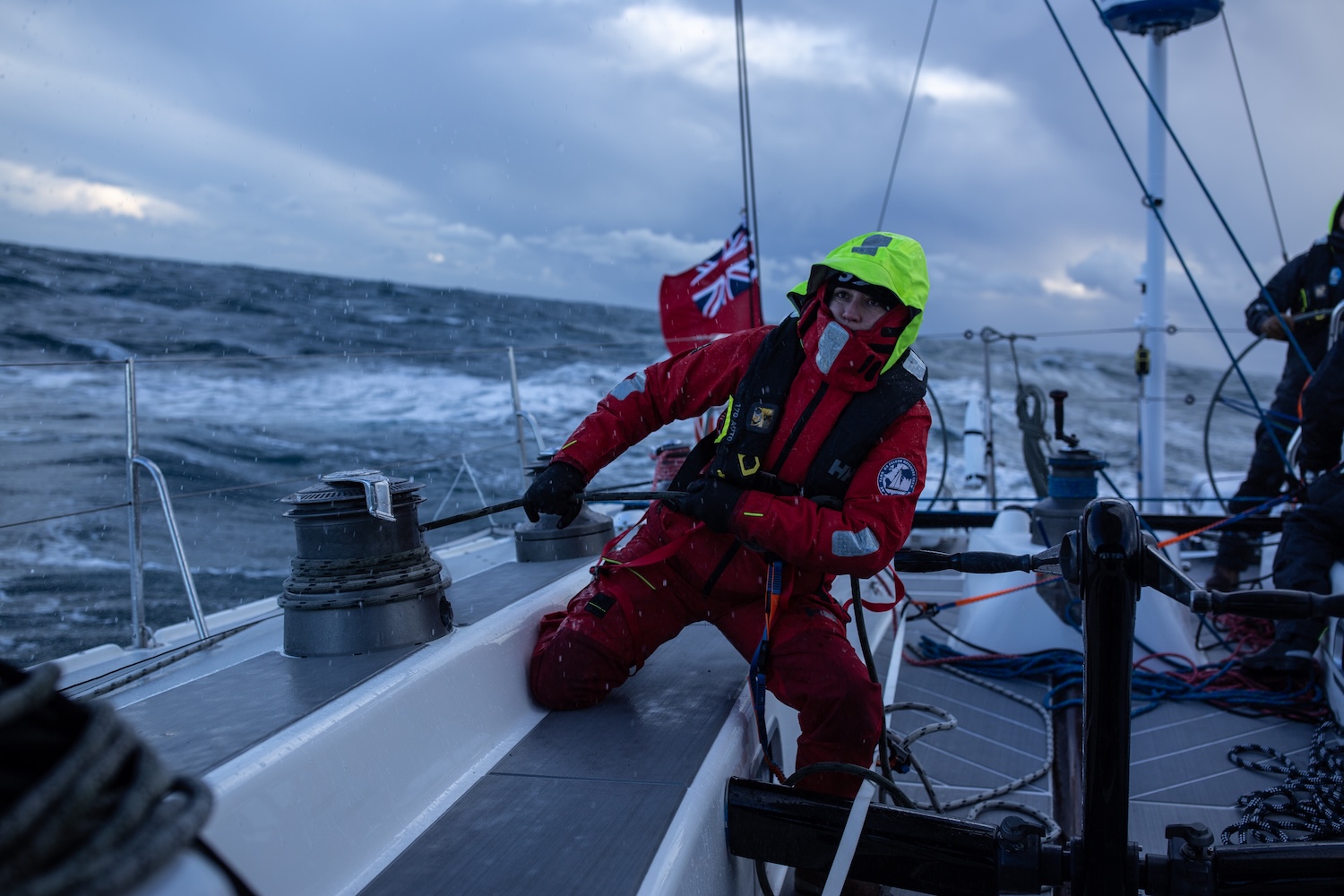
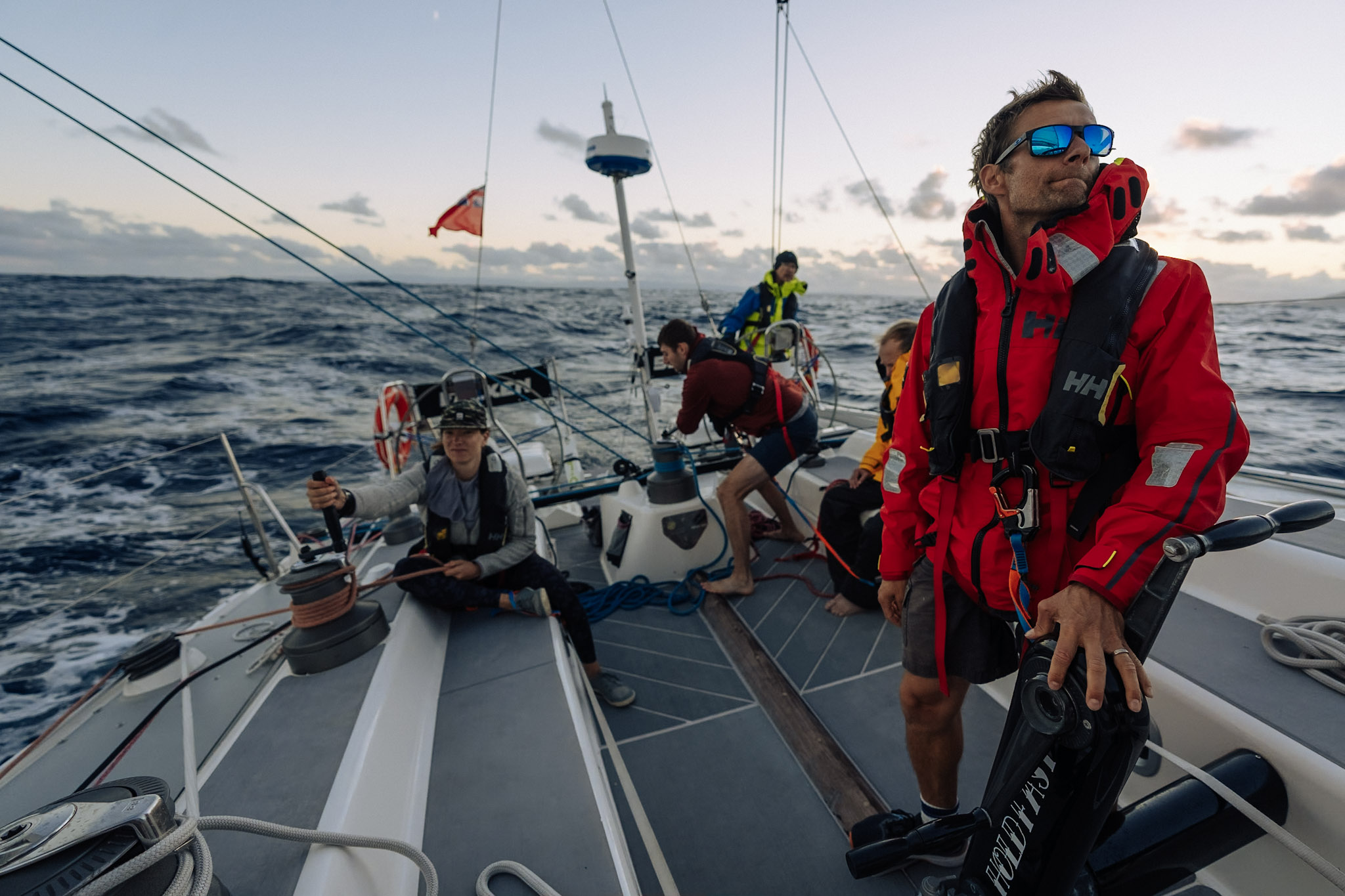
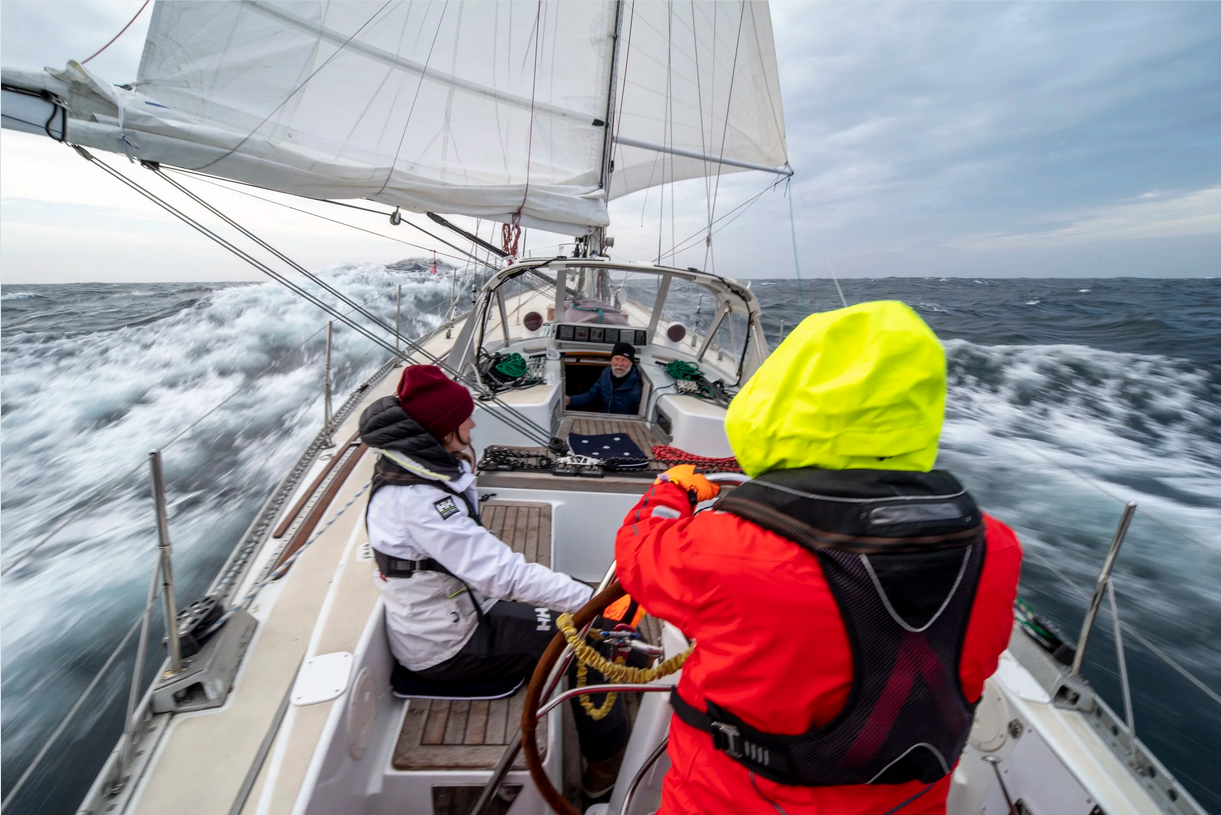
Expect a brisk, lively passage with cool-to-mild air and an unsettled feel—a proper Atlantic shakedown where you'll likely carry plenty of breeze, see some lumpy seas, and want your foulies handy before settling into a more temperate groove nearing Biscay.
In-depth analysis, by WRI

WHY 59º NORTH?
ambitious sailing schedule
The best boats
WOMEN BUNKS GUARANTEED
Professional, well-paid staff
knowledge & community
Why it costs what it costs...

"Some of us seek out more meaning through travel rather than escaping from life. We want to be stronger tomorrow than we are today."

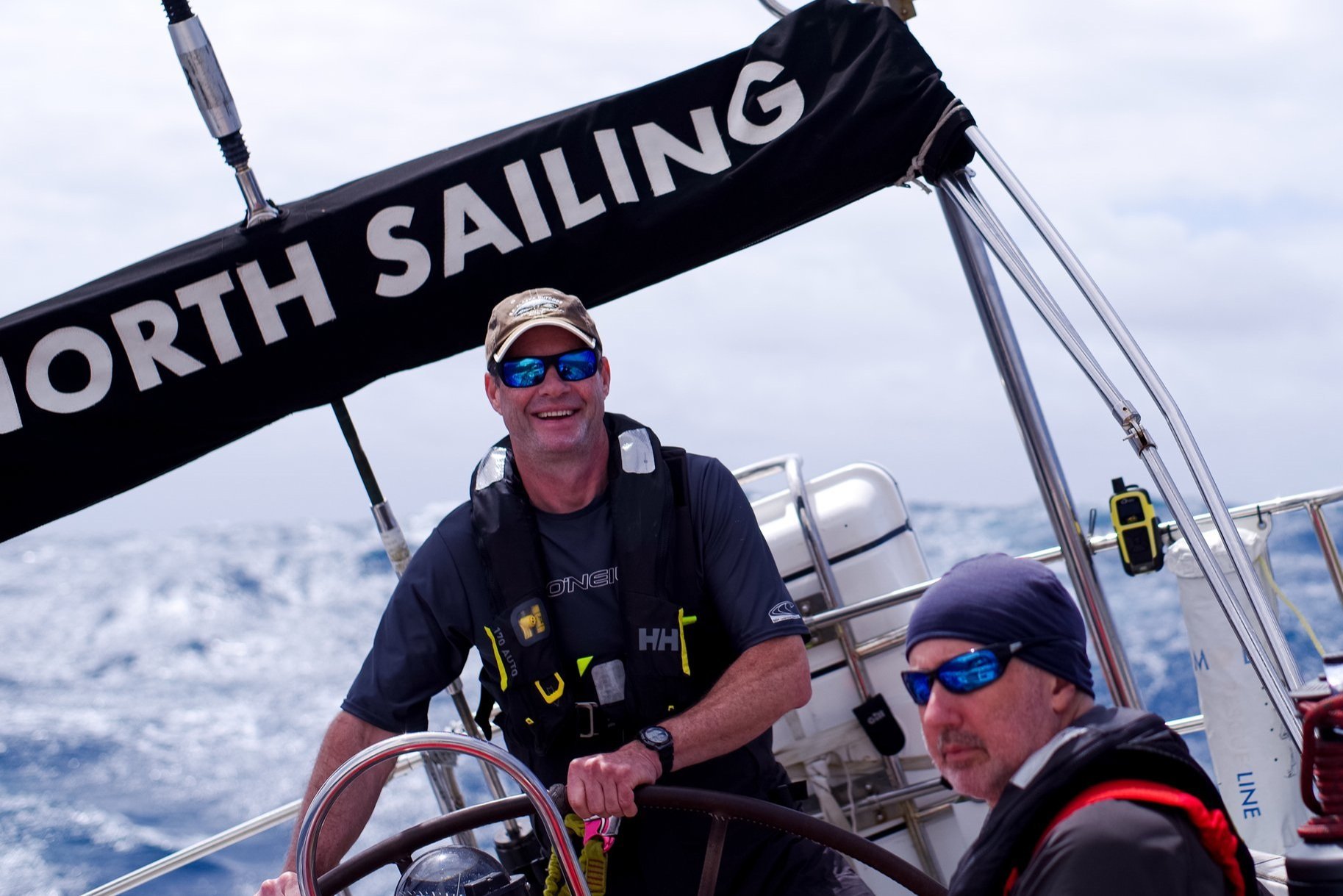
"Before 59º North I didn't know my bowsprit from my binnacle and suffered from low sailing esteem. After two weeks of 59º North, what a difference! As a longtime podcast listener, I arrived for my Bermuda to Horta transatlantic with high expectations, and they were all not just met but exceeded. I could not imagine a skipper and mate more professional and enthusiastic than Andy and Emma."
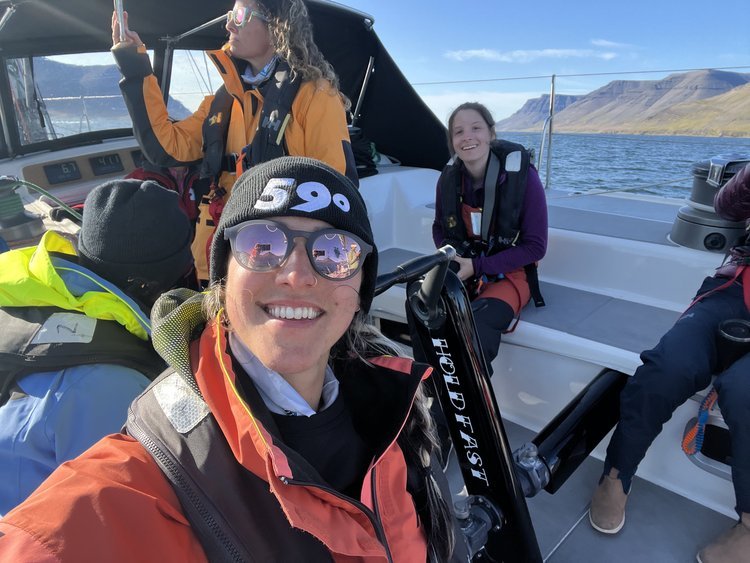
"Gathering with 10 other like-minded women aboard FALKEN was amazing! I learned more than I ever expected from Nikki and Emma. Being 'allowed' to mess up and actually learn from your mistakes without anyone getting stressed was freeing! I'd recommend this trip to any women with a desire to sail."

"Having sailed on ISBJØRN in 2019 from Puerto Rico to Key West, I was excited to join another 59º North passage. Meeting the crew in Las Palmas for the trans-Atlantic passage on FALKEN was a fantastic experience, sharing cultural perspectives and sailing knowledge with people from six different countries. I learned so much, from safety procedures to specialized sail trimming, and made great friends on that journey."
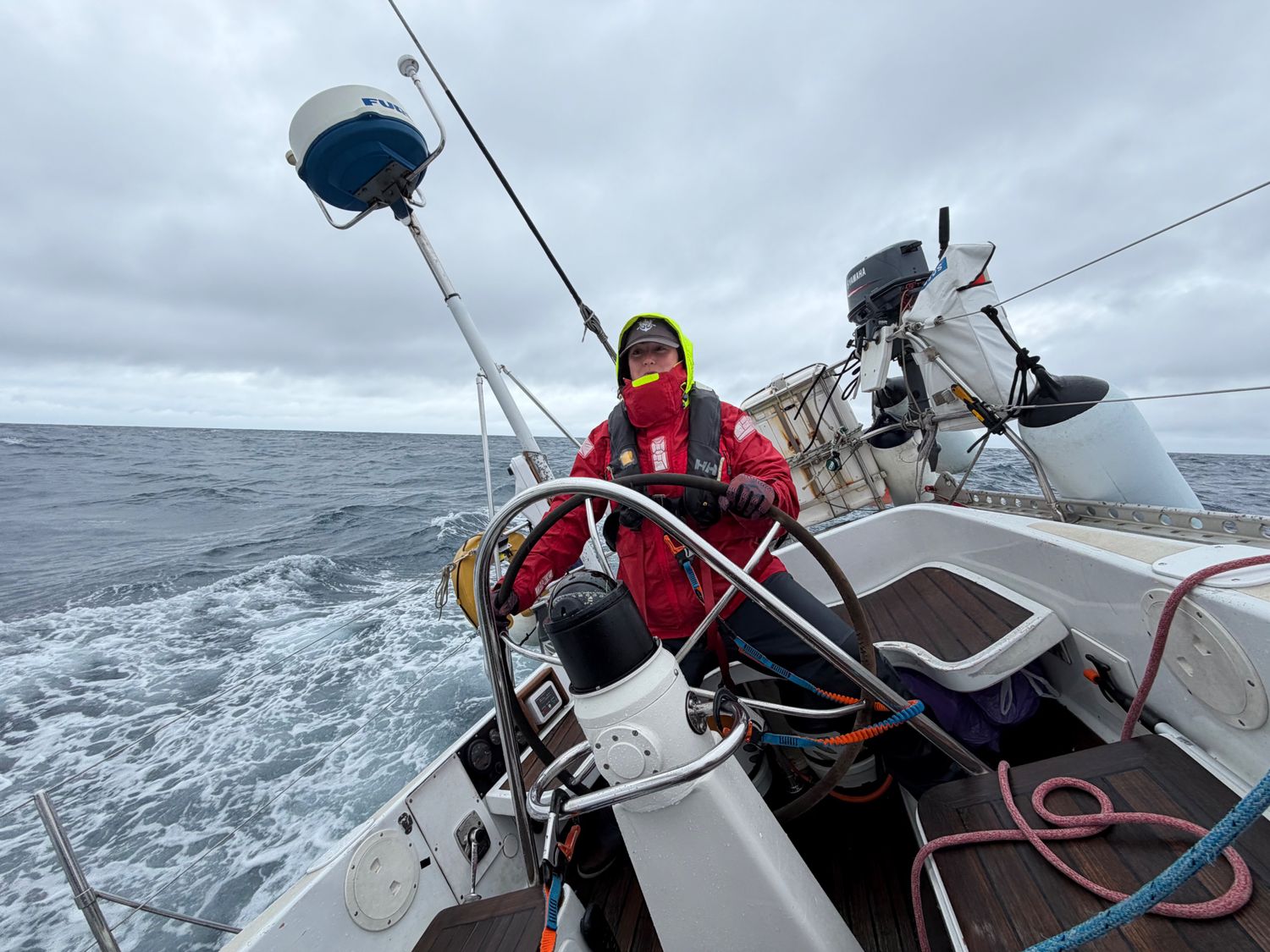
"What an incredible experience! I am so grateful to have been on the leg from Reykjavik to Stornoway over the solar eclipse. ISBJØRN is an incredible ship—sturdy, safe, comfortable (not to mention her amazing and somewhat scandalous history!). Feeling ever grateful to 59º North for this journey."
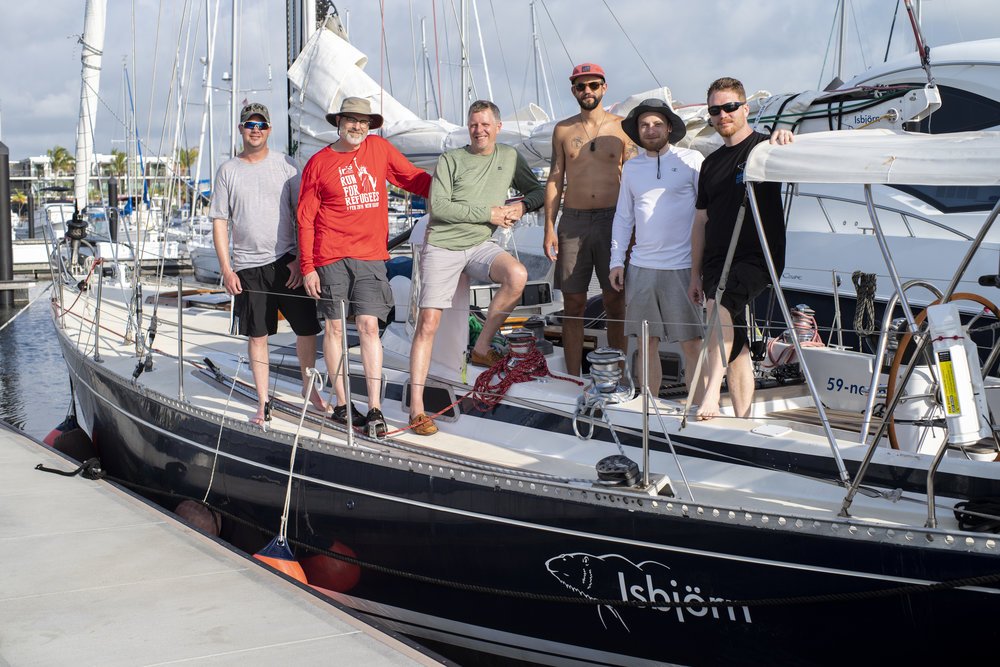
"Our voyage was interesting because both ISBJØRN (which I was on) and ICEBEAR traveled the same route at roughly the same time. We had Matt Rutherford as our captain and Ben Doerr as first mate, and they were both chill, fun, and always happy to answer questions and provide advice. I feel I got the experience I need with the ocean and Gulf Stream to pilot my own boat from Florida to Bermuda in the future, which was exactly my goal. If you are looking for blue water sailing experience and a fun adventure, I highly recommend that you sign up with 59º North."

"I really didn’t know what to expect on my trip. I knew it was going to be about 800 miles, the Bay of Biscay is notoriously challenging, and there was a remote possibility of orca attacks. Thankfully, we were safe, but the Bay of Biscay did not disappoint, and we logged more than 1,000 miles. Our skipper and mate, Nikki Henderson and Emma Garschagen, far exceeded any expectation I had, and at no time did I ever feel unsafe, which allowed me to fully take in every experience. I learned a ton, had a great time, and left with a new sense of confidence that I never expected."
THE BOAT
S&S Swan 48
'
ISBJØRN
'
🇳🇴
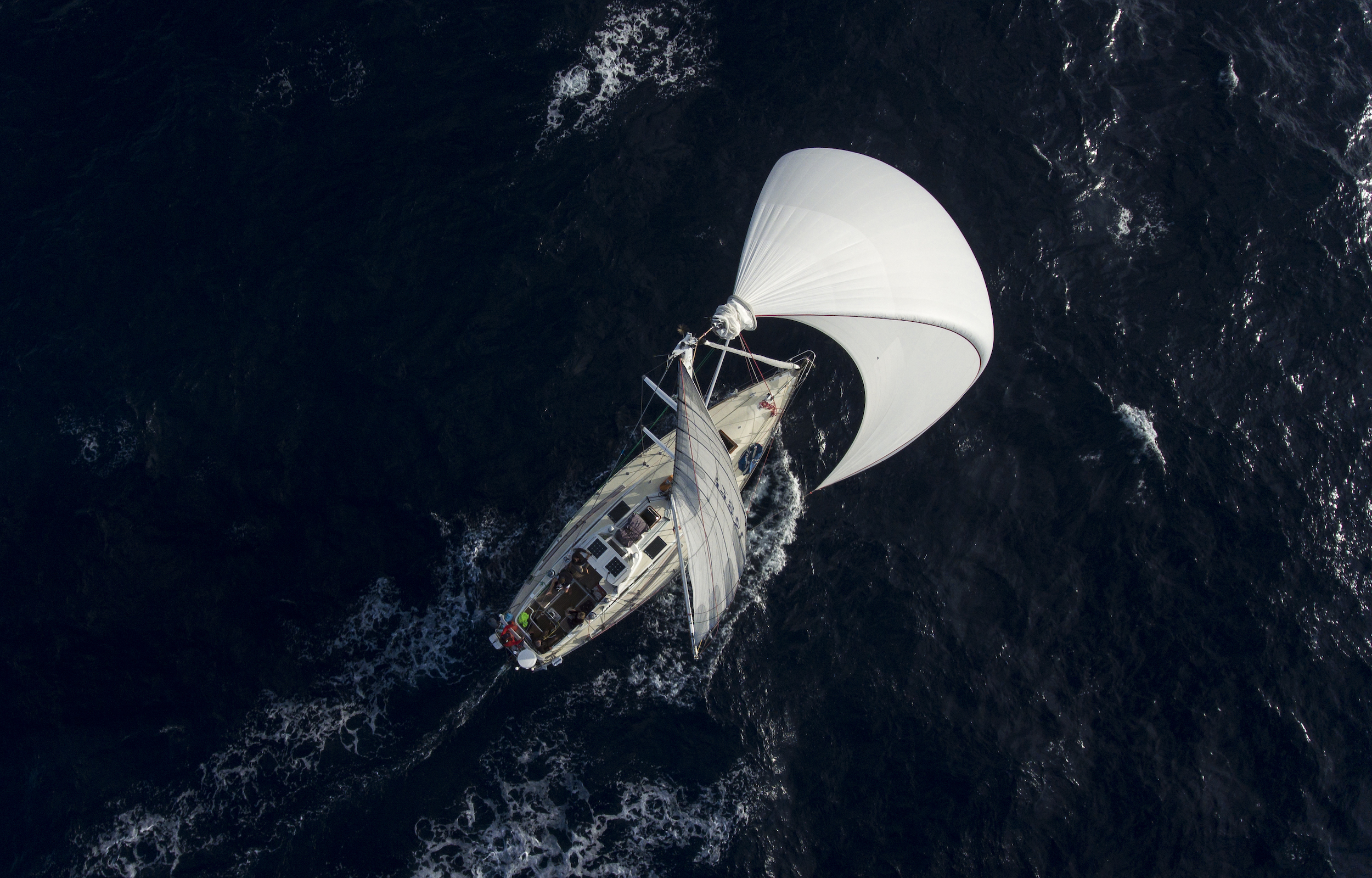
ISBJØRN is the "OG" 59º North boat, the classic S&S Swan 48 that we started the business with back in 2015. She's considered an all-time great ocean cruising boat - built like a tank in Finland to the highest standards and with a modern but conservative hull shape making for fast & comfortable passages offshore in any weather. ISBJØRN sails with 5 crew plus a Skipper, and each person has their own dedicated sea berth & storage locker.
packing lists & notes
Packing Notes
Start here when planning your packing for sailing with 59º North. This list includes the general basics for all of our passages. The passage-specific packing lists offer more details.
Cold | Warm Packing List
This will be a "transitional" passage, either starting in warmer climes and increasing in latitude until it's significantly cooler, or vice versa. Another one of those trips where you'll need to pack one of everything for changing conditions. See the packing list for specifics.