
2027-4 | ISBJORN | Lofoten - Seydisfjordur
Join ISBJØRN in one of the most beautiful harbours in the world, north of the Arctic Circle. This is a proper expedition. 700 miles of ocean separate Norway’s dramatic fjords from Seyðisfjörður, a hidden gem on Iceland’s remote east coast. This is not a milk run - it is a hardcore crossing into one of the most storied and elemental parts of the North Atlantic. The arrival into Seyðisfjörður will be very exciting. Tucked into a narrow fjord, the town is surrounded by towering mountains and cascading waterfalls. Few sailors ever make landfall here, and you’ll count yourself among an adventurous handful who have. This voyage is ideal for those seeking both challenge and discovery. It demands endurance, teamwork, and a spirit of adventure, and it delivers the unmatched thrill of exploring places rarely seen by sea. It is high-latitude sailing in its purest form.
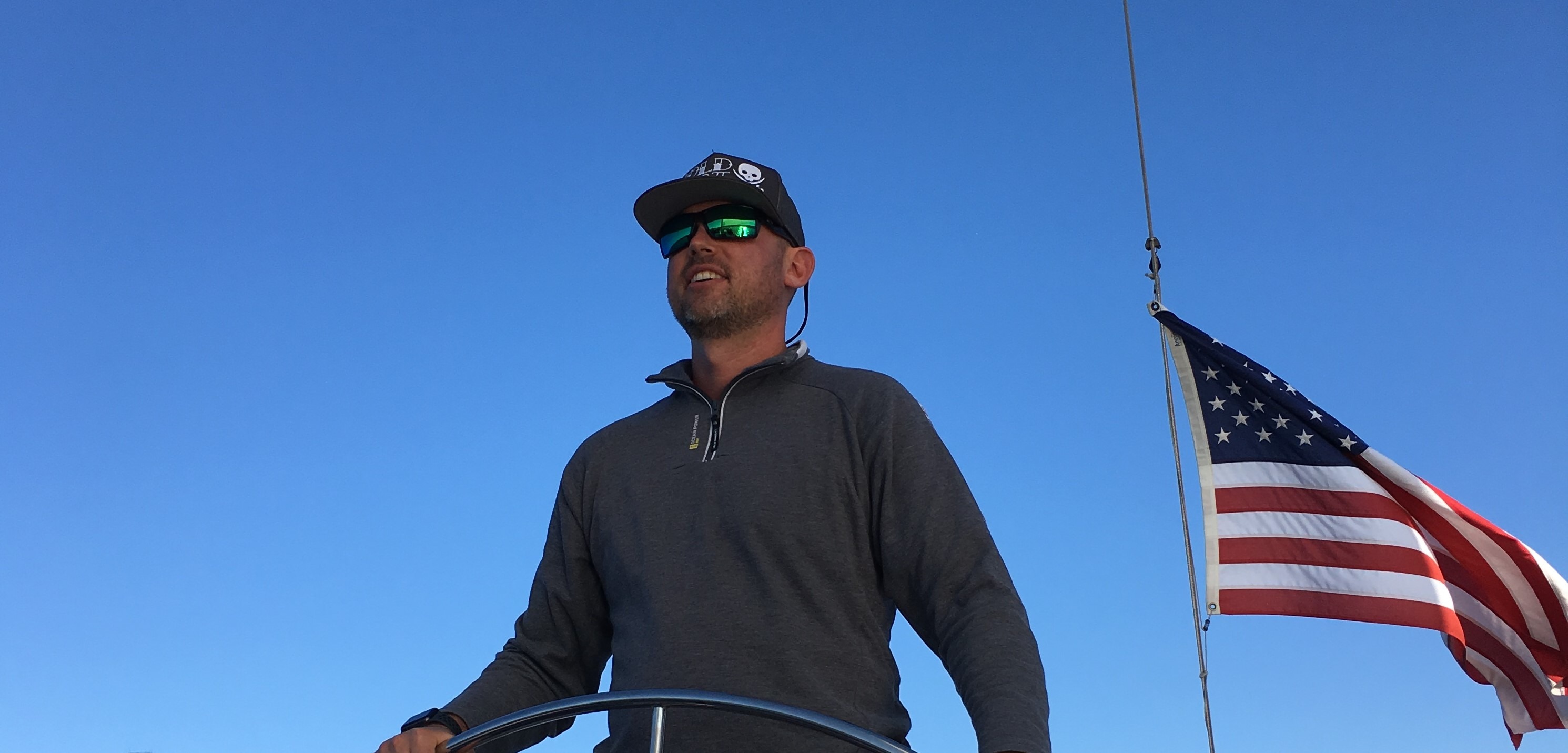
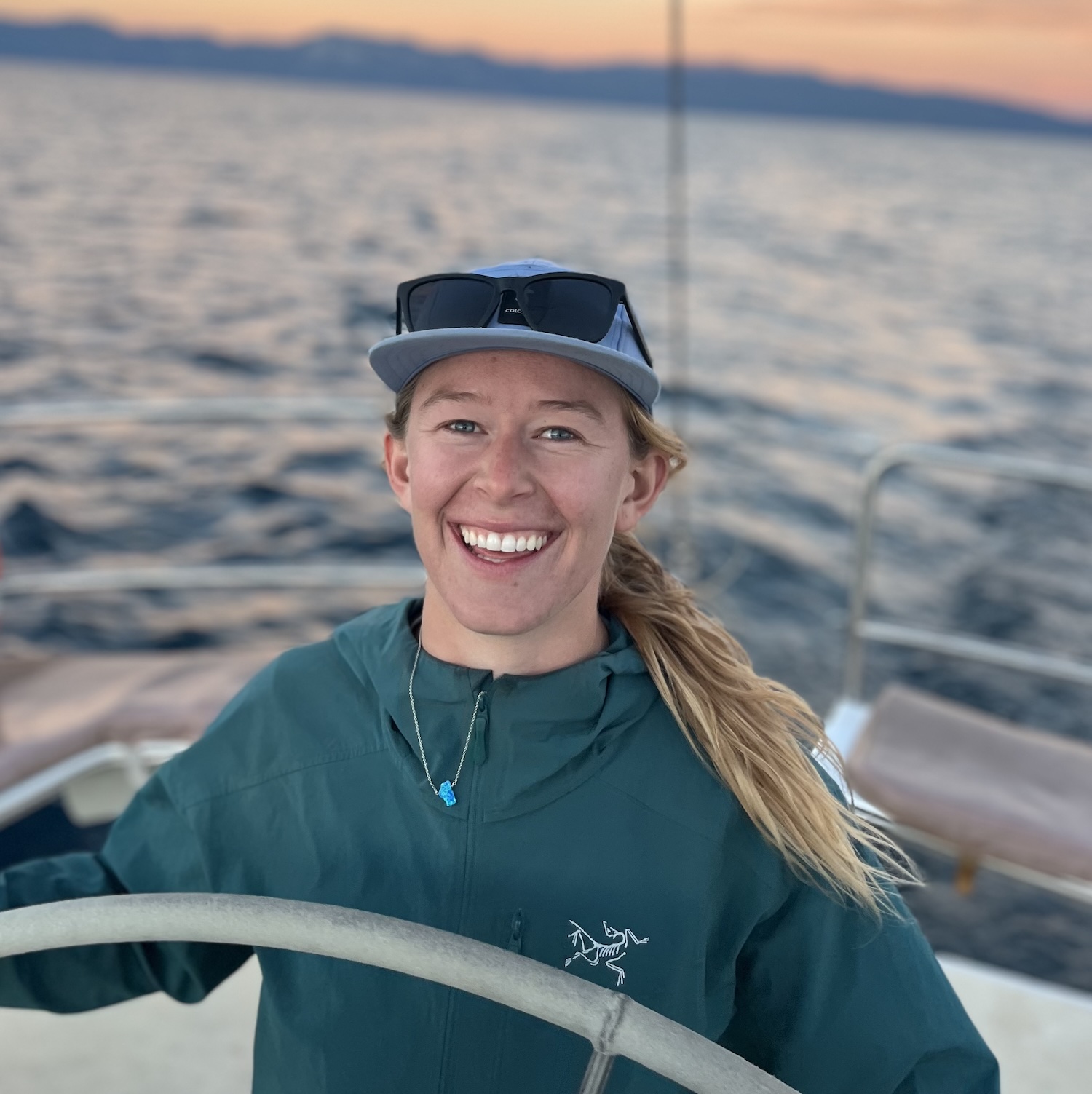
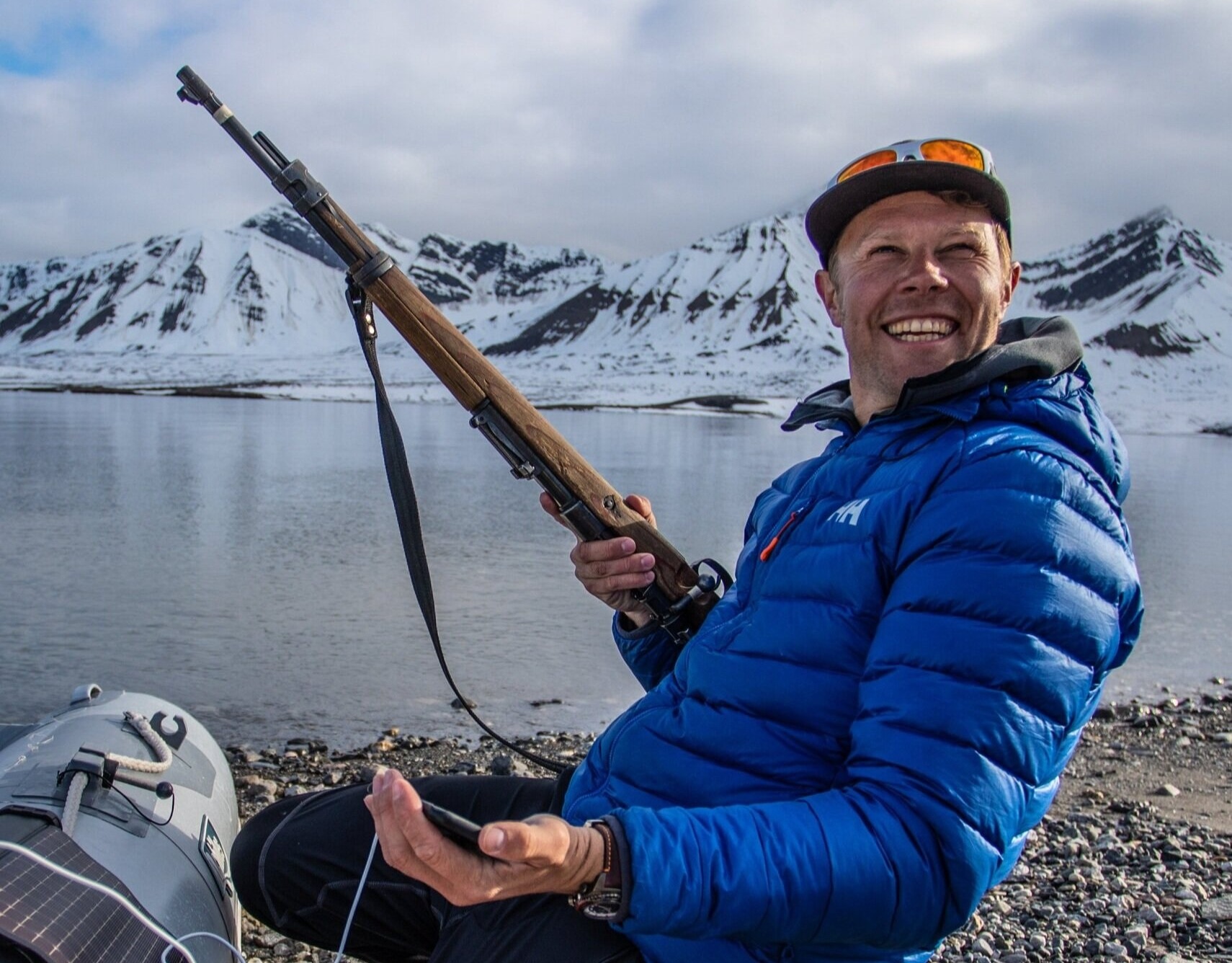
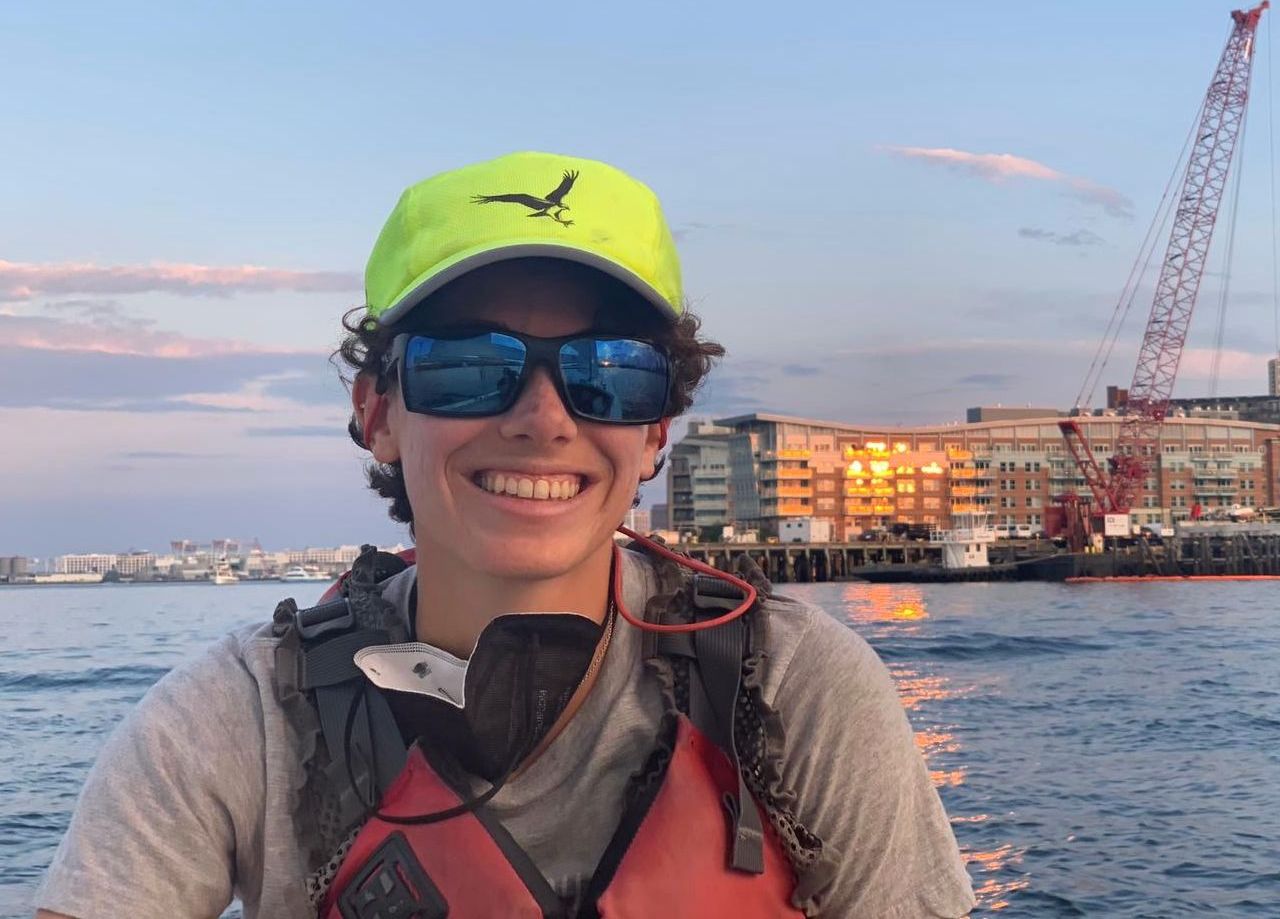
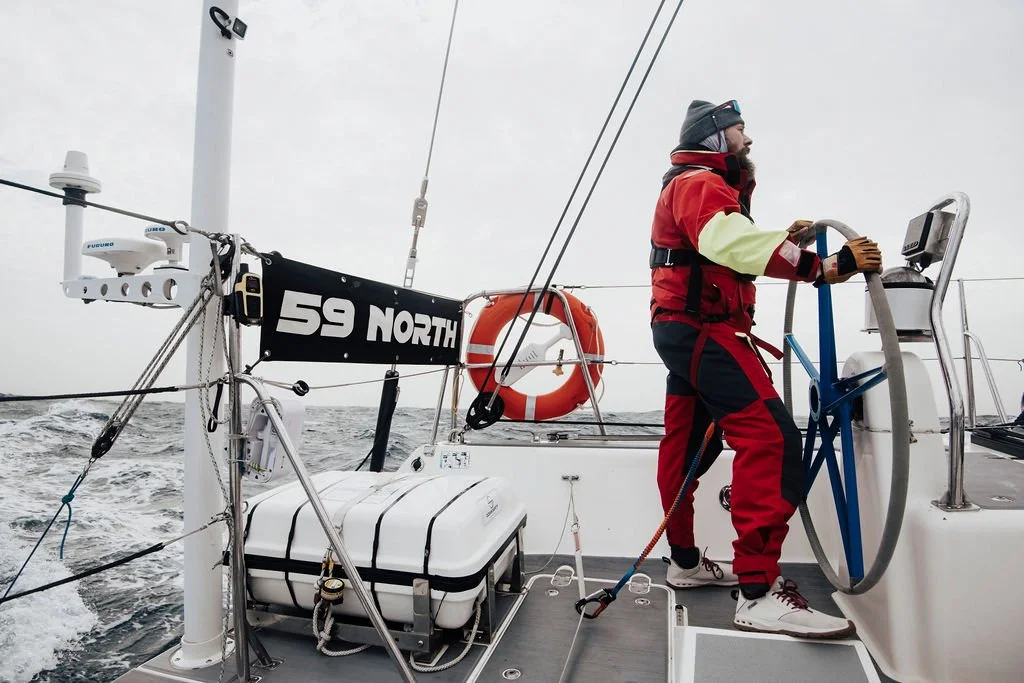
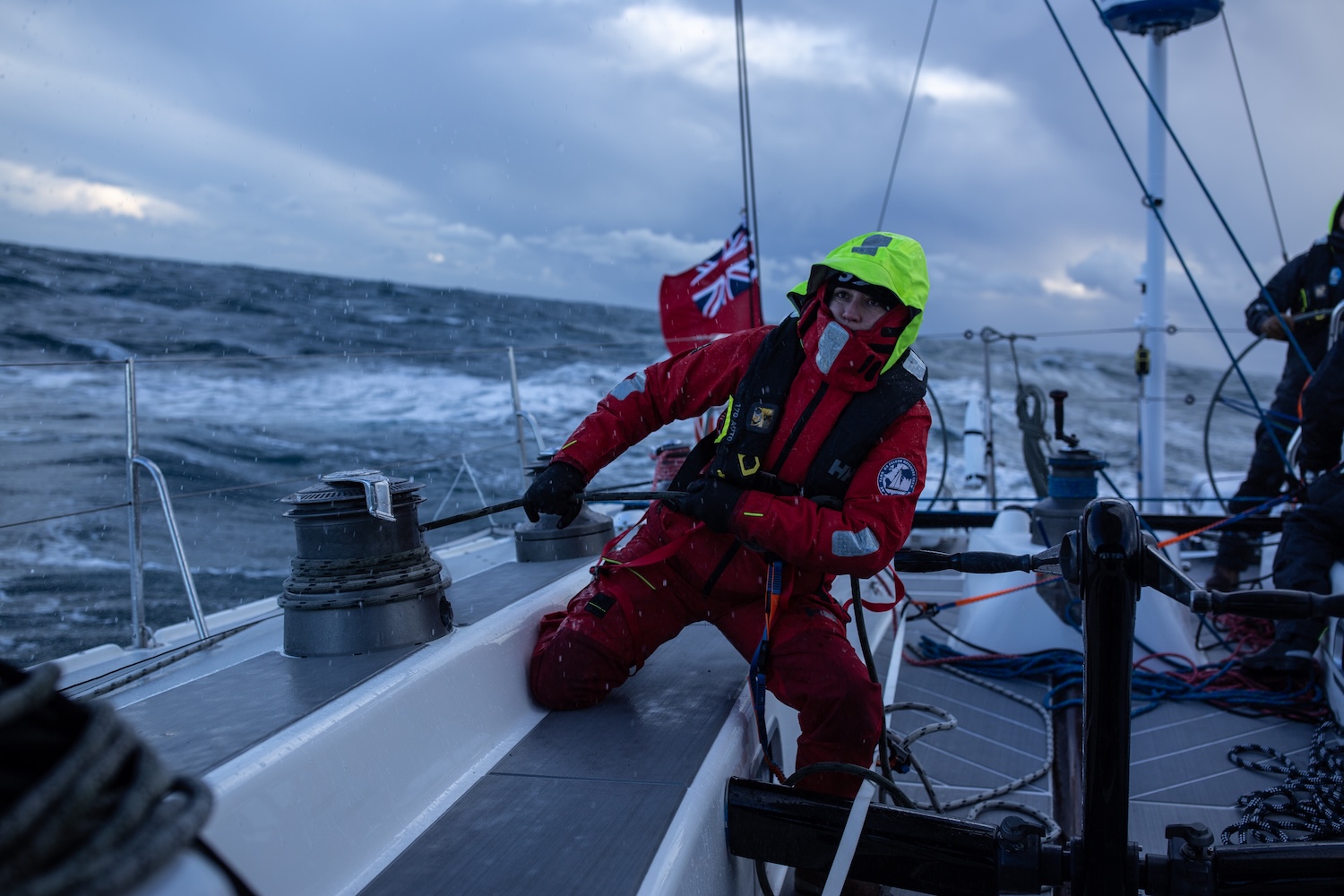
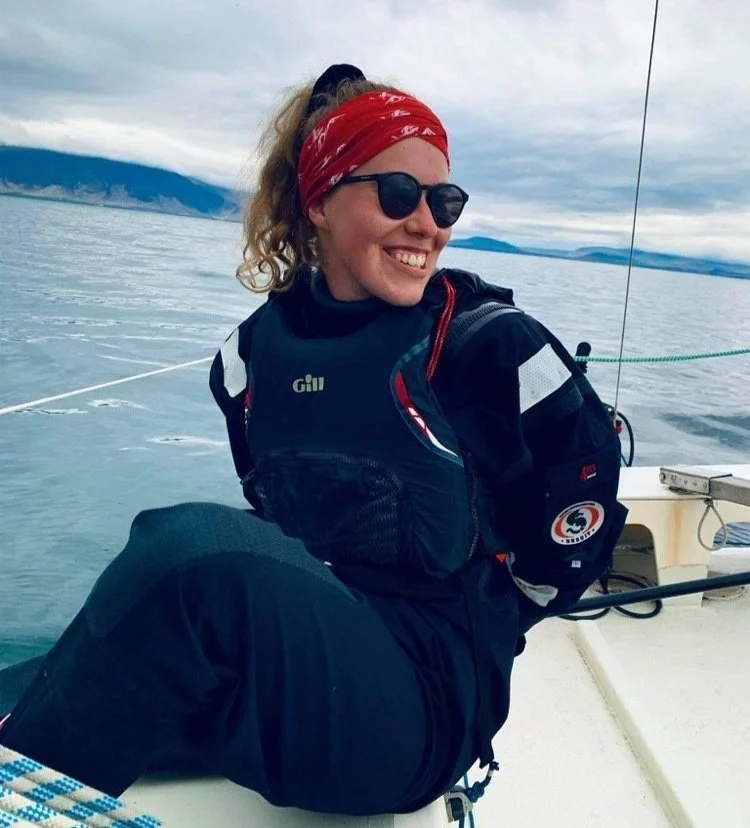
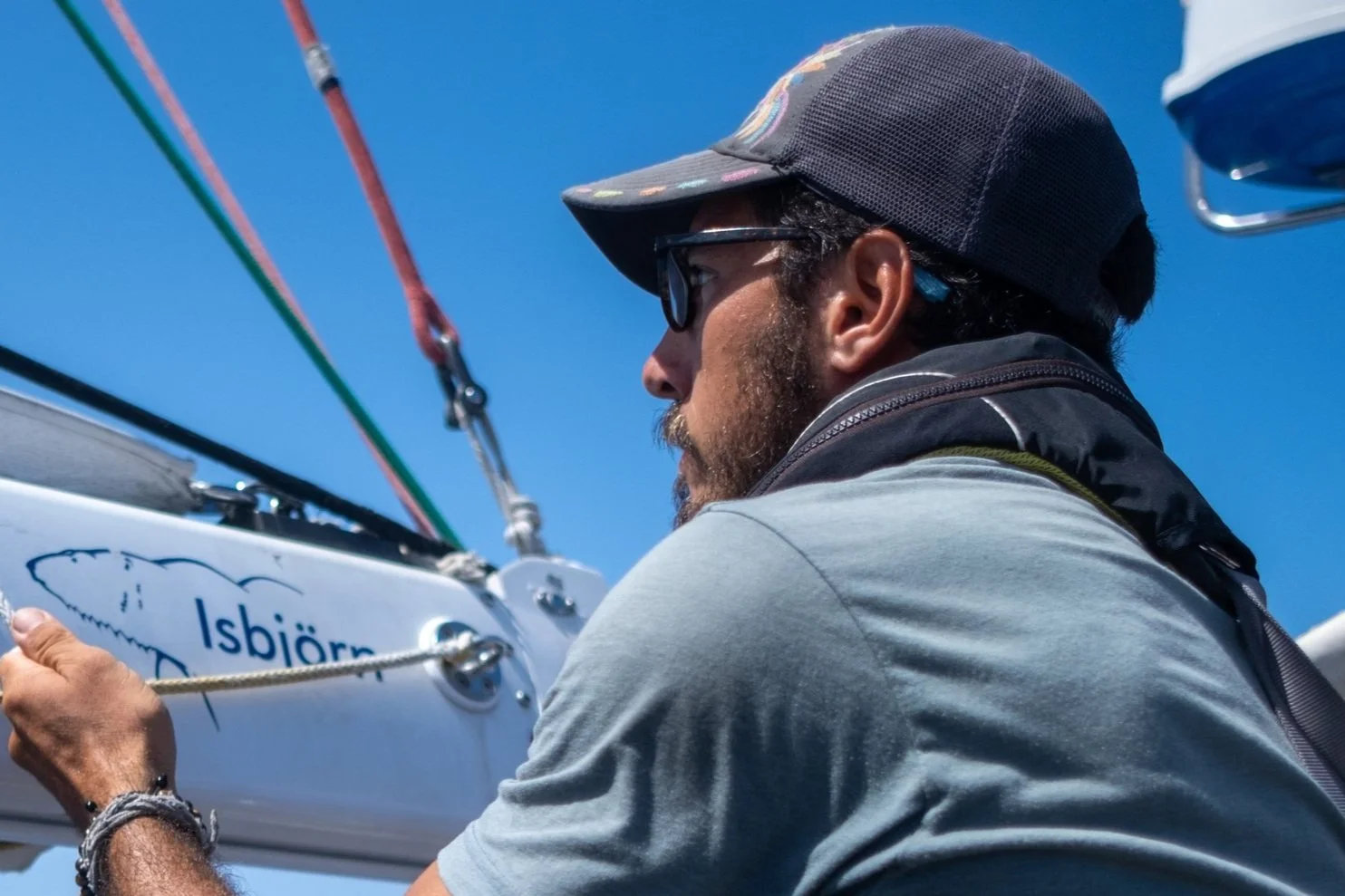
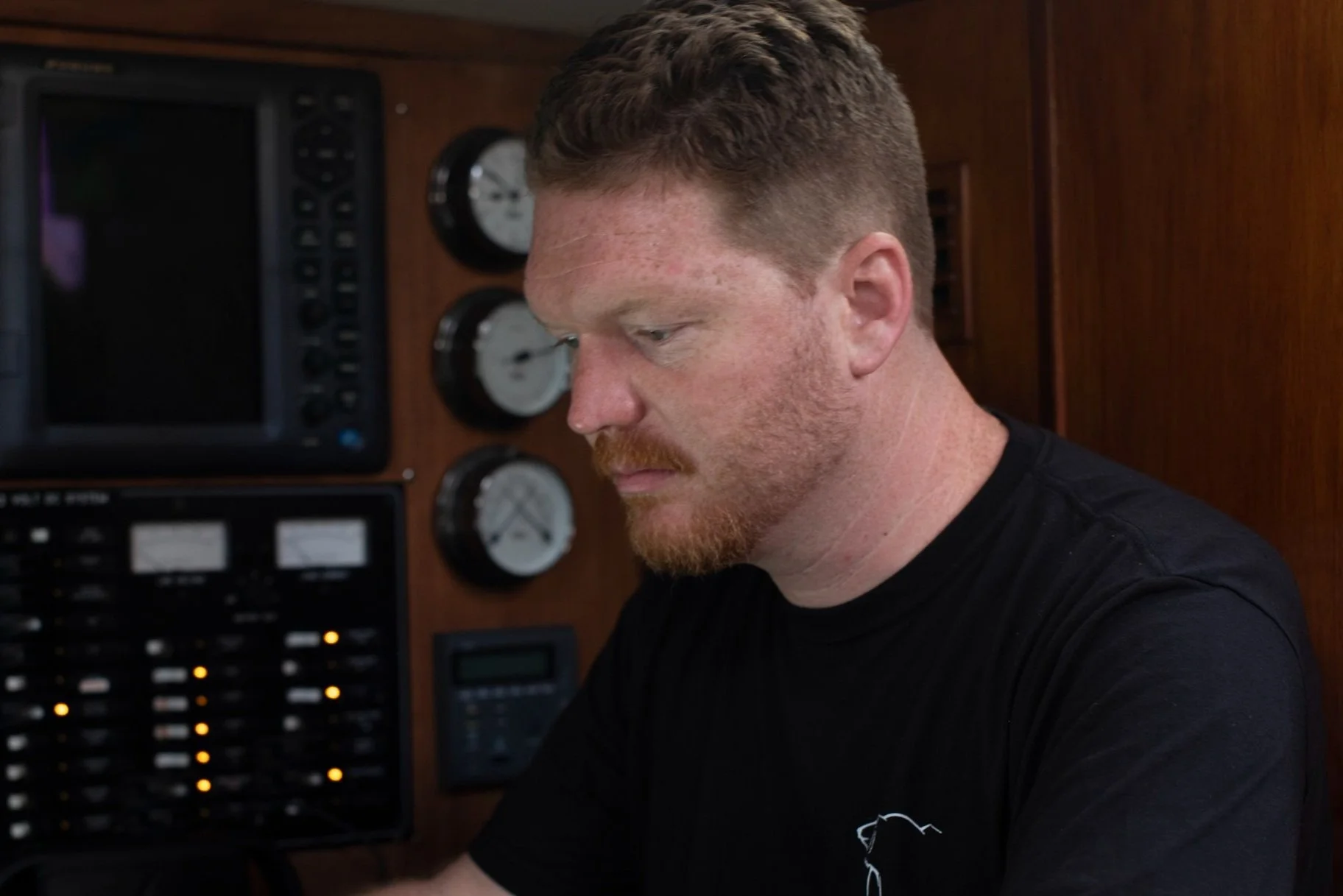
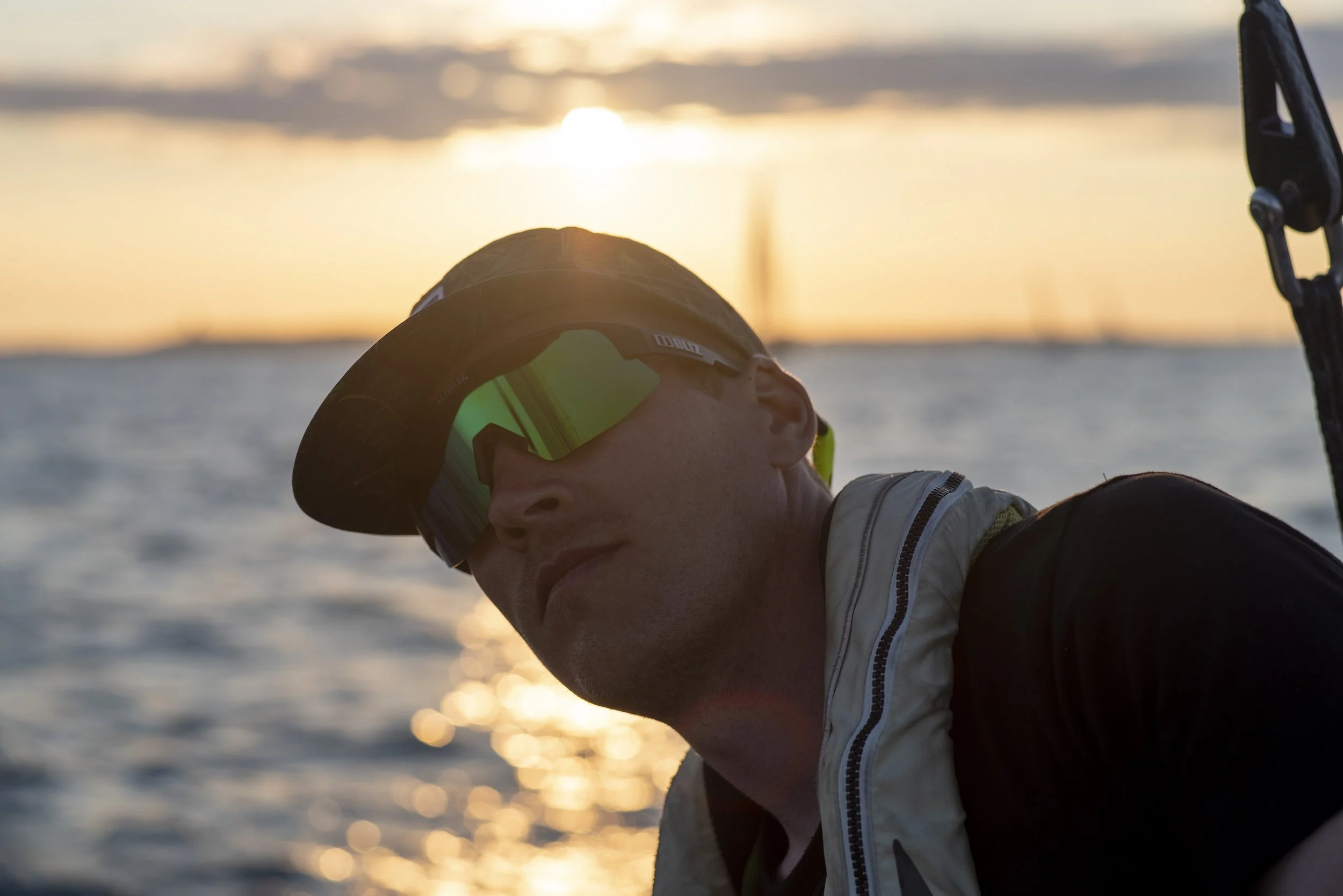
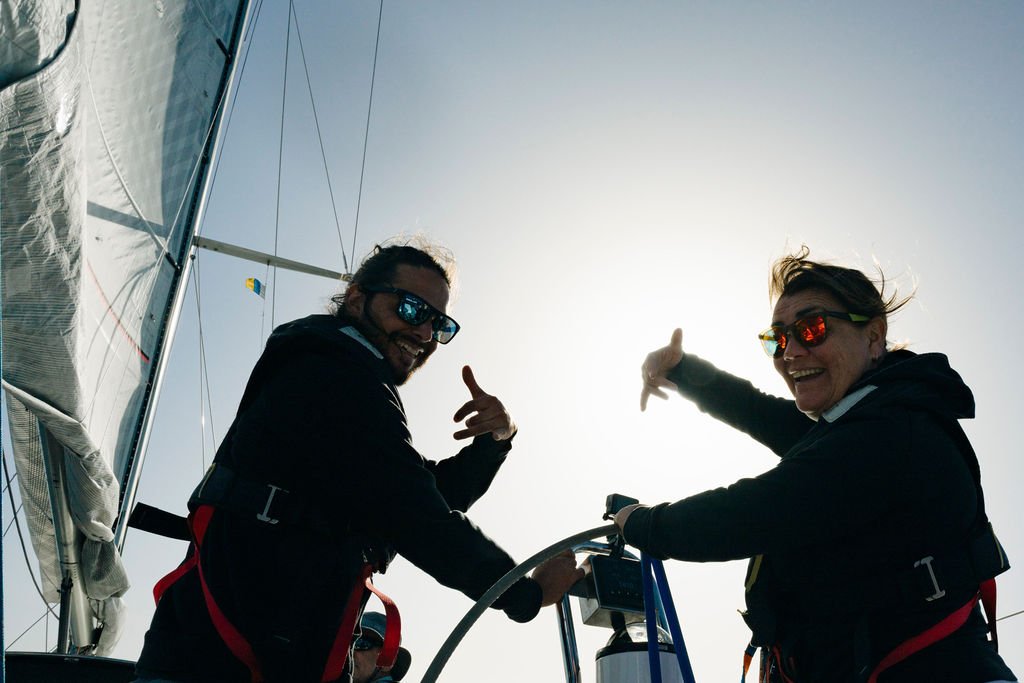
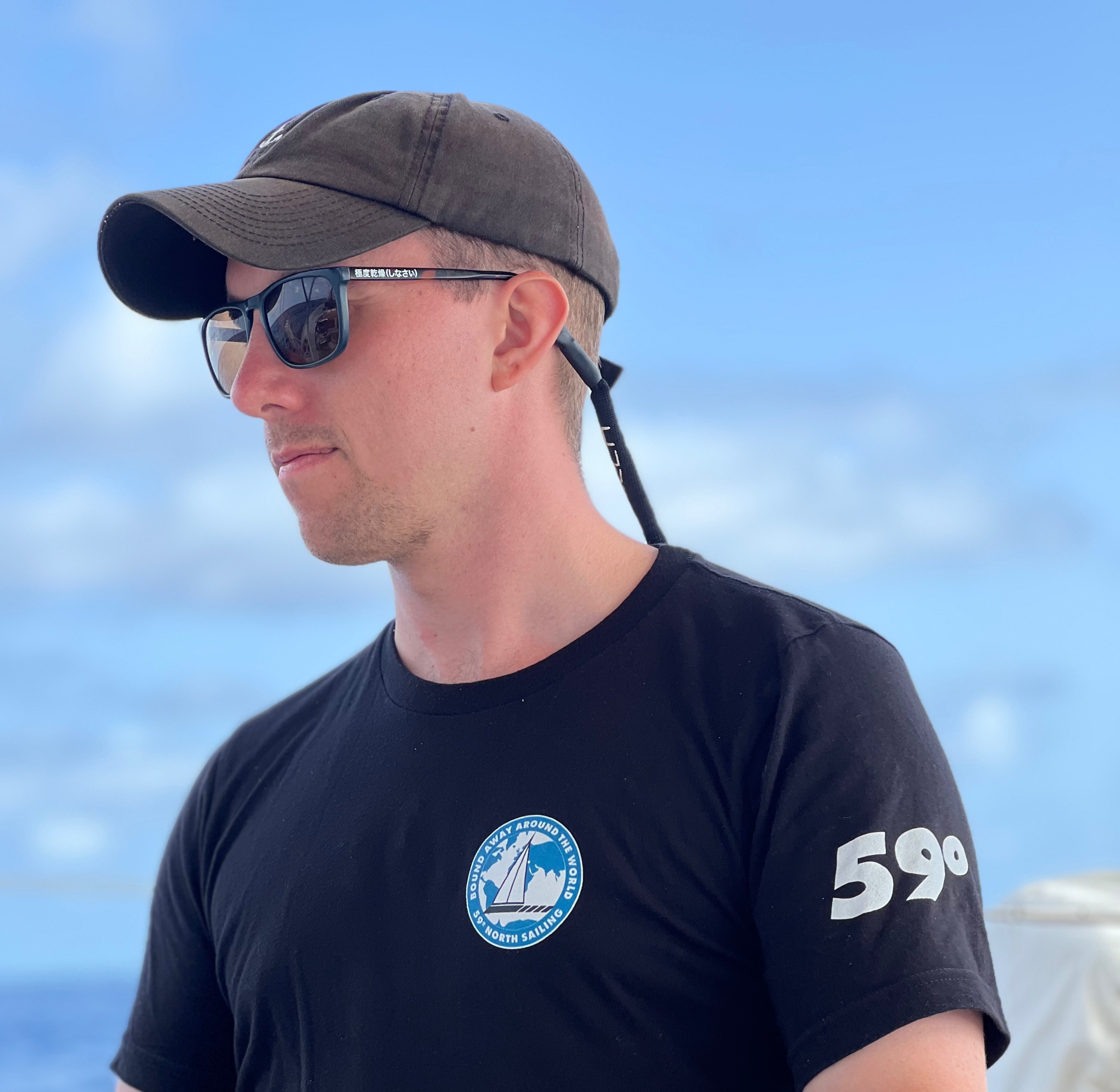
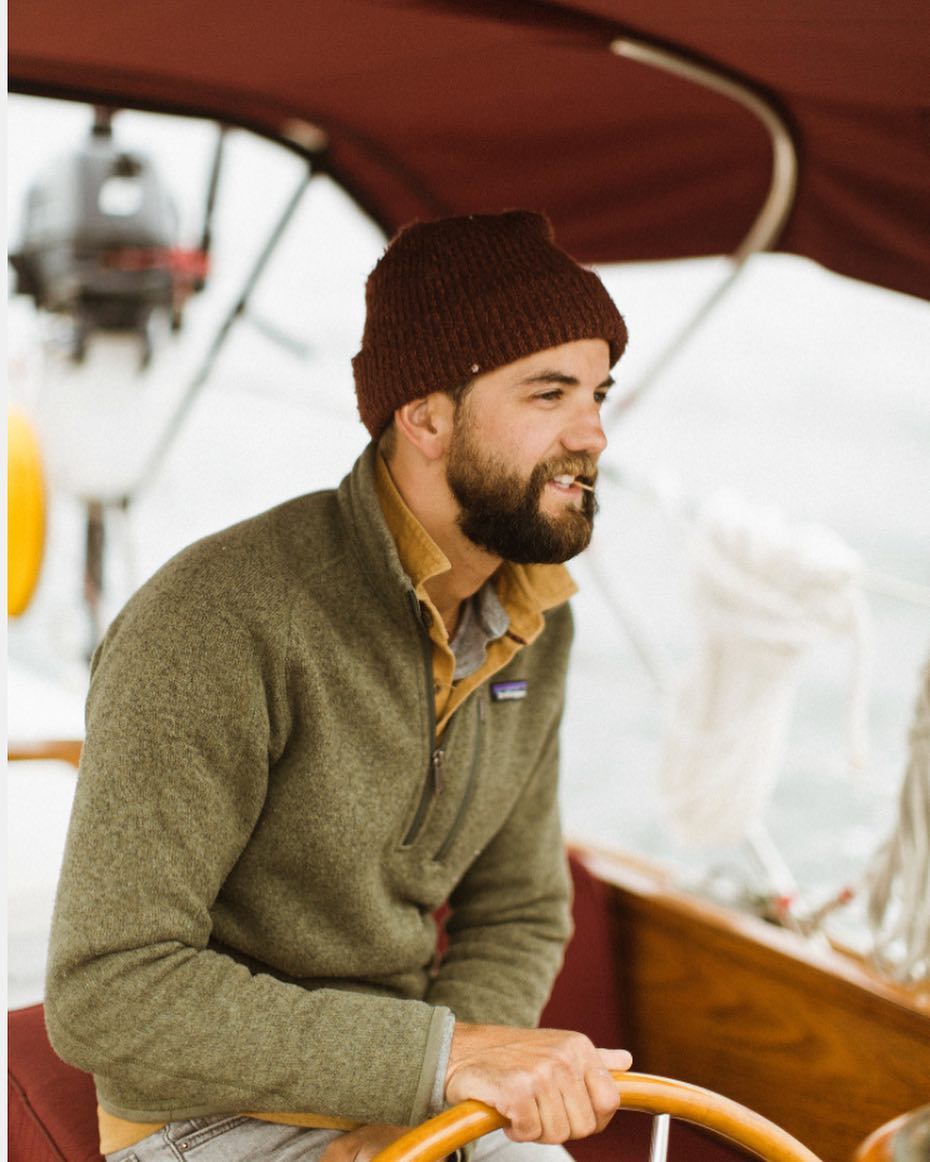
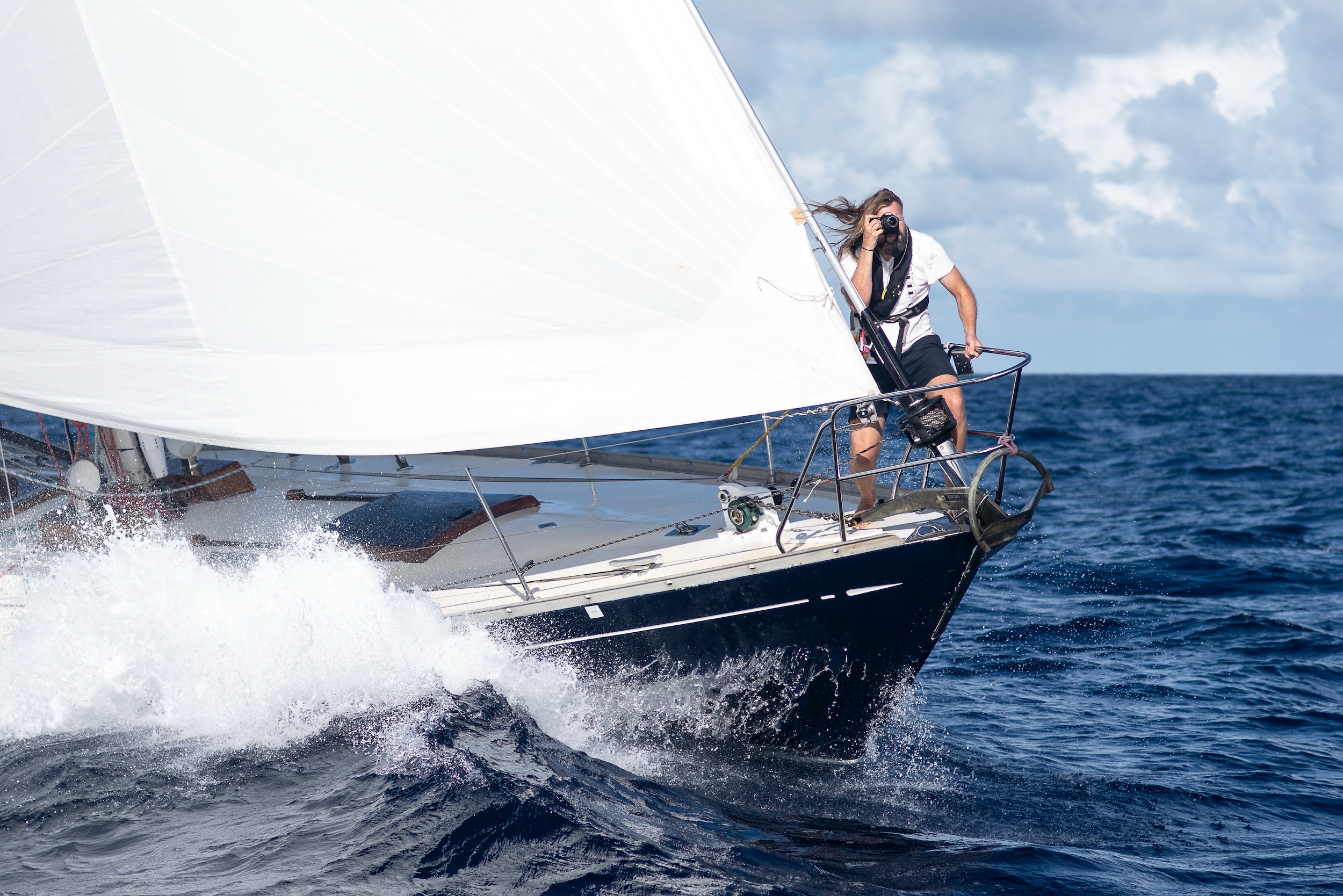
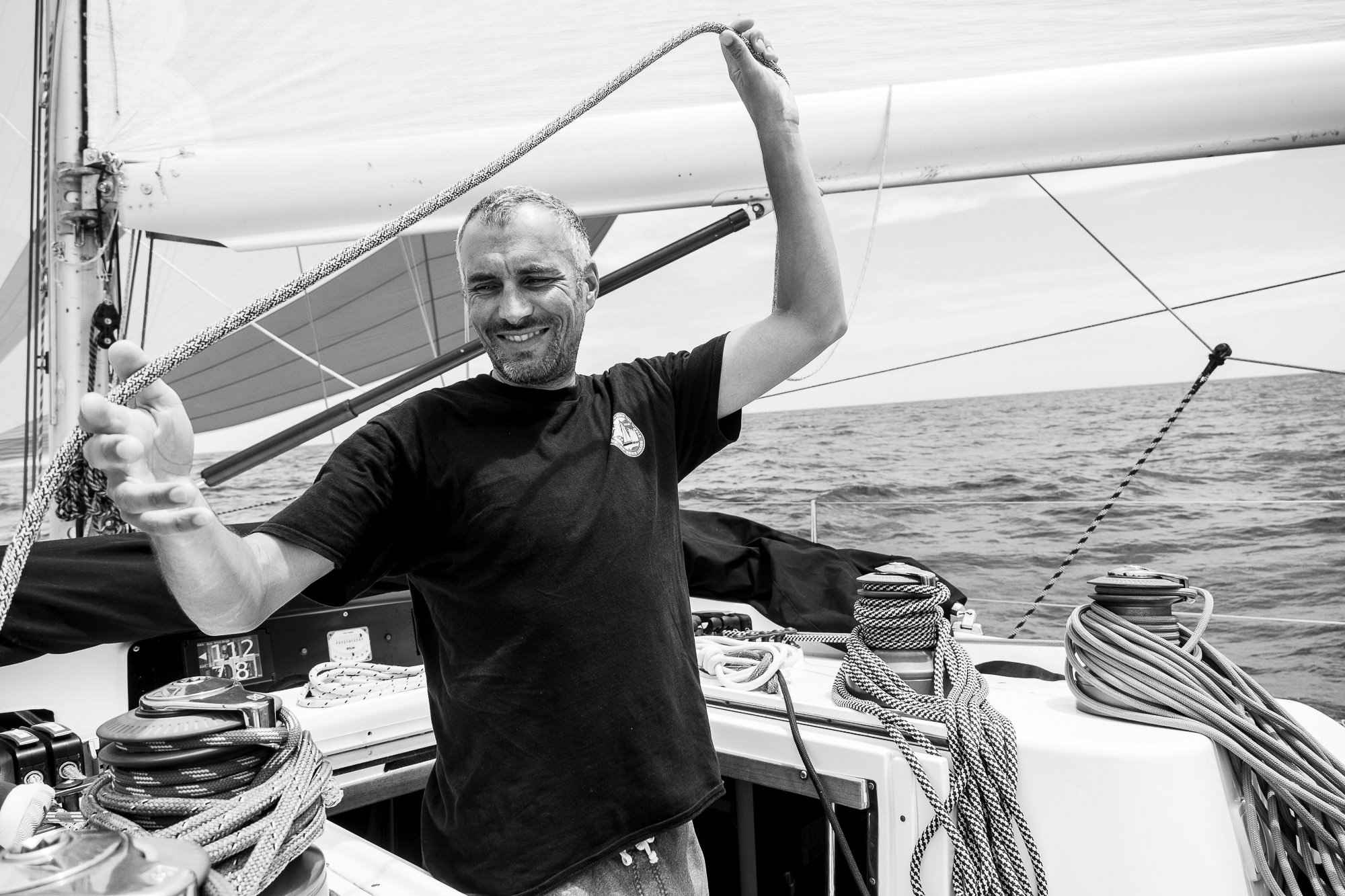
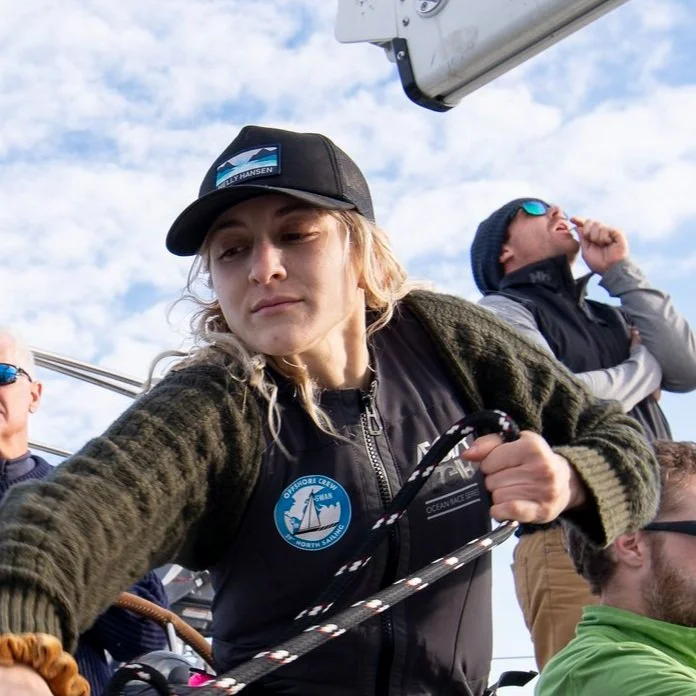
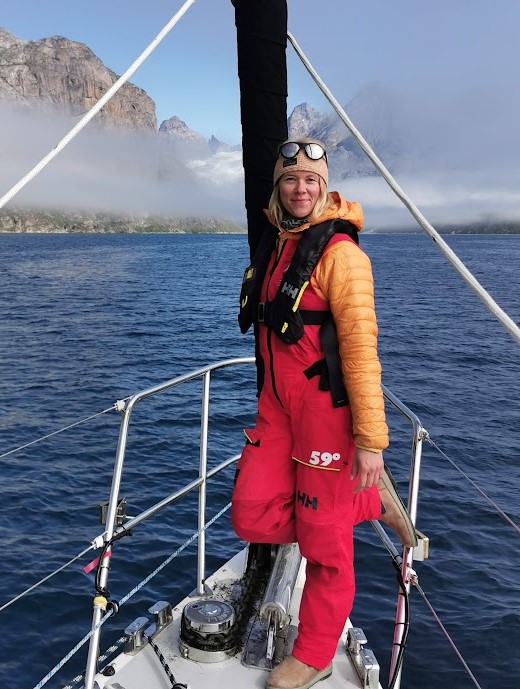
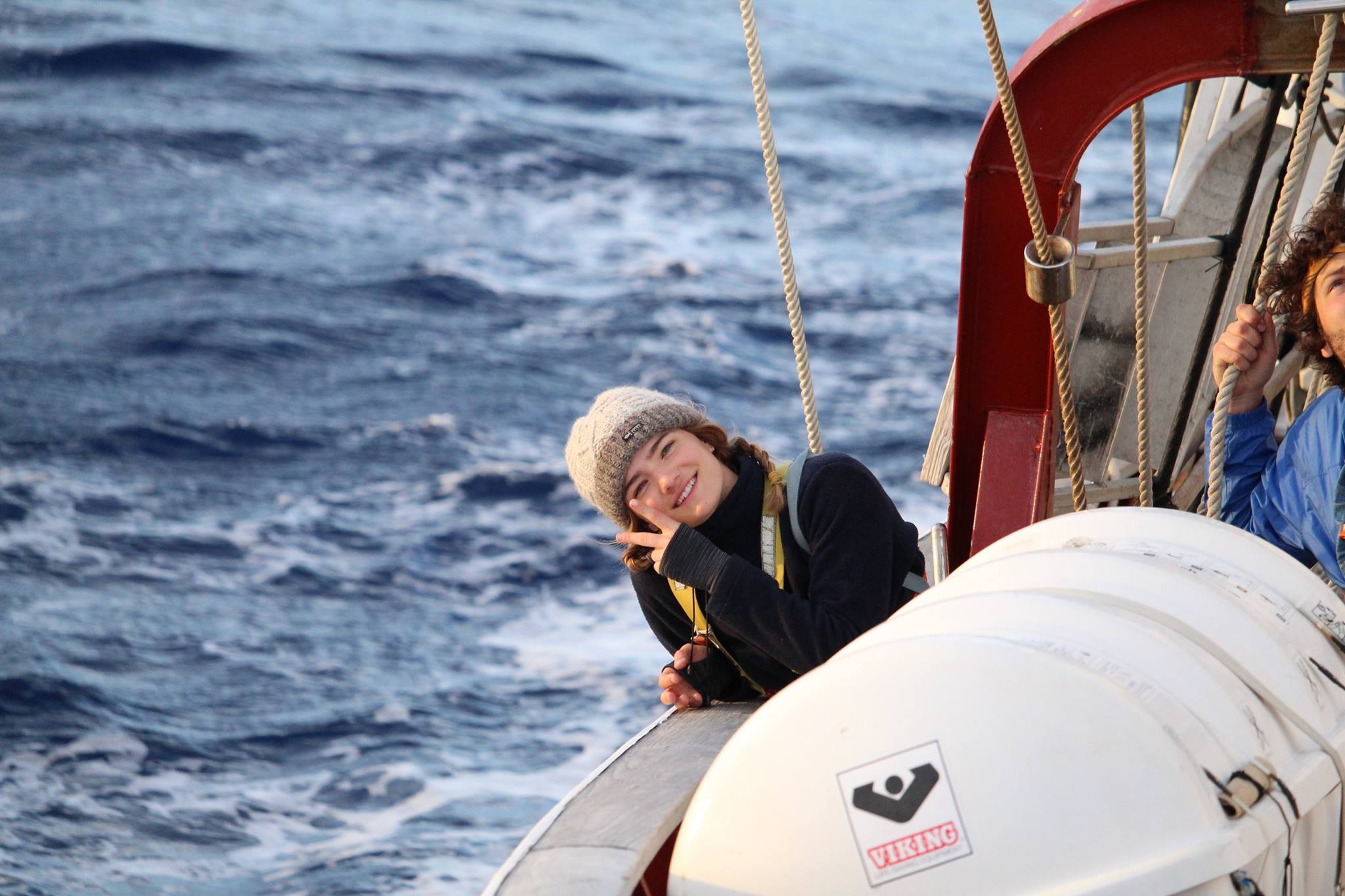
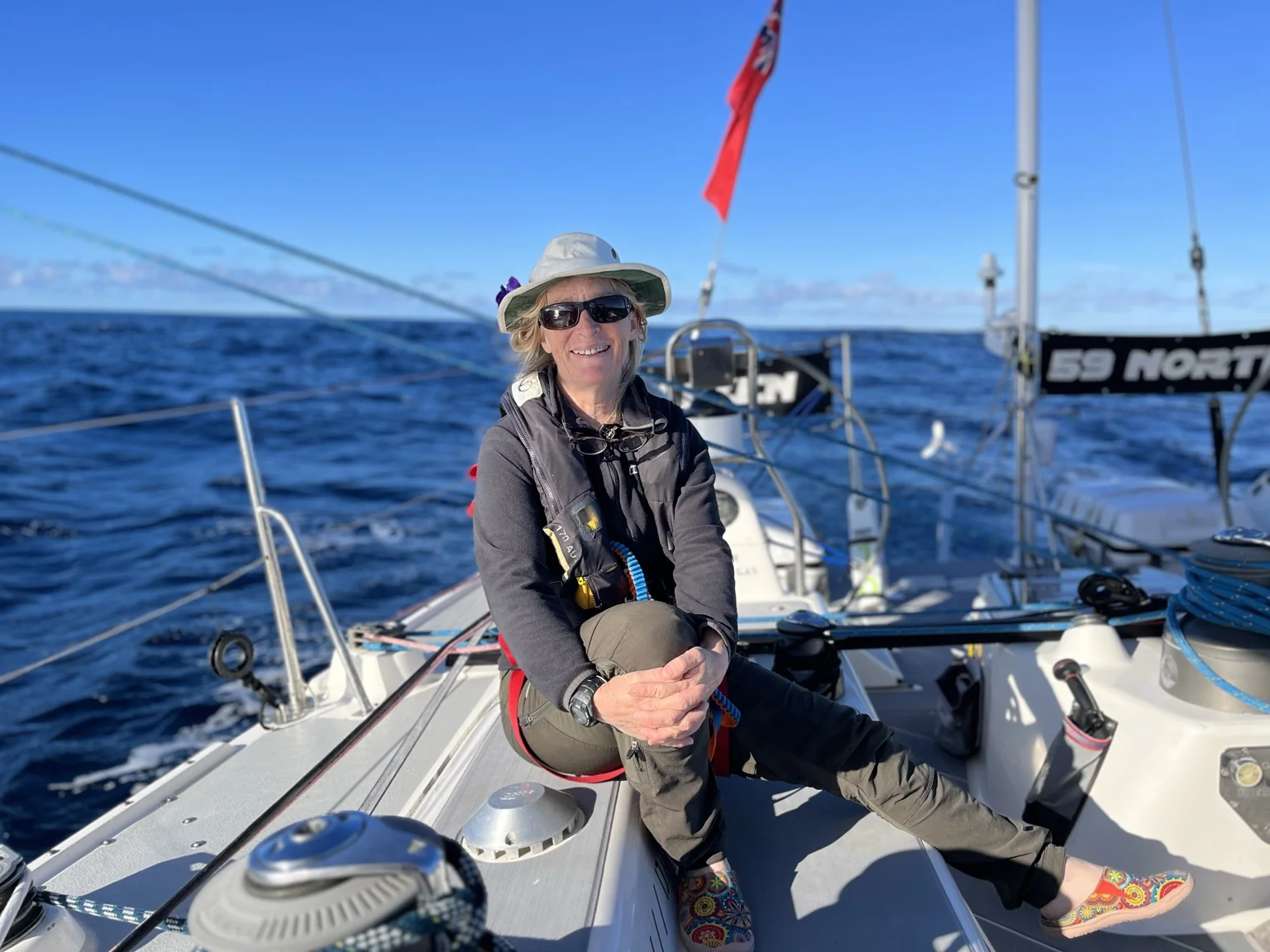
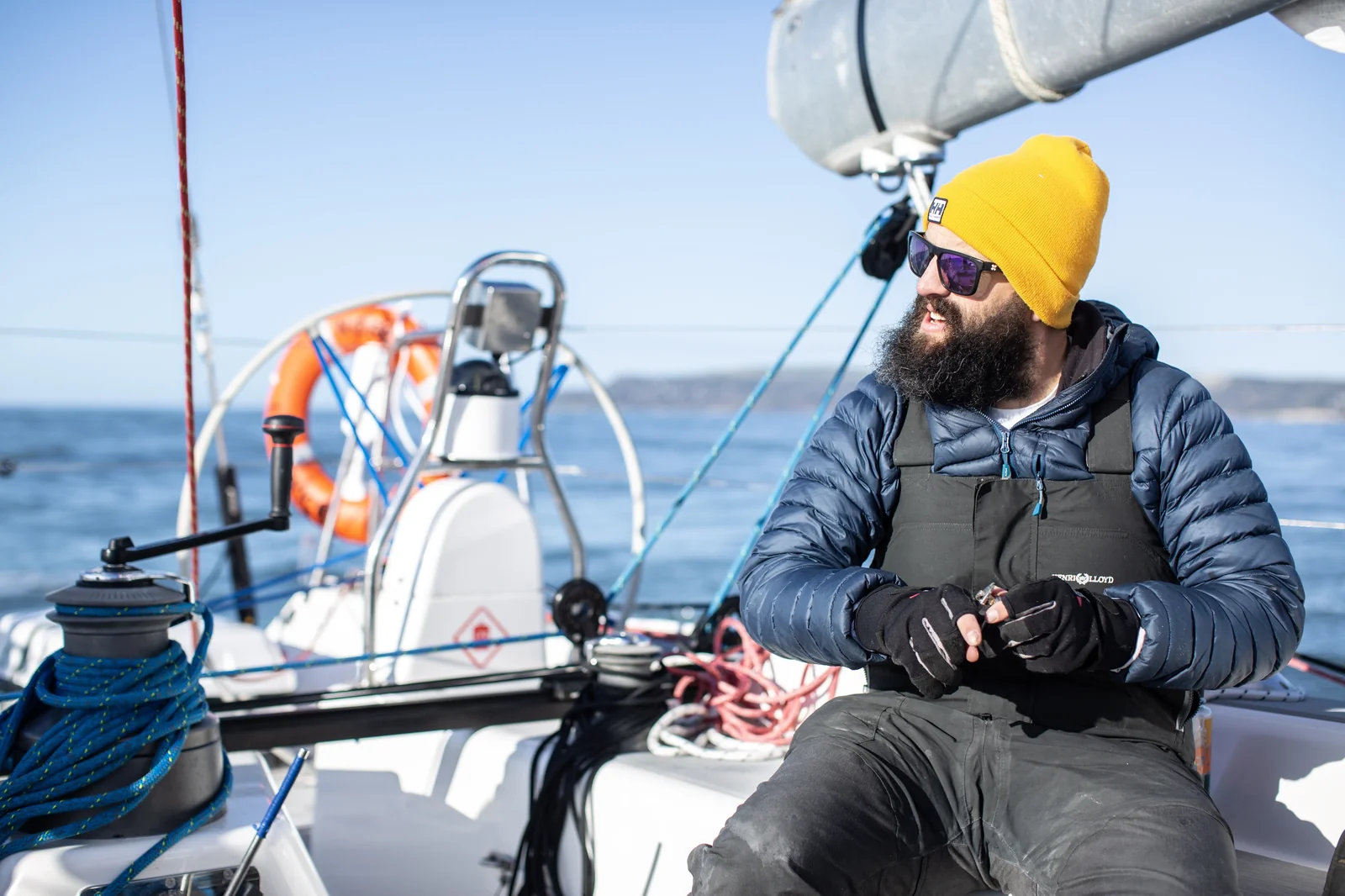
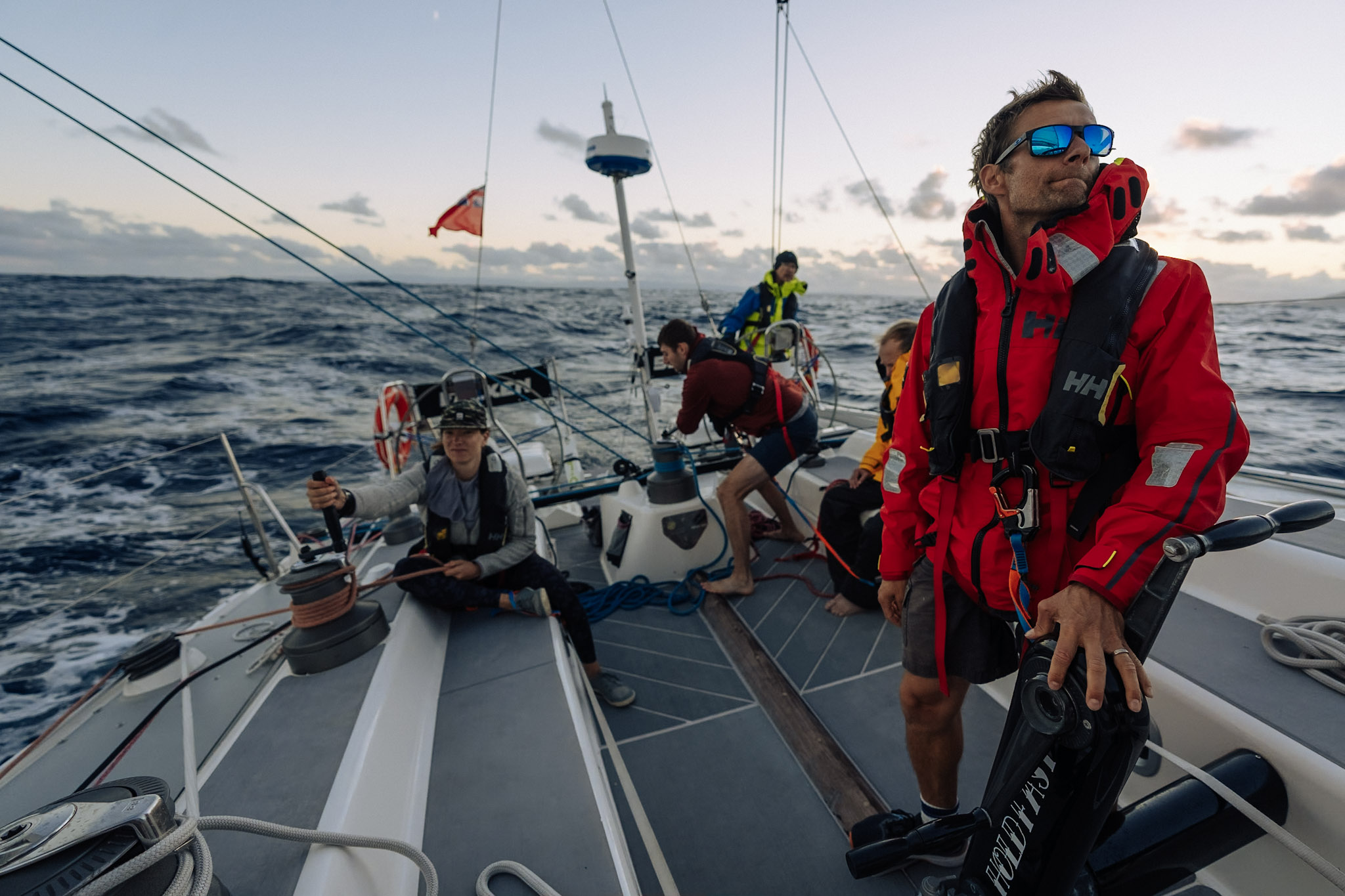
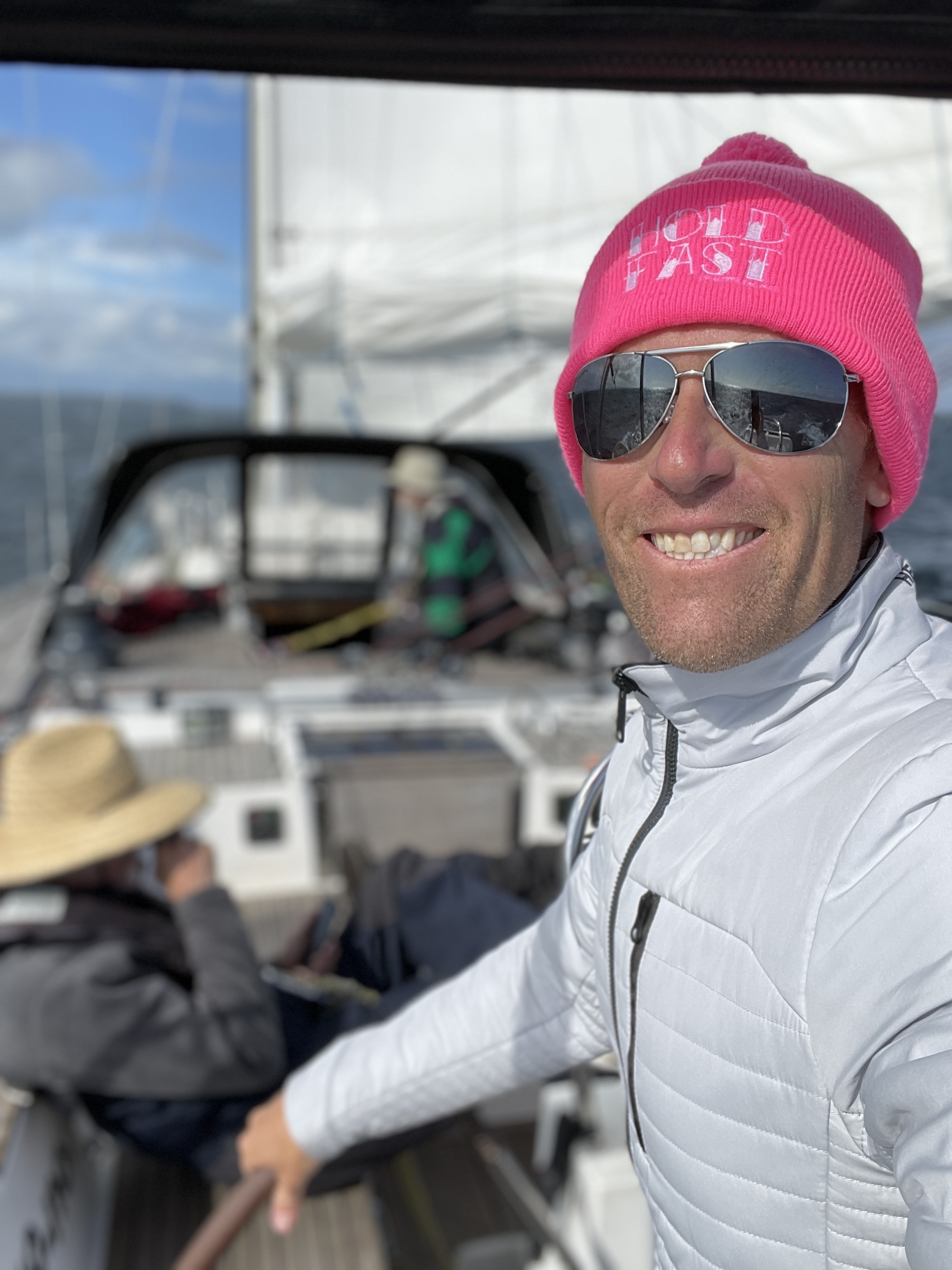
SAILING STAFF




.jpeg)

The Passage
Rough itinerary
All 59º North passages are very much subject to weather. We pick our routes based on the "correct" time of year to be sailing in the different regions we visit, and we always build-in enough time to give us some margin for weather windows. The skipper has final say on departure dates and weather windows, but generally speaking, the intinerary for this passage will look like this:
May 31, 2027
Crew arrive to ISBJØRN at in Lofoten, Norway. ISBJØRN orientation followed by crew dinner. All crew stay onboard ISBJØRN.
Prep Days
Between the joining and departure dates, all pre-passage preparation, provisioning, and safety briefings will be completed. The specific pre-departure schedule will be outlined and posted onboard ISBJØRN by the skipper.
June 2, 2027
Scheduled departure, weather dependent.
June 11, 2027
Latest date (12:00 noon) for crew to depart ISBJØRN from Seydisfjordur, Iceland.
TRAVEL LOGISTICS
Lofoten
Seydisfjordur
Weather conditions
Expect a cool, brisk passage across the Norwegian Sea, often unsettled with a lively swell and shifty winds, so dress warm and settle in—it'll feel like a proper high-latitude crossing, raw but rewarding for the bold.
In-depth analysis, by WRI


WHY 59º NORTH?
ambitious sailing schedule
The best boats
WOMEN BUNKS GUARANTEED
Professional, well-paid staff
knowledge & community
Why it costs what it costs...
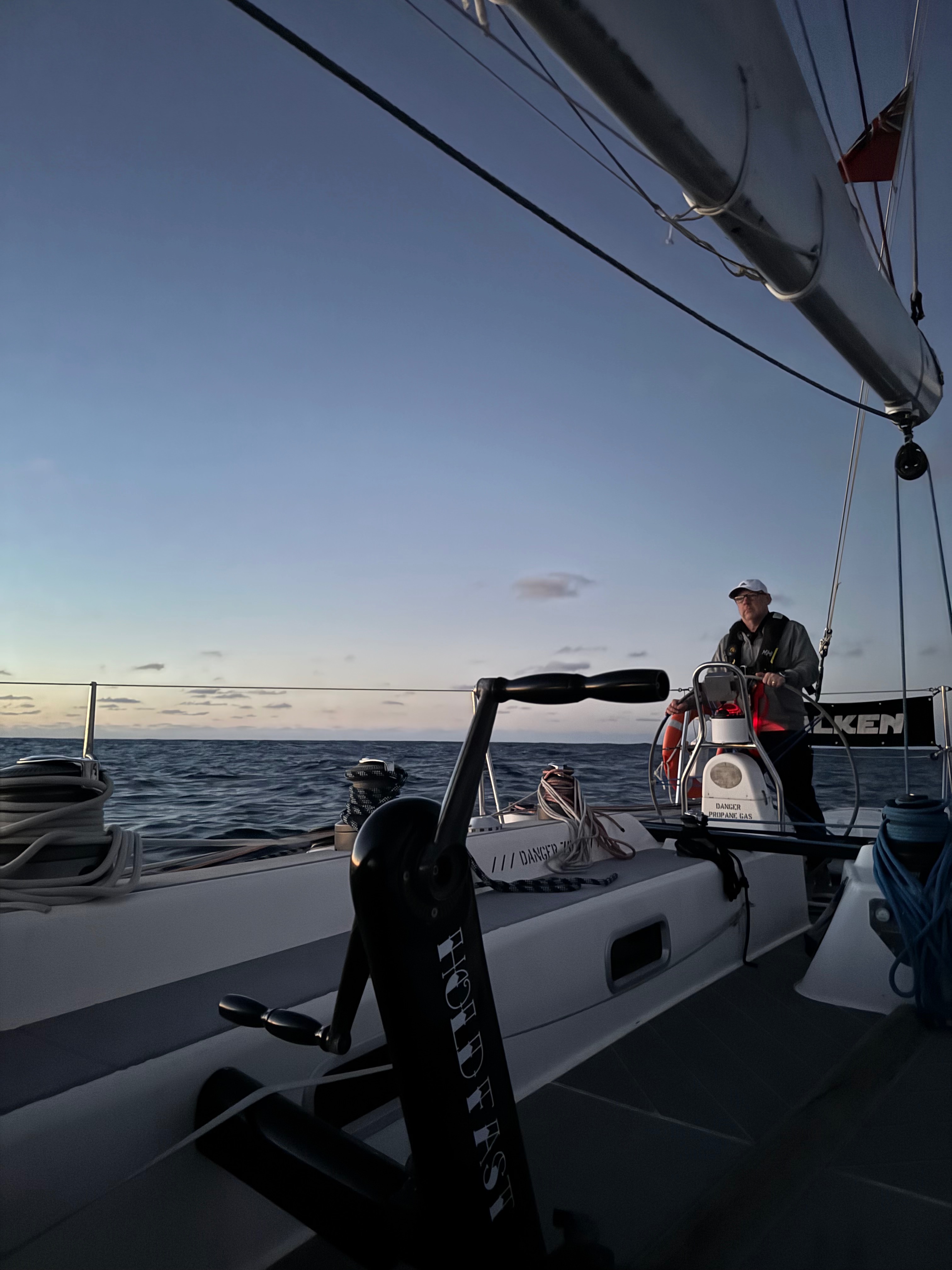
"Having sailed on ISBJØRN in 2019, I was excited to join another 59º North passage and finally sailed on FALKEN for the trans-Atlantic in January 2025. The 17-day passage was an incredible experience, sharing sailing knowledge and cultural perspectives with a diverse crew. FALKEN felt extremely safe and comfortable, and the care 59º North puts into both the voyage and post-trip details is outstanding. I came away with new friends, unforgettable memories, and a whole new level of sailing experience."

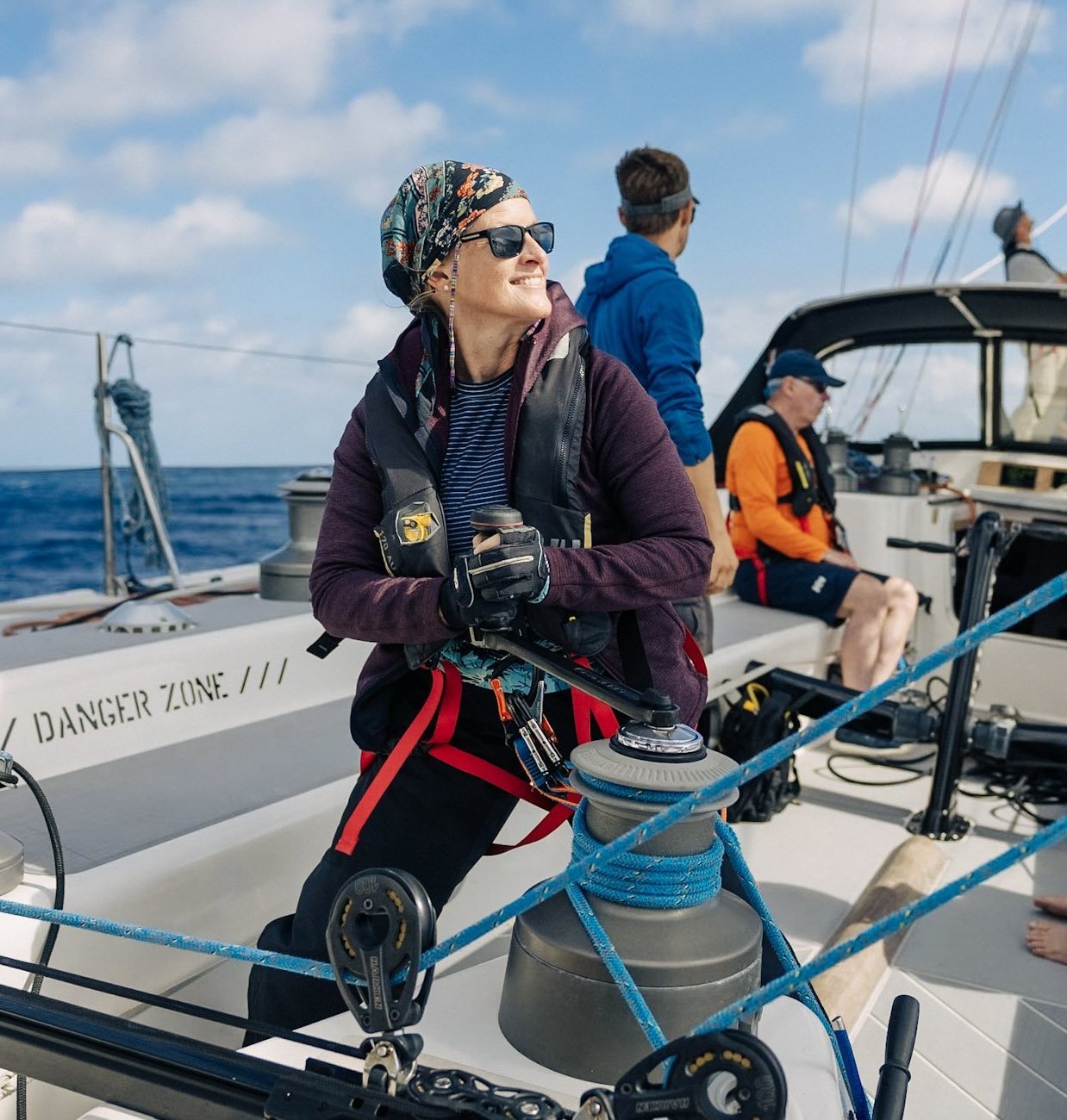
"As this was my first major passage, I wasn't sure what to expect. You have to have a lot of respect for people who choose offshore sailing for their profession. Erik and Ben were top-notch professionals, and my experience with 59º North was great!"
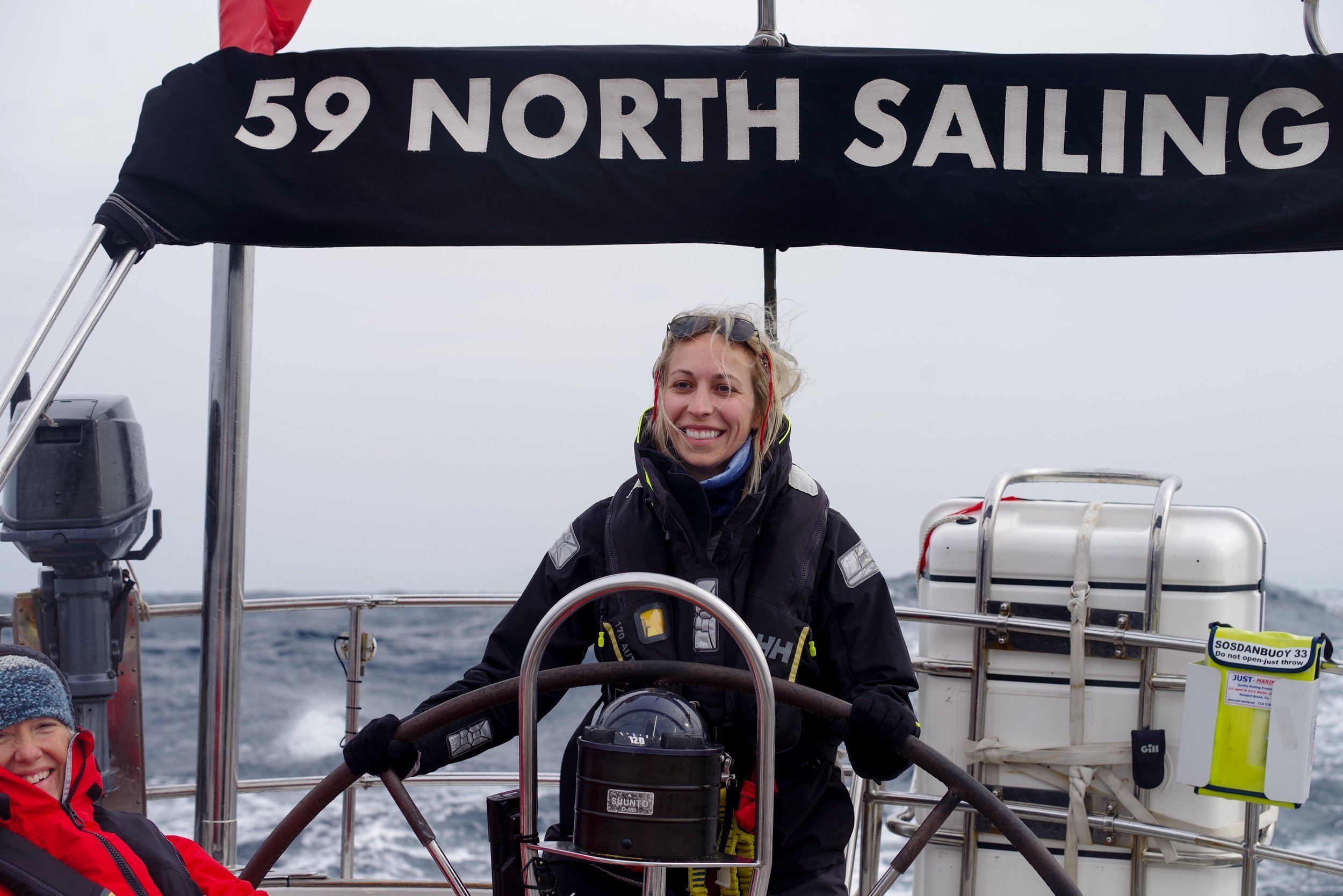
"When I think back to my trip across the North Sea on ICEBEAR, the memories uplift me and fill me with warmth and gratitude. Unplugging from the corporate world and embracing the beauty the ocean has to offer with 59º North molded me into a slightly different version of myself, in the most magical ways. I went home after 11 days with a more courageous yet humbled energy, realizing how capable and excited I am to take on new challenges."

"I sailed on ISBJØRN in March 2024 from Bergen to Tromsø and it was fantastic. 59º North truly lived up to expectations—Mia and August were always helpful, and our skipper Jon Amtrup did a fantastic job, balancing safety with giving everyone the right tasks and space. We had incredible anchorages, great sailing, fun dinners, and unforgettable experiences under the stars on the North Sea. ISBJØRN is a wonderful boat with character, and I highly recommend the trip."
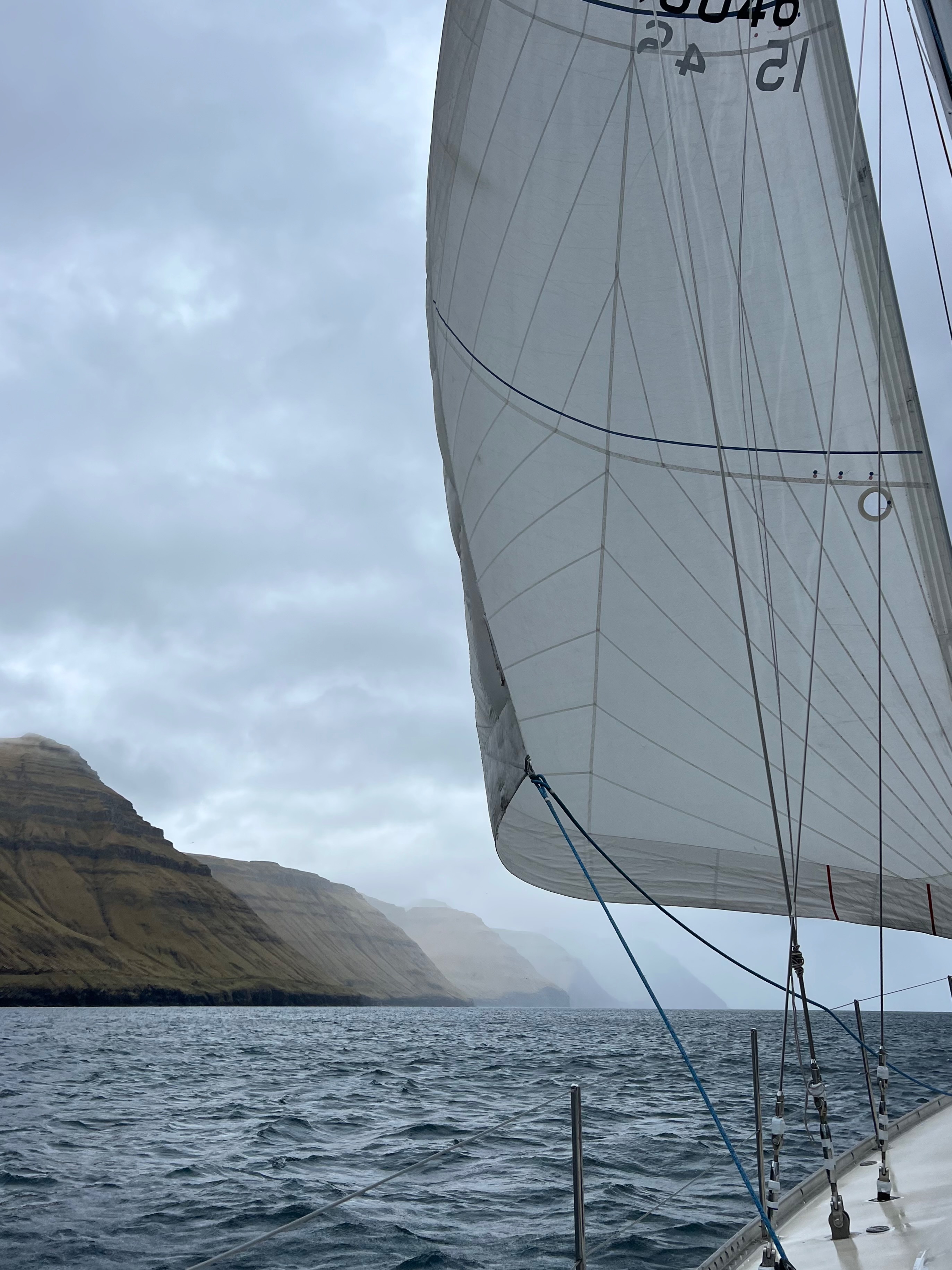
"The experience was more than I hoped for in every way. I felt completely at home on the open water in our mighty vessel and with a wonderful crew that quickly became family. All of the staff at 59º North were kind, professional, fun, knowledgeable, and friendly. I will be back!"
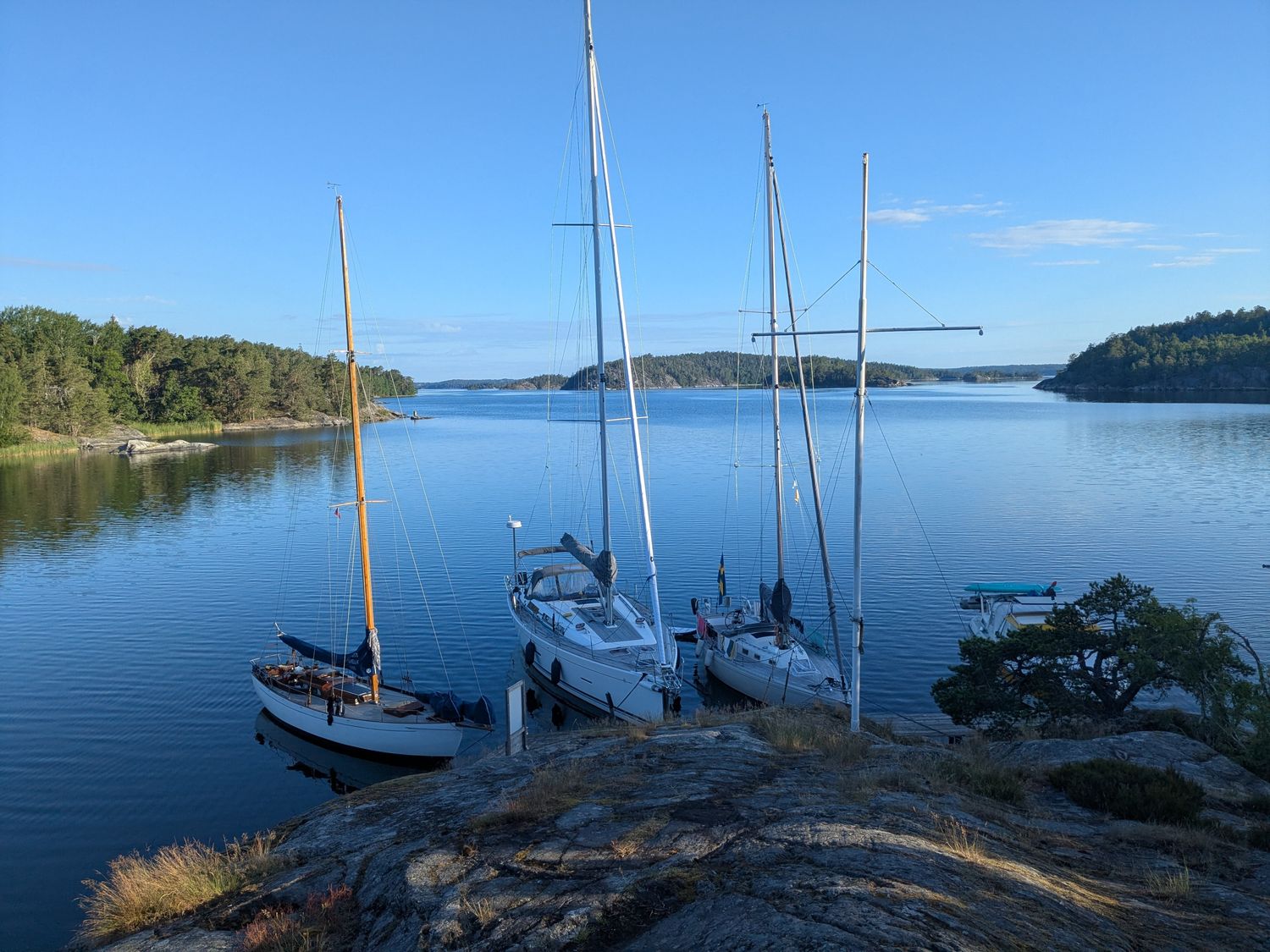
"A fairytale on top of the world, traveling from charming island to island on our trusty steed and home, SPICA. Andy will need to get a wizard's hat for the next voyage."
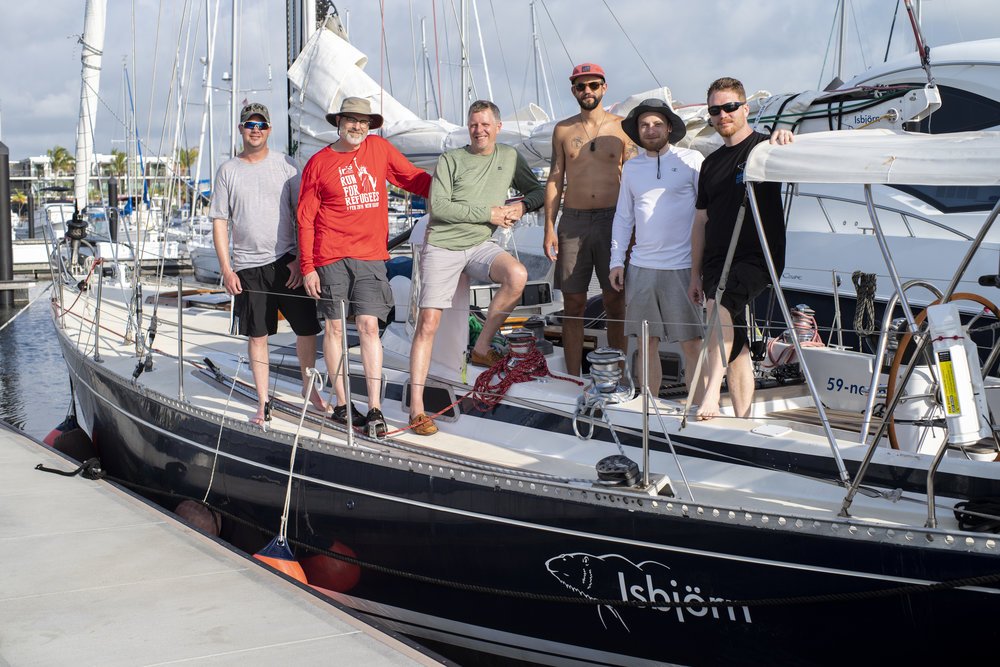
"Our voyage was interesting because both ISBJØRN (which I was on) and ICEBEAR traveled the same route at roughly the same time. We had Matt Rutherford as our captain and Ben Doerr as first mate, and they were both chill, fun, and always happy to answer questions and provide advice. I feel I got the experience I need with the ocean and Gulf Stream to pilot my own boat from Florida to Bermuda in the future, which was exactly my goal. If you are looking for blue water sailing experience and a fun adventure, I highly recommend that you sign up with 59º North."
THE BOAT
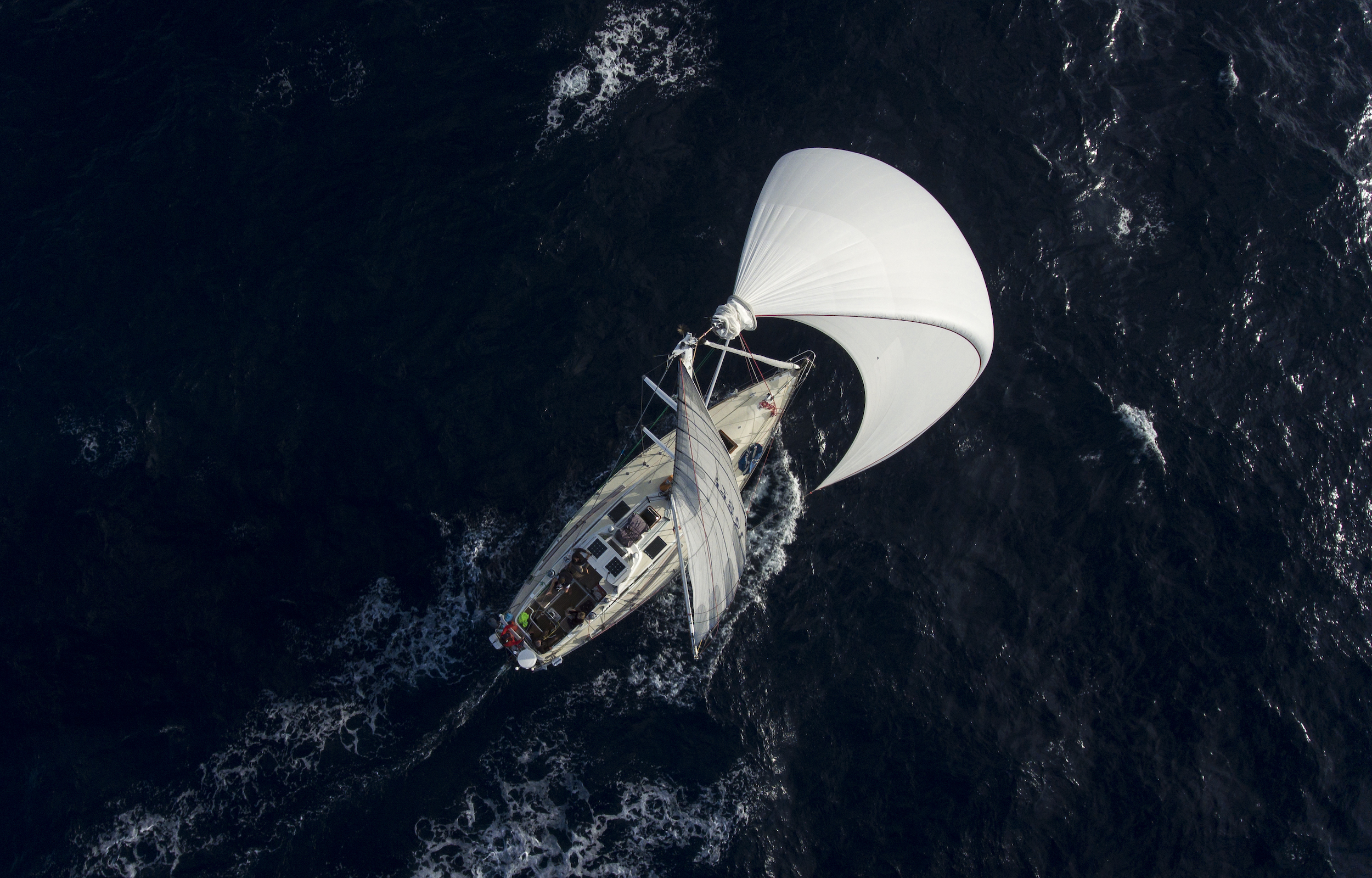

S&S Swan 48
'
ISBJØRN
'
🇳🇴
ISBJØRN is the "OG" 59º North boat, the classic S&S Swan 48 that we started the business with back in 2015. She's considered an all-time great ocean cruising boat - built like a tank in Finland to the highest standards and with a modern but conservative hull shape making for fast & comfortable passages offshore in any weather. ISBJØRN sails with 5 crew plus a Skipper, and each person has their own dedicated sea berth & storage locker.
packing lists & notes
Packing Notes
Start here when planning your packing for sailing with 59º North. This list includes the general basics for all of our passages. The passage-specific packing lists offer more details.
Cold | Chilly Packing List
Weather-wise, expect chilly to cold conditions (not Arctic-level cold, but cold enough to need boots, hats & gloves, especially at night). On sunny, calmer days, it might be warm enough for shorts and t-shirts, so on these types of trips you kinda need one of everything! Check the packing list for specific details.